
Overview
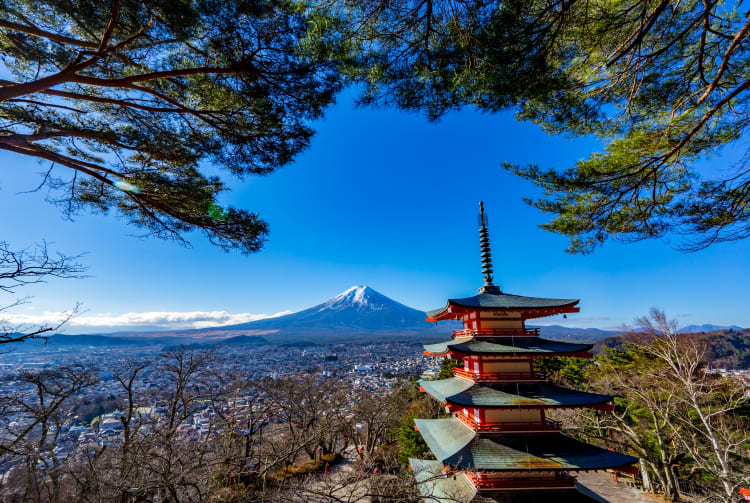 Caption: Iconic view of Mount Fuji from the Fujikawaguchiko area showing the perfect visibility conditions typical during autumn season
Fujikawaguchiko represents the heart of Japan's Mount Fuji worship culture and UNESCO World Heritage experience, combining sacred traditions dating back over 1,300 years with spectacular natural beauty. At the center of this spiritual landscape lies Mount Fuji, revered as the dwelling place of Konohanasakuya-hime (the "Princess of the Blossoming Trees") and recognized as a sacred mountain through ancient Shinto traditions and Buddhist pilgrimage practices. The region forms part of the Fuji Five Lakes cultural complex, where each lake served historically as a purification site for Mount Fuji worship and artistic inspiration spanning centuries. 🔗
October visits benefit from ideal autumn weather conditions and cultural timing - the season when traditional houtou noodle preparation begins with fresh pumpkin harvests, autumn leaves festivals celebrate seasonal transitions, and clear atmospheric conditions provide optimal Diamond Fuji viewing opportunities approaching. The area's spiritual landscape encompasses living pilgrimage traditions where modern visitors can still witness rokkon shōjō purification chants and water purification rituals at sacred springs, maintaining cultural practices that shaped Japanese spiritual identity for over a millennium. 🔗
Key Districts & Neighborhoods
Kawaguchiko Station Area - Modern transportation hub with convenient access to UNESCO sites and lakefront attractions. Lake Kawaguchi Shoreline - Northern and southern shores offering multiple Mount Fuji viewpoints and seasonal festivals. Oshino Village - Traditional village setting with eight sacred ponds and preserved Edo-period architecture. Arakurayama Area - Sacred mountain slope featuring iconic pagoda viewpoint and ancient shrine complex. 🔗
Food Culture
Traditional Mountain Cuisine - Essential cultural experience featuring houtou noodles as winter survival cuisine, Yoshida udon with characteristic chili-sesame condiments, and traditional horse meat (basashi) representing historic mountain food preservation techniques. Regional Specialties - Kappa Meshi rice bowls honoring local folklore, Koshu wine from Japan's oldest wine region (established 1877), mountain vegetable foraging (sansai) traditions spanning 10,000 years, and premium local ingredients including Fujizakura pork and Koshu beef. Sacred Waters & Brewing - Mount Fuji filtered springs used for purification rituals and modern sake/beer production, connecting spiritual traditions with contemporary culinary culture. 🔗 🔗
Day Trips from Fujikawaguchiko
Oshino Hakkai Springs - Eight sacred ponds with traditional village setting, 30-minute journey offering complete UNESCO cultural immersion. Fuji Five Lakes Circuit - Connected lake system providing diverse Mount Fuji perspectives and seasonal beauty. Traditional Craft Villages - Nearby communities preserving Edo-period techniques in silk weaving and traditional arts. 🔗
Cultural Etiquette & Seasonal Traditions
Autumn Viewing (Momiji-gari) Customs - Traditional "red leaf hunting" practice embodying mono no aware (impermanence beauty) and wabi-sabi (transient beauty) philosophies, dating from Heian period aristocratic leaf viewing to modern contemplative nature appreciation. Proper etiquette includes visual appreciation only (no leaf picking), maintaining quiet contemplative atmosphere, and respecting shared viewing spaces during peak foliage season. 🔗
UNESCO Sacred Site Protocols - Mount Fuji worship traditions require specific etiquette including purification rituals (temizu), two-bow-two-clap-one-bow worship sequence, respect for shimenawa sacred markers, and Leave No Trace principles throughout the World Heritage cultural landscape. Photography restrictions apply indoors at sacred buildings, with outdoor architectural photography permitted. 🔗
Transportation & Access Guidelines
Rural Mountain Area Etiquette - Silent transportation protocols (no phone conversations, quiet voices), priority seating respect, exact change payment on local buses, and cash-first approach especially important in rural areas. October 2025 represents post-climbing season reducing Mount Fuji access restrictions but maintaining year-round tourism management measures. 🔗
2025 Regulatory Updates - Enhanced tourism management including photography barriers at popular viewpoints, increased anti-littering enforcement, potential accommodation taxes (100-500 yen per night if implemented), and preparation for JESTA electronic travel authorization pilot testing. Visitor behavior monitoring increased following 2024 overtourism challenges. 🔗
Location: View on Google Maps
Cultural & Historic Sites
- Aokigahara Forest Guided Tours - Natural monument and UNESCO World Heritage Site component
- Arakura Fuji Sengen Shrine - Historic Shinto Shrine and Scenic Viewpoint
- Chureito Pagoda - Cultural/Scenic Viewpoint
- Ide Sake Brewery - Traditional sake brewery and cultural heritage site
- Itchiku Kubota Art Museum - World-renowned textile art museum
- Kawaguchi Asama Shrine - UNESCO World Heritage Shrine
- Kawaguchiko Music Forest Museum - European-style music box museum and theme park
- Lake Kawaguchi Shoreline - Scenic lakeshore with multiple viewpoints, UNESCO World Heritage site
- Oishi Tsumugi Silk Workshop - Traditional craft museum and workshop
- Oshino Hakkai Springs - UNESCO World Heritage Site - Eight Sacred Ponds
- Saiko Iyashi-no-Sato Nenba - Traditional reconstructed village/Open-air museum
- Traditional Japanese House NAKAMURA - Historic café and cultural space
Traditional Experiences
- AIM Brew LAB - Craft brewery with taproom
- Fuji Katsuyama Bamboo Workshop - Traditional craft workshop
- Houtou Fudou Restaurant Chain - Traditional Regional Cuisine
- Houtou Kura Ayusei - Premium Traditional Cuisine Restaurant
- Koshu Hoto Kosaku - Traditional Japanese Farmhouse Restaurant
- Sanrokuen Traditional Robatayaki - Premium Traditional Japanese Restaurant
Natural & Scenic
- FUJIYAMA Twin Terrace - Mountain observation deck and viewing platform
- Fuji Deck - 13-meter observation deck within herb garden complex
- Fuji Fugaku Wind Cave & Ice Cave - Natural lava tube cave system
- Fuji Panoramic Ropeway - Mountaintop aerial tramway and observation deck
- Fuji-Q Highland - Amusement Park
- Momijidai Rest House - Observation deck and rest house
- Oishi Park - Public park and scenic viewing area with seasonal flower displays
- Saiko Wild Bird Forest Park - Nature park and bird watching sanctuary
- Sankodai Viewpoint - Panoramic viewpoint and hiking destination
- Yamanakako Panorama Dai - Natural scenic viewpoint
Culinary Experiences
- CISCO COFFEE - American-Style Third Wave Coffee Shop
- Expression Kawaguchiko - French-style cafe terrace
- Fuji Viewing Hot Spring Yurari - Premium hot spring facility
- HAKUMAI Premium Japanese Cuisine - Premium Japanese Restaurant
- Healthy Restaurant Calorie 500 - Healthy dining restaurant
- Kou Shu Ya Beef Cutlet Specialist - Premium Beef Cutlet Specialist
- POMME Game Meat Restaurant - French-Influenced Game Meat (Gibier) Restaurant
- RESTAURANT ASADOR CarneSio - Italian-Argentinian Fusion Fine Dining
- Shaw's Sushi Bar & Dining - Premium Sushi Restaurant
- THREE TIMES CAFE - Healthy cafe with gluten-free specialties
Other
- Fujisan World Heritage Center - Free UNESCO Educational Facility
- Temporary Viewing Terrace - Station-based viewing platform/Multiple viewing facilities
Generated from research: destinations/fujikawaguchiko.md
📍 Attraction Map
Click on any pin to visit the attraction's detail page