
Overview
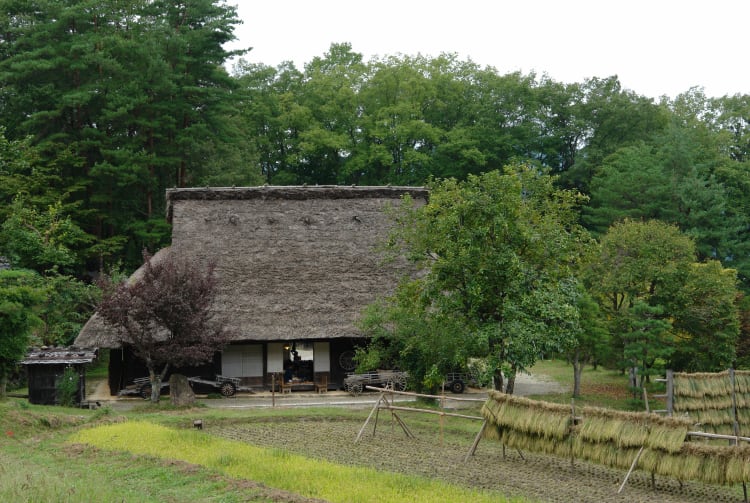 Traditional Japanese mountain town preserving Edo-period merchant culture and gassho-zukuri architecture in the heart of the Japanese Alps
Takayama represents Japan's most perfectly preserved mountain town, where centuries of isolation in the Japanese Alps created a unique merchant culture distinct from coastal regions. Despite being officially ranked lowest in the rigid Edo-period social hierarchy, Takayama's merchants achieved unprecedented influence as community leaders due to the absence of resident samurai lords under direct Shogunate control from 1692-1871. This created a distinctive merchant society where wealthy families became cultural patrons, funding elaborate festival floats and supporting the renowned Hida no Takumi craftsmen whose reputation dates back to the 8th century when they built major temples including Tōdaiji. 🔗
The town's cultural significance encompasses sophisticated preservation traditions born from mountain survival necessity. Traditional mountain cuisine reflects centuries of adaptation to harsh winters, with ingenious preservation techniques like magnolia leaf cooking (hoba miso) that originated with mountain woodsmen, elaborate fermentation systems, and sophisticated seasonal cycles that made communities completely self-sufficient during isolated winters. These survival innovations became cultural traditions now experienced through authentic restaurants and cultural sites. 🔗
Traditional craftsmanship reaches its apex in Ichii Ittou-bori, the distinctive yew wood carving tradition that embodies the regional philosophy of revealing rather than concealing natural beauty. Using exclusively 400-500 year old Japanese yew and single-knife techniques without artificial coloring, this government-designated National Traditional Craft connects directly to the legendary Hida no Takumi lineage that served imperial courts for over 1,300 years. October visits offer optimal opportunities to observe master craftsmen at work through special autumn workshops and demonstrations, experience post-Takayama Autumn Festival atmosphere (October 9-10) where UNESCO-recognized matsuri-yatai floats showcase incredible craftsmanship, and witness the early stages of autumn foliage as mountain colors descend from higher elevations while the town approaches peak viewing in early November. 🔗 The autumn period features seasonal harvest celebrations with traditional food festivals at morning markets, offering local tea, wagyu sushi, and seasonal sake varieties Hiyaoroshi and Akiagari that add unique autumn flavors to the cultural experience. 🔗
Key Districts & Neighborhoods
Historic Sanmachi Suji district preserves Edo-period merchant quarters where distinctive wooden lattices (kōshi) indicated shop types, with wealthy merchant families funding elaborate festival floats through traditional yatai-gumi associations that continue operating today. 🔗 The Higashiyama temple district features a concentrated collection of temples and shrines connected by traditional walking paths. 🔗 Government quarter around Takayama Jinya showcases the only surviving Tokugawa provincial administrative complex in Japan. 🔗
Food Culture
Mountain survival cuisine traditions developed sophisticated preservation techniques essential for winter isolation, including traditional fermentation systems, elaborate seasonal cycles, and ingenious methods like magnolia leaf cooking (hoba miso) that originated with mountain woodsmen. 🔗 Hida beef represents the region's premium mountain-raised wagyu cattle, while traditional sansai (mountain vegetables) showcase spring detoxification foods and autumn preservation techniques using bitter wild plants that promote metabolism after winter. 🔗 Regional sake brewing represents a sophisticated merchant family tradition dating to over 50 licensed breweries during the Edo period, with wealthy danna-shu families using economic flexibility between rice sales and sake production to fund elaborate festival floats. The seven remaining historic breweries maintain traditional kanzukuri (cold brewing) seasonal cycles and sacred ceremonial roles, with establishments like Hirase Sake Brewery (1623) continuing 400+ years of family techniques using pure alpine water and locally produced Hida-Homare rice. 🔗
Day Trips from Takayama
Shirakawa-go offers UNESCO World Heritage gassho-zukuri farmhouses within 45-60 minutes drive, ideal for October autumn foliage viewing when mountain elevations show advanced colors while valley areas display early-stage progression. 🔗 Kamikochi alpine valley (1,500m elevation) provides peak autumn colors in mid-October with pristine mountain scenery accessible until mid-November, offering optimal foliage viewing during late October visits when town-level colors are still developing. 🔗 Okuhida Onsen region features five traditional hot spring towns surrounded by Japan Alps peaks where elevation-based foliage progression creates extended autumn viewing opportunities. 🔗
Transportation & Navigation
Compact city design enables complete exploration on foot, with most attractions within 30 minutes walking from JR Takayama Station, while Machinami Bus and Sarubobo Bus provide 100-yen rides connecting major sites and parking areas. 🔗
October Weather & Preparations
Late October temperatures range 9-19°C with cool mountain nights requiring layered clothing including warm jacket, umbrella for frequent rain, and hiking-appropriate footwear for temple walks and morning market visits. 🔗
Cultural Orientation Resources
Hida Takayama Tourist Information Office at JR station provides English-language support, multi-cultural pamphlets, and comprehensive guidance for authentic cultural integration including traditional etiquette for ryokan stays, sake brewery visits, and morning market interactions. 🔗
Location: View on Google Maps
Cultural & Historic Sites
- Gero Onsen - Historic Hot Spring Resort Town
- Gokayama - UNESCO World Heritage Site featuring traditional gassho-zukuri farmhouse villages
- Gujo Hachiman - Historic Castle Town & Water City
- Hida Folk Village (Hida no Sato) - Open-air museum and cultural heritage site
- Hida Great Limestone Cave - Natural limestone cave with art museum
- Hida-Furukawa - Historic town and day trip destination
- Higashiyama Walking Course - Temple district walking course / Cultural heritage trail
- Jinya-mae Morning Market - Traditional morning market, agricultural market
- Kusakabe Folk Museum - Folk art museum housed in preserved Edo-period merchant residence
- Local Festival Documentation Centers - Cultural Preservation Center and Festival Museum
- Miyagawa Morning Market - Traditional riverside morning market, cultural heritage site
- Sanmachi Suji Historic District - Historic Edo-period preserved district
- Seven Historic Sake Breweries - Traditional craft experience and cultural heritage
- Shirakawa-go Day Trip - UNESCO World Heritage Historic Village
- Shiroyama Park - Historical park and castle ruins
- Shorenji Temple - Historic Buddhist Temple (Jodo Shinshu sect)
- Takayama Festival Floats Exhibition Hall (Matsuri Yatai Kaikan) - Cultural museum and exhibition hall
- Takayama Jinya - Historical government complex / Cultural heritage site
- Takayama Museum of History & Art - City history museum
- Takayama Shōwa-kan Museum - Interactive Historical Museum
Temples & Shrines
- Hida Kokubun-ji Temple - Buddhist temple, ancient provincial temple (Kokubun-ji)
- Sakurayama Hachimangu Shrine - Shinto shrine, festival venue
- Traditional Mountain Vegetable Cuisine - Traditional Buddhist Vegetarian Cuisine
Traditional Experiences
- Goheimochi Vendors - Traditional Street Food
- Hida Takayama Crafts Experience Center - Traditional craft experience center
- Hoba Miso Experience - Traditional regional cuisine experience, mountain survival dish
- Mitarashi Dango Shops - Traditional Japanese Confectionery
- Takayama Ramen Shops - Traditional Japanese ramen dining experience, regional specialty cuisine
- Takayama Traditional Culture & Crafts Square - Traditional crafts demonstration center
- Traditional Lacquerware Workshops - Traditional craft workshop experience
Natural & Scenic
- Shin-Hotaka Ropeway - Mountain Aerial Tramway & Observatory
Culinary Experiences
- Hida Beef Restaurants - Premium beef dining experiences across multiple restaurant types
Wellness & Relaxation
- Okuhida Onsen Region - Collection of five hot spring villages in the Northern Japan Alps
Other
- Kamikochi Alpine Valley - High-altitude alpine valley and pristine wilderness area
Generated from research: destinations/takayama.md
📍 Attraction Map
Click on any pin to visit the attraction's detail page