
Overview
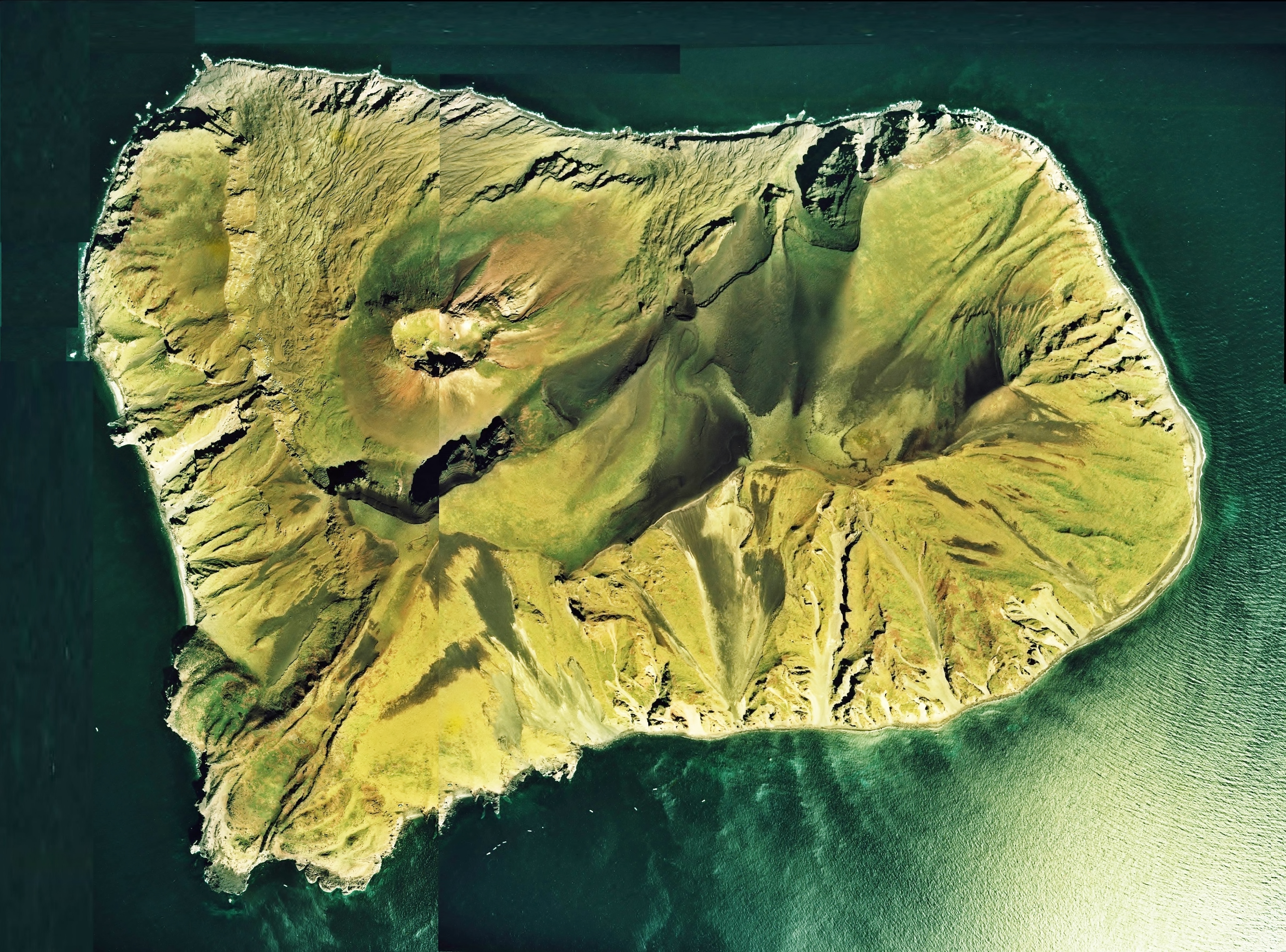 Aerial view of Oshima Island showing the volcanic landscape
Ooshima (Izu Oshima) is an active volcanic island and the largest of Tokyo's Izu Seven Islands, located in the Pacific Ocean approximately 100 kilometers south of Tokyo. The island is dominated by Mt. Mihara (758m), an active volcano revered by locals as "Gojinka-sama" (Lord Sacred Fire), embodying the profound spiritual tradition where volcanic power transforms into cultural reverence. 🔗 As part of the Izu Oshima Geopark certified by UNESCO, the island showcases the extraordinary relationship between humans and active volcanism, with residents living "not at the foot of a volcano, but in the middle of a volcano." 🔗
The November 1986 Mt. Mihara eruption stands as a defining moment in Oshima's modern history, with lava fountains reaching 1.6 kilometers high and prompting the largest evacuation operation during a natural disaster in Japan's history—all 10,200 residents and 2,000 tourists evacuated in less than 12 hours. 🔗 Remarkably, just hours before the major eruption, 5,200 residents participated in evacuation drills, contributing to the successful evacuation that evening. 🔗 The island's transformation of volcanic landscapes into educational and recreational resources demonstrates extraordinary community resilience and cultural adaptation.
November offers exceptional visiting conditions with mild temperatures (17°C days/11-13°C evenings), 57% Mt. Fuji visibility likelihood, comfortable hiking weather, and lower humidity improving air clarity for panoramic views. 🔗
Key Geological Features
Mt. Mihara Summit & Crater - Active volcano with 90-minute summit hike and 20-minute crater rim walk (Ohachi-meguri), offering panoramic views of Mt. Fuji, Izu Peninsula, and pristine blue waters contrasting against desolate volcanic terrain. 🔗
Ura-Sabaku Black Desert - Japan's only officially designated desert covering the northeast slopes in moon-like volcanic landscape, created by southwest winds carrying volcanic material with each eruption. 🔗
Senba Exposed Cliffs - 700-meter roadside geological cross-section displaying 18,000 years of volcanic history through 100+ distinct eruption layers, nicknamed "Baumkuchen" for its resemblance to the layered German cake. 🔗
Transportation & Access
From Tokyo/Shibuya: Accessible via 2-hour high-speed ferry from Takeshiba Terminal (¥19,600-21,600 round-trip) or 25-minute flight from Chofu Airport (¥25,000-27,000 round-trip estimated). Ferry recommended for November reliability and cost-effectiveness despite typhoon season considerations. 🔗 Ships dock at Motomachi Port or Okada Port depending on daily weather conditions—check Tokai Kisen website day-of-departure for operational status (decisions made ~6:00 AM). 🔗 Typical morning jetfoil departs Takeshiba 8:00 AM, arriving Oshima ~10:00 AM. 🔗
Island Transportation Options: With 50km mountainous circumference centered on Mt. Mihara (758m), choosing the right transportation is critical for maximizing day trip or overnight visit efficiency. 🔗
Rental Car (Most Independence): Best for those with valid International Driving Permit (1949 Geneva Convention). Complete freedom to visit all areas at own pace. Pickup at Motomachi Port, Okata Port, or airport with prior arrangement. 🔗 CRITICAL: IDP must be issued under Geneva Convention on International Road Traffic of September 19, 1949—Paris (1926), Washington (1943), or Vienna (1968) conventions NOT permitted in Japan. 🔗 Required documents: IDP (1949), valid national driver's license, passport with entry stamp. 🔗 Book in advance, especially for November.
Charter Taxi (Most Flexible): ~¥30,000 for 6-hour charter, ideal for maximizing time with flexible itinerary and accessing all major attractions. 🔗 No IDP required, drivers know island well. i Taxi: +81 4992-2-0306. 🔗
Bus Service (Budget Option with Limitations): Three main routes with ~1-2 hour frequencies, fares ¥130-¥940. 🔗 One-day and two-day unlimited passes available via smartphone. 🔗 Accessible attractions: Mt. Mihara summit entrance, Senba Cliffs, Tsubakihana Garden. Major limitations: eastern coast not served, reduced off-season service, inflexible schedules for day trips. Timetables available at both ports. 🔗
E-Bikes (Active Travelers): Electric-assist bicycles make mountainous terrain manageable for experienced cyclists. Gojinka Cycle offers SUPER 73 e-bikes with motorcycle-like style. 🔗 Instagram: @gojinka_cycle. Regular bicycles NOT recommended (50km circumference, 826m+ elevation gain, challenging hills). 🔗
Walking: Only practical within immediate port areas (Motomachi/Okata). Hama-no-Yu onsen 3-4 minute walk from Motomachi Port. 🔗 Distances between attractions too great for walking.
Day Trip Recommendation: Charter taxi or rental car essential for efficiently covering multiple attractions within limited daylight hours (sunset ~4:30-4:39 PM in November).
Day Trip vs. Overnight: Overnight stay strongly recommended for November. Usable day-trip time ~7 hours (limited to Mt. Mihara + 2 stops) vs. 30+ hours overnight (comprehensive exploration, sunset/stargazing, flexible weather contingency). Marginal cost increase (¥8,000-13,000) provides exponentially better experience. 🔗
Food & Dining Culture
Bekko-zushi - Island's signature dish featuring white fish marinated in soy sauce and island green chilies, available at specialized restaurants across the island. 🔗
Iso Ramen - Seafood-packed miso ramen with ocean-extracted flavors, showcasing the island's fishing heritage. 🔗
Restaurant Operating Hours & Reservations: Ooshima has very limited dining options with strict operating hours requiring careful planning. Many restaurants operate lunch-only service or have early closing times. 🔗
Key Bekko-zushi Restaurants:
Sushi Kou (海鮮茶屋 寿し光) - #1 ranked restaurant in Oshima-machi. Lunch 11:00 AM-3:00 PM (LO 2:00 PM), Dinner 5:00 PM-10:00 PM (LO 9:00 PM). Closed Wednesdays. Extended lunch hours provide flexibility for day visitors. Shima Don ¥2,000 features bekko-zushi and original "Godzilla sushi." Reservations accepted: 04992-2-0888. 🔗
Zakoya Kiyomaru (座古屋清丸) - Lunch 11:30 AM-1:30 PM (LO 1:30 PM), Dinner 5:30 PM-8:00 PM (LO 8:00 PM). Closed Thursdays. Bekko-don ¥1,400, advance booking required. Spacious facilities with parking. Located Motomachi Manose. Phone: 04992-2-1414. 🔗
Kāchan (かあちゃん) - 11:00 AM-2:30 PM (lunch only). One-minute walk from Motomachi Port, ideal for ferry arrivals. Specializes in Iso Ramen and bekko-zushi. Strict 2:30 PM closing requires early lunch planning for day visitors. 🔗
Minato-Sushi (港鮨) - Lunch 12:00 PM-2:00 PM, Dinner 5:00 PM-9:00 PM. Closed Tuesdays. Located at Habu Port (southern island). Local fish nigiri set ¥1,950 featuring 9 types of fish, bekko-zushi ¥1,750. Reservations definitely needed, especially weekends/holidays. Phone: 04992-4-0002. 🔗
Quick Options: Izushichi-maru Shokudo inside port terminal offers bekko-zushi and ramen with no reservation needed. 🔗 Izanami takeout shop provides bekko-zushi for picnics or ferry dining. 🔗
Day Trip Dining Strategy: For early arrival (8:00 AM Takeshiba departure, 10:00 AM Oshima arrival), lunch at 12:00 PM-1:30 PM works well with Sushi Kou (extended hours) or Zakoya Kiyomaru (advance reservation). Alternative: dinner strategy using later return ferry with 5:30-7:30 PM dining at restaurants with dinner service. 🔗
Critical Warnings: Check weekly closures (Sushi Kou: Wed, Zakoya Kiyomaru: Thu, Minato-Sushi: Tue). Confirm arrival port (Motomachi vs. Okata, decided daily by weather) impacts restaurant accessibility. Make reservations 1-2 weeks in advance for November visit. 🔗
Cultural Heritage & Volcanic Coexistence
The 1986 Mt. Mihara eruption fundamentally transformed how Oshima residents understand their relationship with the volcano, crystallizing a dual identity of deep cultural pride in the "sacred fire" (Gojinka) balanced with pragmatic acknowledgment of volcanic hazards requiring constant vigilance. 🔗 The Gojinka (sacred fire/volcanic spirit) cultural concept permeates local spirituality and island identity, with islanders transforming volcanic power into romantic and spiritual symbols maintained through generations. 🔗
Mihara Shrine's miraculous survival during the 1986 eruption—when a ridge of hardened lava split the approaching flow around the shrine structure—became a powerful symbol of hope and divine protection, reinforcing spiritual narratives about coexistence with volcanic forces. 🔗 The shrine continues to serve as a living embodiment of community resilience and the ongoing relationship between islanders and their volcano.
The theme of the Izu Oshima Geopark centers on living in harmony with the volcano and protecting the island's unique culture and ecosystem. Advanced volcanic monitoring systems operated by the Japan Meteorological Agency and University of Tokyo's Earthquake Research Institute successfully predicted the 1986 eruption, enabling the largest disaster evacuation in Japanese history with zero casualties. 🔗
The island's identity as "Camellia Island" stems from approximately 3 million wild Camellia japonica trees (Tokyo Metropolitan Natural Monument), with camellia oil production representing centuries-old sustainable coexistence with the volcanic environment. 🔗 November 9-18 coincides with peak camellia seed harvesting season (September-November)—a major economic event for islanders offering visitors unique opportunities to witness traditional seed collection and participate in hands-on oil-making workshops at Oshima Furusato Taikenkan. 🔗 The 90-minute workshop (¥2,160) produces 500ml oil from 2.5kg seeds using traditional cold-pressing methods dating to the Heian Period (794-1185). 🔗
November Weather & Seasonal Considerations
Temperature Patterns: Comfortable 17°C (63°F) days with 11-13°C evenings. Mt. Mihara summit experiences 2-3°C cooler temperatures plus wind chill at exposed crater rim. 🔗 Maritime location provides milder, more consistent temperatures than mainland Tokyo (which swings 1-24°C).
Precipitation & Reliability: 140mm rainfall over 12 days (40% rain probability) creates intermittent showers rather than continuous downpours. November 9-18 falls at tail end of typhoon season with significantly lower risk than September-October. 🔗 Check Tokai Kisen ferry operational status day-of-departure as sea conditions may cause cancellations.
Visibility & Daylight: Exceptional 57% Mt. Fuji visibility likelihood—among the best months for snow-capped Fuji views with clearer, drier air than summer haze. 🔗 Sunrise 6:10-6:24 AM, sunset 4:30-4:39 PM provides ~10.5 hours daylight. Early morning (6-8 AM) optimal for Mt. Fuji viewing with minimal cloud cover.
Layering Strategy: Moisture-wicking base layers with mid-weight fleece, lightweight windbreaker essential for Mt. Mihara's exposed summit and coastal wind (12-17 mph average). 🔗 Pack quick-dry rain gear for intermittent November showers. Water temperature 18-21°C makes snorkeling feasible with wetsuit but less comfortable than summer.
Seasonal Advantages: Lower tourist crowds, comfortable hiking temperatures without summer heat/humidity, prime parrotfish season for bekko-zushi, ashitaba autumn harvest for iso ramen, camellia seed collection activities visible to visitors. November offers working agricultural perspective vs. tourist-focused blooming season (January-April). 🔗
Location: View on Google Maps
Cultural & Historic Sites
- Izu Oshima Volcano Museum (Geonous) - Educational Museum & Geopark Visitor Center
Temples & Shrines
- Mihara Shrine - Sacred Shinto Shrine & Volcanic Deity Worship
Traditional Experiences
- Bekko-zushi (Tortoiseshell Sushi) - Traditional Food / Regional Cuisine
Natural & Scenic
- Gojinka Skyline Road - Scenic Driving Route
- Senba Exposed Cliffs (Great Road Cut) - Geological educational site, geopark landmark
- Tokyo Metropolitan Oshima Park - Botanical garden, zoo, coastal nature park
- Toshiki Beach - Natural beach, snorkeling spot, geological site
- Ura-Sabaku Black Desert - Volcanic desert, geological formation, geopark site
Culinary Experiences
- Iso Ramen - Local Seafood Ramen Specialty
Wellness & Relaxation
- Hama-no-Yu (Motomachi Hama Hot Spring) - Open-air seaside volcanic hot spring (onsen)
- Oshima Onsen Hotel - Day-visit hot spring hotel (onsen)
Other
- Akinohama Beach - Beach diving site, snorkeling spot
- Mt. Mihara Summit & Crater - Active volcano, hiking destination, sacred site
Generated from research: destinations/ooshima.md
📍 Attraction Map
Click on any pin to visit the attraction's detail page