Overview
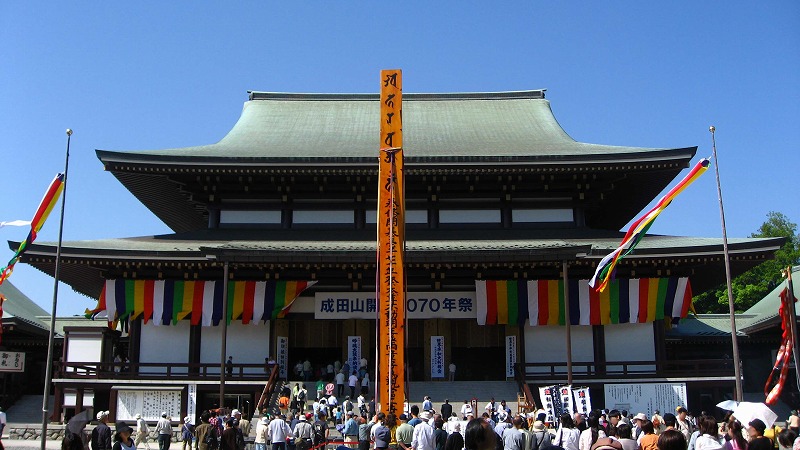 Naritasan Shinshoji Temple, one of Chiba's most significant cultural sites
Chiba Prefecture offers authentic Edo-period preservation, coastal fishing heritage, agricultural traditions, and Buddhist pilgrimage experiences distinct from Tokyo's urban intensity. Located east of Tokyo, Chiba provides day trip access to major cultural and religious sites, historic merchant towns, coastal scenery, and agricultural experiences. The region's identity has been shaped by three distinctive industries: over 1,000 years of maritime fishing culture, 400+ years of soy sauce brewing innovation, and 140+ years of premium peanut agriculture representing 85% of Japan's production. 🔗
The region's cultural identity centers on spiritual pilgrimage (Naritasan Shinshoji Temple with 1,080 years of continuous Buddhist practice), Edo-period merchant prosperity (Sawara Historic District's "Little Edo" preservation), prestigious Shinto heritage (Katori Jingu's imperial-level "Jingu" designation), and culinary innovation (Choshi's pioneering role in developing koikuchi shoyu that transformed Japanese cuisine). These attractions provide authentic cultural experiences away from Tokyo's tourist circuits while remaining easily accessible via train. 🔗
Key Districts & Areas
Narita Area: Home to Naritasan Shinshoji Temple (10+ million annual visitors) and historic Omotesando Street with traditional unagi restaurants and shops. 🔗
Sawara Historic District: "Little Edo" UNESCO heritage site with preserved merchant houses along canal, featuring Ino Tadataka Museum and traditional boat tours. 🔗
Katori Area: Spiritual hub centered on Katori Jingu shrine with prestigious "Jingu" designation and ancient cedar forests. 🔗
Choshi Peninsula: Easternmost Kanto point with dramatic Byobugaura Cliffs, historic lighthouse, and active fish market. 🔗
Boso Peninsula: Agricultural and coastal region featuring Mother Farm, Mount Nokogiri's stone Buddha, and traditional fishing culture. 🔗
Food Culture
Unagi (Eel): Narita's signature dish raised in nearby Inbanuma Lake, served at historic Omotesando Street restaurants with traditional grilling techniques. 🔗
Namerou & Sangayaki: Boso Peninsula fisherman's ingenious dishes born from practical maritime needs - namerou uses miso instead of soy sauce (which would spill in rough seas), while sangayaki evolved when fishermen carried the mixture in abalone shells to mountain huts. These dishes embody over 1,000 years of cooperative fishing culture shaped by the convergence of Kuroshio and Oyashio currents. 🔗
Soy Sauce Products: Choshi's 400-year brewery heritage revolutionized Japanese cuisine when Higeta's 1697 wheat innovation created koikuchi shoyu, transforming Edo-period cooking. Yamasa (founded 1645) received Tokugawa Shogunate's "Highest Grade" designation, while both breweries maintain traditional moromi fermentation using proprietary koji strains passed through generations. 🔗
Chiba Peanuts: Premium peanut varieties using traditional "bocchi" field-drying techniques for 3-4 weeks in autumn winds, representing 85% of Japan's production from volcanic ash soil cultivation since 1876. The region's peanut culture includes premium varieties like Chiba Handachi (intensely flavorful, difficult cultivation) and traditional rakkasei-miso (peanut miso paste served in school lunches). 🔗
Fresh Seafood: Choshi Fish Market (Wosse 21) offers fresh-off-the-boat catches including kinmedai (golden eye snapper) and tuna auctions. 🔗
Day Trips from Tokyo
Naritasan Shinshoji Temple: 1.5-hour train journey to experience 1,080-year Buddhist pilgrimage site with daily Goma Fire Ritual and autumn foliage. 🔗
Sawara Historic District: 2-hour journey to "Little Edo" merchant town with preserved architecture, canal boat tours, and traditional dining. 🔗
Katori Jingu Shrine: 2.5-hour journey to prestigious imperial shrine with martial arts heritage and ancient cedar forests. 🔗
Mount Nokogiri: Full-day excursion to see 31-meter stone Buddha, dramatic "Hell Peek" viewpoint, and Tokyo Bay views. 🔗
Choshi Peninsula: Full-day trip combining Cape Inubo lighthouse, Byobugaura Cliffs, fish market, and soy sauce breweries. 🔗
Day Trip Transportation & Planning
From Shibuya/Tokyo to Major Destinations
Narita Area (Naritasan Temple, Omotesando Street):
- Narita Express from Shibuya: Direct service, 1 hour 15 minutes, 3,250 yen one-way (fully covered by JR Pass). 🔗
- Budget Option: Shibuya → Tokyo Station (Yamanote) → Narita (Sobu Rapid), 1.5-2 hours, ~1,400 yen (fully covered by JR Pass).
- Day Trip Timing: Depart 7:00-8:00 AM, return by 5:00-6:00 PM.
Sawara Historic District & Katori Jingu:
- Route: Shibuya → Tokyo Station → Narita → Sawara (JR Narita Line), total ~2 hours. 🔗
- Cost: 1,660-1,690 yen one-way from Tokyo (fully covered by JR Pass).
- Local Bus: Sawara to Katori Jingu 15 minutes, 300 yen, or taxi 10 minutes ~2,000 yen. 🔗
- Day Trip Timing: Depart 7:00-8:00 AM, return 5:00-6:00 PM. Full day needed for both.
Mount Nokogiri:
- Limited Express Sazanami (Fastest): Tokyo → Kimitsu → Hamakanaya, 1.5 hours, 2,870 yen (covered by JR Pass). 🔗
- Regular Route: Tokyo → Kisarazu → Hamakanaya, 2+ hours, 1,980 yen (covered by JR Pass).
- Station to Ropeway: 10-minute walk from Hamakanaya Station. 🔗
- Day Trip Timing: Depart 7:00-8:00 AM, allow 4-5 hours for mountain visit, return 4:00-5:00 PM.
Choshi (Fish Market, Breweries, Cape Inubo):
- Limited Express Shiosai (Recommended): Tokyo → Choshi, 1 hour 50 minutes, 6,620 yen (covered by JR Pass with reserved seats). 🔗
- Budget Option: Local trains 2.5 hours, ~2,500-3,000 yen (covered by JR Pass).
- Yamasa/Higeta Breweries: Walking distance from Choshi Station (7-14 minutes). Both breweries 14-minute walk apart. 🔗
- Day Trip Timing: Depart 7:00-8:00 AM on Shiosai, return 5:00-6:00 PM. Full day needed for market, breweries, and Cape Inubo.
Mother Farm:
- Route: Tokyo → Chiba → Kimitsu (JR Uchibo Line), 1.5 hours by train (covered by JR Pass). 🔗
- Bus Connection: Free shuttle (35 min, requires advance reservation +81-439-37-3211) or regular bus every 2 hours. 🔗
- Day Trip Timing: Depart 7:00 AM, arrive farm 9:30-10:00 AM, return 4:00-5:00 PM. Full day needed.
Sakura (Samurai Heritage):
- Route: Tokyo → Chiba → Sakura (JR Sobu Line), ~50 minutes (covered by JR Pass). 🔗
- Day Trip Timing: Depart 8:00-9:00 AM, return 4:00-5:00 PM. Half to full day depending on museum depth.
- Combination: Easy to combine with Narita (both on Sobu/Narita lines).
Southern Boso (Tateyama):
- Limited Express Sazanami: Tokyo → Tateyama, 1 hour 52-55 minutes (covered by JR Pass, mainly during busy periods). 🔗
- Regular Route: Tokyo → Kimitsu → Tateyama, 2+ hours (covered by JR Pass).
- Day Trip Feasibility: Possible but early departure/late return required. Better as overnight.
Umihotaru PA (Tokyo Aqua-Line):
- Access: Car rental only - no public transit to parking area. 🔗
- Toll: 3,140 yen cash / 2,320 yen ETC / 1,000 yen ETC weekend discount. 🔗
JR Pass Coverage & Value Analysis
Fully Covered Routes:
- Narita Express, JR Sobu Line (all services), JR Narita Line, JR Uchibo Line
- Limited Express Shiosai (Tokyo-Choshi), Limited Express Sazanami (Tokyo-Tateyama)
NOT Covered:
- Keisei Skyliner (private railway), Choshi Electric Railway, local buses, Tokyo Bay Ferry, highway tolls
JR Pass Value for Chiba Only: For Chiba day trips alone, the JR Pass is NOT cost-effective. 🔗 The 7-day pass costs 50,000 yen (7,142 yen per day). You would need multiple expensive limited express trips or combine with long-distance Shinkansen travel to justify the cost.
Better Alternative: JR Tokyo Wide Pass (10,000 yen for 3 consecutive days) offers better value for focused Chiba exploration from Tokyo base. 🔗
Advance Booking Requirements
Mandatory Reservations:
- Narita Express: Seat reservations required (no unreserved cars). 🔗
- Limited Express Shiosai: All seats reserved (no unreserved cars). 🔗
- Mother Farm Free Shuttle: Call +81-439-37-3211 at least 1 day before by 4 PM. 🔗
- Yamasa Brewery Tour: Advance booking required (+81-479-22-9809), up to 1 month ahead. 🔗
Recommended Advance Booking:
- Limited Express Sazanami for preferred times
- Weekend travel to popular destinations
No Reservation Needed:
- All local and rapid JR trains
- Sobu Line, Narita Line, Uchibo Line regular services
November 2025 Travel Considerations
Optimal Timing:
- November offers shoulder season moderate crowds and excellent travel weather.
- Weekday travel generally less crowded than weekends.
- Morning rush hour (7:00-9:00 AM) on commuter lines from Tokyo.
- Evening rush hour (5:00-7:00 PM) returning to Tokyo.
Feasible Same-Day Combinations:
- Narita + Sakura (both on Sobu/Narita lines, half day each)
- Sawara + Katori Jingu (naturally paired, full day)
NOT Recommended Same-Day:
- Choshi + other destinations (too far, needs full day)
- Mother Farm + other destinations (full day needed)
- Tateyama + northern Chiba (opposite directions)
Weather & Seasonal Considerations
November Climate (November 9-18, 2025)
Temperature & Conditions: Average temperatures range from 17°C (63°F) highs to 9°C (49°F) lows, with November described as cool and moderately pleasant. 🔗 🔗 November brings approximately 67mm precipitation over 12.5 days, with 71% average humidity. The weather is generally dry and mild, making it one of the most pleasant months for travel in Japan with comfortable conditions and spectacular autumn colors. 🔗 Chiba experiences relatively mild weather even in winter, and the colder season brings some of the clearest skies of the year. 🔗
Daylight Hours (November 9-18): Sunrise ranges from 6:10-6:19 AM, with sunset occurring 4:32-4:38 PM, providing approximately 10 hours 13-28 minutes of daylight. 🔗 Temperature drops noticeably after sunset around 4:30 PM, requiring preparation for cooler evening conditions. 🔗
Coastal Conditions: The Choshi coastal area maintains similar temperatures (average 13.4°C/56°F in November), with Pacific Ocean water temperatures ranging 17-22°C (63-72°F). 🔗 🔗 Northwestern winds from the Pacific create brisk conditions requiring windproof layering. 🔗
Clothing Recommendations: Layering is essential, as most indoor places in Japan have heating systems. 🔗 Recommended layers include lightweight merino wool base layers, mid-weight comfortable pants, and packable lightweight jackets that fold up when exploring indoor attractions. 🔗 🔗 Bring rain protection as November averages 12.5 rain days. 🔗 Mix t-shirts/skirts/shorts for daytime with jeans and warm jackets for evenings and cooler days. 🔗
Autumn Foliage Peak Timing
Regional Timing: Late November to early December marks the peak autumn foliage period in Chiba, offering one of the last chances of the year to enjoy peak autumn beauty in eastern Japan. 🔗 The 2025 peak viewing period is expected around the usual time or later in northern and eastern Japan, meaning November 9-18 represents the early-to-mid stage of peak foliage season. 🔗
Key Viewing Locations:
- Naritasan Shinshoji Temple & Park: Approximately 250 trees (maples, ginkgos, oaks) display beautiful autumn foliage mid-to-late November, with reflections on pond surfaces creating elegant atmosphere. 🔗 The 26th Colored Leaves Festival runs November 15-30, 2025, with concerts and tea parties on weekends/holidays. 🔗
- Katori Jingu Shrine: Ginkgo, maple, and hibiscus trees display brilliant and calming colors late November to early December, with maple-lined paths to the main shrine particularly beautiful. 🔗 🔗
- Mount Nokogiri: Autumn foliage complements views of Tokyo Bay, Boso Peninsula, and Mount Fuji. 🔗
Photography Conditions: November's low sun angle creates ideal lighting for fall landscape photography. 🔗 Fast camera lenses or tripods recommended for fewer daylight hours. Natural lighting best before 4:30 PM sunset. 🔗 Naritasan areas around the Calligraphy Museum and Ryuchi Pond provide particularly picturesque spots with pond reflections. 🔗
Mount Fuji Viewing Probability
November offers 57% likelihood of seeing Mount Fuji, transitioning from autumn to winter with increasingly clear conditions. 🔗 Morning viewing (especially 6-8 AM) provides the best bet at 52% chance. 🔗 November through February brings crisp air, clearer skies, and sharper distinct views as moisture and particles decrease. 🔗 🔗
Prime Viewing Locations in Chiba:
- Mother Farm (Mount Kano): Elevated position offers magnificent views of Boso mountains, Tokyo Bay, and Mount Fuji. 🔗
- Mount Nokogiri: 329.5-meter elevation with western-facing viewpoints encompassing Tokyo Bay, Boso Peninsula, and Mount Fuji. 🔗
- Cape Inubo & Coastal Areas: Open horizons may provide distant Mount Fuji views on exceptionally clear November mornings.
Snow Coverage: Mount Fuji typically has snow cap late November to early May. 🔗 Mid-November may feature partial snow coverage, with more complete coverage developing through the month. Optimal photography during 6:00-7:00 AM golden hour when visibility peaks. 🔗
Crowd Levels & Tourism Patterns
Shoulder Season Benefits: September to November is considered optimal visiting period for Chiba, with November featuring less tourists, reasonable hotel rates, and last-minute availability. 🔗 🔗 November is described as one of the most favorable shoulder season months with fewer crowds, better accommodation availability, and pleasant autumn weather. 🔗
Shichi-Go-San Impact (November 15, 2025 - Saturday): Shichi-Go-San (seven-five-three) is observed on November 15 when five-year-old boys and three- and seven-year-old girls visit shrines to pray for health and prosperity. 🔗 Since November 15, 2025 falls on a Saturday, major shrines like Naritasan Shinshoji Temple and Katori Jingu Shrine will experience increased family visits with children in traditional kimono, creating photogenic scenes but larger crowds. Families often schedule visits on weekends before or after the actual date. 🔗
Naritasan Colored Leaves Festival (November 15-30): Weekend visits during the festival feature musical performances (koto, shakuhachi, erhu) at Ukimido pavilion and free tea ceremonies at Sekishoan teahouse. 🔗 Over 10,000 visitors per day during peak foliage with traffic restrictions on Saturdays, Sundays, and public holidays. 🔗 Weekdays or early morning/late afternoon offer fewer crowds than midday. 🔗
Seasonal Specialties & Events
Peanut Harvest Season: Chiba accounts for 80% of domestic peanut harvest, with September-November harvest season. 🔗 🔗 "Bocchi" (piles of harvested peanuts air-drying) becomes an autumn symbol in Yachimata peanut producing areas. 🔗 Raw shelled peanuts available through November at Ibaraki and Chiba shops, though raw peanuts in shell become harder to find after mid-October. 🔗 Boiled peanuts (yude-rakkasei) traditionally available only during harvest season September-November. 🔗
November Seafood at Choshi Fish Market: Autumn is prime season as fish fatten up for winter. 🔗 Sanma (Pacific saury): Most representative autumn fish, with Choshi port particularly known for harvesting sanma as summer transitions to fall. 🔗 🔗 Katsuo (bonito): Especially fatty and juicy mid-September to early November. 🔗 Saba (mackerel): "Autumn mackerel" at peak fat content, commonly pickled (shime-saba) or grilled. 🔗 Sea Bream (madai/chidai): October-November prime season. 🔗 Crab: Various types including snow crab and king crab. 🔗 Gurnard: "Choshi offing gurnard" season begins late November through March. 🔗 Kinmedai: Year-round availability with consistent quality.
Mother Farm Autumn Events: "Piglet Race for Adults" held weekdays October 1 to November 21, 2025, allowing adults to participate in races typically reserved for children. 🔗 Event concludes November 21, covering most of the November 9-18 visit window. Location: 940-3 Tagura, Futtsu City, 35 minutes by bus from JR Kimitsu Station. Admission: Adults (junior high+) 1,800 yen, Children (4 years-6th grade) 900 yen. 🔗
Operational Adjustments: Mount Nokogiri shifts to winter hours 9 AM-4 PM starting November 16, 2025, requiring earlier arrival for full exploration. 🔗
Location: View on Google Maps
Cultural & Historic Sites
- Cape Inubo & Byobugaura Cliffs - Natural scenic beauty, historic lighthouse, geological formation
- Higeta Soy Sauce Brewery (Choshi) - Historical Brewery & Industrial Heritage
- Katori Jingu Shrine - Jingu Shrine (Imperial Shinto Shrine), Martial Arts Heritage Site
- Mother Farm - Agricultural Theme Park
- Sakura Samurai Heritage - Historic Samurai District & National Museum
- Sawara Historic District - Historic Preservation District, UNESCO Heritage
- Tateyama Castle & Southern Boso - Historical Reconstruction & Natural Marine Ecosystem
- Yamasa Soy Sauce Brewery - Historic Brewery / Cultural Experience
Temples & Shrines
- Mount Nokogiri - Buddhist temple complex, natural scenic beauty
- Naritasan Shinshoji Temple - Buddhist Temple, Pilgrimage Site
Traditional Experiences
- Naritasan Omotesando Street - Traditional shopping street, culinary experience
- Sawara Traditional Dining - Culinary Experience - Traditional Canal-Side Dining
Natural & Scenic
- Umihotaru PA (Kisarazu) - Engineering marvel / Observation point
Culinary Experiences
- Chiba Peanut Specialties - Culinary Shopping Experience
- Choshi Fish Market (Wosse 21) - Fish Market & Culinary Experience
- Namerou & Sangayaki - Regional Culinary Tradition
Generated from research: destinations/chiba.md
📍 Attraction Map
Click on any pin to visit the attraction's detail page