About
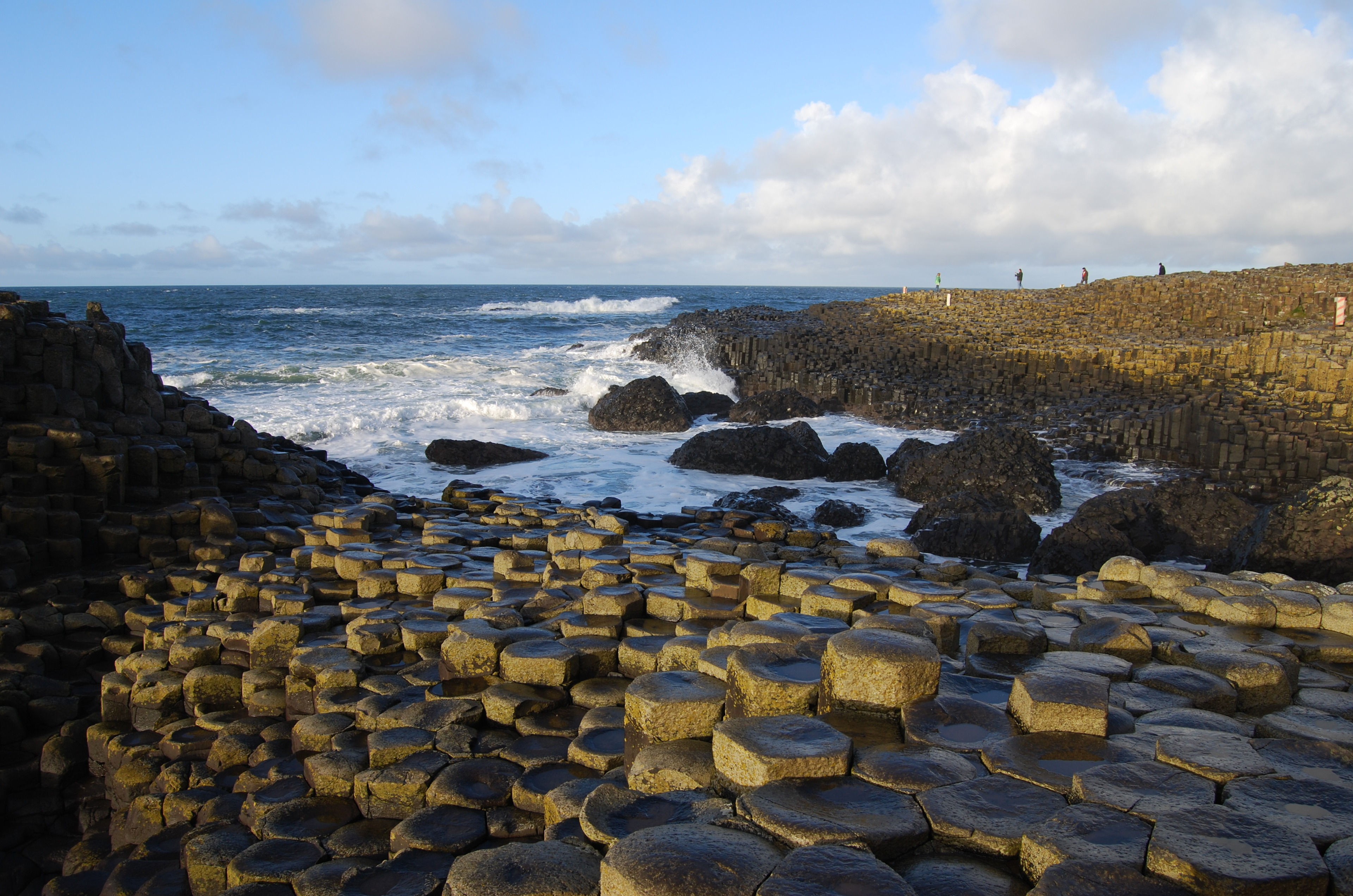 Representative volcanic basalt rock formations similar to Izu Oshima's coastline
Akinohama Beach (秋の浜, Aki-no-hama) is Izu Oshima's premier diving destination and most famous beach-entry dive site. Located on the volcanic island 120km south of Tokyo, it stands out as a comprehensive underwater experience offering diverse marine environments from shallow boulder fields to deep walls. 🔗 The site's comprehensive facilities, easy beach entry system with installed ladders, and exceptional marine biodiversity make it accessible to divers of all skill levels while maintaining appeal for experienced underwater photographers. 🔗
Akinohama represents the pinnacle of Izu Oshima's 100% beach-entry diving culture, offering a rare combination of accessibility and underwater diversity that rivals or even surpasses many boat-access sites in quality. 🔗 The site's volcanic origin creates a maze-like underwater landscape of lava formations colonized by soft corals and sea fans, earning it the designation as part of an "Underwater Geopark." 🔗
Cultural & Geological Significance
As the most popular of Izu Oshima's six beach diving spots, Akinohama enjoys strong support from repeat visitors who appreciate its versatile terrain. 🔗 The beach offers everything a diver could ask for: boulder fields, sandy bottoms, slopes, walls, and deep areas, all accessible through a convenient ladder entry system. 🔗 A jetty made of rocks and concrete advances into the sea, providing two easy entry points where divers can jump from either side, with two ladders available for comfortable exits. 🔗
The site's location on a volcanic island surrounded by black sand beaches creates unique underwater topography. 🔗 The Kuroshio Current from the south hits the island directly, providing consistently high water temperatures, excellent visibility year-round, and a rich variety of marine life. 🔗
What distinguishes Akinohama from typical boat dives is the extended underwater time permitted by beach diving—often 40 to 50 minutes per dive without the time constraints of boat schedules. 🔗 Divers can explore at a relaxed pace without battling strong currents, making the site particularly suitable for macro photography and detailed observation of marine life. 🔗
Visiting Information
Operating Hours: Open year-round for diving (swimming season features additional facilities)
Admission: Beach access free; diving shop services and equipment rental fees vary by provider
- Snorkeling reference price: ¥11,500 per adult including equipment rental, pick-up, and lecture 🔗
- Experience diving available from age 10+ with one-on-one instructor guidance 🔗
Access:
- From Motomachi Port: Approximately 30-40 minute bicycle ride 🔗
- From Okada Port: Located close to Okada Port for convenient access 🔗
- Parking lot available: Adjacent to beach facilities
- From Tokyo/Shibuya: 2-hour high-speed ferry or 25-minute flight to Oshima Island
Facilities:
- Showers located next to parking lot 🔗
- Toilets and changing facilities adjacent to parking area 🔗
- Storage facilities at diving centers 🔗
- Picnic facilities available 🔗
- Two entry/exit ladders on concrete jetty 🔗
- Larger beach area compared to other island spots 🔗
- Pool facility in the same area 🔗
Equipment Rental:
- Wetsuits and drysuits available for rent 🔗
- Full diving equipment available through multiple diving centers
- Equipment for children available for family diving 🔗
- Note: Equipment rental fees typically separate from base diving prices
Current Status: Operational year-round with comprehensive diving center infrastructure
The Akinohama Diving Experience
Underwater Terrain Exploration
The volcanic origin of Akinohama creates exceptional topographic diversity within a single beach entry site. Divers can explore boulder fields created by ancient lava flows, transition to sandy bottoms perfect for spotting macro subjects, and follow slopes down to dramatic walls and deep areas. 🔗 The lava coast entry point leads to a maze-like diving path that showcases the site's designation as an "Underwater Geopark." 🔗
Marine Life Encounters
Akinohama's position in the Kuroshio Current creates exceptional biodiversity from macro subjects to large pelagic species:
November Highlights:
- Thresher sharks (50% encounter chance on overcast days in October-November) 🔗
- Abundant tropical fish carried by southern currents 🔗
Year-Round Species:
- Incredible variety of nudibranchs visible on every dive 🔗
- Shrimps, crabs, and squid 🔗
- Sea horses and frogfish 🔗
- Japanese angelfish and Japanese bullhead shark 🔗
- Moray eels and lionfish 🔗
- Rare and unusual marine creatures 🔗
Seasonal Transitions:
- Winter seafloor transformation with purple-hued Kagikenori seaweed blanketing the ocean floor 🔗
Macro Photography
Akinohama excels as a macro photography destination with extended bottom times allowing detailed observation and photography. 🔗 The incredible number of different nudibranchs, combined with the site's relaxed pace and lack of strong currents, creates ideal conditions for close-up underwater photography. 🔗
Beginner-Friendly Diving
The installed ladder entry system and shallow water areas make Akinohama accessible even for novice divers. 🔗 Experience diving programs available from age 10+ offer one-on-one instructor guidance, with all necessary equipment provided. 🔗 The site's designation as satisfying "a wide range of people from beginners to veterans" reflects its versatile appeal. 🔗
Practical Visiting Tips
November-Specific Considerations
Thermal Protection Mandatory: November falls squarely in drysuit season (November-April) for Izu area diving. 🔗 Water temperatures of 50-60°F (11-17°C) make drysuit use essential for comfort and safety. While 7mm wetsuits are technically possible, surface temperatures in high 30s-low 40s°F (3-8°C) make surface intervals extremely uncomfortable without dry thermal protection. 🔗
Water Temperature: 50-60°F (11-17°C), requiring drysuit for comfort 🔗
Visibility: Excellent year-round due to Kuroshio Current 🔗
Marine Life Highlights:
- Peak season for thresher shark encounters (50% chance on overcast days) 🔗
- Autumn abundance of tropical fish 🔗
- Beginning of winter seafloor transformation with seaweed growth 🔗
Weather Considerations:
- Overcast days increase thresher shark encounter probability 🔗
- Surface temperatures high 30s-low 40s°F (3-8°C) 🔗
- Drysuit essential for thermal comfort in and out of water 🔗
Crowds: Less crowded than summer swimming season; primarily serious divers
Best Diving Strategies
Maximize Thresher Shark Encounters:
- Schedule dives on overcast, cloudy days when sharks are more active 🔗
- October and November offer peak encounter windows 🔗
Optimize Dive Time:
- Take advantage of beach diving's extended 40-50 minute bottom times 🔗
- No boat schedule constraints allow relaxed exploration
- Explore varied depths from shallow to deep within single dive
Equipment Considerations:
- Book drysuit rental in advance for November diving 🔗
- Bring or rent macro photography equipment to capture nudibranchs 🔗
- Ensure thermal underlayers for drysuit comfort in cool surface conditions
Money-Saving Options
- Compare diving center packages—some include equipment, others charge separately
- Snorkeling offers lower-cost introduction (¥11,500 vs. full diving) 🔗
- Multi-dive packages often provide better value than single dives
- Ferry from Atami (45 minutes) may be more economical than longer routes 🔗
Local Etiquette
- Respect the two-ladder entry/exit system—don't crowd exit points 🔗
- Maintain buoyancy control to protect soft corals and lava formations 🔗
- Use provided facilities (showers, toilets) to maintain beach cleanliness
- Book diving services in advance, especially for equipment rental
Photography Recommendations
- Bring macro lens setup—nudibranchs present on every dive 🔗
- Wide-angle for volcanic topography and lava formations 🔗
- Utilize extended 40-50 minute dives for multiple photo opportunities 🔗
- Excellent natural light with year-round good visibility 🔗
Safety Precautions
Weather-Dependent Ferry Service: Winter weather conditions may affect ferry reliability. Confirm service and have backup dates if possible, especially if traveling from Tokyo as a day trip.
Shark Encounter Expectations: While November offers peak thresher shark season, the 50% encounter rate on overcast days means success is not guaranteed. 🔗 Plan dives with appreciation for the exceptional macro life and volcanic topography as primary attractions, treating shark encounters as bonus experiences.
Beginner Limitations: Despite beginner-friendly infrastructure, November's drysuit requirement may present challenges for inexperienced divers unfamiliar with drysuit operation. First-time divers should consider guided experience diving with one-on-one instruction. 🔗
Equipment Rental Availability: Pre-book drysuit rentals, as demand may be higher in shark season and availability more limited than summer wetsuit season. Contact diving centers directly for current equipment rental pricing and availability.
Connections with Other Locations
Izu Islands Diving Circuit: Akinohama serves as the premier diving site within Tokyo's Izu Islands, offering the most accessible beach diving from the capital. 🔗 Its position as the closest and largest island (91.06 km²) makes it the natural first stop for divers exploring the archipelago. 🔗
Tokyo Day Trip Integration:
- 2-hour ferry from Tokyo enables same-day diving experiences 🔗
- 25-minute flight option for time-limited visitors
- Combine with Mt. Mihara hiking or onsen visits for full-day island exploration
- Overnight stay enables multiple dive sessions and thresher shark optimization
Volcanic Island Context: Akinohama's underwater landscape connects directly to the island's volcanic heritage, with the 1986 Mt. Mihara eruption having shaped both terrestrial and marine environments. 🔗 The lava formations visible underwater mirror the island's dramatic volcanic topography above sea level.
Other Oshima Dive Sites:
- Nodahama Beach: Features lava arch landmark; most popular overall diving spot on island 🔗
- Toshiki Beach: Sheltered "nature's pool" at southern tip; ideal for beginners and solo swimming with shallow calm waters 🔗
- Keikai: Complex volcanic topography site 🔗
Island Attractions:
- Mt. Mihara volcanic crater (758m active volcano) 🔗
- Ura-Sabaku (Japan's only desert) 🔗
- Seaside onsen (Hama-no-Yu, Oshima Onsen Hotel)
- Camellia culture sites (seed harvesting season in November)
- Black sand beaches (Kobohama, Noda-hama) 🔗
Location: View on Google Maps
Source: attractions/ooshima/akinohama-beach.md