
About
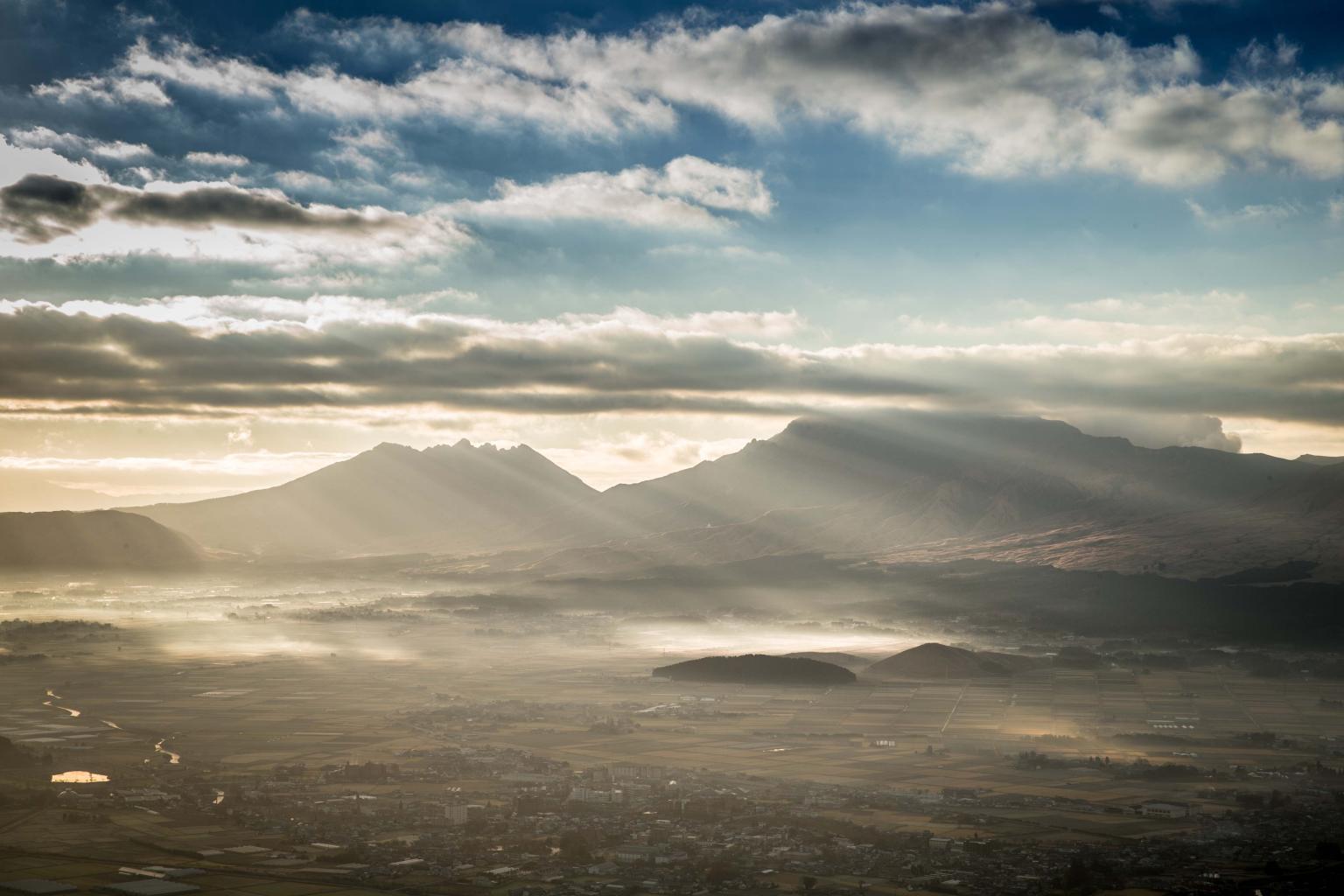 Panoramic view from Daikanbo showing the five peaks of Mount Aso across the vast caldera. Photo courtesy of Kumamoto Prefecture Tourism 🔗
Daikanbo, literally meaning "panorama ridge" or "great view peak," stands as the most spectacular viewpoint in the entire Aso region. Originally known as "Toumigahana" (literally "See far nose"), it served for centuries as a strategic observation point for the ancient Aso clan. The location's significance was formally recognized in 1932 when renowned journalist Soho Tokutomi visited and was so impressed by the magnificent scenery that he renamed it "Daikanbo." 🔗
Located at the northern rim of one of the world's largest calderas, Daikanbo provides the definitive vantage point for understanding the immense scale of Mount Aso's volcanic landscape. The caldera itself measures 25 kilometers north-south and 18 kilometers east-west, with a circumference of approximately 120 kilometers, formed through four massive eruptions spanning 90,000 to 300,000 years ago. 🔗
The viewpoint's most celebrated feature is the "Nehanzo" or "Sleeping Buddha" formation - the distinctive silhouette created by the five central peaks (Mount Nekodake, Mount Takadake, Mount Nakadake, Mount Eboshidake, and Mount Kishimadake) resembling the recumbent form of Buddha entering nirvana. Mount Nekodake forms the face, Mount Takadake the chest, and Mount Nakadake the belly of this sacred profile. This cultural interpretation adds profound spiritual significance to the natural grandeur, connecting volcanic geology with Buddhist symbolism. 🔗
Part of Aso-Kuju National Park, Daikanbo sits at 936 meters above sea level, making it the highest observation point along the outer mountain ring. From this elevation, visitors witness not only the five central Aso peaks but also the towering Kuju Mountains in neighboring Oita Prefecture, creating a 360-degree panorama that encompasses multiple mountain ranges, vast grasslands, agricultural valleys, and scattered rural communities. 🔗
Visiting Information
Getting There from Kumamoto City
By Car (Recommended):
- Distance: 34 miles (approximately 55 km)
- Drive time: 55 minutes via Route 57 and the Milk Road (Route 45)
- GPS coordinates: 32.9982499, 131.0709722
- Free parking available for 500 cars 🔗
- From parking area to observation deck: 7-15 minute walk uphill
By Public Transportation: From Kumamoto to Aso Station:
- Limited Express Train: 70 minutes, approximately 2,000-3,000 yen one way, operates every three hours 🔗
- Local Train: 100 minutes, 1,300 yen one way, almost hourly service with one transfer at Higo-Ozu Station
- Highway Bus: Two types available - "Yamabiko" services (every 2-3 hours) and "Kyushu Odan" services (three times daily), approximately 2 hours, 1,530 yen 🔗
From Aso Station to Daikanbo:
- Local bus to Camp Village Iriguchi: Approximately 35 minutes, 550 yen, line 7 bound for Tsuetate, departing from platform C 🔗
- Taxi: Approximately 20 minutes from Aso Station
New Aso Tour Bus (2025): Beginning January 2025, the "Aso Tour Bus" operates from Aso Kumamoto Airport:
- Departs: 10:10 from Aso Kumamoto Airport
- Stops: 10:50 at Aso Station
- Arrives: 11:20 at Daikanbo Observatory
- Duration at Daikanbo: 40 minutes (11:20-12:00) 🔗
From Uchinomaki Onsen Area
- Distance: Approximately 20 minutes by car
- Public transportation: Local bus or taxi available
Operating Information
Hours:
- Visitor center and main parking: 9:00 AM - 5:30 PM daily 🔗
- Observation deck access: 24 hours (secondary parking available outside gated area for after-hours visits)
- Contact: +81-967-34-1600
Admission:
- Free access to viewing platform 🔗
Best Time to Visit:
- Optimal season: Autumn (September-November), with November being peak season for the sea of clouds phenomenon 🔗
- Time of day: Early morning around sunrise (approximately 6:00 AM) for the best unkai viewing and lighting conditions 🔗
- For photography: Sunrise or sunset for dramatic lighting; early morning through 9:00 AM for sea of clouds visibility
Typical Duration:
- Minimum visit: 30-40 minutes (walk to viewpoint and basic viewing)
- Recommended: 1-2 hours (includes time for photography, facility exploration, and extended viewing)
- Extended visit: 2+ hours for those interested in stargazing or multiple viewing times
Current Status:
- Fully operational as of 2025 🔗
- Mount Aso crater viewing restrictions lifted as of July 25, 2025 (complementary attraction)
The Viewing Experience
The "Sleeping Buddha" (Nehanzo) View
The primary attraction is the breathtaking silhouette of Mount Aso's five peaks forming the image of a recumbent Buddha. This grand view, known as the Nehan-zo or Nirvana Buddha, references the sacred image of Buddha in peaceful repose. The formation becomes particularly dramatic when combined with seasonal atmospheric conditions. 🔗
Unkai (Sea of Clouds) Phenomenon
November visitors have exceptional opportunities to witness the spectacular "unkai" - a sea of clouds that fills the caldera valley, making the five peaks appear to float ethereally above a white ocean. This phenomenon occurs under specific conditions: clear skies, low humidity, no wind, and dramatic temperature differences between night and morning. The period from late October through November provides the highest likelihood of experiencing this natural wonder. Optimal viewing occurs from sunrise (approximately 6:00 AM) until about 9:00 AM, with the moments just before sunrise being particularly divine. 🔗
360-Degree Panoramic Views
Beyond the famous five peaks, Daikanbo offers comprehensive views encompassing:
- The vast Aso caldera floor with its patchwork of rice fields and agricultural land
- Clusters of rural buildings and communities nestled within the caldera
- The Kuju Mountain Range rising in Oita Prefecture to the north
- The outer rim mountains forming the caldera walls
- Expansive grasslands covering the mountainsides, particularly beautiful when silvery miscanthus grass (susuki) blooms in autumn 🔗
Stargazing
Daikanbo's high elevation, minimal light pollution, and unobstructed views make it an exceptional location for astronomical observation. The visitor facilities remain accessible after dark through secondary parking areas, allowing visitors to experience the night sky above the caldera. 🔗
On-Site Facilities
Restaurant and Souvenir Shop:
- Operating hours: Within visitor center hours (9:00 AM - 5:00 PM)
- Features local Aso region products and refreshments
- Restaurant suitable for meals and break times
Rest Facilities:
- Free restrooms located behind the visitor center
- Vending machines available near parking area
- Gift shop with regional souvenirs and snacks 🔗
November Visit Considerations
Seasonal Conditions
November Weather Conditions:
- Daytime temperatures: Likely below 10°C at this elevation
- Nighttime/early morning: Near 0°C, especially for sunrise viewing
- Weather patterns: Clear mornings more common; afternoon clouds may develop
- Visibility: Generally excellent in autumn, though weather-dependent 🔗
Optimal Conditions for Early November: November 1st falls within the prime window (mid-October through late November) for witnessing the sea of clouds phenomenon. The dramatic day-night temperature variations characteristic of early November create ideal conditions for unkai formation. Early morning visits (5:30-6:00 AM arrival) maximize the chances of experiencing this spectacular natural phenomenon. 🔗
Autumn Landscape Features:
- Wilted yellow grasslands create distinctive golden-hued scenery
- Silvery miscanthus grass (susuki) covering mountainsides
- Clear, crisp air providing exceptional visibility on fair weather days
- Potential for dramatic cloud formations throughout the day 🔗
Photography Conditions
November Sunrise:
- Approximate sunrise time: 6:30-6:45 AM (verify specific date)
- Golden hour lighting: 6:00-7:30 AM
- Best positioning: Eastern side of viewing platform for sunrise shots; western side for silhouette shots of the five peaks against dawn sky
Recommended Photography Times:
- Pre-dawn through 9:00 AM: Sea of clouds and sunrise lighting
- Late afternoon (4:00-5:30 PM): Golden hour lighting on the five peaks
- After dark: Starry sky photography (requires tripod; arrive before 5:30 PM to secure parking)
Lighting Conditions: The early morning sun casts stunning colors and shadows across the caldera, with the reds, oranges, and golden hues blending beautifully with the autumn grasslands. Late afternoon provides similar dramatic lighting opportunities. 🔗
Crowd Management
November Crowd Levels: November brings increased visitor numbers due to optimal viewing conditions, but Daikanbo rarely experiences overwhelming crowds due to its size and capacity. Early morning visits (before 8:00 AM) offer the most peaceful experience with the best photography opportunities. Weekdays are generally less busy than weekends. 🔗
Parking Strategy: Arrive early for morning visits as the 500-space parking area can fill during peak viewing times on clear weather days. The observation deck remains accessible even when the main gated parking closes at 5:30 PM through secondary parking areas. 🔗
Practical Visiting Tips
Essential Preparation
Cold Weather Clothing (Critical for November):
- Multiple warm layers including fleece or insulated mid-layers
- Windproof and waterproof outer jacket (wind can be fierce at 936m elevation)
- Warm hat, gloves, and scarf
- Thermal undergarments for early morning visits
- Sturdy, warm, waterproof walking shoes with good grip for the uphill path 🔗
Recent November 2024 visitors specifically noted that conditions can be "super cold and windy" at this elevation, making appropriate clothing essential for comfort and safety. 🔗
Photography Equipment:
- Wide-angle lens for capturing the full caldera panorama
- Telephoto lens for detailed shots of individual peaks
- Tripod for sunrise/sunset photography and long exposures
- Filters: Polarizing filter to enhance sky and reduce haze; graduated neutral density filter for sunrise/sunset
- Extra batteries (cold weather reduces battery life significantly)
- Lens cloth (morning moisture/mist may affect optics)
Weather Monitoring: Check weather forecasts carefully before visiting. Clear skies are essential for optimal visibility and sea of clouds viewing. The viewing experience differs dramatically between clear and cloudy conditions, with some visitors reporting that clouds obscured the five peaks entirely on overcast days. 🔗
Best Photo Spots
Main Observation Deck: The primary viewing platform offers unobstructed 360-degree views and provides the iconic Sleeping Buddha composition. This elevated platform is specifically designed for optimal viewing and photography. 🔗
Alternative Vantage Points: The area around the Daikanbo bus stop also offers wonderful views of the sea of clouds and different perspectives on the caldera. Walking along the accessible paths near the main platform reveals varied compositions and foreground elements. 🔗
Money-Saving Options
- Free admission to observation area
- Free parking (500-car capacity)
- Bring snacks and beverages if visiting during restaurant closure hours
- Self-guided exploration requires no additional fees
Cultural Etiquette
General Behavior:
- Maintain reasonable noise levels, especially during early morning visits when others are experiencing the serene atmosphere
- Be mindful of other photographers when positioning for shots
- Keep pathways clear and safe for all visitors
- Use designated trash receptacles and follow carry-in/carry-out principles
Photography Etiquette:
- Don't monopolize prime viewing positions; allow others to experience and photograph the views
- Be aware of your tripod placement to avoid blocking pathways
- Respect the natural environment; don't venture off designated paths
Weather and Seasonal Preparation
Early Morning Considerations: Mornings in Aso can be "quite chilly" in November, making layered clothing essential. The temperature difference between parking area and observation deck can be significant due to wind exposure. Dress in layers to adapt to changing conditions throughout your visit. 🔗
Visibility Factors: While November generally offers excellent visibility, rainy days can severely hamper views. The autumn season brings more stable weather patterns than other times of year, but always have a backup plan. Consider checking real-time conditions through local weather services or tourism information centers before making the journey. 🔗
Accessibility Considerations
The walk from the parking area to the observation deck involves an uphill slope that takes 7-15 minutes. This may present challenges for elderly visitors or those with mobility limitations. The path is paved but relatively steep in sections, and there is no wheelchair-accessible alternative route mentioned in official sources. Visitors with mobility concerns should plan accordingly and allow extra time. 🔗
Integration with Other Locations
As Part of Mount Aso Exploration
Daikanbo functions ideally as the first stop in a comprehensive Mount Aso itinerary, providing contextual understanding of the caldera's scale before descending to explore interior locations like Kusasenri and Nakadake Crater. The elevated perspective helps visitors comprehend the geological forces that shaped this remarkable landscape.
Route Planning
Circular Route Recommendation:
- Early morning start at Daikanbo (sunrise/sea of clouds viewing)
- Descend to Kusasenri-ga-hama (mid-morning grassland exploration)
- Continue to Nakadake Crater (late morning crater viewing)
- Return via Milk Road with stops at scenic viewpoints
This circular route provides multiple perspectives on the Aso volcanic system, from panoramic overlook to ground-level grasslands to active volcanic features.
Integration with Kumamoto City Base
Daikanbo makes an excellent day trip from Kumamoto City (55 minutes by car, 90-150 minutes by public transportation). The location works well as either:
- A standalone morning excursion (return by midday)
- Part of a full-day Mount Aso exploration including multiple sites
- An overnight trip combined with accommodation in the Aso region
Nearby Attractions
Kusasenri-ga-hama Grassland: Distance: Approximately 15-20 minutes by car from Daikanbo
Kusasenri is an expansive highland grassland at 1,130 meters elevation, formed by two volcanic craters between Mount Eboshidake and Mount Kishimadake. The grasslands cover 785,000 square meters and feature two scenic ponds. This location provides ground-level views within the caldera, complementing Daikanbo's elevated rim perspective. 🔗
Nakadake Crater: Distance: Approximately 5 minutes by bus from Kusasenri; overall about 20-25 minutes from Daikanbo
The active crater of Mount Nakadake offers close-up views of volcanic activity, with steaming vents and the opportunity to peer into the crater itself (when conditions permit). As of July 25, 2025, the no-entry zone around Mount Aso's crater was lifted, allowing visitors to experience this powerful geological feature again (subject to temporary restrictions based on gas levels and weather conditions). 🔗
Aso Shrine: Distance: Approximately 20-25 minutes from Daikanbo
One of Kumamoto's most important Shinto shrines, offering cultural and spiritual context to complement the natural wonders of the Aso region.
Uchinomaki Onsen: Distance: Approximately 20 minutes from Daikanbo
Hot spring resort town offering traditional onsen experiences with mountain views, perfect for relaxation after a day of exploration.
Important Notes
Weather Dependency
The viewing experience at Daikanbo is highly weather-dependent. Clear conditions are essential for optimal visibility of the five peaks and surrounding landscapes. Recent visitor reports emphasize the dramatic difference between clear and cloudy conditions - some visitors noted that clouds completely obscured the five peaks on their first visit, while a return trip in clear weather revealed the spectacular views. Always check weather forecasts and consider having flexible plans. 🔗
Sea of Clouds Phenomenon
While November is the optimal season for unkai viewing, the phenomenon requires specific atmospheric conditions that cannot be guaranteed. Ideal conditions include: clear skies, low humidity, minimal wind, and significant temperature differences between night and morning. Early morning arrival (before 6:30 AM) maximizes viewing opportunities, as the sea of clouds typically dissipates by 9:00 AM. 🔗
Cold Weather Warnings
November temperatures at 936 meters elevation are significantly colder than at sea level. Recent visitors specifically warned about "super cold and windy" conditions. Inadequate clothing can severely impact your experience, making what should be a spectacular visit uncomfortable or even unsafe. Dress warmer than you think necessary, especially for early morning visits. 🔗
Parking and Timing
While parking is free and extensive (500 spaces), arriving early is recommended for several reasons:
- Best sea of clouds viewing (before 9:00 AM)
- Optimal photography lighting
- Securing parking during peak season
- Avoiding crowds for peaceful experience
After-hours access remains possible through secondary parking areas outside the gated main lot, accommodating stargazers and sunset viewers. 🔗
Physical Considerations
The uphill walk from parking to observation deck (7-15 minutes) requires moderate physical capability. Visitors with mobility limitations should be aware that this incline may present challenges, and no wheelchair-accessible alternatives are mentioned in official sources. Allow extra time and take breaks as needed. 🔗
Current Volcanic Activity Awareness
While Daikanbo itself is located on the outer rim and poses no volcanic risk, visitors should be aware that Mount Aso remains an active volcanic system. The nearby Nakadake Crater experiences periodic closures based on volcanic gas levels and activity. While this doesn't affect Daikanbo access, it's worth monitoring overall conditions in the Aso region through official channels before your visit.
Location: View on Google Maps
Source: attractions/kumamoto/daikanbo-lookout.md