
About
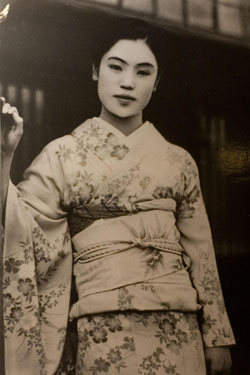 Historic photograph of Matsuei, an onsen geisha who inspired a character in Yasunari Kawabata's novel "Snow Country" (1934). This image represents the traditional onsen geisha culture that continues in Izu Nagaoka. Public domain image from Wikimedia Commons.
Geisha performances in Izu Nagaoka Onsen represent one of Japan's rarest and most authentic cultural experiences. Izunokuni is home to one of only two surviving geisha schools in Japan—the other being in Kyoto—making this a once-in-a-lifetime opportunity to experience genuine geisha tradition in an intimate onsen setting. 🔗 🔗 Today, approximately 10 geisha maintain strict adherence to traditional culture, performing ozashiki-asobi (traditional party games), shamisen music, and classical Japanese dance for guests at local ryokan. 🔗
Cultural & Historical Significance
Historical Background
Izu Nagaoka Onsen holds a unique place in Japanese geisha history. In the early 20th century, only two official geisha schools existed throughout Japan: one in Kyoto and one in Izu Nagaoka Onsen. 🔗 While the formal geisha school closed in 1987, the geisha tradition continues through the Izu Nagaoka Kenban, a local organization dedicated to preserving and sharing geisha culture with visitors. 🔗
The height of Izu Nagaoka's geisha culture came in 1964 when the Tokaido Bullet Train was completed, bringing an influx of visitors to the area's many ryokan. At its peak, more than 400 geisha welcomed and entertained guests throughout the onsen town. 🔗 Today, though their numbers have declined to approximately 10, these geisha maintain the same rigorous training and strict adherence to traditional culture, making encounters with them especially precious and authentic. 🔗
Onsen Geisha Tradition vs. Urban Geisha
Onsen geisha represent a distinct tradition within Japanese geisha culture. Historically, the term "onsen geisha" carried negative connotations due to associations with sex work in the transient environment of hot spring resorts. 🔗 Because guests were unlikely to patronize the same geisha repeatedly, onsen geisha were not bound by the same formal contracts and clientele relationships as their urban counterparts, leading to perceptions of lower artistic standards. 🔗
However, modern onsen geisha hold the same rigorous training in traditional arts as geisha from other regions. 🔗 Key differences from Kyoto and Tokyo geisha include:
- Performance setting: Onsen geisha typically entertain tourists in hotel banquet halls, often with 60-70 geisha in attendance for large groups, whereas Kyoto geisha parties are intimate affairs in teahouses with 5-6 geisha. 🔗
- Client relationships: Onsen geisha are contracted for specific time periods with traveling customers, lacking the established long-term patron relationships of traditional geisha districts. 🔗
- Tourism integration: Onsen geisha experiences are designed for tourists and international visitors, making them more accessible while maintaining authentic traditional arts. 🔗
Despite historical prejudices, Izu Nagaoka's status as one of only two official geisha schools in Japan elevates its geisha tradition above typical onsen resort entertainment. 🔗
The Arts of Geisha
Geisha are female Japanese performing artists trained in traditional arts including dance, music, singing, and sophisticated conversation. 🔗 The primary instrument of geisha performances is the shamisen, a banjo-like three-stringed instrument played with a plectrum. Geisha have played a crucial role in preserving and transmitting shamisen music and supporting Japanese classical dance development. 🔗 🔗
All geisha must learn shamisen alongside additional instruments during their apprenticeship, as well as mastering traditional Japanese dance. 🔗 The cultural highlight of geisha performances is typically a seasonal dance accompanied by traditional music, usually played on the shamisen by another geiko. 🔗
Visiting Information
Location: Izu Nagaoka Onsen, Izunokuni City, Shizuoka Prefecture
Access:
- Take the Tokaido Shinkansen to Mishima Station
- Transfer to Izuhakone Railway Sunzu Line
- Ride approximately 25 minutes to Izu-Nagaoka Station 🔗
- Ryokan offering geisha experiences are within walking distance or provide shuttle service from the station
- From Tokyo: Approximately 1.5-2 hours total travel time via Shinkansen and local train
Hours: By reservation only; performances typically during dinner service (5:30 PM - 7:00 PM for 2-hour experiences) 🔗
Booking Requirements:
- Reserve via email at least 10 days in advance 🔗
- Must be staying at a participating ryokan
- Limited availability (some venues offer only one room per day for geisha experiences) 🔗
Cost: Geisha entertainment is arranged through ryokan and added to lodging fees. Specific pricing varies by venue and should be confirmed when booking. At Sanyo-so Prince Hotel, the experience includes a Japanese Suite room (142.6 sq.m), Matsu course kaiseki dinner, breakfast, and 2-hour geisha entertainment. 🔗
Current Status: Active and available for booking; coordinated through Izu Nagaoka Kenban organization 🔗
The Experience
Ozashiki-Asobi (Traditional Party Games)
Ozashiki-asobi refers to traditional geisha dances and games developed during the Edo period (1603-1867) as entertainment for gatherings in ochaya (tea houses) and private banquets. 🔗 These games are designed to be accessible even for guests who have been drinking, yet create a lively and joyful atmosphere. 🔗
A defining characteristic is that games use only items found within the tatami room—sake cups, the hakama base of sake bottles, and byobu (folding screens). 🔗
Popular games include:
Toratora (Tiger Tiger): A full-body version of rock-paper-scissors where players emerge from behind a folding screen as a tiger, samurai, or old woman. Tigers beat old women, old women beat samurai, and samurai beat tigers. 🔗 🔗
Konpira Fune Fune: A fast-paced hand game using a cylindrical container set to a rhythmic chant, with the goal of avoiding mistakes or hesitation. 🔗
Penalty System (Bappai): Losers drink a cup of sake after the geisha playfully sings. Non-alcoholic beverages can be substituted, and geisha also take penalty drinks when they lose. 🔗
Traditional Performances
Guests experience authentic geisha arts including:
- Classical Japanese dance accompanied by shamisen music 🔗
- Traditional songs performed by the geisha 🔗
- Shamisen performance showcasing the primary geisha instrument 🔗
- Sophisticated conversation and hosting demonstrating geisha's role as skilled entertainers 🔗
Interactive Experiences
Some venues offer immersive options including:
- Geisha transformation: Face painting with traditional white makeup and dressing in geisha attire 🔗
- Kimono wearing and dance lessons: Geisha help guests wear kimono and teach basic traditional dance movements 🔗
- Photography opportunities: Unlike Kyoto's strict photography bans, Izu Nagaoka encourages taking pictures with geisha during organized experiences 🔗
- Direct interaction: Conversing with geisha in an intimate tatami room setting 🔗
November Visit Considerations
Weather:
November offers mild autumn temperatures ideal for onsen bathing and outdoor exploration. The season features pleasant conditions before winter cold sets in. 🔗
Autumn Foliage:
Mid-November to early December is peak momiji (autumn leaves) season in the Izu Peninsula. The nearby Shuzenji Nature Park Momiji Forest features about 1,000 maple trees, and the Shuzenji Momiji Festival celebrates the autumn colors. 🔗 🔗
Crowds:
November is outside peak tourism seasons (cherry blossom spring and summer vacation), offering a more relaxed, less crowded experience. 🔗
Booking Timing:
For November 8-9 visit, book at least 10 days in advance (by late October at the latest) to secure geisha entertainment reservation. 🔗
Seasonal Elements:
The combination of autumn colors, comfortable weather, and intimate geisha entertainment creates an ideal atmosphere for experiencing traditional Japanese culture.
Practical Visiting Tips
Cultural Etiquette
During the Performance:
- Show respect by sitting properly in seiza (formal kneeling position) or cross-legged if unable to maintain seiza
- Applaud after performances and express appreciation (saying "subarashii" - wonderful, or "kirei" - beautiful)
- Participate enthusiastically in ozashiki-asobi games—these are designed to be fun and interactive
- Accept penalty drinks graciously (non-alcoholic options available) 🔗
- Avoid treating geisha as photo props; ask permission politely before photographing
General Behavior:
- Understand that geisha are skilled artists and entertainers, not romantic interests
- Engage in conversation respectfully; geisha are trained conversationalists
- Dress appropriately for the kaiseki dinner setting (smart casual to formal)
- Remove shoes when entering tatami rooms
Photography
Unlike Kyoto's Gion district which has banned tourist photography of geisha on private streets, Izu Nagaoka actively encourages photo opportunities during organized experiences. 🔗 However, always:
- Ask permission before photographing: "Shashin o totte mo ii desu ka?" (May I take a photo?)
- Focus on respectful, commemorative photography during designated times
- Avoid flash photography during performances if requested
- Share photos with cultural sensitivity
Booking Strategy
For International Visitors:
- Email reservations in English are accepted at Sanyo-so (sanyoso@princehotels.co.jp) 🔗
- Clearly state desired dates, number of guests, and interest in geisha experience
- Book 10+ days in advance as availability is extremely limited (some venues offer only one room per day) 🔗
- Confirm all inclusions: room type, meal courses, entertainment duration, and total cost
Language Considerations:
- Geisha experiences accommodate overseas guests interested in Japanese culture 🔗
- Some venues may provide English interpretation or explanation materials
- Basic Japanese phrases enhance the experience but are not required
Maximizing the Experience
Package Value:
Booking through ryokan packages that include room, kaiseki meals, and geisha entertainment offers better value than attempting to arrange components separately. 🔗
Enhancement Tips:
- Arrive early to enjoy the ryokan's onsen baths before dinner
- Request information about the geisha's training and background to deepen appreciation
- Learn a few ozashiki-asobi game names beforehand to show enthusiasm
- Consider the geisha transformation option if offered—it creates unique memories and photos
Regional Combination:
- Mount Katsuragi ropeway (2 km from Izu Nagaoka) offers Mount Fuji views and is accessible the same day 🔗
- Autumn foliage viewing at Shuzenji (nearby) during mid-November 🔗
- Alkaline onsen waters are believed to beautify skin—enjoy multiple bathing sessions 🔗
Nearby Attractions
Within Izu Nagaoka Onsen:
- Izunokuni Panorama Park on Mount Katsuragi (ropeway access, Mount Fuji observatory, foot bath) 🔗
- Multiple onsen sources with alkaline simple hot springs 🔗
Nearby (15-30 minutes):
- Nirayama Reverberatory Furnaces (UNESCO World Heritage site, built 1857) 🔗
- Shuzenji Temple and Shuzenji Nature Park Momiji Forest (autumn foliage) 🔗
Regional Highlights:
- Mishima city (25 minutes by train, Shinkansen connection) 🔗
- Izu Peninsula coastal areas and beaches (seasonal)
Integration with Other Locations
Izu Nagaoka Onsen serves as an ideal base for exploring the northern Izu Peninsula, offering convenient rail connections to Mishima (Tokaido Shinkansen access) and regional attractions. The geisha experience provides a distinctive cultural immersion that contrasts with urban sightseeing in Tokyo or temple-heavy Kyoto, representing the unique onsen town culture of Japan's countryside.
The intimate scale of Izu Nagaoka—with only 10 active geisha—creates authenticity impossible in larger, more commercialized geisha districts. This makes the experience particularly meaningful for travelers seeking genuine cultural encounters beyond typical tourist circuits.
Important Notes
Booking Essentials:
- Must book at least 10 days in advance for November 8-9 visit 🔗
- Extremely limited availability (one room per day at some venues) 🔗
- Geisha entertainment is integrated with ryokan stay—cannot be booked separately
- Email reservations: sanyoso@princehotels.co.jp (Sanyo-so Prince Hotel) 🔗
Cultural Sensitivity:
- This is an authentic cultural experience with trained artists, not theatrical entertainment
- The small number of active geisha (approximately 10) makes each encounter precious 🔗
- Respect the historical significance as one of only two official geisha schools in Japan 🔗
Language and Accessibility:
- Experiences accommodate international visitors 🔗
- English email correspondence available for booking 🔗
- Traditional tatami room setting requires sitting on floor
Location: View on Google Maps
Source: attractions/izu-peninsula/geisha-performances-izu-nagaoka.md