
About
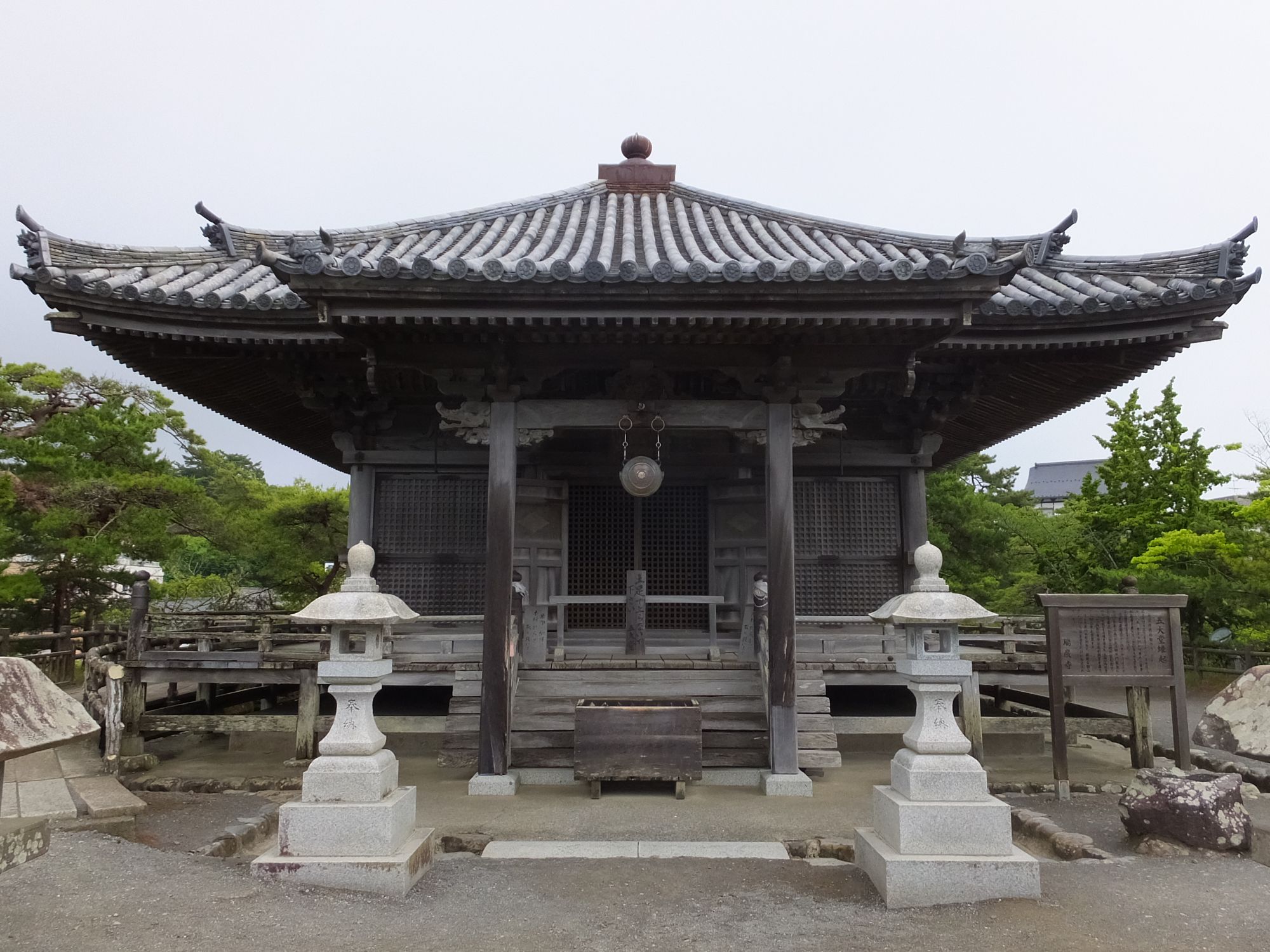 Godaido Hall on its rocky islet, connected by the distinctive Sukashi Bridge with gaps between planks
Godaido Hall is an iconic vermillion temple structure perched on a small rocky islet in Matsushima Bay, connected to the mainland by distinctive bridges with intentional gaps between planks. Built in 1604 by Date Masamune, this small but culturally significant hall represents the oldest example of Momoyama-period architecture in the Tohoku region and has been designated a National Important Cultural Property. 🔗
The hall is located immediately adjacent to the Matsushima Bay cruise pier, making it a natural starting or ending point for bay excursions. Its prominent position overlooking the bay has made it one of the most recognizable symbols of Matsushima, one of Japan's Three Most Scenic Views. 🔗
As a November day trip destination from Tokyo, Godaido Hall offers excellent photography opportunities with autumn weather providing clear visibility across Matsushima Bay. The outdoor location and brief visit duration make it ideal for cooler weather exploration.
Cultural & Religious Significance
Historical Foundation and Reconstruction Godaido Hall's history spans over 1,200 years, originally founded as Bishamondo in 807 AD. The temple took its current name "Godaido" (Hall of Five Great Ones) in 828 when the priest Ennin, who also founded nearby Zuiganji Temple, installed images of the Five Wisdom Kings (Godai Myoo) within the hall. 🔗
The present structure was reconstructed in 1604 by Date Masamune, the celebrated feudal lord who shaped much of Matsushima's cultural heritage. This reconstruction brought Momoyama-style architecture to the Tohoku region for the first time, making Godaido historically significant as a cultural bridge between the architectural traditions of central Japan and the northern territories. The hall was designated an Important Cultural Property in 1950, recognizing its status as Tohoku's oldest surviving building in the Azuchi-Momoyama period style. 🔗
Architectural Features and Zodiac Carvings Though small in scale, Godaido Hall showcases impressive Momoyama-era craftsmanship through its decorative elements. The most notable features are the meticulous carvings of the twelve signs of the Chinese zodiac adorning the Kaerumata (curved wooden supports) beneath the eaves—three zodiac animals on each of the four sides. These carvings reflect the artistic style of the Azuchi-Momoyama period, which flourished between the late 16th and early 17th centuries. 🔗
The hall was once painted bright vermillion red, though the paint has long since worn away, revealing the weathered natural wood beneath. In Japanese temple architecture, vermillion color traditionally held both spiritual and practical significance—the color was believed to repel evil spirits and bring good fortune, while the cinnabar-based paint (made from mercury ore) also served to preserve the wood from bacteria and the elements. 🔗
The Five Wisdom Kings Within Godaido Hall reside sacred statues of the Five Great Wisdom Kings (Godai Myoo), installed in 828 and regarded as hidden Buddha statues. In Japanese esoteric Buddhism (Shingon and Tendai traditions), these five vidyārājas are considered both fierce emanations of the Five Wisdom Buddhas and guardians of Buddhist doctrine. They are powerful protectors who ward off evil and obstacles through their wrathful appearance and fierce determination. 🔗
The Sacred Viewing Cycle The five statues are revealed to the public only once every 33 years during special ceremonies, making these rare viewings significant religious and cultural events. The statues were last disclosed in 2006, meaning the next public viewing is scheduled for 2039. This 33-year cycle adds to the hall's mystique and sacred character. 🔗
Visiting Information
Hours: Open during daylight hours; the outdoor location allows viewing from dawn to dusk. The hall appears to have no specific closing times as it's accessible as an outdoor attraction. 🔗
Admission: Free entry. Visitors can explore the islet and exterior of the hall at no cost. (Note: Interior access to view the Five Wisdom Kings statues only occurs during special 33-year ceremonies) 🔗
Best time to visit: Early morning or late afternoon for optimal lighting conditions and fewer crowds. November weather typically provides clear visibility across Matsushima Bay, enhancing photographic opportunities. The outdoor setting is pleasant in autumn temperatures. 🔗
Typical duration: 15-20 minutes for exploring the islet, crossing the bridges, viewing the exterior, and taking photographs. Despite its small size, the location's significance and photographic appeal make it a worthwhile brief visit. 🔗
Access from Tokyo (Day Trip):
- JR Tohoku Shinkansen from Tokyo to Sendai (approximately 1.5 hours)
- Transfer to JR Senseki Line to Matsushima-Kaigan Station (40 minutes)
- 7-10 minute walk from station to Godaido Hall
- Total travel time: approximately 2.5 hours each way 🔗
Local Access: Godaido Hall stands just next to the Matsushima Bay cruise pier, at the central tourism plaza. From JR Matsushima-Kaigan Station, walk approximately 7-10 minutes toward the waterfront. The hall is easily visible on its small rocky islet connected by distinctive red bridges. The location immediately adjacent to the cruise departure pier makes it ideal for visiting either before or after a Matsushima Bay cruise. 🔗
The Hall Experience
The Sukashi Bridge Experience The journey to Godaido Hall is as significant as the destination itself. The vermillion-lacquered bridges connecting the mainland to the small islet are known as "sukashibashi"—literally "transparent bridges"—named for the intentional 10cm gaps left between the wooden planks. As visitors cross, they can peer through these openings to see the water and rocky shore below. 🔗
This deliberate design serves a spiritual purpose: the gaps were intentionally created to compel worshippers' concentration and mindfulness as they approach the sacred hall. The openings remind visitors to watch their step and steady themselves both physically and mentally before entering to offer prayers. The bridge experience creates a threshold moment—a transition from the everyday world to sacred space, requiring physical attention and encouraging mental preparation for worship. 🔗
Architectural Appreciation Once on the islet, visitors can walk around the small hall to appreciate its Momoyama-era architectural features from all angles. Look carefully at the eaves to spot the twelve zodiac animal carvings positioned three per side—these intricate details showcase the craftsmanship of the early Edo period reconstruction. The weathered wood of the structure tells its own story, with traces of the original vermillion paint visible in protected areas, contrasting with the natural gray patina developed over four centuries of exposure to sea air and weather. 🔗
Bay Views and Photography The islet's position in Matsushima Bay provides panoramic views of the surrounding landscape, recognized as one of Japan's Three Most Scenic Views. From various points around Godaido, visitors can photograph the distinctive pine-covered islands dotting the bay, the waterfront town of Matsushima, cruise boats departing for bay tours, the bridge approach creating leading lines toward the hall, and sunset reflections on the water (particularly atmospheric in autumn). 🔗
Practical Visiting Tips
November Seasonal Considerations: November in Matsushima brings cool autumn temperatures, typically ranging from 5-15°C (41-59°F). Clear days are common, providing excellent visibility across the bay and ideal conditions for photography. The cooler weather makes walking around the outdoor site comfortable. As a brief stop adjacent to the cruise pier, Godaido can experience moderate crowds during peak cruise departure/arrival times. Visiting early morning (before 10am) or late afternoon (after 4pm) typically avoids the busiest periods. 🔗
Photography Conditions: November's lower sun angle creates excellent lighting conditions throughout the day:
- Morning: East-facing shots catch morning light on the bay and islands
- Afternoon: Warm light illuminates the hall's wooden structure
- Late afternoon/sunset: Dramatic golden hour conditions, with reflections on the water
Best Photo Spots:
- Approach shot from mainland showing the bridge leading to the islet
- Low angle from beach/rocks looking up at the hall
- From the islet looking back toward Matsushima town
- Detail shots of zodiac carvings (bring zoom lens or get close)
- Sunset silhouettes with backlighting
Bridge Safety and Etiquette:
- Watch your footing—the 10cm gaps require attention, especially for those with mobility concerns or wearing high heels
- Take your time—the bridge design encourages mindful crossing
- Be considerate of others when stopping for photos on the narrow bridge
- In wet conditions, wooden planks can be slippery; exercise extra caution
- Some sources note the handrails show age; use them carefully 🔗
Cultural Etiquette:
- Remember this is an active religious site, not merely a tourist attraction
- Keep voices low and avoid loud conversations
- Photography is permitted, but be respectful of any worshippers
- Do not attempt to enter the hall itself (interior is closed except during 33-year ceremonies)
- If you wish to pray, observe local customs: bow respectfully, offer a small coin if there's an offering box, and pray quietly 🔗
Weather and Seasonal Preparation:
- Layered clothing for changing temperatures throughout the day
- Windbreaker or light jacket (bay location can be breezy)
- Comfortable walking shoes with good grip (for wooden bridge planks)
- Sun protection (sunscreen, sunglasses) for clear days
- Consider bringing hand warmers for extended outdoor exploration
Money-Saving Tips:
- Free admission means no ticket cost
- Location next to cruise pier allows efficient itinerary planning
- Combine with other free Matsushima attractions (waterfront walk, observation points)
- Bring snacks/drinks rather than purchasing at tourist-priced waterfront vendors
Important Notes:
- 33-Year Viewing Cycle: Interior statues were last displayed in 2006; next viewing in 2039
- Bridge Accessibility: The Sukashi Bridge's gaps and narrow width make it challenging for visitors with mobility impairments
- Brief Visit Duration: While culturally significant, Godaido is small and the visit is naturally brief (15-20 minutes)
- Weather Dependency: As a completely outdoor attraction, the experience is significantly impacted by weather 🔗
Location: View on Google Maps
Source: attractions/matsushima/godaido-hall.md