
About
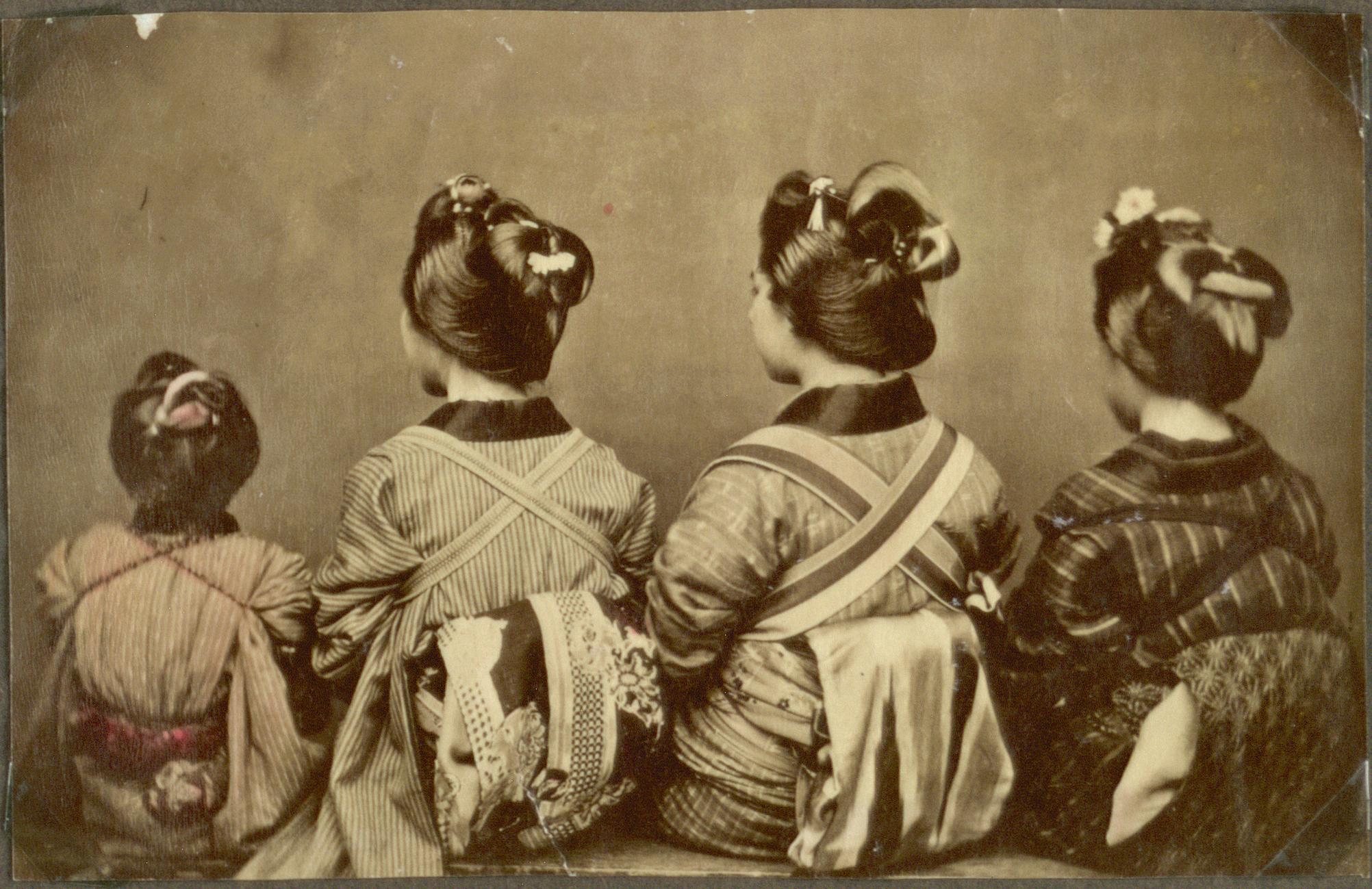 Traditional Hakata-ori textile showing characteristic Buddhist-influenced patterns and dense silk weaving - Source: Wikipedia Commons
Hakata-ori is a traditional Japanese textile that has been produced in Fukuoka Prefecture for more than 770 years, tracing its origins to 1235 CE when Japanese merchant Mitsuda Yazaemon traveled to Song dynasty China with Buddhist monk Shoichi Kokushi to learn textile production techniques. This ancient craft represents one of Japan's Three Great Textiles alongside Nishijin-ori and Kiryu-ori, distinguished by its characteristic density of 1,500 threads woven tightly together and its distinctive "kinunarashi" (silk rustling) sound when handled. 🔗
The weaving technique creates a distinctive ribbed texture using thin warp yarns and thicker weft yarns, with traditional patterns incorporating Buddhist motifs such as "dokko" (vajra) and "hanazara" (flower plate) designs. During the Edo period, the feudal lord Nagamasa Kuroda selected Hakata-ori textiles as tribute to the Tokugawa shogunate, earning it the designation "kenjo-gara" (tribute pattern). 🔗
Cultural & Religious Significance
Traditional patterns follow Buddhist symbolism with dokko (vajra) representing conquest of worldly desires and hanazara (flower plates) from ritual ceremonies. The five traditional colors follow Sui dynasty Chinese symbolism, representing virtues and spiritual concepts: purple for virtue, red for prosperity, blue for peace. 🔗
The craft achieved its greatest cultural prominence during the Edo period when it became tribute textile to the Tokugawa shogunate, establishing its status as one of Japan's most prestigious textile traditions. The 430-year-old Nishimura Orimono company (established 1587) represents the oldest continuous Hakata-ori weaving operation, maintaining traditional techniques through master craftsmen lineages spanning multiple generations. 🔗
Visiting Information
Access from Itoshima Retreat House:
- Primary Route: Drive via Fukuoka City (estimated 40-50 minutes, approximately 35-40 km)
- Train Option: Itoshima to Fukuoka (45 minutes via Chikuzen-Maebaru to Hakata), then Hakata to Chikushino area (30 minutes)
- Recommended: Car rental for flexibility and direct access to workshop locations
Workshop Locations:
- Nishimura Orimono: 〒818-0061 福岡県筑紫野市紫7-3-5
- ACROS Fukuoka Takumi Gallery: 1-1-1 Tenjin, Chuo Ward, Fukuoka City (7-minute walk from JR Hakata Station) 🔗
Operating Details:
- Hours: Workshops typically operate 10:00 AM - 5:00 PM weekdays
- Morning sessions: 10:00-11:30 AM, Afternoon sessions: 1:00-3:00 PM
- Booking: Reserve minimum 3 days advance (preferably 1-2 weeks) for guaranteed availability
- Group accommodation: 2-5 people receive best accommodation and pricing
- Weekend availability: No weekend workshops available
The Experience
Nishimura Orimono Factory Tour & Workshop: The comprehensive experience begins with observing live production including mechanical looms creating rhythmic weaving sounds, master craftsmen hand-weaving with gold thread (including a 60-year veteran artisan), and comprehensive displays of raw materials from silkworm cocoons to finished textiles. 🔗
Hands-on Weaving Experience: Participants spend approximately 20 minutes per person learning basic weaving techniques on traditional hand-looms (tebata) using manually powered equipment used for centuries. While only a few centimeters can be woven during the workshop, participants receive a prepared Hakata-ori textile piece as a take-home memento.
Cultural Education Component: Comprehensive lectures cover the 770-year history, Buddhist symbolic patterns, traditional color significance, and the craft's evolution from Chinese Song dynasty techniques to uniquely Japanese artistry. The contrast between mechanized and hand-weaving stations provides compelling documentation of craft preservation. 🔗
Practical Visiting Tips
Booking Strategy:
- Reserve minimum 3 days advance (preferably 1-2 weeks) for guaranteed availability, especially during autumn festival season
- Groups of 2-5 people receive best accommodation and pricing
- Critical: Workshops unavailable weekends, Obon holidays, and New Year periods
- Contact: Fukutabi Information Line (092-286-4478) provides multilingual support in English, Korean, and Chinese
Cultural Preparation:
- Understanding Buddhist symbolism enhances workshop appreciation
- Approach the experience with respect for centuries-old traditions
- Observe silently during demonstrations, ask questions during designated periods
- Appreciate the master craftsmen's decades of skill development 🔗
What to Bring:
- Comfortable clothing suitable for factory environment
- Camera for documentation (with permission)
- Cash for additional purchases of authentic Hakata-ori products
- Basic Japanese cultural knowledge enhances the experience
Seasonal Considerations: Late October/early November provides optimal workshop conditions with comfortable indoor temperatures and clear autumn weather for travel. The timing coincides with Hakata Akihaku autumn festival period (October 17 - November 9), offering additional cultural context during your visit.
Location: View on Google Maps
Source: attractions/fukuoka/hakata-ori-textile-workshop.md