
About
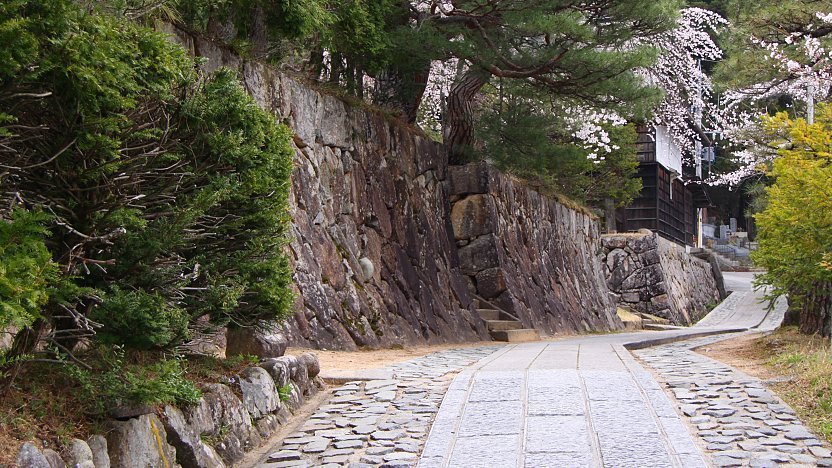 Scenic temple walking course through Takayama's historic Higashiyama district showing the peaceful temple area with traditional architecture
The Higashiyama Walking Course represents the spiritual heart of historical Takayama, offering a profound journey through centuries of religious and cultural heritage. Established in the 16th century by feudal Lord Kanamori Nagachika, this temple district was deliberately designed as both a spiritual protective barrier for Takayama Castle and a cultural homage to Kyoto's famous Higashiyama district. 🔗
The 3.5-5.5km peaceful walking route connects 12+ temples and shrines consolidated from across the Hida region onto this eastern hillside, creating a protective spiritual fortress against evil spirits believed to emanate from the northeast. This strategic arrangement served multiple purposes: importing high cultural prestige of Kyoto to mountain Takayama, maintaining administrative control over religious institutions, and creating a living museum of Japanese religious diversity spanning Buddhist sects including Zen, Jōdo Shinshū, and Nichiren temples alongside important Shinto shrines. 🔗
Cultural & Religious Significance
Each temple represents different schools of Buddhist thought brought together under unified Kanamori clan patronage, making the walk itself a journey through various spiritual traditions that shaped Japanese religious life. The course encompasses diverse Buddhist sects and Shinto practices, demonstrating the religious syncretism that characterizes Japanese spiritual culture. Lord Kanamori's deliberate modeling after Kyoto's Higashiyama district imported sophisticated cultural prestige to isolated mountain Takayama, creating authentic spiritual atmosphere that continues today.
The temple district served as more than religious collection—it represented political and cultural strategy to elevate Takayama's status while maintaining control over religious institutions. This historical context enriches contemporary visits, as the walking course preserves both spiritual traditions and the political wisdom that created this unique cultural landscape.
Visiting Information
Access: 15-20 minute walk from Takayama Station to starting point (Takayama Town Museum or Unryuji Temple); 5-minute walk from Yasugawa shopping street in city center; walking distance from anywhere in central Takayama Hours: Temples generally open dawn to dusk; some may have specific visiting hours Route Options: Temple area only (1-2 hours) or full mountain course (2-3 hours); condensed recommended route: Unryu-ji → Higashiyama Hakusan Shrine → Tensho-ji → Soyu-ji (2 hours) Current Status: Open year-round; well-maintained with multilingual information boards; fully accessible during October 2025 visit period 🔗
The Experience
Key Temple Highlights: Unryuji Temple (Soto Zen sect, built 720, features impressive garden and relocated belfry gate from Takayama Castle); Higashiyama Hakusan Shrine (oldest shrine built 719, accessed via stairs through giant cedar trees); Tenshoji Temple (premier autumn foliage viewing location with breathtaking seasonal colors); Soyuji Temple (course's largest temple with towering walls using stones from former Takayama Castle). 🔗
Cultural Architecture Features: Traditional Buddhist temple roofs with curved kawara tiles and dragon carvings, main halls (Hondō) housing primary worship objects, bell towers (Shōrō) with bronze bells, Shinto torii gates marking sacred boundaries, shimenawa sacred ropes with white paper streamers, komainu guardian lion-dogs protecting shrine entrances.
October 2025 Seasonal Experience: Early to mid-stage autumn color change (peak typically late October-early November) with excellent morning and late afternoon lighting for temple photography. Post-festival period after Takayama Autumn Festival (October 9-10) offers quieter temple experience and deeper spiritual focus on Buddhist concepts of impermanence through autumn's fleeting beauty.
Practical Visiting Tips
Temple Visiting Customs and Cultural Respect:
- Photography Protocol: Exterior architecture and grounds photography generally permitted; interior altar areas strictly forbidden; always check for posted rules; respectful distance from worshippers
- Buddhist Temple Etiquette: Use gasshō position (palms together) for prayer; no clapping at Buddhist temples; quiet meditation encouraged; respect any ongoing ceremonies
- Shinto Shrine Protocol: Follow purification ritual at temizuya water basins; proper sequence is two bows, two claps, one bow; rinse hands then mouth before praying
- General Behavior: Maintain quiet, respectful demeanor throughout visit; walk to sides of central paths (reserved for kami/deities); dress modestly; turn off mobile devices; be mindful of local customs and traditions
- Cultural Sensitivity: Arrive early to avoid crowds and enjoy serene atmosphere; respect privacy of worshippers; follow any posted guidelines; show appreciation for multi-lingual information provided 🔗
Optimal Experience Strategy: Start early (8 AM) for peaceful atmosphere and optimal lighting. Focus on temple area (1-2 hours) rather than full mountain course for cultural depth. Bring comfortable walking shoes, weather-appropriate layers, camera for autumn colors. Learn basic temple etiquette beforehand for respectful participation.
Navigation and Logistics: Well-marked with wooden signs and multilingual information boards providing easy navigation. Coffee sen 152 Souyuuji Chou café near Soyuji Temple available for refreshments. Free experience with no admission fees for walking course or most temple grounds. Carry bell if extending to mountain areas due to wild boar precaution.
Location: View on Google Maps
Source: attractions/takayama/higashiyama-walking-course.md