
About
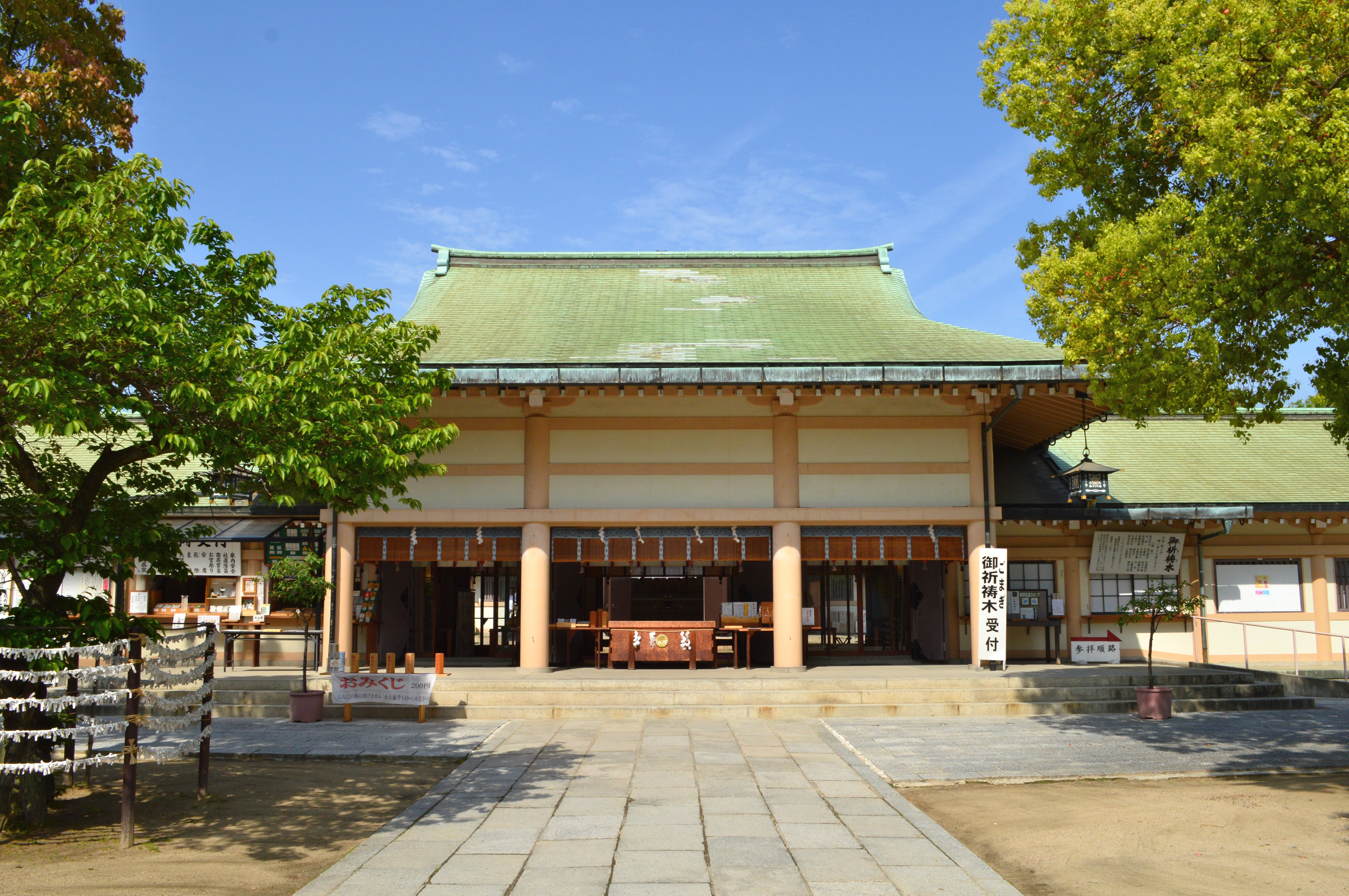 The main worship hall (haiden) of Ikukunitama Shrine showcasing its unique Ikukunitama-zukuri architectural style. Source: Wikimedia Commons
Ikukunitama Shrine (生國魂神社, Ikukunitama-jinja), affectionately known as "Ikutama-san" by locals, is the oldest shrine in Osaka with an extraordinary history spanning approximately 2,700 years. 🔗 Founded when Emperor Jinmu arrived in Naniwazu from Kyushu and enshrined Ikushima and Ashijima no Mikami near present-day Osaka Castle, the shrine has served not only as a religious site but as a vital center of Osaka's culture and performing arts. 🔗
Cultural & Religious Significance
Ancient Origins and Historical Significance
Ikukunitama Shrine's remarkable 2,700-year history makes it Osaka's oldest shrine and one of the most historically significant religious sites in the region. 🔗 The shrine is mentioned in the Chronicles of Japan (Nihon Shoki) in the article about the 36th Emperor Kotoku, and it is listed in the Engishiki, an ancient book of government statutes, as a shrine of the highest rank. 🔗
Originally located near present-day Osaka Castle, the shrine was razed to the ground during the battle of Ishiyama in 1580. In 1585, Toyotomi Hideyoshi relocated the shrine to its current location when he built Osaka Castle. 🔗 It formerly held the prestigious status of an imperial shrine of the first rank (官幣大社, kanpei taisha) in the Modern system of ranked Shinto Shrines. 🔗
Unique Architectural Heritage
The shrine features the unique Ikukunitama-zukuri architectural style, the only one of its kind in Japan. 🔗 This unprecedented design, created two years after the 1585 relocation, features the main hall and mihiden roofed in a single nagare-zukuri style with three gables installed in front of the building. 🔗 While the current concrete structures with copper roofs were rebuilt after World War II bombing damage, they faithfully preserve this distinctive architectural tradition. 🔗
Cultural and Literary Legacy
Ikukunitama Shrine has played a pivotal role as a center of Osaka's culture and performing arts for centuries. 🔗 The shrine grounds were the birthplace of Kamigata rakugo (Kansai-style comic storytelling), popularized by Hikohachi Yonezawa who performed on these very grounds. A monument in his honor commemorates this cultural heritage, and the shrine celebrates the annual Hikohachi Festival on the first Saturday of September. 🔗
The shrine's literary connections run deep—renowned author Ihara Saikaku famously composed 4,000 haikai poems in a single day and night within the shrine precincts. 🔗 Today, statues of both Ihara Saikaku and beloved Osaka writer Oda Sakunosuke stand on the grounds, honoring the shrine's enduring cultural significance. 🔗
Visiting Information
Hours: Shrine grounds open 24/7; Reception office open 9:00 AM - 4:30 PM (16:30) 🔗
Admission: Free 🔗
Contact: 06-6771-0002 🔗
Access:
- By Subway (Recommended): 3-4 minutes walk from Exit 3 of Tanimachi 9-chome Station (Osaka Metro Tanimachi Line) 🔗
- Alternative: 9 minutes walk from Uehonmachi Station (Kintetsu Namba Line) 🔗
- By Car: Parking available with 20 spaces (reservation required) 🔗
November Weather and Conditions:
Early November offers ideal visiting conditions with comfortable daytime temperatures averaging 17°C (62.6°F) and cooler evenings around 10°C (50°F). 🔗 November marks peak autumn foliage season in Osaka with colorful maple leaves presenting charming views. 🔗 The shrine's lush green grounds become particularly photogenic during this season. Typhoon season has passed, resulting in low rainfall with approximately 13 days of light rain. 🔗
What to wear: Layered clothing recommended—shirt with sweater or jacket for daytime; thick overcoat for early morning or evening visits given the temperature difference. 🔗
The Shrine Experience
Main Shrine Complex
The existing buildings showcase the unique Ikukunitama-zukuri architectural style with the main shrine, hall of offerings, hall of worship, corridors, and ceremonial rooms. 🔗 While constructed of modern concrete with copper roofing following WWII reconstruction, they faithfully preserve the shrine's distinctive three-gabled design tradition. 🔗
Ikutama-no-mori (Sacred Forest Grounds)
The lush green grounds surrounding the main shrine host numerous subsidiary shrines, each with distinct spiritual significance. 🔗 Many visitors continue exploring these smaller shrines after paying respects at the main hall:
Shigino Shrine (Asahikino/Yodohime Shrine): Dedicated to three female deities including Ichikishimahime no Mikoto, Oomiyanome no Kami, and Yodohime no Kami. Known for women's protection, marriage blessings, and relationship matters. 🔗
Bellows Shrine (Fuigo Shrine): A shrine for business prosperity, hardware trades, and traditional crafts. A swordsmith performs special rituals here on November 8. 🔗
Yazukuri Mioja Shrine: Rare in Japan, this shrine is dedicated to the god of house building. 🔗
Kitamuki Hachiman Shrine: Uniquely faces north toward Osaka Castle, serving as the guardian deity of the castle's "demon's gate." 🔗
Seichinsha: Especially popular among merchants, fishermen, and anglers who handle fresh fish. 🔗
Cultural Monuments and Statues
Yonezawa Hikohachi Monument: Honors the founder of Kamigata rakugo who performed at the shrine, celebrating Osaka's traditional comic storytelling heritage. 🔗
Ihara Saikaku Statue: Commemorates the ukiyo-zoshi author who composed his legendary 4,000 poems in one day at this very location. 🔗
Oda Sakunosuke Statue: Honors the beloved Osaka writer born and raised near the shrine. 🔗
Monthly Flea Market (November 8, 2025)
The Ikutama Flea Market takes place on the 8th of every month from 7:00 AM to 2:00 PM along the historic Omotesando approach. 🔗 This market features approximately a dozen vendors specializing in "beyond vintage" items including old ceramics, traditional home goods, antique magazines, and rare collectibles. 🔗 Vendors begin setting up around 7:00-8:00 AM and start closing around 2:00-3:00 PM. 🔗
Practical Visiting Tips
Worship Etiquette
Follow standard Shinto shrine etiquette to show proper respect:
Temizuya (Purification Ritual): 🔗
- Scoop water with the ladle using your right hand and rinse your left hand
- Transfer the ladle to your left hand and rinse your right hand
- Pour water into your left hand, rinse your mouth, and spit water beside the fountain (never touch ladle to mouth)
- Hold the ladle vertically to let remaining water cleanse the handle
- Use only one ladleful for the entire process
Main Shrine Worship: 🔗
- Quietly place a coin offering in the box and ring the bell
- Bow deeply (90 degrees) twice
- Clap hands twice
- Pray with hands together
- Bow once more
Best Photo Spots
- Main hall (haiden) showcasing the unique Ikukunitama-zukuri architecture
- Literary monuments (Saikaku, Oda Sakunosuke, Hikohachi statues)
- Subsidiary shrines throughout Ikutama-no-mori forest grounds
- Flea market atmosphere on the 8th (if visiting on market day)
Crowd Avoidance
The shrine maintains a calm, peaceful atmosphere despite its central Osaka location. 🔗 Early morning visits (8:00-9:00 AM) offer the most serene experience. The monthly flea market on the 8th attracts more visitors but still remains manageable. Major festivals (particularly September 9 main festival) draw larger crowds.
Cultural Preparation
The shrine is renowned for matchmaking, happy marriage blessings, and relationship matters. 🔗 Visitors seeking relationship blessings often visit Shigino Shrine (the women's shrine) within the grounds. The collection of ema (wooden prayer plaques) provides insight into local spiritual practices—visitors can write prayers and wishes on these plaques. 🔗
Nearby Integration
Cultural Venues:
- National Bunraku Theatre: Traditional puppet theater nearby, showcasing Japan's classical performing arts 🔗
- Kuromon Ichiba Market: Famous food market recommended after cultural visits 🔗
Religious Sites in Tennoji Area: The Tennoji area is particularly rich in beautiful temples and shrines: 🔗
- Shitennoji Temple: Japan's oldest Buddhist temple, founded 593 AD
- Isshinji Temple: Renowned for artistic and cultural treasures
- Kisshoji Temple: Traditional architecture and tranquil gardens
- Jusan-mairi-no-tera (Taiheiji Temple): Sacred site for 13-year-olds' coming-of-age ritual
Ikukunitama Shrine serves as an excellent anchor point for exploring Osaka's Tennoji district, a historic area southwest of Osaka Castle rich in cultural and religious heritage. 🔗 The shrine can be incorporated into a Tennoji Shrines and Temples walking tour or combined with visits to the National Bunraku Theatre and Kuromon Ichiba Market for a comprehensive cultural experience. 🔗
Important Notes
- Reception office closes at 4:30 PM—arrive earlier if you wish to purchase amulets or receive formal blessings
- The shrine's concrete reconstruction maintains the original architectural style but differs from traditional wooden shrine construction
- November 8 flea market provides unique cultural experience if visit dates align
- Photography may be restricted in certain ceremonial areas—observe posted signs
- The shrine's cultural monuments (rakugo birthplace, literary statues) make it particularly meaningful for those interested in Japanese literature and performing arts
- Comfortable walking shoes recommended for exploring the extensive grounds and subsidiary shrines
- Autumn foliage in early November enhances the shrine's photogenic qualities
Location: View on Google Maps
Source: attractions/osaka/ikukunitama-shrine.md