
About
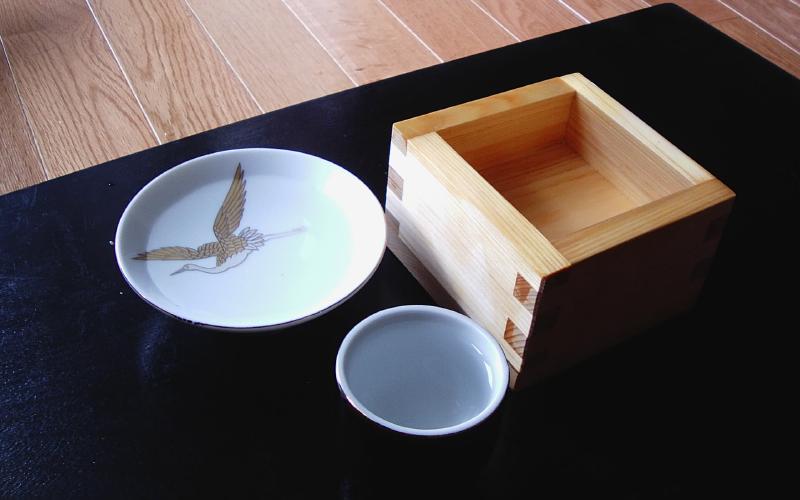 Traditional sake serving set with tokkuri (flask) and ochoko (cups) - the vessels used in sake tasting experiences. Source: Wikimedia Commons
Japanese Sake Ponytail (日本酒ポニーテール / Nihonshu Ponytail), also known as "日本酒片手に-ポンカター" (Sake in One Hand - Ponkata), represents Japan's first "sake dungeon" - a unique multi-level sake experience center located in Osaka's bohemian Nakazakicho neighborhood. 🔗
The establishment's distinctive three-floor concept creates an immersive journey into sake culture: the first floor operates as a standing bar (tachinomi), the second floor functions as a traditional bar, and the third floor serves as an intimate salon. As visitors ascend through the floors, they are progressively drawn deeper into the world of sake appreciation and Japanese drinking culture. 🔗
Cultural & Religious Significance
What sets this venue apart is its commitment to authentic sake education combined with entertainment. The owner has worked at a sake brewery, and all staff members - who famously wear ponytails as the establishment's signature - provide lessons on sake culture and proper drinking etiquette. The venue specializes in offering sake paired with culture, research, and entertainment every day, creating an experience that goes far beyond simple drinking. 🔗
The standing bar format (tachinomi) represents an authentic Japanese cultural experience dating back to the Edo period (1603-1868), when sake shops first offered quick drinks to local patrons. This traditional format has experienced a modern revival, evolving from working-class salarymen havens into diverse gathering spots welcoming all ages and backgrounds. 🔗
Located in Nakazakicho, one of the few Osaka neighborhoods to survive World War II firebombing, the venue sits within a bohemian district known for its preserved Showa Era (1926-1989) architecture, independent art galleries, vintage shops, and creative cafes. This historic setting adds an authentic cultural layer to the sake tasting experience. 🔗
Visiting Information
Address: 3-8-5 Tenjinbashi, Kita Ward, Osaka (大阪市北区天神橋3-8-5 アイリス天神橋)
Hours:
- Monday: 11:00-15:00 (Lunch only)
- Tuesday-Friday: 11:00-15:00 (Lunch), 16:00-23:30 (Dinner)
- Wednesday: Partial hours (verify before visiting)
- Saturday: 10:00-15:00 (Lunch), 16:00-23:30 (Dinner)
- Sunday: 16:00-23:30 (Evening only)
- Note: Irregular business hours - always verify before visiting 🔗
Admission:
- Average price range: ¥3,000-¥3,999 per person
- Budget options available: ¥1,000-¥1,999
- Individual menu items:
- Onigiri Fish Gozen: ¥1,500
- Matsusaka Beef Liver Skewers: ¥370 (tax included)
- Drinks average ¥300 per serving (typical tachinomi pricing) 🔗
Reservations: Available online through Tabelog, no sign-up required 🔗
Payment: Accepts credit cards and PayPay 🔗
Facilities: Counter seating only (standing bar format); ashtray available outside; no dedicated parking mentioned 🔗
Current status: Open and operating; opened October 6, 2023; rated 3.47/5 on Tabelog with 206 reviews 🔗
Getting There:
From Hotel Universal Port:
- Walk 3 minutes to Universal-city Station (JR Yumesaki Line)
- Take JR train to Osaka Station (approximately 15 minutes)
- Transfer to Nakazakicho area - accessible from Chayamachiguchi exit of Hankyu Umeda station
- Total journey: approximately 25-30 minutes 🔗
Nearest Station: Ogimachi Station - 214 meters away (approximately 3-minute walk) 🔗
Alternative Access: Also accessible from Nakazakicho Station (Osaka Metro Tanimachi Line) or short walk from Umeda/Osaka Station area 🔗
The Experience
The Sake Dungeon Experience:
Visitors experience a progressive journey through three distinct floors, each offering a different atmosphere and level of sake immersion. The first-floor standing bar provides a casual, authentic tachinomi experience where locals and visitors mingle over sake and small plates. The second-floor bar offers more intimate seating and focused tasting opportunities. The third-floor salon provides an exclusive setting for deeper sake appreciation. 🔗
Sake Selection & Education:
With over 40 varieties of sake available, the selection changes seasonally to showcase different regional producers and brewing styles. Staff members, trained by the brewery-experienced owner, provide comprehensive lessons on sake culture, brewing methods, regional variations, and proper tasting techniques. This educational component transforms drinking into cultural learning. 🔗
The venue offers exposure to different sake categories:
- Honjozo: Rice polished to 70% - approachable, versatile
- Ginjo: Rice polished to 60% or less - aromatic, refined
- Daiginjo: Rice polished to 50% or less - premium, delicate
- Junmai: Pure rice sake without brewing alcohol - full-bodied, food-friendly 🔗
Culinary Pairings:
The menu focuses on traditional Japanese comfort foods designed to complement sake:
- Onigiri (rice balls): Freshly made, all-you-can-eat option, perfect with sake as both pair with rice
- Matsusaka beef liver skewers: Premium regional specialty, tender and flavorful
- Seafood dishes: Light preparations highlighting seasonal catches
- Traditional sake accompaniments: Pickles, grilled items, simmered vegetables 🔗
Cultural Immersion:
The standing bar format itself represents authentic Japanese drinking culture. Unlike Western bars with stools, tachinomi encourage dynamic social interaction, quick turnover, and egalitarian mingling across social classes. The one-hour recommended visit time reflects traditional etiquette that allows continuous customer flow while maintaining intimate atmosphere. 🔗
Practical Visiting Tips
November 2025 Seasonal Considerations:
Weather & Comfort:
- November temperatures in Osaka: 10°C nights, 17°C days - ideal for warm sake appreciation 🔗
- Venue's standing format keeps you active; layer clothing as you may warm up
- Nakazakicho's outdoor walking exploration pleasant in autumn temperatures
Sake Temperature Traditions:
- November perfectly suited for "nuru-kan" (lukewarm sake at 40°C) - traditional autumn serving style 🔗
- Also ideal for "hinata-kan" (30°C - pleasantly warm like sunny spot) and "hitohada-kan" (35°C - body temperature)
- Request staff recommendations for seasonal sake and optimal serving temperatures
Autumn Food Pairings:
- Seasonal ingredients featured in November menu preparations
- Osaka sake's sharp, dry profile complements autumn seafood and grilled items 🔗
- Warm sake enhances umami flavors in traditional Japanese autumn dishes
Neighborhood Atmosphere:
- Nakazakicho's fall foliage season active in November (late October-mid December peak) 🔗
- Bohemian district's preserved Showa-era architecture particularly photogenic in autumn light
- Nearby art galleries, vintage shops, and cafes perfect for pre- or post-sake exploration 🔗
Crowd Management:
- Popular venue with 30-60 minute waits reported during peak dinner hours
- Lunch service (especially Saturday 10:00 AM start) less crowded
- Standing bar format facilitates faster turnover than seated restaurants
- Weekday lunch (11:00-15:00) offers most relaxed experience 🔗
Cultural Etiquette - Sake Drinking Customs:
Never Pour Your Own Sake: The golden rule of Japanese sake etiquette - always pour for others, never fill your own cup. This practice, called "O-shaku," developed as a sign of respect and community bonding. 🔗
Proper Pouring Technique: Use both hands when serving - hold the tokkuri neck with your dominant hand and support the bottom with your other hand for stability and respect. When pouring for a superior, this two-handed approach is essential. 🔗
Receiving Sake: When someone pours for you, pick up your cup from the table and raise it slightly to meet them halfway. After receiving, take at least one sip before placing the cup down. When receiving from a superior, hold the cup with one hand while supporting it with your other hand underneath. 🔗
Savoring vs. Shooting: Sake is meant to be savored slowly through small sips to appreciate complex flavors and aromas. Despite "kampai" (dry the cup) toasts, you're not expected to finish in one gulp - sip at your own pace. 🔗
"Wa" - Harmonious Unity: Sake etiquette embodies the concept of "wa" (peaceful unity within social groups). The mutual pouring ritual and sharing experience create social bonds central to Japanese drinking culture. 🔗
Practical Visit Strategy:
Timing Recommendations:
- Arrive at lunch service opening (11:00 AM weekdays, 10:00 AM Saturday) to avoid waits
- Sunday evening (16:00 opening) less crowded than Friday/Saturday nights
- Budget 1 hour total visit time per tachinomi tradition 🔗
Money-Saving Strategies:
- Lunch service typically offers better value than dinner
- Tachinomi pricing averages ¥300 per drink (lower than seated izakaya)
- All-you-can-eat onigiri provides filling, affordable accompaniment
- Budget ¥1,000-¥2,000 for satisfying experience vs. ¥3,000+ for full dinner 🔗
Language Preparation:
- Staff trained in sake education may have basic English for sake descriptions
- Learn key phrases: "O-sake no osusume wa?" (What sake do you recommend?), "Kore wa atsukan desu ka?" (Is this warm sake?)
- Tabelog reviews suggest welcoming atmosphere despite potential language barriers
- Point to sake menu and request "omakase" (chef's/bartender's choice) for curated experience
What to Order:
- Request seasonal sake recommendations from knowledgeable staff
- Try multiple sake styles (honjozo, ginjo, junmai) to compare
- Order Matsusaka beef liver skewers (¥370) - visitor favorite
- Experience all-you-can-eat onigiri for authentic sake pairing 🔗
Comfort Considerations:
- Standing bar format: wear comfortable shoes for 1-hour standing visit
- Counter seating only - no tables or chairs available
- Small venue may feel crowded during peak times
- Smoking area outside only (venue is smoke-free inside)
Photography Best Practices:
- Ask permission before photographing staff or other customers
- Traditional sake vessels (tokkuri, ochoko) and bottle displays make great shots
- Interior lighting may require phone camera night mode
- Capture signature "ponytail staff" theme with respectful permission
Social Experience:
- Solo travelers welcomed in tachinomi culture - easy to meet locals
- Staff trained to engage and educate visitors about sake
- Mutual sake-pouring custom facilitates social interaction with neighbors
- International visitors increasingly common in modern tachinomi revival 🔗
Nearby Integration:
Within Nakazakicho Neighborhood (Walking Distance):
- Salon de AManTo: Community art space run by 30 independent artists, showcasing local creative work 🔗
- Picco Latte: Instagram-worthy cafe with dried flower decor, perfect for post-sake coffee 🔗
- La Granda Familio: Healthy food cafe focusing on locally-produced ingredients 🔗
- Vintage Thrift Shops: Numerous second-hand clothing stores throughout preserved Showa-era buildings
- Independent Art Galleries: Galleries showcasing contemporary Japanese artists in historic settings
Nearby Osaka Attractions:
- Umeda Sky Building: 10-minute walk - iconic observatory with panoramic city views
- Osaka Station City: Adjacent to Nakazakicho - major shopping and dining complex
- Tenjinbashisuji Shopping Street: Japan's longest shopping arcade, nearby in same district
- Osaka Castle Park: 15-20 minutes by transit - autumn foliage peak in November 🔗
Important Notes:
Reservation Strongly Recommended: Popular venue with 30-60 minute waits during peak hours. Online reservation through Tabelog requires no signup and guarantees entry. 🔗
Irregular Hours: Operating schedule varies, particularly on Wednesdays. Always verify hours before visiting, especially for November 2025 dates. Check Tabelog or call ahead (phone: 06-6450-5330). 🔗
Standing Bar Format: No seating available - entirely standing counter service. Not suitable for visitors requiring seated dining. Plan for 1-hour maximum visit per tachinomi etiquette. 🔗
Alcohol Consumption: As a sake-focused venue, all offerings involve alcohol. Not suitable for non-drinkers seeking dining experience. Responsible consumption essential - standing format and one-hour custom help moderate intake.
Location: View on Google Maps
Source: attractions/osaka/japanese-sake-ponytail.md