
About
 Visitors using traditional geothermal steam pots at Jigoku Mushi Kobo Kannawa, courtesy of Visit Oita Tourism
Jigoku-mushi (地獄蒸し, literally "hell steaming") is Beppu's signature culinary experience, a 250-year traditional geothermal steam cooking method documented in the Edo-period text "Tsurumi Shichitouki." 🔗 At Jigoku Mushi Kobo Kannawa, visitors experience this sustainable cooking tradition firsthand, using 98°C mineral-rich geothermal steam that naturally enhances flavors with subtle saltiness while requiring no oil or added seasoning. 🔗 Located in the cultural heart of Kannawa Onsen district, this community facility blends restaurant and public kitchen, staffed by volunteers and operated by Beppu City since 2010 to revive and preserve centuries-old hot spring culture. 🔗 The practice represents sustainable geothermal cooking using 100% renewable energy with zero carbon footprint, maintaining traditions still used by local residents. 🔗
Precise Location: 〒874-0044 別府市風呂本5組(いでゆ坂沿い)/ Furobon 5-kumi, Beppu City, Oita Prefecture (along Ideyu-zaka slope) 🔗
Cultural & Religious Significance
Jigoku-mushi represents a 250-year culinary tradition documented in "Tsurumi Shichitouki," a historical text from the Edo period depicting traditional cooking methods through pictures and narrative. Originally developed by long-term hot spring therapy patients (湯治客, tōji-kyaku) in Kannawa, the method utilized abundant geothermal steam by laying straw mats over steam vents, pouring water, placing rice mixed with mochi and vegetables, then covering with another mat for steaming. 🔗
The cooking technique reflects Japanese values of sustainability and resourcefulness, using 100% geothermal energy to prepare healthy, additive-free meals. The jigoku-gama (hell ovens) are constructed from stone or brick, sometimes reinforced with concrete, designed to channel geothermal steam from underground hot-spring sources. This gentle cooking method preserves nutrients while naturally infusing food with subtle sodium chloride from the mineral-rich steam. 🔗 🔗
The Jigoku Mushi Kobo Kannawa facility opened as part of Beppu City's initiative to revive and preserve old hot spring culture for contemporary visitors, maintaining traditional practices while making them accessible to tourists. 🔗
Visiting Information
Access:
- Bus (Recommended): From JR Beppu Station, take Kamenoi Bus routes 5 or 7 bound for "Kannawa," disembark at "Kannawa" bus stop (approximately 15 minutes), then walk approximately 1 minute 🔗
- By Car: 20 minutes from JR Beppu Station; 10 minutes from Beppu IC (expressway interchange) 🔗
- Parking: Free parking available with 26 spaces near facility 🔗
- Landmarks: Located a few steps down from Kannawa bus terminal, along Ideyu-zaka slope in central Kannawa Onsen town 🔗 🔗
Operating Hours: 9:00 AM - 9:00 PM (last cooking start at 8:00 PM) 🔗
Closed: Third Wednesday of each month (or next day if Wednesday is a holiday) 🔗
Contact: Phone 0977-66-3775 🔗
Admission & Costs:
- Steam Chamber Rental:
- Food Options:
- Expected Total Cost: ¥2,000-¥4,000 per person 🔗
Current Status: Operational as of 2025 with full services available 🔗
The Jigoku-Mushi Experience
The facility functions as a hybrid restaurant-public kitchen with rows of communal steam chambers available for rent. Upon arrival, visitors use a vending machine with pictorial menu to purchase chamber rental tickets and optional ingredient sets - all labeled in English with volunteer staff ready to assist. 🔗 🔗
Step-by-Step Process
- Ticket Purchase: Use vending machine to buy steam chamber rental ticket (pick up multilingual instruction sheet) 🔗
- Ingredient Selection: Either bring your own ingredients or purchase prepared sets from on-site offerings 🔗
- Preparation: Place ingredients in provided colander baskets, separating by cooking time 🔗
- Steam Cooking: Insert baskets into jigoku-mushi pot, twist valve to release 98°C geothermal steam 🔗
- Timing: Borrow facility timer, monitor cooking times (volunteers assist if needed) 🔗
- Dining: Season cooked food with provided condiments (salt, soy sauce, ponzu), enjoy communal dining atmosphere 🔗
- Clean-Up: Tidy your eating area before departure 🔗
Recommended Ingredients for First-Timers
- Easiest: Eggs (10 minutes) for onsen tamago, soft vegetables, fish, shellfish, shrimp (5-15 minutes) 🔗
- Intermediate: Root vegetables like sweet potatoes, lotus root (20 minutes) 🔗
- Advanced: Meat (longer cooking time), rice (challenging for beginners) 🔗
- November Seasonal: Mushrooms, autumn root vegetables, seasonal produce 🔗
The Flavor Profile
Food emerges naturally seasoned from mineral-rich hot spring steam, imparting subtle salty taste without additional seasonings. The gentle oil-free cooking method creates tender textures while locking in nutrients and natural flavors. 🔗 🔗
Practical Visiting Tips
Best Time to Visit
- Weekdays: Significantly shorter wait times, recommended for time-conscious travelers 🔗
- Weekends/Holidays: Wait times can reach 2-3 hours 🔗
- November Visit: Optimal for dramatic steam displays due to cooler temperatures contrasting with hot steam 🔗
November 2-3 Considerations
Seasonal Advantages:
- Enhanced Steam Visibility: Cooler November temperatures create dramatic contrast with 98°C steam, producing thick atmospheric clouds that define Kannawa's character 🔗
- Comfortable Weather: Brisk air with clear skies typical of November makes outdoor walking pleasant between facilities 🔗
- Autumn Ingredients: Seasonal mushrooms, root vegetables, and autumn produce ideal for jigoku-mushi preparation 🔗
- Post-Cooking Onsen: Cool weather makes hot spring bathing especially appealing after the cooking experience 🔗
Timing Recommendations:
- Lunch Visit (11:00 AM-1:00 PM): Experience traditional meal timing, moderate crowds on weekdays
- Early Evening (5:00-7:00 PM): Steam particularly visible as temperatures drop, atmospheric lighting
- Allow 1.5-2 hours total for complete experience without rushing
Crowd Management
- Arrive early (facility opens 9:00 AM) on weekends/holidays to minimize wait 🔗
- If crowded, take numbered ticket from entrance and explore nearby attractions while waiting 🔗
- Consider nearby supermarket for cheaper, more varied ingredients versus on-site premium options 🔗
Food Selection Tips
- Beginners should start with egg and vegetable combinations (quick cooking, forgiving) 🔗
- Seafood Set (¥1,950) highly recommended for comprehensive first experience 🔗
- Bringing your own ingredients significantly reduces costs while offering ingredient control 🔗
- Separate colanders by estimated cooking time to avoid overcooking 🔗
Money-Saving Options
- Small chamber (¥400 for 15 min) sufficient for 1-2 people with modest portions
- Purchase basic ingredients at nearby supermarket rather than premium facility sets
- Share chamber and food costs with travel companions
- Free amenities: foot steam bath, foot bath, drinkable hot spring water fountain 🔗
Cultural Etiquette
- Volunteers provide assistance - don't hesitate to ask for help or clarification 🔗
- Communal kitchen atmosphere encourages friendly interaction with other visitors 🔗
- Clean your eating area thoroughly before leaving (standard Japanese public facility etiquette) 🔗
- No alcoholic beverages allowed on premises 🔗
- Minimum age: Junior high school (approximately 12 years old) and up 🔗
Photography & Documentation
Best Photo Opportunities:
- Steam valve release moment (dramatic jets of geothermal steam)
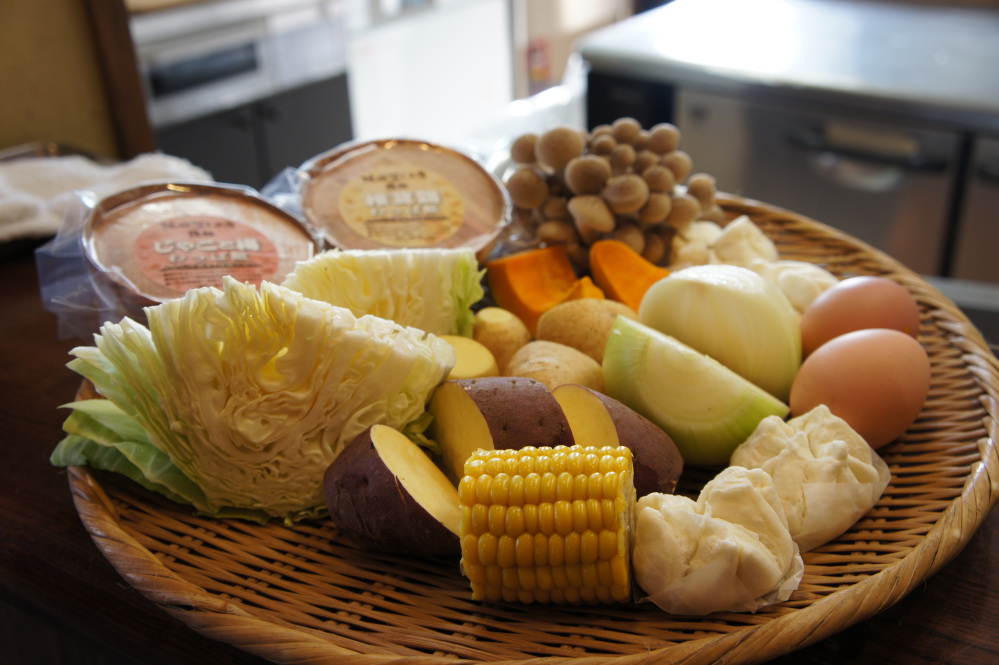
- Baskets of colorful raw ingredients before cooking
- Opening steam chambers to reveal cooked food
- Wide shots of communal kitchen with multiple visitors cooking simultaneously
- External shots of steam rising from Kannawa district streets as context
Photography Etiquette:
- Photos generally permitted inside facility
- Be considerate of other diners' privacy when photographing
- External architectural and steam shots freely permitted
Weather & Seasonal Preparation
- Morning/evening temperatures cool - bring layers for walking to/from bus stop
- Steam creates localized humidity - protect electronic devices during cooking
- Rain increases steam visibility but requires appropriate outerwear for walking
- Clear autumn days provide excellent photography lighting despite less dramatic steam
Integration with Other Locations
Connection to Kannawa Accommodation: Your accommodation at Beppu Kannawa Onsen HIROMIYA places you in the heart of jigoku-mushi culture. The facility is within easy walking distance (5-10 minutes) from most Kannawa area accommodations.
Nearby Attractions (5-15 minutes walk):
- Free foot steam bath and foot bath at pocket park adjacent to facility 🔗
- Kannawa bus terminal (access hub for Kannawa district) 🔗
- Ideyu-zaka slope with traditional hot spring architecture
- Hells of Beppu (Jigoku Meguri) - Seven colorful hot spring viewing sites 🔗
- Kannawa steam vents and traditional mushi-yu steam baths 🔗
- Traditional ryokan and public onsen facilities
- Hyotan Onsen (popular hot spring complex)
Complementary Experiences:
- Combine jigoku-mushi cooking with Jigoku Meguri (Hell Tour) for comprehensive geothermal experience
- Visit traditional onsen after cooking for full hot spring culture immersion
- Explore Kannawa's steaming streets and historic hot spring architecture
Broader Beppu Experience:
- Jigoku-mushi represents one pillar of Beppu's "eight hot spring districts" (Beppu Hattō) culture
- Kannawa district has the highest concentration of hot spring sources in Beppu 🔗
- This cooking experience complements other Beppu attractions: sand baths, mud baths, Hell Tour, hot spring museum
Important Notes
Essential Reminders:
- Wait times on weekends/holidays can exceed 2 hours - plan accordingly or visit on weekdays 🔗
- Last cooking start at 8:00 PM (20:00) - arrive with buffer time for preparation 🔗
- Facility closed third Wednesday of each month - verify your visit date doesn't conflict 🔗
- No alcoholic beverages permitted on premises 🔗
- Minimum participant age: Junior high school level (approximately 12 years) 🔗
Sustainability Highlight: This experience represents one of Japan's most sustainable culinary traditions, using 100% renewable geothermal energy with zero fuel costs or emissions. The city-operated facility preserves cultural heritage while promoting environmentally conscious tourism. 🔗
Location: View on Google Maps
Source: attractions/beppu/jigoku-mushi-cooking.md