About
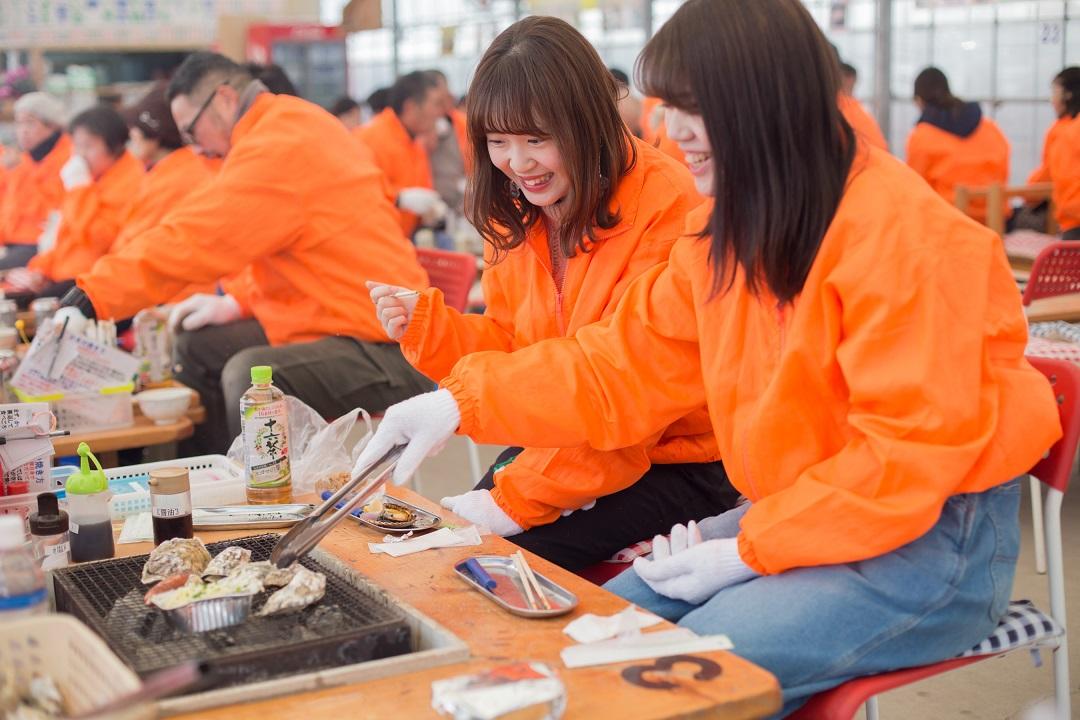 Fresh oysters grilling on charcoal at an Itoshima kakigoya. Source: VISIT FUKUOKA Official Tourist Guide
Kakigoya (oyster huts) represent a cherished winter tradition in Fukuoka Prefecture, where seasonal dining establishments pop up at fishing ports from late October through March. At Fukuyoshi Fishing Port, four family-operated huts offer visitors the unique opportunity to grill fresh oysters and seafood directly over charcoal or gas grills in a communal, greenhouse-like setting. 🔗
The tradition began around 1990 when local fishermen started farming oysters in the nutrient-rich waters of the Genkai Sea and established these seasonal huts to sell their harvest directly to consumers. The Itoshima Peninsula's unique geography—close to mountains with nutrient-rich river water flowing into the sea—creates ideal conditions for oyster farming. Itoshima oysters, branded for their plump texture and milky sweetness, are among Japan's most famous oysters. 🔗 🔗
Cultural & Culinary Significance
The kakigoya tradition emerged in the early 1990s as a direct-to-consumer model for local oyster farmers. What began as a practical solution for fishermen to sell their harvest has evolved into one of Kyushu's most distinctive seasonal dining experiences and a cornerstone of Fukuoka's winter culinary scene. The Genkai Sea, recognized as one of Japan's richest fishing grounds, has supported the region's fishing industry for centuries. 🔗
Kakigoya serve as more than dining establishments—they are cultural gathering places that bridge the local fishing community with visitors. The tradition embodies seasonal awareness, direct community connection through family operation by active fishermen, communal dining fostering social atmosphere, and hands-on experience creating engagement. Every year from November through March, these huts become bustling centers of activity. 🔗
The Four Fukuyoshi Huts (2024-2025)
1. Kaki no Masuda (Zenko-maru)
- Nov 2, 2024 - Mar 23, 2025
- Hours: 10:00-17:00
- Capacity: 150 people (40 tables)
- Features: 6 free oyster toppings, complimentary drink for train passengers on weekdays
- Charcoal/Gas: ¥500
2. Shinei-maru
- Nov 2, 2024 - Mar 30, 2025
- Hours: 10:00-17:00 (Last Order 16:00)
- Capacity: 150 people (30 tables)
- Features: Ladies' Days (free shrimp Tue/Wed), half-price draft beers Thu/Fri, free station transportation weekdays
3. Hiryu-maru (Kaki no Abe)
- Nov 2, 2024 - Mar 30, 2025
- Hours: 10:00-17:00 (Last Entry 16:00)
- Capacity: 120 people (23 tables)
- Offerings: Cuttlefish, homemade dried horse mackerel
4. Umemoto no Kaki / Saiunmaru
- Nov 16, 2024 - Mar 23, 2025
- Hours: 10:00-17:00
- Capacity: 60 people (12 tables)
- Feature: Sea view location, can bring most foods except meat
Visiting Information
Access
By Train: JR Chikuhi Line to Fukuyoshi Station (50 min from Hakata, ¥870), walk 10-12 min to port—most accessible location by public transport
By Car: From Maebaru IC approximately 20 minutes; parking available at fishing port
From Accommodation: 15-20 minutes by car via Route 202
Practical Details
- Pricing: ¥1,200/kg oysters (~11-12 pieces), standardized across cooperative huts
- Equipment: Free rental of jackets, gloves, tongs, oyster knives
- Reservations: Highly recommended weekends (arrive before 11 AM or call ahead); less critical weekdays
- Time Limit: 1.5-hour maximum seating
- Daily Closure: Huts close when oysters run out (can be mid-afternoon on busy days)
The Kakigoya Experience
Grilling Process
- Place oysters flat-side down on grill
- Wait a few minutes, then flip
- Shells open naturally from heat
- Ready when meat turns from semitransparent to white
- Use gloves and shucking knife to open safely
- Season with provided condiments (soy sauce, ponzu, lemon)
The Atmosphere
Inside plastic greenhouse-style huts, rows of low tables outfitted with charcoal or gas-fueled barbecues create smoky, lively, communal environment. Sounds of sizzling seafood, friendly chatter, and occasional "oyster bombs" (oysters popping open dramatically) fill the space. Rustic setting with scenic views of fishing port and Mt. Nijodake creates authentic connection to Itoshima's fishing heritage. 🔗 🔗
Menu Beyond Oysters
- Scallops, turban shells, squid, prawns/shrimp, cuttlefish
- Wild clams (November-March season)
- Oyster rice, grilled rice balls, seafood soup
- Dried fish, homemade dried horse mackerel (Hiryu-maru)
- Beer, sake, non-alcoholic beverages
- BYO alcohol typically allowed (confirm with hut)
November Visit Advantages
- Peak Freshness: Early November oysters at prime quality
- Optimal Weather: Comfortable autumn temperatures
- Newly Opened Season: Abundant inventory
- Wild Clam Season: November marks start (Nov-March)
- Weekday Advantage: Significantly fewer crowds if Nov 1-2 fall on weekdays
- Oyster Season: Late Oct-March; over 20 houses open across six districts, ¥1,200/kg
Practical Visiting Tips
What to Wear
- Casual, disposable clothes (smoke smell and oyster juice inevitable)
- Accept provided jacket (protection from "oyster bombs" and ash)
- Avoid fashionable or flowing clothes
- Closed-toe shoes recommended
What to Bring
- Favorite toppings (butter, mayonnaise, kimchi, olive oil)
- Wet tissues for cleanup
- Beverages (most huts allow BYO drinks including alcohol)
- Side dishes (onigiri, snacks typically allowed; meat generally prohibited)
- Cash (small establishments may not accept cards)
Safety and Etiquette
- Shell Placement: Point opposite side of hinge away from people
- Oyster Bombs: Shells can pop, spraying seawater—normal and part of experience
- Use Gloves: Always use provided cotton gloves for hot shells
- Ask Staff: Don't hesitate to ask about grilling techniques
- Respect Time Limits: Be mindful of 1.5-hour seating time during busy periods
Crowd Avoidance
- Arrive at opening (10:00 AM) for best selection and no wait
- Choose weekdays (dramatically less crowded than weekends)
- Early season (November) less crowded than peak December-January
- Call ahead to reserve or confirm availability
Money-Saving Options
- BYO beverages and toppings
- Train passenger perks (Kaki no Masuda: complimentary drink weekdays)
- Ladies' Days (Shinei-maru: free shrimp Tue/Wed)
- Beer specials (Shinei-maru: half-priced Thu/Fri)
- Free transportation (Shinei-maru: weekday station pickup)
Nearby Attractions
Fukuyoshi Area:
- Hakuryusan Myogenji Temple (12m-high Buddha statue, 10-min walk)
- Faimiru Bakery (fresh breads, pastries)
- Fuku Fuku no Sato (farm-direct shop, local produce)
- Rita Cafe (organic cafe, locally grown products)
- Itoshima Pork Shop BuuBu (local pork specialties)
Broader Itoshima:
- Futamigaura Beach (Meoto Iwa): Famous sunset spot, 20 min by car
- Sakurai Futamigaura: Torii gate in sea
- Other oyster hut districts: Kafuri, Funakoshi, Kishi ports
Important Notes
Oyster Bomb Phenomenon: When seawater trapped inside oysters evaporates, shells can pop dramatically, potentially spraying hot liquid. Point oysters away from people and wear protective jackets. 🔗
Clothing Impact: You will smell like smoke and seafood after visiting. Plan accordingly for evening activities.
Daily Supply Limits: Huts close when oysters run out (potentially mid-afternoon on busy days). Early arrival ensures full selection.
Time Constraints: 1.5-hour seating limit enforced during busy periods.
Cash Recommended: Small, family-run establishments may not accept credit cards.
Location: View on Google Maps
Source: attractions/itoshima/kakigoya-fukuyoshi.md