
About
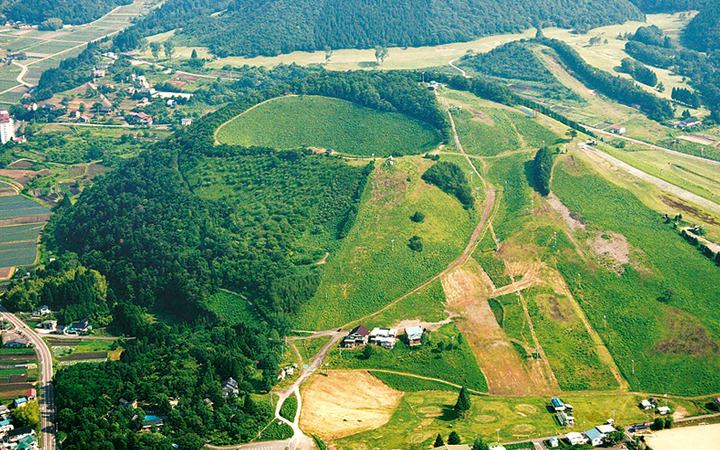 Volcanic landscape of the Kannabe Highlands showing unique terrain and natural beauty of this UNESCO Global Geopark site
The Kannabe Highlands is a volcanic highland area built around Mount Kannabe, a 25,000-year-old inactive volcano in Hidaka Town, Toyooka City. The volcanic activity has created a unique landscape featuring a crater 750 meters in circumference and 50 meters deep, along with lava flows extending up to 15 kilometers. The area is designated as part of the San'in Kaigan UNESCO Global Geopark and Hiruzenyama Maeyama Nahiyama Quasi-National Park. 🔗
Cultural & Religious Significance
Geological Heritage: The Kannabe Highlands represents one of the Kinki region's youngest volcanic areas, with Mount Kannabe's last eruption occurring approximately 25,000 years ago. The basaltic lava flows and scoria hills create ideal conditions for understanding volcanic geology and its impact on regional landscape formation. 🔗
Cultural Context: The area serves as the birthplace of world adventurer Uemura Naomi, reflecting the highlands' connection to outdoor adventure culture. The mineral-rich volcanic soil supports abundant vegetation and local agriculture, particularly vegetables that feature prominently in regional cuisine and cultural identity. 🔗
UNESCO Recognition: As part of the San'in Kaigan UNESCO Global Geopark, the highlands contribute to international understanding of volcanic processes and geological education, representing significant scientific and cultural value for both Japanese and international visitors.
Visiting Information
Hours: Open year-round for hiking and outdoor activities (spring to fall for trails), with free access to hiking trails and crater exploration. Guided tours available by advance reservation through local tourism offices. 🔗
Access from Kinosaki Onsen (50-minute journey):
- Train: JR San-in Line from Kinosaki Onsen Station to Ebara Station (20 minutes)
- Bus: Zentan Bus from Ebara Station to "Kannabe Onsen Yutorogi Mae" stop (30 minutes)
- Alternative by Car: 40-minute direct drive from Kinosaki Onsen
Transportation Details: Zentan Bus operates regular service requiring exact change. Check current bus timetables with Zentan Bus (0796-32-0013). Alternative stops include Kurisuno for Tawara Falls and Jūgo for Jūgo Falls. 🔗
The Experience
Mount Kannabe Crater Trek: Easy to moderate 20-30 minute hike to crater rim provides access to the 750-meter circumference crater with 50-meter depth. Visitors can explore scoria layers and enjoy panoramic highland views while understanding volcanic formation processes. 🔗
Hattan no Taki Waterfall: The area's largest waterfall at 24 meters height features an azure-colored basin and emerald green waters. Located 10-minute walk from Nashiki bus stop, this waterfall represents the most significant along Kannabe's lava flow and provides popular photography opportunities with stunning color contrasts.
Wind Cave (Fūketsu): Natural phenomenon featuring constant 8°C air flow through a cave 6 meters deep and 8 meters high. Historically used as natural refrigeration before modern cooling technology, demonstrating traditional adaptation to geological features.
Volcanic Rock Trekking: Comprehensive 2.5-hour trail exploring ancient lava tubes and geological formations. Guided tours provide detailed explanation of volcanic processes, rock formation, and regional geological significance.
Practical Visiting Tips
October 28-30 Seasonal Advantages: Peak autumn foliage season provides vibrant fall colors in highland forests. Golden Japanese pampas grass decorates the crater area. Comfortable temperatures ideal for hiking (mid-October to mid-November optimal timing). High probability of morning sea of clouds phenomenon from nearby Mt. Kuruhi (5:30 AM viewing). 🔗
Hiking Preparation: Sturdy hiking shoes essential for lava flow trails with uneven, slippery surfaces. Trails include both paved and unpaved sections with grassy, uneven terrain. Some areas like wind cave are closed for safety but remain visible from outside. 🔗
Local Cultural Integration: Local restaurants serve highland vegetables grown in mineral-rich volcanic soil. Geo-guides available for volcanic rock trekking with advance reservation. Multiple waterfalls accessible along lava flow trail including Tawara Falls and Jūgo Falls, plus Jugo-no-wakimizu spring and Kuroboku vegetable fields.
Photography Opportunities: Best morning light for sea of clouds and crater views. Waterfall photography benefits from azure basin color contrasts. Autumn foliage provides vibrant backdrop against volcanic geological features.
Safety Considerations: Weather can change quickly in highland areas. Wind cave viewing restricted to outside viewing for safety. Lava flow trails require proper footwear due to uneven surfaces and potential slippery conditions.
Transportation Strategy: Public transportation requires coordination with bus schedules. Exact change required for Zentan Bus service. Consider multiple stops for different attractions (Nashiki for Hattan Falls, alternative stops for other waterfalls).
Integration with Kinosaki Experience: Perfect complement to hot spring relaxation by offering active outdoor experiences contrasting with therapeutic onsen culture. Highland agricultural focus on volcanic soil vegetables connects with Kinosaki's culinary culture and regional specialty ingredients.
Accessibility Considerations: Crater rim accessible with moderate hiking ability. Some trails more challenging than others. Public transportation requires coordination with limited bus schedules. Alternative car access provides more flexibility for comprehensive exploration.
Location: View on Google Maps
Source: attractions/kinosaki/kannabe-highlands.md