
About
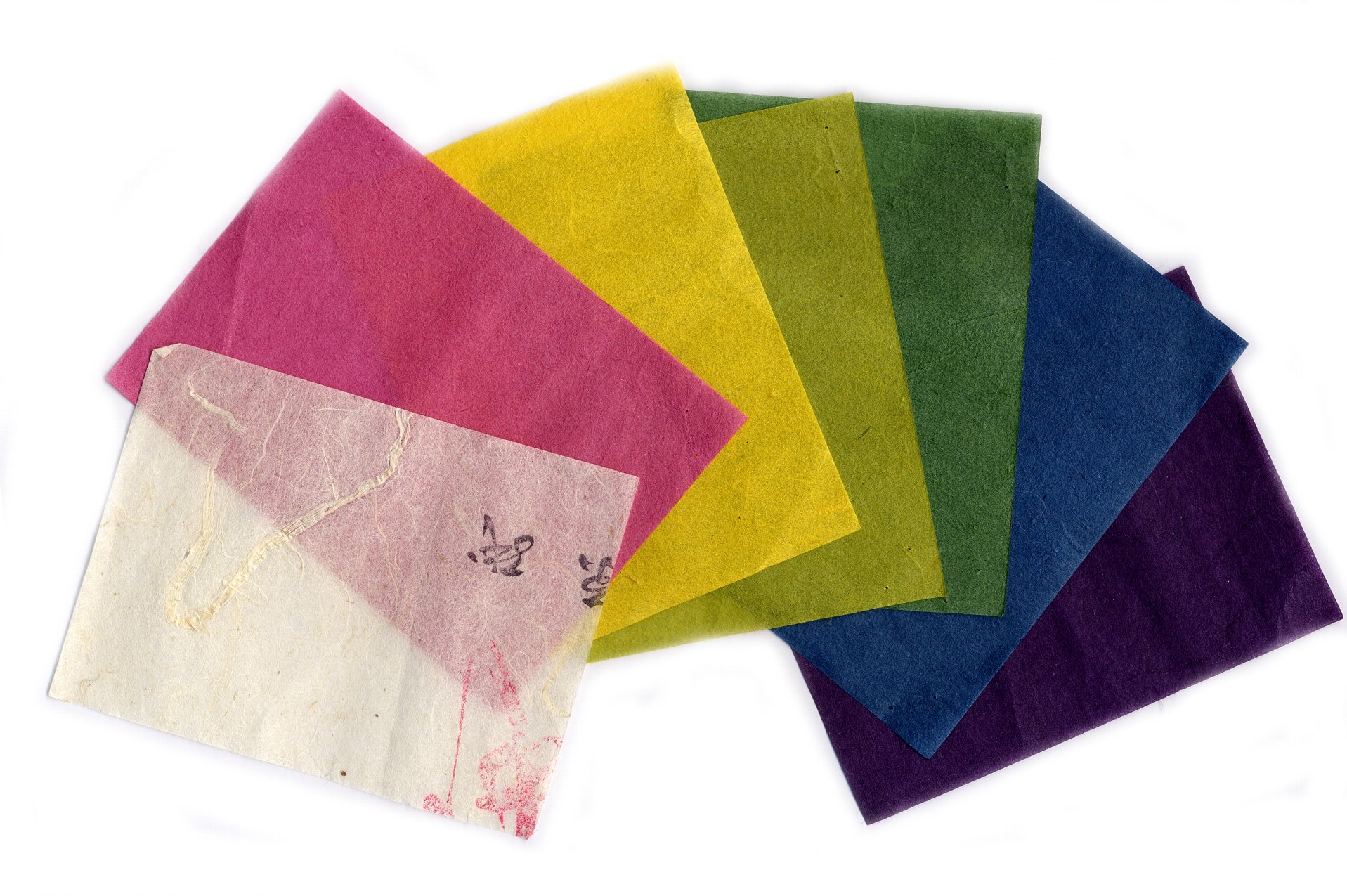 Traditional washi paper showing the characteristic texture and quality of Japanese handmade paper
Karasuyama Washi Workshop (Washi-no-Sato / 和紙の里), operated by Fukuda Paper Mill, represents the last surviving producer of Karasuyama washi, a 1,200-year-old papermaking tradition dating to the Nara period (710-794 AD). 🔗 This hands-on cultural experience allows visitors to learn traditional Japanese papermaking techniques that have been designated as a national intangible cultural property since 1977. 🔗
Currently, only Fukuda Paper Mill continues to produce this paper using traditional hand-making methods in a quiet mountain village, about 10-15 minutes by car from the Karasuyama Washi Kaikan in the city. 🔗 The workshop at Washi-no-Sato preserves techniques where rare Nasu kozo (paper mulberry) serves as the raw material. All stages of production—from boiling the raw materials to papermaking and drying—are completed by hand using methods unchanged for over a millennium. 🔗
Cultural & Religious Significance
1,200-Year Heritage from Nara Period
Karasuyama washi papermaking has been passed down by artisans in Nasukarasuyama since the Nara period (710-794 AD), formerly known as Nasu paper and renowned throughout Japan as thick, high-quality paper. 🔗 This millennium-spanning tradition places Karasuyama washi among Japan's oldest continuously practiced crafts, predating the samurai era and surviving through centuries of political and cultural upheaval.
National Intangible Cultural Property Designation
This dedication to traditional craftsmanship earned Karasuyama Tesuki-washi designation as a national intangible cultural property in 1977. 🔗 The recognition acknowledges both the technical mastery required and the cultural importance of preserving these ancient papermaking methods in an age of industrial paper production.
Modern Cultural Applications
The paper varieties produced include hodomura-shi, santome-gami, oshie-gami, and some-gami, each serving different traditional and modern purposes. 🔗 Karasuyama washi continues to be used for important cultural applications, including:
- School graduation diplomas throughout Tochigi Prefecture and beyond
- Harikayama paper mountain backgrounds for the UNESCO-recognized Yamaage Festival
- Traditional art and calligraphy preservation
- Document restoration for historical archives 🔗
Preservation Challenges and Community Role
According to Fukuda Hiroko, the mill's representative, workshops are popular with families and groups, with local elementary students often experiencing traditional papermaking as part of their education. Karasuyama High School maintains a tradition where third-year students hand-make their own graduation certificates. 🔗 This educational integration helps ensure the tradition's continuation by fostering appreciation among younger generations.
Visiting Information
Access from Tokyo
Total Journey Time: 2-2.5 hours from Tokyo to Washi-no-Sato
Route:
-
Tokyo to Utsunomiya (50 minutes)
- JR Tohoku Shinkansen from Tokyo or Ueno Station to Utsunomiya
- Cost: approximately ¥4,500 one-way
- Covered by Japan Rail Pass and JR Tokyo Wide Pass
- Alternative: Local/express trains for ¥1,230 (adds 30 minutes) 🔗
-
Utsunomiya to Karasuyama Station (51 minutes)
- JR Karasuyama Line (services every 2 hours)
- Cost: $3-5 (approximately ¥450-750)
- Note: Most trips require transfer at Hoshakuji Station 🔗
-
Karasuyama Station to Washi-no-Sato (15 minutes)
- Taxi or rental car recommended - limited public transit to Koharazawa area
- Distance: approximately 15 minutes by car from JR Karasuyama Station
- By car from expressway: approximately 60 minutes from Kita-Kanto Expressway Utsunomiya-Kamiikawa IC 🔗
Operating Hours & Admission
Hours:
- Factory: 9:00 AM - 5:30 PM
- Workshop experiences: 9:00 AM - 5:00 PM 🔗
Closed: Tuesdays 🔗
Admission:
- Museum entry: Free 🔗
- Postcard creation workshop (2 sheets): ¥600-700
- Traditional format paper workshop (3 sheets, 364mm × 515mm): ¥1,800-2,000 🔗 🔗
Reservation Requirements:
- Groups of 2+ people must book at least 2-3 days in advance
- Contact: 0287-82-2100 (workshop reservations)
- Other inquiries: 0287-82-2128 🔗
Parking: 10-15 free spaces 🔗
Best Time to Visit: Year-round workshops available; autumn (October-November) offers pleasant weather and beautiful foliage
Typical Duration: 1.5-2 hours for workshop experience plus factory observation
Current Status: Open and actively producing washi paper; workshop experiences available with advance booking
The Workshop Experience
Factory Observation
Visitors can observe the complete traditional papermaking process up close, witnessing every step from boiling raw Nasu kozo paper material to the final drying stages. 🔗 All processes are conducted by hand using techniques preserved for 1,200 years, providing rare insight into this endangered craft.
The "nagashi-zuki" technique, unique to Japanese papermaking, involves shaking the papermaking screen in specific patterns to align fibers and create exceptionally strong, durable paper. This method distinguishes Japanese washi from Chinese and Korean papermaking traditions, producing paper with superior tear resistance and longevity.
Hands-On Workshop Experience
The interactive papermaking experience allows participants to create their own washi paper using authentic traditional methods and tools. 🔗 Workshop options include:
Postcard Making (¥600-700):
- Create 2 decorative postcards using the traditional "nagashi-zuki" technique
- Ideal for beginners and families
- Incorporates decorative elements (pressed flowers, leaves, etc.)
- Takes approximately 45-60 minutes
Standard Paper Sheets (¥1,800-2,000):
- Produce 3 sheets of traditional washi in the interior format size (364mm × 515mm)
- More comprehensive experience of full papermaking process
- Suitable for those interested in traditional crafts
- Takes approximately 90-120 minutes
Important Note: Finished paper pieces are typically mailed to participants after proper drying (several days). The multi-day drying process is essential to achieve proper paper quality and cannot be rushed.
Exhibition and Product Gallery
The facility displays finished washi works demonstrating the paper's versatility, from traditional applications to contemporary interior goods. Visitors can purchase handmade washi products and small crafted items directly from the source. 🔗 Products include:
- Decorative paper sheets for art and calligraphy
- Washi stationery and notebooks
- Traditional lamps and lanterns
- Handcrafted gift items
- Sample harikayama paper (festival backdrop paper)
Practical Visiting Tips
Workshop Booking Strategy
- Advance Planning: Book 3 days ahead to ensure availability, particularly for weekend visits
- Group Size: Workshops accommodate families and small groups; infants may participate
- Language Support: Workshop primarily conducted in Japanese; some basic English may be available
- Completion Timeline: Finished paper must dry properly before mailing; expect several days for delivery of finished pieces
- Preparation: No special skills required; suitable for all ages and abilities
Seasonal Considerations (October-November)
For October-November Visits:
- Weather: Pleasant autumn temperatures ideal for workshop activities; comfortable indoor conditions
- Foliage: The rural mountain setting showcases beautiful autumn colors, enhancing the scenic drive
- Crowds: Moderate visitor numbers; weekdays recommended for more personalized attention
- Special Features: Autumn harvest season may allow observation of fresh kozo processing if timed with material preparation
- Photography: Natural autumn light excellent for photographing the papermaking process and finished products
Cultural Preparation
Etiquette:
- Show respect for the traditional craft and master craftspeople
- Photography permissions should be requested before taking photos during active production
- Observe quietly during demonstration periods
- Handle tools and materials carefully during workshop participation
Engagement:
- Ask questions about the 1,200-year tradition and connection to local culture
- Learn about the harikayama connection to the UNESCO-recognized Yamaage Festival
- Recognize that Fukuda Paper Mill is the sole remaining producer of this ancient craft
Understanding:
- The kozo (paper mulberry) plant requires specific growing conditions and harvesting timing
- Traditional papermaking follows seasonal rhythms - winter (November-December) is kozo harvesting season
- Each sheet of paper represents hours of manual labor across multiple production stages
Practical Strategies
Transportation:
- Taxi or rental car strongly recommended from Karasuyama Station
- Limited public transit to Koharazawa area makes car access essential
- Consider combining with other Nasukarasuyama attractions (Ryumon Falls, Shimazaki Brewery) to justify car rental
Timing:
- Allow 2-3 hours total for factory observation, workshop participation, and product browsing
- Arrive at workshop start time (not early) as preparation is done by staff
- Plan for 3-5 day waiting period before receiving finished paper by mail
Combination Visits:
- Consider visiting the Karasuyama Washi Kaikan (downtown museum and shop) as a complementary experience
- Pair with Yamaage Festival (July) to see harikayama paper mountains in use
- Combine with Shimazaki Brewery for a traditional crafts day trip
Documentation:
- Photography generally permitted in exhibition areas; verify specific restrictions during active production
- Video recording of workshop participation makes excellent souvenir
- Take photos of each stage of your papermaking process
Money-Saving Options
- Free Entry: Museum and factory observation are free; only workshop participation requires fees
- JR Pass Coverage: Tokyo-Utsunomiya segment covered by Japan Rail Pass
- Product Purchases: Handmade washi products available directly from the source at traditional craft prices (cheaper than Tokyo retail)
- Group Discounts: May be available for larger groups - inquire when booking
- Postcard Workshop: More affordable option (¥600-700) vs. standard paper workshop (¥1,800-2,000)
Nearby Attractions
Karasuyama Washi Kaikan (Downtown Museum): City-center facility with exhibitions, shop, and additional washi information. Located 15 minutes by car from Washi-no-Sato, offering a complementary educational experience about washi history and modern applications.
Yamaage Festival Sites: Historic festival venues where harikayama paper mountains are displayed (seasonal, July festival period). Seeing the workshop makes the festival's paper mountains more meaningful by understanding the craftsmanship involved.
Karasuyama Castle Ruins: Historical site offering panoramic views of the surrounding area. National Historic Site from 1418, representing the region's feudal heritage.
Traditional Karasuyama District: Historic castle town atmosphere with traditional architecture, including temples and merchant houses (machiya) preserved from the Edo period.
Regional Integration
Tochigi Craft Circuit
Washi-no-Sato serves as an excellent day trip from Tokyo, particularly when combined with other Tochigi attractions:
Nikko UNESCO Sites (1 hour north): Combine with Toshogu Shrine and other World Heritage temples for a two-day cultural immersion in traditional Japanese arts and religious architecture.
Mashiko Pottery Town (south): Traditional ceramic craft village creating a comprehensive craft-focused itinerary. Mashiko is famous for mingei (folk craft) pottery traditions.
Nasu Highland Resort Area (45 minutes northeast): Natural hot springs and mountain scenery, offering relaxation after cultural workshop experiences.
Day Trip Integration
The workshop experience complements urban Tokyo sightseeing by offering authentic rural cultural immersion and traditional craft preservation rarely accessible to international visitors. The contrast between Tokyo's modern urban energy and Nasukarasuyama's traditional rural pace provides balanced cultural perspective.
Suggested Itinerary:
- Morning: Travel from Tokyo to Karasuyama (depart by 7:00-8:00 AM)
- Late Morning: Washi-no-Sato workshop participation
- Afternoon: Shimazaki Brewery cave tour and tasting, Ryumon Falls visit
- Evening: Return to Tokyo via Utsunomiya (optional gyoza dinner stop)
Important Notes
Reservation Essential: Workshop experiences require advance booking; walk-ins cannot participate. Call 0287-82-2100 at least 2-3 days before planned visit.
Limited Production: As the sole remaining Karasuyama washi producer, Fukuda Paper Mill operates at limited capacity. Production schedules may affect observation opportunities.
Cultural Significance: This represents Japan's living cultural heritage; the tradition faces continuation challenges with only one remaining producer. Your visit directly supports preservation efforts.
Transportation Dependency: Car or taxi required from Karasuyama Station; public transit to the facility is limited. Budget for taxi costs (approximately ¥2,000-3,000 round trip).
Language Considerations: English support may be limited; basic Japanese phrases helpful for workshop participation. Consider bringing translation apps for technical terminology.
Completion Timeline: Handmade paper must dry properly before mailing; expect several days for delivery of finished pieces. Provide accurate mailing address at workshop conclusion.
Closure Days: Confirm Tuesday closures before planning visit. Major Japanese holidays may also affect operations.
Master Craftsperson Availability: Observation of expert artisans depends on production schedule; advance inquiry recommended if you specifically want to see master craftspeople at work.
Physical Accessibility: While the workshop accommodates various ages, some papermaking processes require standing and manual dexterity. Inquire about specific accessibility needs when booking.
Location: View on Google Maps
Source: attractions/nasukarasuyama/karasuyama-washi-workshop.md