About
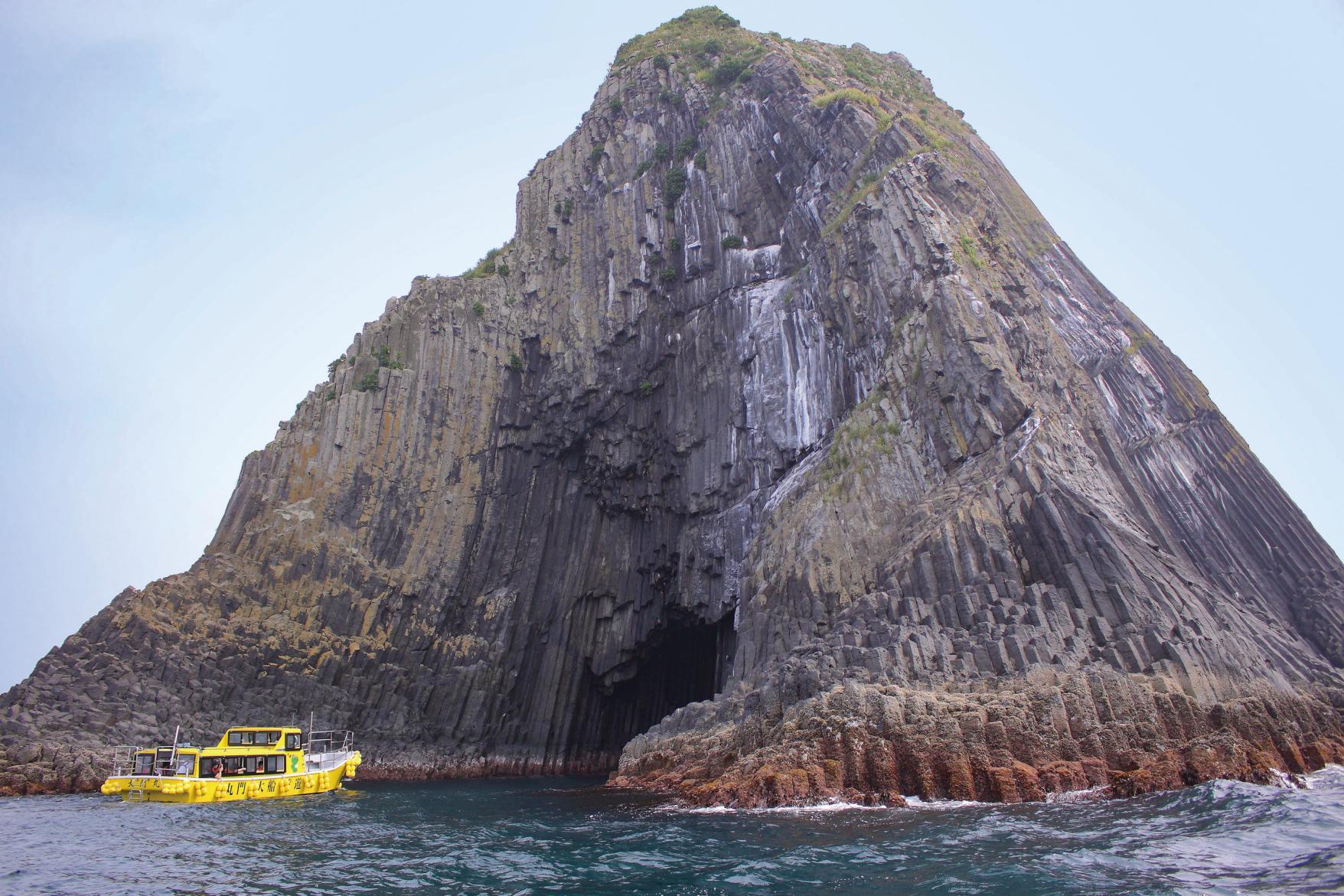 Keya no Oto - Japan's largest basalt cave with dramatic hexagonal columnar joints carved by the Genkai Sea. Source: VISIT FUKUOKA Official Travel Guide
Keya Beach is a pristine coastal area in Itoshima designated as one of Japan's top 100 beaches by the Ministry of Environment, serving as the departure point for boat tours to Keya no Oto, one of Japan's three largest basalt caves and a National Natural Monument. This golden sand beach stretches along the Genkai Sea on the northwestern tip of Itoshima Peninsula, nestled between verdant mountains and dramatic coastline. 🔗 🔗
The area's centerpiece is Keya no Oto, a massive basalt cave standing 64 meters high, 90 meters deep, and 10 meters wide - ranking among Japan's three largest basalt caves. Designated as a National Natural Monument, the cave was formed over millennia by the relentless erosion of the Genkai Sea against volcanic basalt rock, creating hexagonal and octagonal columnar joints so geometrically precise they appear almost manmade. The cave opens dramatically to the sea with a "great gateway" appearance, earning its reverence as a spiritual site. 🔗 🔗
Cultural & Religious Significance
Historical Fishing Community
Keya village has served as a vital fishing community for centuries, with the settlement's name believed to derive from "Keya-go" found in ancient Japanese dictionaries. The fishing port developed through maritime activities, salt production, and sake brewing, with "Keya Tōji" master brewers historically traveling to breweries each winter. 🔗
The spiritual connection between the community and the sea manifests in Daimon Shrine (大祖神社), which deifies Keya no Oto cave itself as its object of worship. The shrine is dedicated to sea gods including Watatsumi-no-Kami, and local legends describe the cave as the entrance to the Dragon God's palace (Ryūgū-jō), the hiding place of sun goddess Amaterasu, and even the source of the "divine wind" (kamikaze) that protected Japan from Mongol invasions. These stories underscore the cave's sacred status in local maritime culture. 🔗
Traditional Fishing Practices
Keya's fishing community continues to practice sustainable traditional methods passed down through generations: Gochi-ami (吾智網漁) - traditional natural sea bream fishing using circular nets, requiring fishermen to read tides and fish movements through skill rather than technology; Ika-kago-ryō (イカ籠漁) - sustainable cuttlefish fishing using baited baskets, with fishermen returning any eggs found to the sea. Additional methods include oyster farming, pole-and-line fishing, gillnet fishing, and harvesting the thick "Itoshima futomozuku" seaweed variety. These practices have made Itoshima one of Japan's top producers of natural sea bream while maintaining environmental sustainability. 🔗
The annual Kazetome no Hōnō Zumō festival (September 1st) at Ōso Shrine features sumo wrestling offerings to pray for typhoon protection and bountiful harvests, demonstrating the community's continued connection to maritime traditions. 🔗
Keya no Oto Park and Totoro Forest
Adjacent to the beach, Keya no Oto Park leads to the "Totoro Forest" - a magical woodland where camellia trees grow in a distinctive dome shape due to constant sea breezes from all sides. The roughly-cleared trails create natural tunnels lined with camellia shadows, earning the local nickname from its resemblance to Studio Ghibli's famous forest scenes. The 800-meter trail leads to panoramic viewpoints overlooking both the cave formations and the Genkai Sea. 🔗 🔗
Visiting Information
Access: By public transportation: JR Chikuhi Line to Chikuzen-Maebaru Station, transfer to Showa Bus bound for Keya, alight at Keya bus stop (8-minute walk to beach). Buses every 30 minutes. Total travel time from Tenjin: approximately 1 hour 30 minutes. By car: From Maebaru IC (Nishi-Kyushu Expressway), drive Route 54 toward Keya, continue to Hatsu intersection, turn left at Nogita intersection. Approximately 50 minutes from Tenjin, 20 minutes from Maebaru IC. 🔗 🔗
Beach Facilities: Open year-round; swimming season typically July-August. Free beach access. Parking: 200 spaces, free of charge. Facilities: restrooms, outdoor showers, seasonal beach houses. Food: seasonal beach houses serve yakisoba, fried rice, takoyaki, beverages, ice cream. Rentals: beach houses with hot showers, valuables safes, seating areas; cabana rentals available. Current status: open with normal operations; swimming season concluded. 🔗
Keya no Oto Boat Tour: Season: mid-March to November (November is final month). Weekday hours: 9:30-12:30 (every 45 minutes). Weekend/Holiday hours: 9:30-12:30, 13:30-16:30 (every 30 minutes). Duration: 25-30 minutes. Admission: Adults ¥1,000, children (elementary and under) ¥500, infants (1 free per adult). Capacity: 20 passengers per boat. Reservations: not required (walk-up). Weather dependency: tours cancelled in rough seas; recommended to call ahead on visit day. Cave entry: when calm, boat enters the cave interior. Language: Japanese only, no English support. Departure point: Keya Fishing Port. 🔗 🔗
Best Time to Visit: Autumn (November) - pleasant temperatures, fewer crowds, golden sunset light. Morning for calmer seas and boat tours; late afternoon for sunset photography. Typical duration: 2-3 hours (1 hour beach/port area, 30 minutes boat tour, 1 hour Totoro Forest trail).
The Experience
Keya no Oto Boat Tour
The boat tour launches from Keya Fishing Port, navigating through the dramatic coastal waters of the Genkai Sea toward the towering basalt formations. As the boat approaches, the massive scale becomes apparent - the cave's 64-meter height equals a 20-story building. The hexagonal basalt columns rise from the churning waves in perfect geometric patterns, their dark surfaces contrasting with the white foam of the sea. 🔗
On calm days, the boat ventures inside the cave itself, allowing visitors to experience the cathedral-like interior carved entirely by natural forces. The cave's depth of 90 meters creates an otherworldly atmosphere as light filters through the entrance while waves echo off the columnar basalt walls. The boat's skilled operators provide Japanese-language narration about the geological formation and local legends. 🔗
Beach and Coastal Exploration
Keya Beach offers a protected cove surrounded by cliffs, resulting in calm, clear waters ideal for wading and observation even outside swimming season. The sandy shore extends in a golden arc, bordered by green mountains that provide natural windbreaks. The beach has earned designation as one of Japan's 100 best beaches for its exceptional water clarity and pristine condition. 🔗
Visitors can explore the rocky coastline adjacent to the main beach, observing tidal pools and coastal ecology. The fishing port atmosphere provides authentic glimpses of maritime life, with working boats, fishing equipment, and the daily rhythms of a traditional Japanese fishing community. 🔗
Totoro Forest Trail
The Keya no Oto Park trail (800 meters) winds through the magical "Totoro Forest," where dome-shaped camellia trees create natural tunnels. The well-maintained but rustic path ascends gradually to viewpoints overlooking both the cave formations and the expansive Genkai Sea. In November, the forest displays autumn colors while maintaining green camellia foliage. The trail requires approximately 30-45 minutes for a complete circuit. 🔗 🔗
Hamayaki Shirahamaya Restaurant
Located at Keya Fishing Port, this 2018-established restaurant specializes in fresh local seafood with emphasis on Itoshima's famous oysters (winter season). The spacious interior features air conditioning and terrace seating with sunset views designated among Japan's 100 best. Menu offerings include raw seafood rice bowls, sashimi, grilled sun-dried fish, and the popular "hamayaki" (beach-style BBQ). English menus available, children-friendly with baby care room, parking for 30 vehicles. 🔗 🔗
Practical Visiting Tips
November Seasonal Considerations
Weather Conditions: Average temperatures: 14.9°C (59°F) with highs around 17.6°C (64°F) and lows around 9.6°C (49°F). Early November remains relatively warm (20°C+), while mid-to-late November cools to 5-10°C. Rainfall: 9.7 days with approximately 81mm precipitation. Average humidity: 67%. Conditions: pleasant autumn weather ideal for outdoor exploration without summer heat or winter cold. 🔗 🔗
CRITICAL TIMING: November represents the final month of the boat tour season before winter closure (mid-November to mid-March). Early November visits (Nov 1-2) should still have full tour operations, but sea conditions become increasingly variable as the month progresses. The boat tour operates weather-dependent, making morning departures more reliable than afternoon options.
Sunset Photography: November sunset approximately 5:15-5:30 PM. Arrive 30 minutes before sunset for optimal positioning. Keya Beach faces west, providing direct sunset views over the Genkai Sea. Golden hour light enhances the basalt formations and creates dramatic coastal silhouettes. 🔗
Autumn Advantages: Significantly fewer crowds compared to July-August swimming season. Comfortable temperatures for hiking Totoro Forest trail. Clear autumn air enhances visibility for boat tour and photography. Pleasant conditions for exploring fishing port area. Off-season pricing and availability at local restaurants.
What to Wear: Long-sleeved shirts with cardigan or light jacket; bring coat for morning/evening chill. Comfortable walking shoes for trail and beach access. Layers recommended for temperature fluctuation throughout day. 🔗
Boat Tour Strategy
Arrive at Keya Fishing Port by 10:00-10:30 AM for optimal sea conditions. Call ahead same-day to confirm tour operation in variable November weather. Tours run every 45 minutes weekdays, allowing flexibility if first departure is full. Bring layers - open boat creates wind chill even on mild days. Waterproof jacket recommended for sea spray, especially when entering cave. No advance reservation possible; first-come first-served boarding (20-person capacity).
Photography Recommendations
Best Photo Spots: Boat tour provides unique cave perspectives impossible from land. Totoro Forest trail viewpoints offer elevated cave and coastal vistas. Beach western end captures sunset with cave silhouettes. Fishing port captures authentic maritime atmosphere. Daimon Shrine torii gate with sea backdrop.
Equipment: Wide-angle lens for cave interior; telephoto for basalt column details; tripod for low-light sunset conditions. No restrictions noted for general photography; respect fishing port working areas. 🔗
Cultural Etiquette
Respect fishing port working areas - stay clear of boats and equipment. Follow marked trails in Totoro Forest to protect camellia tree ecosystem. Cave is sacred site (Daimon Shrine worship object) - maintain respectful behavior. During boat tour, follow captain's safety instructions carefully. If visiting Daimon Shrine, observe standard Shinto protocols (bow before torii gate, quiet contemplation). Support local fishing community by purchasing fresh seafood or dining at port restaurants. 🔗
Important Considerations
Weather-Dependent Activity: The boat tour represents the primary unique experience at Keya Beach and is completely weather-dependent. Rough seas result in immediate cancellation with no alternative scheduling. November's transitional weather creates higher cancellation probability compared to summer months. Have backup plans if tour is cancelled. Call ahead morning of visit to confirm operations. Prioritize morning departures when seas typically calmer. Consider visit flexibility if boat tour is essential to experience.
Limited November Services: Beach facilities and food services operate at reduced capacity outside July-August swimming season. Beach houses likely closed or limited hours. Fewer food options than summer peak. Hamayaki Shirahamaya restaurant remains reliable dining option. Bring food/water supplies for extended visits.
Access Considerations: Public transportation via bus operates every 30 minutes but requires careful timing for return journeys, especially for sunset visits. Car access provides significantly greater flexibility for November visiting when daylight hours are shorter and boat tour schedules may shift.
No English Support: Boat tour operates entirely in Japanese with no English guidance. Visual experience of cave formations remains powerful regardless of language, but cultural and geological context requires independent research or Japanese language ability.
Nearby Integration
Within Keya Area: Nigi no Hama Beach (bow-shaped coastline connecting Keya no Oto and Nokita, described as Itoshima's most beautiful beach). Daimon Shrine (shrine deifying Keya no Oto cave with torii gate facing sea). Keya no Daimon Park (park area surrounding cave formations with coastal viewpoints). 🔗
Broader Itoshima Connection: Sakurai Futamigaura (20 minutes) - famous Meoto Iwa with white torii gate, renowned sunset spot. Shiraito Falls (25 minutes) - scenic waterfall along forested hiking trail. Ichiran no Mori (30 minutes) - ramen museum and factory tour. 🔗 🔗
Location: View on Google Maps
Source: attractions/itoshima/keya-beach.md