
About
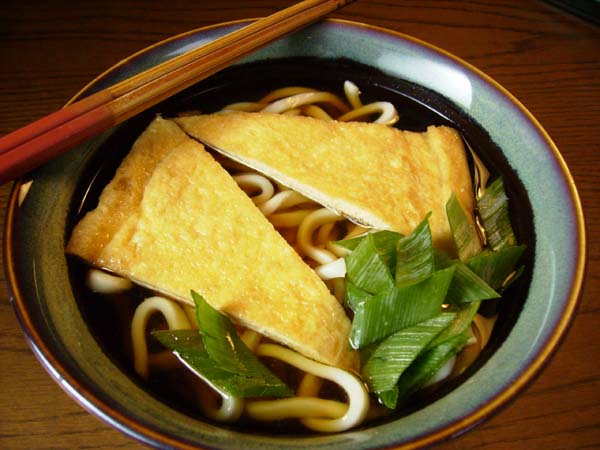 A traditional bowl of Kitsune Udon with sweet aburaage topping. Image from Wikimedia Commons (CC BY-SA 2.5)
Kitsune Udon is Osaka's signature noodle dish and an essential culinary experience for visitors. This comforting "soul food" consists of thick wheat udon noodles in a light dashi broth made from kombu (kelp) and mackerel flakes, topped with sweet, savory aburaage (deep-fried tofu pockets). The dish originated in 1893 at Matsubaya in Osaka's Funamachi district and has since become one of the city's most beloved dishes. 🔗
The name "kitsune" means "fox" in Japanese, and the dish earned this name because fried tofu is believed to be a fox's favorite food according to Japanese folklore. The color of the fried tofu also resembles a fox's fur. 🔗
November (4-7, 2025) is an ideal time for hot noodle dishes with cool autumn weather (10°C-17°C daytime temperatures). The warming comfort of kitsune udon is particularly appealing during Osaka's pleasant fall season. 🔗
Cultural & Religious Significance
Kitsune udon holds deep cultural significance as one of Osaka's most iconic dishes, representing the city's "rich broth culture and deep affection for konamon (flour-based food)." 🔗 The dish's origins trace back to the mid-Edo period (1603-1867) when Osaka became one of Japan's udon hotspots, earning the nickname "Japan's Kitchen" due to ingredients sold by merchants from across the country. 🔗
The creation story is charming: in 1893, a customer at Matsubaya udon shop placed a piece of aburaage (originally served as a side dish) directly onto their plain udon noodles and enjoyed the combination. This spontaneous culinary innovation marked the beginning of kitsune udon in Osaka, and the dish quickly spread throughout the city and eventually across Japan. 🔗
Osaka residents call kitsune udon "Osaka soul food" for its comforting, familiar qualities that evoke home and tradition. 🔗 The dish embodies Osaka's culinary philosophy: simple, flavorful, and accessible comfort food that showcases quality ingredients and careful preparation.
What Makes Osaka's Kitsune Udon Special
Osaka's version of kitsune udon differs from other regional variations in several key ways:
Broth Characteristics: Osaka udon features a lighter, more delicate broth made primarily from kombu (kelp) and mackerel flakes, creating a subtle flavor that complements rather than overpowers the noodles. This contrasts with the darker, stronger soy-based broths common in Tokyo. 🔗
Noodle Texture: Osaka udon is known for its soft yet resilient texture—chewy but not overly thick, providing a satisfying mouthfeel that absorbs the broth beautifully. 🔗
Aburaage Preparation: The sweet, savory aburaage topping is simmered in second dashi with careful seasoning, creating a tofu pocket that's simultaneously crispy on the outside and absorbent within, soaking up the broth while maintaining its character. 🔗
Regional Naming: In Osaka, what's called "tanuki udon" (tempura bits topping) in Tokyo doesn't typically exist as a menu item, since tenkasu (tempura batter bits) are often available for free at udon restaurants. In Osaka, "tanuki" refers to soba noodles with aburaage. 🔗
Visiting Information
Recommended Restaurants
1. Usamitei Matsubaya (うさみ亭マツバヤ) - The Original
This is the birthplace of kitsune udon, established in 1893 and currently run by the Usami family (third generation). 🔗
- Location: View on Google Maps - 3-8-1 Minamisenba, Chuo-ku, Osaka
- Hours: 11:00 AM - 7:00 PM daily, Closed: Sundays and holidays
- Price: Kitsune udon ¥580-600, Curry udon ¥680
- Access: 9 minutes walk from Shinsaibashi subway station
Why Visit: Experience kitsune udon at its birthplace with a recipe refined over 130+ years. Customer reviews praise it as "one of my favorite meals in all of Japan!" 🔗
2. Dotonbori Imai (道頓堀 今井本店) - Traditional Excellence
Established in 1946, Imai is a traditional udon restaurant in Dotonbori known for its signature kitsune udon and exceptional broth preparation. 🔗
- Location: View on Google Maps - 1-7-22 Dotonbori, Chuo-ku, Osaka
- Hours: 11:30 AM - 9:30 PM (last order 9:00 PM), Closed: Wednesdays
- Price: ¥1,000-2,000 per person; Kitsune udon with chestnut rice set approximately ¥1,400
- Access: 7-minute walk from Namba Station
- Wait Times: Expect 12-40 minutes depending on time of visit
Why Visit: Located in the heart of Dotonbori, Imai provides a "calm refuge right in the middle of the arcade" with traditional atmosphere and exceptional quality. 🔗
3. Kitatake Udon (き田たけうどん) - Michelin Recognition
- Location: 2-4-17 Nanbanaka, Naniwa Ward, Osaka (3-minute walk from Namba Station)
- Recognition: Michelin Bib Gourmand udon restaurant 🔗
- Specialties: Cold kitsune udon, Wagyu beef udon
- Unique Feature: Fused soft Osaka-style udon with chewy Sanuki-style from Kagawa prefecture
4. Ibuki Udon
- Location: Kita Ward, approximately 10 minutes walk from Tenma station
- Style: Cheap, simple, traditional
- Reputation: Rated 4.4/5 on TripAdvisor, ranked #2,785 of 19,007 restaurants in Osaka 🔗
Operating Hours & Best Times
Typical Hours: Most udon restaurants operate 11:00 AM - 7:00 PM or 11:30 AM - 9:30 PM
Peak Times to Avoid:
- Lunch rush: 12:00 PM - 1:30 PM (especially weekdays with office workers)
- Dinner rush: 6:00 PM - 8:00 PM 🔗
Best Times to Visit:
- Early arrival: 11:00-11:30 AM (before lunch rush)
- Mid-afternoon: 2:00-5:00 PM (between meal rushes)
- Early dinner: 5:00-6:00 PM (before evening crowds)
Pricing
- Basic kitsune udon: ¥580-800 at traditional shops
- Mid-range restaurants: ¥1,000-2,000 for sets with sides
- Michelin-recognized establishments: Similar pricing (¥1,000-1,500)
Kitsune udon remains remarkably affordable even at the birthplace restaurant (Usamitei Matsubaya) and Michelin-recognized establishments.
Payment & Ordering
Important: Many traditional udon restaurants are cash-only, especially smaller neighborhood shops. 🔗
Ticket Machine Restaurants: Some udon shops use ticket vending machines:
- Insert cash first (10,000 and 5,000 yen bills often not accepted)
- Select your dish (buttons light up after money inserted)
- Collect ticket and change
- Hand ticket to staff or chef 🔗
Tip: Learn the phrase "Kitsune udon, kudasai" (きつねうどん、ください) - "Kitsune udon, please."
The Experience
What to Expect
Atmosphere: Most traditional udon restaurants maintain casual, unpretentious settings focused on the food rather than décor. Expect simple wooden tables, counter seating, and efficient service. 🔗
Service Style: Quick, efficient service typical of Japanese noodle shops. Order at the counter or via ticket machine, receive your bowl within minutes, eat promptly while hot, and depart. Staff are friendly but interactions are minimal—the focus is on the food.
Portion Size: One bowl of kitsune udon constitutes a satisfying light meal or substantial snack. For larger appetites, consider ordering additional sides (rice bowls, tempura, onigiri) or upgrading to a set menu.
How to Eat Kitsune Udon Properly
Chopstick Use: Udon is eaten with chopsticks. Use them to pick up noodles, tofu topping, and any garnishes. 🔗
Slurping Etiquette: Slurping is not just acceptable—it's encouraged! Slurping noodles demonstrates you're enjoying your meal and is considered a compliment to the chef in Japanese dining culture. 🔗
Eating Fresh: Consume your udon soon after it's served. The noodles can become soggy and lose flavor if left sitting too long. 🔗
Broth Drinking: It's perfectly acceptable to drink the broth directly from the bowl after finishing the noodles and toppings.
Free Toppings: Many Osaka udon restaurants offer free tenkasu (fried tempura batter bits) at tables or counters. Feel free to add these for extra texture and richness. 🔗
Practical Visiting Tips
For First-Time Visitors
-
Start at the Origin: Visit Usamitei Matsubaya to experience kitsune udon where it was invented. The historical significance and authentic preparation make it an essential stop.
-
Compare Styles: Try at least two different restaurants to appreciate variations in broth depth, noodle texture, and aburaage sweetness.
-
Cash Preparation: Carry sufficient small bills and coins. Many traditional shops don't accept cards or large bills.
-
Timing Strategy: Visit outside peak meal times (12:00-1:30 PM, 6:00-8:00 PM) to avoid long waits.
For Optimal Experience
Order Simply: For your first kitsune udon, order it plain without additions to appreciate the traditional flavor profile. Later visits can explore variations.
Embrace the Ritual: Watch how locals eat—slurp without hesitation, eat quickly while hot, add free toppings as desired.
Weather-Dependent Timing: On cooler November days, kitsune udon makes an excellent warm-up after outdoor activities like visiting Osaka Castle or exploring Dotonbori.
Combine with Other Osaka Foods: Kitsune udon works well as a light lunch, leaving room for other Osaka specialties like takoyaki or okonomiyaki later in the day.
Cultural Etiquette
Queue Behavior: Wait patiently in line without crowding. Japanese queuing culture values orderly spacing and respect for others' personal space.
Minimal Conversation: Keep voices low in restaurants. Loud conversation disrupts the peaceful atmosphere.
No Lingering: Once you've finished eating, depart relatively quickly to make space for waiting customers. Udon shops have high turnover expectations.
Phone Etiquette: Keep phones on silent. Making calls inside restaurants is considered rude.
Seasonal Considerations
November Weather Context: November in Osaka brings cool autumn weather with average temperatures of 10°C-17°C during the day. 🔗 The warming qualities of hot kitsune udon make it particularly appealing during Osaka's pleasant fall season. After walking through crisp autumn streets, a steaming bowl provides perfect comfort.
Dietary Notes
Vegetarian Concerns: Traditional kitsune udon broth contains dashi made from bonito (fish) flakes, making it non-vegetarian despite the tofu topping. True vegetarians should inquire about vegetarian broth options, though these may not be available at traditional shops.
Gluten-Free: Udon noodles are made from wheat flour and contain gluten. No gluten-free alternatives typically exist at traditional udon restaurants.
Allergies: Inform staff of allergies, though language barriers may complicate communication. Common allergens in kitsune udon include wheat (noodles), soy (tofu, broth seasonings), and fish (dashi base).
Location: Multiple locations throughout Osaka (see recommended restaurants above)
Source: attractions/osaka/kitsune-udon-shops.md