
About
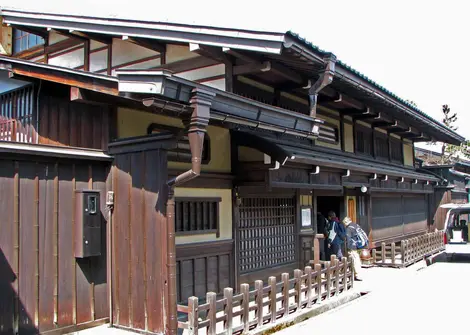 Exterior view showcasing traditional machiya (merchant house) architecture with characteristic latticework and dark soot-based exterior finish
The Kusakabe Folk Museum stands as one of Japan's finest examples of Edo-period merchant architecture, originally belonging to the Kusakabe family who served as wealthy suppliers to the Tokugawa shogunate. The current structure was masterfully rebuilt in 1879 by renowned craftsman Jisuke Kawashiri following a fire that destroyed the original building. 🔗
This two-story machiya (merchant house) exemplifies the sophisticated lifestyle of Takayama's merchant class during the late Edo and early Meiji periods. The building's architectural significance earned it designation as a National Important Cultural Property in 1966, representing the pinnacle of Takayama's traditional merchant architecture and craftsmanship. 🔗
Cultural & Religious Significance
Constructed entirely of Japanese cypress (hinoki), the structure features massive exposed beams, intricate latticework windows, and a distinctive dark exterior finish created with traditional soot-based wash. The interior showcases a 13-meter-long Japanese red pine beam, multiple tatami rooms, open hearths, and small interior gardens that create an authentic atmosphere of prosperous merchant life. 🔗
As a folk art museum since 1966, it houses an extensive collection of 5,000 Hida ceramics, traditional braziers, lacquerware, woodcarvings, netsuke, and personal artifacts including the 9th generation bride's navy blue wedding dress and her transportation kago (palanquin). The museum successfully balances its role as both an architectural monument and cultural repository. 🔗
Visiting Information
Operating Hours: 9:00 AM - 4:30 PM daily (March-November schedule) Transportation: 17-20 minute walk from JR Takayama Station through historic old town district, or local bus services with wheelchair accessible vehicles Accessibility: Parking available including designated disabled parking spaces, though traditional building may present challenges for wheelchair users Audio Guide: Free English audio guide available since August 2023 for comprehensive understanding 🔗
Current Status: Fully operational; special exhibition period ended September 15, 2025, returning to standard admission rates. Contact museum at +81-577-320072 for specific accessibility accommodations. 🔗
The Experience
The museum experience begins with the commanding facade showcasing intricate latticed windows and traditional dark wood finish. Ground Floor highlights include the main living room with dramatic exposed beam ceiling, traditional kitchen with period utensils, and the Buddhist altar area. The Second Floor features tatami rooms displaying textiles, including the remarkable navy blue wedding dress, and the collection of ceramics and household items. 🔗
Key Collections encompass 5,000 pieces of Hida ceramics on permanent display, traditional braziers demonstrating heating methods, lacquerware and woodcarvings showcasing regional craftsmanship, and personal artifacts like hair combs and oil pots that illuminate daily life. The transportation kago provides insight into formal ceremonies and social status. 🔗
Architectural Features include the 13-meter Japanese red pine beam (engineering marvel), intricate ceiling beam work creating visual complexity, traditional joinery techniques without nails, and interior gardens visible from multiple rooms creating tranquil viewing spots. 🔗
Practical Visiting Tips
October Seasonal Considerations: Autumn foliage enhances the traditional architecture's aesthetic appeal, with comfortable temperatures (10-20°C) ideal for exploring. October marks peak tourist season, so early morning visits are recommended. The interior can feel dim, particularly on overcast autumn days, affecting visibility of detailed exhibits. 🔗
Cultural Etiquette: Remove shoes before entering tatami areas, maintain quiet conversations respecting the sacred nature of the space, avoid touching artifacts or displays, and bow slightly when entering and leaving as a sign of respect. Photography policies aren't explicitly stated, but indoor photography may be restricted for artifact preservation. 🔗
Festival Impact: During Takayama Festival (October 9-10, 2025), expect increased crowds and possible temporary access restrictions as festival floats pass directly in front of the museum. Combined admission with nearby Yoshijima Heritage House may be available, with group discounts for 30+ visitors. 🔗
Best Photo Spots: Exterior facade with autumn foliage, interior beam ceiling from ground floor, traditional garden views, and architectural details of latticework windows. October weather can be variable; bring layers for outdoor exploration and indoor temperature changes. 🔗
Location: View on Google Maps
Source: attractions/takayama/kusakabe-folk-museum.md