
About
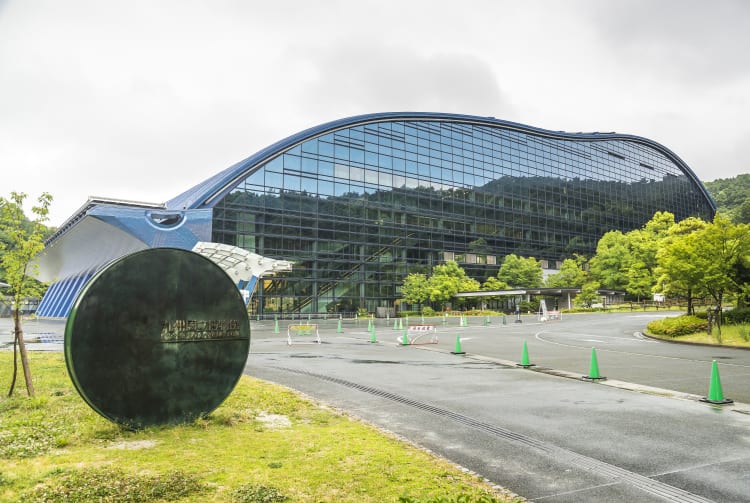 Caption: The striking modern architecture of Kyushu National Museum blending with the natural surroundings of Dazaifu
The Kyushu National Museum stands as a revolutionary approach to museum design and cultural presentation in Japan. Opened on October 16, 2005, it was conceived with the unique mission to "understand the formation of Japanese culture from an Asian historical perspective" - a groundbreaking concept that positions Kyushu not as a peripheral region, but as the dynamic cultural crossroads it has been for centuries. 🔗
Located in the historically significant city of Dazaifu, which served as Japan's primary diplomatic and administrative gateway to Asia from the 7th to 12th centuries, the museum embodies the region's role as a cultural bridge. The institution focuses specifically on the rich history of cultural exchange between Japan, China, and Korea, making it the first national museum in Japan to elevate historical narrative over pure artistic display. 🔗
Cultural & Religious Significance
The museum's striking architectural design by Kiyonori Kikutake features a modern glass and wood structure with a gently curved blue roof that harmoniously blends with the surrounding forest and mountains of Dazaifu Tenmangu Shrine. The building's glass walls reflect the changing seasons and sky, creating a living dialogue between the contemporary structure and its ancient natural setting. 🔗
As Japan's 4th national museum and first new one in over 100 years, it represents a paradigm shift in how Japanese cultural identity is understood and presented - through the lens of international exchange rather than isolation. The museum's focus on cultural exchange perfectly embodies Kyushu's historical role as Japan's window to Asia. 🔗
Visiting Information
Hours: 9:30-17:00 (until 20:00 on Fridays and Saturdays during special exhibitions); Admission ends 30 minutes before closing; Closed Mondays and New Year holidays 🔗 Admission: Permanent exhibition ¥700 (¥350 for university students); Special exhibitions variable pricing; Combination ticket with Dazaifu attractions ¥1000 🔗 Access: From Dazaifu Station 10-15 minute walk or local bus (3 minutes, ¥210); 5-10 minutes via dedicated "Rainbow Tunnel" walkway from Tenmangu Shrine Transportation from Itoshima: Via Tenjin to Nishitetsu Dazaifu Line (1.5-2 hours total); Direct bus to Dazaifu Station also available Parking: Public transport strongly recommended; limited paid parking nearby
Special October-November 2025: 20th Anniversary celebrations with special exhibition "Hōnen and Pure Land Buddhism" (October 7 - November 30, 2025) perfectly timed with visit dates; extended Friday/Saturday hours during special exhibitions. 🔗
The Experience
Permanent Cultural Exchange Exhibition (4th Floor): The heart of the museum experience, featuring approximately 800 artifacts that trace Japan's cultural development through Asian interactions from the Paleolithic Age to the Edo period. Organized into five chronological themes: Ancient Origins, Age of Envoys, Medieval Trade, Early Modern Exchange, and Cultural Synthesis. Exhibits rotate 30-50 pieces monthly, ensuring fresh perspectives. 🔗
Special Exhibitions (3rd Floor): Currently featuring "Hōnen and Pure Land Buddhism" (October 7-November 30, 2025), exploring the religious and cultural exchanges that shaped Japanese Buddhism as part of 20th anniversary celebrations. 🔗
Ajippa Interactive Hall (1st Floor): Free hands-on cultural experience center where visitors can engage with Asian and European cultures that influenced Japan through interactive displays and multimedia presentations ideal for deeper cultural understanding. 🔗
Architectural Features: Moving walkway with rainbow-colored ceiling connecting to entrance; panoramic windows offering views of Dazaifu's mountainous landscape; warm wooden interior contrasting with modern exterior; integration with natural surroundings reflecting seasonal changes. 🔗
Practical Visiting Tips
Visitor Enhancement: Complimentary English audio guide highly recommended for cultural context; NaviLens service advanced wayfinding technology available in 30+ languages for accessibility; visit when doors open at 9:30 AM for optimal experience with fewer crowds. 🔗
Cultural Preparation: Basic knowledge of Japan-China-Korea historical relations enhances appreciation; prioritize the Cultural Exchange Exhibition for core museum mission; spend time in Ajippa Hall for hands-on cultural understanding; appreciate how building integrates with natural surroundings. 🔗
Photography Guidelines: Flash photography prohibited throughout museum; check signage for photography permissions in specific areas; tripods and selfie sticks generally not permitted; respectful photography avoiding other visitors. 🔗
Museum Etiquette: Silent mobile phones and quiet conversation expected; no touching of displays or cases; pencil only for note-taking (no pens or ink); large bags must be stored in coin lockers; traditional Japanese museum etiquette emphasizing respect and mindfulness. 🔗
Money-Saving Options: Combination ticket with other Dazaifu attractions offers good value; free Ajippa Interactive Hall provides substantial cultural content; university student discounts available with ID. 🔗
Location: View on Google Maps
Source: attractions/fukuoka/kyushu-national-museum.md