
About
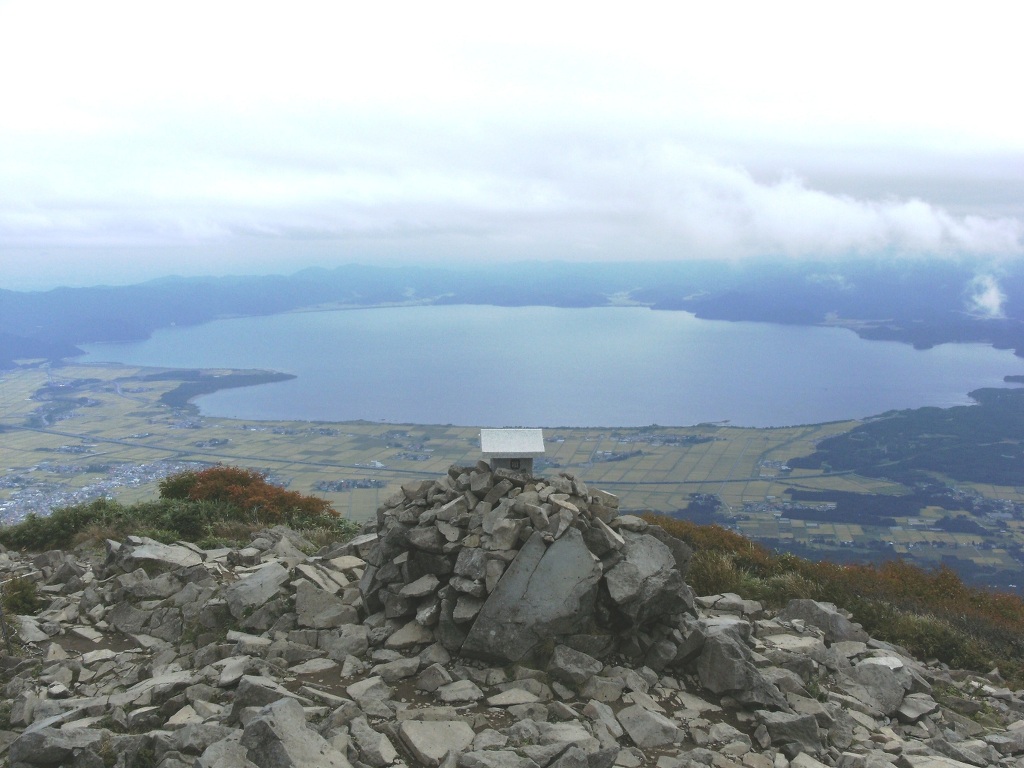 Lake Inawashiro as seen from Mount Bandai, showing the crystal-clear waters that give the lake its nickname "Heavenly Mirror Lake". Source: Wikimedia Commons
The Lake Inawashiro Region encompasses Japan's fourth-largest lake, the dramatic Mount Bandai volcano, and the Urabandai lake district - a stunning landscape born from the catastrophic 1888 eruption. Located approximately 30 minutes from Aizuwakamatsu via the JR Ban'etsu West Line, this area offers a unique combination of natural beauty, volcanic history, cultural significance, and world-class art collections. The region is known as "Tenkyo-ko" (天鏡湖), meaning "Heavenly Mirror Lake," for its crystal-clear waters that reflect Mount Bandai and the sky. 🔗
GPS Coordinates: 37.476374°N, 140.093282°E (Lake Inawashiro central area)
Lake Inawashiro sits at the heart of a dramatic volcanic landscape within Bandai-Asahi National Park. The lake itself covers 104 square kilometers with a circumference of 63 kilometers, reaching depths of 94 meters at an altitude of 514 meters. 🔗 The waters are renowned for their exceptional clarity - so transparent that visitors can see the lakebed and watch the reflections of towering Mount Bandai (1,816m) known as "Aizu Fuji" for its resemblance to Mount Fuji. 🔗
Cultural & Historical Significance
The 1888 Mount Bandai Eruption:
The region's character was profoundly shaped by Mount Bandai's violent eruption on July 15, 1888. The explosion killed at least 477 people and dramatically altered the landscape - approximately 1.5 cubic kilometers of the mountain's summit collapsed and flowed northward, creating a rough crater wall and damming rivers. 🔗 This catastrophe inadvertently created the Urabandai (back-Bandai) lake district, including Lake Hibara and the famous Goshikinuma (Five-Colored Ponds), where mineral-rich waters gleam in intense hues of blue, green, and turquoise. 🔗
The 1888 eruption remains culturally significant for the Aizu region. Emperor Meiji's decision to donate 3,000 yen for relief efforts was particularly notable, coming only two decades after Aizu fought against his government in the Boshin War. Of Hibara Village's original six hamlets, two were submerged beneath Lake Hibara, three were buried by debris, and only one survived - a poignant torii gate extending above the water surface serves as a memorial to the lost communities. 🔗
Cultural Heritage Sites:
The area seamlessly blends natural wonder with cultural significance. Hanitsu Shrine, a National Historic Site, commemorates Hoshina Masayuki (1611-1672), the first lord of the Aizu Domain and son of Tokugawa Hidetada. 🔗 The shrine grounds, with their ancient stone monuments including the massive Kame-ishi, become especially striking during autumn foliage season when maple and ginkgo trees turn vibrant red and gold.
Remarkably, the region also houses the Morohashi Museum of Modern Art, which holds the third-largest Salvador Dalí collection in the world and the only permanent Dalí exhibition in Asia, with over 340 pieces. 🔗
Visiting Information
Getting There from Aizuwakamatsu:
By Train:
- JR Ban'etsu West Line from Aizu-Wakamatsu Station to Inawashiro Station
- Frequency: Hourly departures
- Duration: Approximately 29-30 minutes
- Cost: 510 yen one-way
- Coverage: Fully covered by Japan Rail Pass, JR East Tohoku Area Pass, and JR East South Hokkaido Pass 🔗
From Tokyo (Full Journey):
- JR Tohoku Shinkansen: Tokyo to Koriyama (80 minutes)
- Transfer to JR Ban'etsu West Line: Koriyama to Inawashiro (40 minutes)
- Total cost: Approximately 9,000 yen one-way (fully covered by rail passes) 🔗
Local Transportation within the Region:
Inawashiro Town Circulation Bus "Hidayokun-Go":
- Operating days: Saturdays, Sundays, and holidays only
- One-day free pass: 700 yen (adults), 350 yen (children)
- Stops include: Hideyo Noguchi Memorial Museum, Nagahama beach, Iwahashi-kan, Kingfisher Aquarium, Tsuchitsu Shrine, Kamegajo Park, Roadside Station Inawashiro 🔗
Urabandai Regional Buses:
- From Inawashiro Station to Urabandai resort town
- Frequency: One bus every 1-2 hours
- Serves hiking trailheads including Goshikinuma
- To Goshikinuma Iriguchi (eastern trailhead): 30 minutes, 790 yen
- To Urabandai Kogen Eki (western trailhead): 35 minutes, 910 yen 🔗
Rental Car:
- Recommended for maximum flexibility
- Available in Aizu-Wakamatsu, Kitakata, Koriyama, and Fukushima City
- Provides easiest access to multiple attractions across the region 🔗
Taxi:
- From Inawashiro Station to Noguchi Hideyo Memorial Museum: ~6 minutes
Best Time to Visit:
- Autumn (October-November): Peak foliage late October to early November. November visits catch the final stages of autumn colors at lower elevations, especially at Hanitsu Shrine. 🔗
- Winter (December-March): Migrating swans on lake shores, "Shibuki Gori" frozen spray phenomenon, six ski resorts operational 🔗
- Spring-Summer: Water sports, camping, crystal-clear swimming, boardsailing, water skiing 🔗
Typical Duration: Full day (6-7 hours) allows for visiting 2-3 major attractions plus lunch
Current Status: Open year-round. Note that Morohashi Museum closes December through April. 🔗
Regional Attractions
Lake Inawashiro:
The lake itself offers multiple experiences. Sightseeing boats "Kame-maru" and "Hakucho-maru" provide cruises with multilingual narration (Japanese, English, Mandarin) explaining the area's history and volcanic origins. 🔗 The northern Nagahama shore is the hub for water activities, where visitors can rent equipment for fishing, boardsailing, and water skiing. Bicycle rentals allow leisurely circumnavigation while enjoying Mount Bandai reflections in the water. 🔗
In winter, the lake transforms into a sanctuary for migrating swans that arrive in November and remain until spring. The unique "Shibuki Gori" phenomenon occurs when strong winds splash lake water onto shoreline trees, where it immediately freezes, creating spectacular ice formations. 🔗
Hanitsu Shrine:
This National Historic Site honors Hoshina Masayuki, first lord of Aizu Domain, who was laid to rest at the foot of Mount Bandai according to his will in 1672. 🔗 The shrine grounds feature the Kame-ishi, one of Japan's largest stone monuments, and the Matsudaira clan graveyard. While the original buildings rivaled Nikko Toshogu's grandeur, they were destroyed during the Boshin Civil War; the current structures date from 1880. 🔗
The shrine is renowned for autumn foliage, with maple and ginkgo trees creating a spectacular display from late October to early November. An autumn foliage festival celebrates the seasonal beauty. 🔗
Hideyo Noguchi Memorial Museum:
This museum preserves the birthplace and life work of Dr. Noguchi Hideyo (1876-1928), whose portrait appears on Japan's 1,000-yen bill. A world-renowned medical researcher, Noguchi made groundbreaking contributions to bacteriology and yellow fever research before dying of the disease in Africa. 🔗
Hours:
- April-October: 9:00 AM - 5:30 PM
- November-March: 9:00 AM - 4:30 PM
- Last admission: 30 minutes before closing
Admission: 800 yen (adults), 400 yen (children)
Access: 10-minute bus ride from Inawashiro Station (300 yen, one bus every 2-3 hours) to Hideyo Noguchi Memorial Hall stop, or 6 minutes by taxi 🔗
Goshikinuma (Five-Colored Ponds):
This collection of multicolored ponds and marshes in the Urabandai area represents the 1888 eruption's most photogenic legacy. Mineral-rich waters create otherworldly colors ranging from cobalt blue to emerald green, with each pond displaying different hues depending on mineral composition, depth, and light conditions. 🔗 The area received a 1-Star rating in the 2016 Michelin Green Guide. 🔗
The Nature Trail:
- Distance: Approximately 4 km
- Duration: 1 hour 10 minutes to 1 hour 30 minutes one-way
- Difficulty: Beginner-friendly, relatively flat
- Trail type: Well-maintained forest path, mostly boardwalks
- Facilities: Visitor centers at both ends with parking, restrooms, equipment rental 🔗
Access: Bus from Inawashiro Station serves both trailheads (eastern: Goshikinuma Iriguchi, 30 min, 790 yen; western: Urabandai Kogen Eki, 35 min, 910 yen) 🔗
Best viewing: Mid-October to early November for autumn foliage combined with the colored waters 🔗
Morohashi Museum of Modern Art:
An unexpected cultural gem in the wilderness, this museum houses the world's third-largest Salvador Dalí collection and Asia's only permanent Dalí exhibition, featuring over 340 works. 🔗 The collection also includes masterpieces by Renoir, Cézanne, Picasso, Matisse, and Van Gogh, all displayed within Bandai-Asahi National Park with views of Mount Bandai. 🔗
Hours: 9:30 AM - 5:00 PM (last admission 4:30 PM)
Admission: 1,300 yen (adults), with discounts for students and groups
Seasonal closure: December through April. Also closes for exhibition changeovers. 🔗
Location: Near Goshikinuma in the Urabandai area
Mount Bandai:
The 1,816-meter volcano offers hiking from May through November, with trails showcasing seasonal wildflowers, alpine plants, and spectacular autumn colors. 🔗 The Happodai trail is the most popular beginner-friendly route, taking approximately 4 hours roundtrip with breaks. 🔗
In winter, Mount Bandai supports six ski resorts. The front side features Alts Bandai and Inawashiro ski resorts, while Urabandai operates on the back side, with the season running from early December to early May. 🔗
Practical Visiting Tips
Visit-Specific Information for November:
Autumn Foliage Timing: Early November represents the final stages of peak foliage in the Lake Inawashiro area. The leaves begin changing around Mount Bandai in late September and gradually descend over about a month. 🔗
- Hanitsu Shrine: Peak foliage late October to early November - November visits may catch the tail end of vibrant red maples and golden ginkgos 🔗
- Goshikinuma: Peak mid-October to early November - early November offers last chances for combined autumn colors and rainbow pond hues 🔗
- Lower elevations: November focuses on lower-altitude sites like Hanitsu Shrine and lakeside areas
Migrating Swans: November marks the arrival of migrating swans on Lake Inawashiro's beaches, where they remain until spring - an atmospheric addition to winter scenery. 🔗
Weather Considerations: Crisp mountain air, cooler temperatures ideal for hiking. November weather in Fukushima averages 8-12°C, with potential for early snow at higher elevations. 🔗
Museum Access: Morohashi Museum remains open through November (closes December-April), making November one of the last opportunities to visit before winter closure. 🔗
Crowd Management:
- Weekdays offer quieter experiences than weekends, especially at Goshikinuma
- Early morning visits provide the best photography lighting and fewer crowds
- Sightseeing boats offer multilingual commentary and comfortable lake viewing 🔗
Photography Opportunities:
- Lake Inawashiro's "Heavenly Mirror" reflections best captured in calm morning conditions
- Goshikinuma ponds display different colors throughout the day as light angles change
- Hanitsu Shrine's massive Kame-ishi stone monument provides unique historical subject
- Mount Bandai viewed from the lake shore creates classic compositions
Local Cuisine: The region specializes in:
- Soba noodles: 100% handmade buckwheat soba, an Aizu specialty 🔗
- Sauce Katsudon: Aizu regional specialty - pork cutlet dipped in sauce over cabbage and rice 🔗
- Horse meat (Basashi): Horse sashimi from the Aizu region, Japan's second-largest horse meat producer 🔗
Money-Saving Options:
- Japan Rail Pass covers all train access to the region
- Inawashiro Town Circulation Bus day pass (700 yen) provides unlimited rides on weekends
- Free Wi-Fi available at public facilities and Inawashiro Roadside Station 🔗
Practical Facilities:
- Coin lockers at JR Inawashiro Station
- Visitor centers at Goshikinuma trailheads with equipment rental, restrooms, information
- Bicycle rental available for lake exploration
Cultural Etiquette:
- Hanitsu Shrine is an active religious site and National Historic Site - maintain respectful behavior
- Goshikinuma is part of a national park - stay on designated trails to protect fragile ecosystems
- Photography generally allowed, but check for restrictions at specific sites
Integration with Aizuwakamatsu Day Trip
The Lake Inawashiro Region functions excellently as a half-day or full-day excursion from Aizuwakamatsu:
Half-Day Option (4 hours):
- Morning departure from Aizuwakamatsu (30 min train)
- Visit Hanitsu Shrine (1 hour)
- Lake Inawashiro shore visit or sightseeing boat (1 hour)
- Lunch in Inawashiro town
- Return to Aizuwakamatsu early afternoon
Full-Day Option (7-8 hours):
- Early morning departure from Aizuwakamatsu
- Noguchi Hideyo Memorial Museum (1.5 hours)
- Hanitsu Shrine (1 hour)
- Lunch featuring local soba
- Goshikinuma Nature Trail (2-3 hours including bus travel to Urabandai)
- Return to Aizuwakamatsu evening
Rental Car Alternative: With a rental car from Aizuwakamatsu, visitors can combine multiple attractions more efficiently and add the Morohashi Museum to their itinerary.
Aizuwakamatsu Connection: Lake Inawashiro serves as an excellent complement to Aizuwakamatsu's samurai heritage sites, offering natural beauty and outdoor experiences that contrast with the city's historical and cultural focus. The journey itself showcases the transition from historic samurai town to pristine natural landscapes. 🔗
Mount Bandai and Urabandai Circuit: For visitors with rental cars, Lake Inawashiro forms the southern anchor of a comprehensive Mount Bandai exploration. The scenic Mount Bandai Gold Line connects the lake to Urabandai's famous ponds and volcanic landscapes on the mountain's north side. 🔗
Koriyama Regional Base: Travelers using Koriyama as a transportation hub (Tohoku Shinkansen station) can easily reach Lake Inawashiro via the 40-minute JR Ban'etsu West Line rapid train, making it accessible for multi-destination Fukushima explorations. 🔗
Location: View on Google Maps
Source: attractions/aizuwakamatsu/lake-inawashiro-region.md