
About
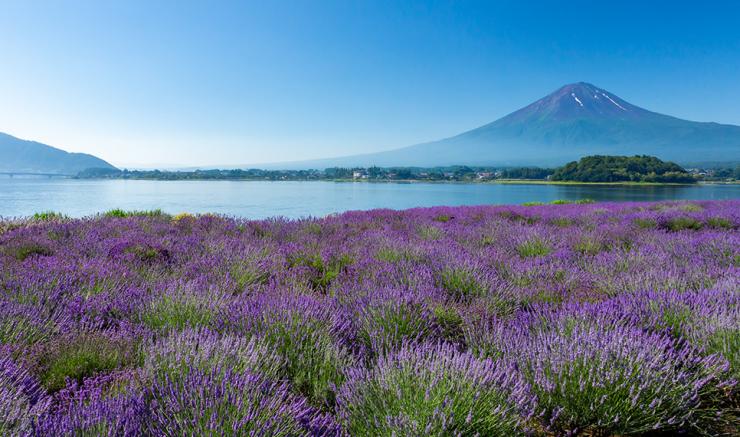 Classic "Sakasa Fuji" reflection view from Lake Kawaguchi's northern shoreline, showcasing the iconic upside-down Mount Fuji reflection that has inspired artists for centuries
Lake Kawaguchi represents one of Japan's most culturally significant landscapes, combining natural beauty with profound spiritual meaning. As part of the UNESCO World Heritage site "Fujisan, Sacred Place and Source of Artistic Inspiration," this location transcends mere sightseeing to offer visitors a connection to centuries of Japanese artistic and religious tradition. 🔗
The lake's northern shoreline provides the premier viewing experience for Mount Fuji, particularly famous for the "Sakasa Fuji" phenomenon - the perfect mirror reflection of the sacred mountain on calm water surfaces. This view has inspired countless artists, most notably appearing in Katsushika Hokusai's "Thirty-six Views of Mount Fuji" series, cementing its place in Japanese cultural heritage. 🔗
Cultural & Religious Significance
Historically, the lake served as a purification site for pilgrims of the Fujikō faith, who performed ritual ablutions before ascending the sacred mountain. The shoreline walking trail, completed along 80% of the lake's 17.4km circumference, connects multiple viewing points and cultural sites, allowing visitors to experience this sacred landscape as pilgrims have for centuries. 🔗
The cultural significance extends beyond religious practices to encompass Japan's artistic heritage. The "Sakasa Fuji" reflection represents one of the most iconic images in Japanese art, symbolizing the harmony between heaven and earth, reality and reflection. This viewing experience connects visitors to the spiritual concept of Mount Fuji as the dwelling place of kami (spirits) and the artistic tradition that has celebrated this sacred landscape for over a millennium.
Visiting Information
Access: Take JR Chuo Line from Shinjuku to Otsuki Station (1 hour), then transfer to Fuji Kyuko Line to Kawaguchiko Station (additional hour). Bus alternative: Direct bus from Shinjuku Expressway Bus Terminal (under 2 hours). Local transportation: Fuji Five Lakes Round Bus (Red Line) circles the lake with stops at major viewpoints. 🔗
Operating Hours: Shoreline accessible 24/7; individual attractions have varying hours. Oishi Park: Free admission, open 24 hours with facilities 9:00 AM - 5:00 PM. 🔗
Current Status: Fully operational with no restrictions as of 2025. Multiple viewpoints accessible via walking trail and bus system.
The Experience
Oishi Park: Serves as the primary viewing destination, featuring seasonal flower displays including kochia plants that turn brilliant red in October, creating stunning foreground elements for Mount Fuji photography. The park includes the Kawaguchiko Natural Living Center with cafes, restaurants, and cultural activities. 🔗
Ubuyagasaki: Represents the most famous reflection viewing spot, beloved by photographer Koyo Okada whose Mount Fuji image appears on the 1,000 yen note. This location offers the classic "Sakasa Fuji" experience when wind conditions create mirror-calm water surfaces. 🔗
Momiji Tunnel: Provides a unique cultural experience, where maple trees planted in the Taisho era for flood control now create a natural tunnel of autumn foliage. This 1.5-kilometer corridor represents the harmony between human intervention and natural beauty, embodying Japanese environmental philosophy. 🔗
Kawaguchiko Ohashi Bridge: Offers elevated viewing perspectives and has been designated one of Japan's 100 most beautiful roads, providing both pedestrian access and vehicle viewpoints. 🔗
Practical Visiting Tips
Photography Strategy: Golden hour (6:30-7:30 AM) provides warm light on Mount Fuji with minimal wind for reflections. Reflection conditions: Early morning offers the highest probability of calm water surfaces necessary for "Sakasa Fuji". Equipment considerations: Tripod recommended for early morning low-light conditions. 🔗
Best Photo Spots: Northern shoreline locations, particularly Oishi Park and Ubuyagasaki for reflections. Incorporate seasonal kochia and early autumn foliage as foreground elements. Multiple points along the lakshore promenade for varied compositions.
Cultural Etiquette: Understand that this is a UNESCO World Heritage site with deep spiritual significance. When visiting nearby Kawaguchi Asama Shrine, perform purification ritual at temizuya and bow respectfully at torii gates. Maintain quiet, contemplative behavior; avoid loud disruptions during the peaceful early morning hours. Follow Leave No Trace principles in this sacred natural setting.
Seasonal Considerations (October 2025): Early October marks the beginning of color change at Lake Kawaguchi's 830-meter elevation, with peak conditions typically occurring from early to mid-November. Average October temperature of 12.5°C (18°C high, 7°C low) with large day-night temperature differences enhancing autumn colors. First snow possibility: Mount Fuji typically receives its first snow from mid to late October, potentially offering rare early-season snow-capped views.
Weather Preparation: Layered clothing: Prepare for cool morning temperatures (7°C) and warmer afternoon conditions (18°C). October weather can be variable; waterproof clothing recommended. Early morning preparation: Dress warmly for pre-dawn photography sessions.
Transportation: Consider Fuji Five Lakes bus pass for unlimited local transportation (¥1,500 adults, ¥750 children). Free parking at Oishi Park; utilize facility restrooms and cafes for comfort.
Mount Fuji Visibility: Weather dependency: Mount Fuji visibility can be limited by clouds; check weather forecasts and plan multiple viewing opportunities. Reflection viewing: "Sakasa Fuji" requires specific calm water conditions, most likely during early morning hours. October 2025 represents the transition between summer and autumn seasons, offering unique photographic opportunities but variable conditions.
Location: View on Google Maps
Source: attractions/fujikawaguchiko/lake-kawaguchi-shoreline.md