About
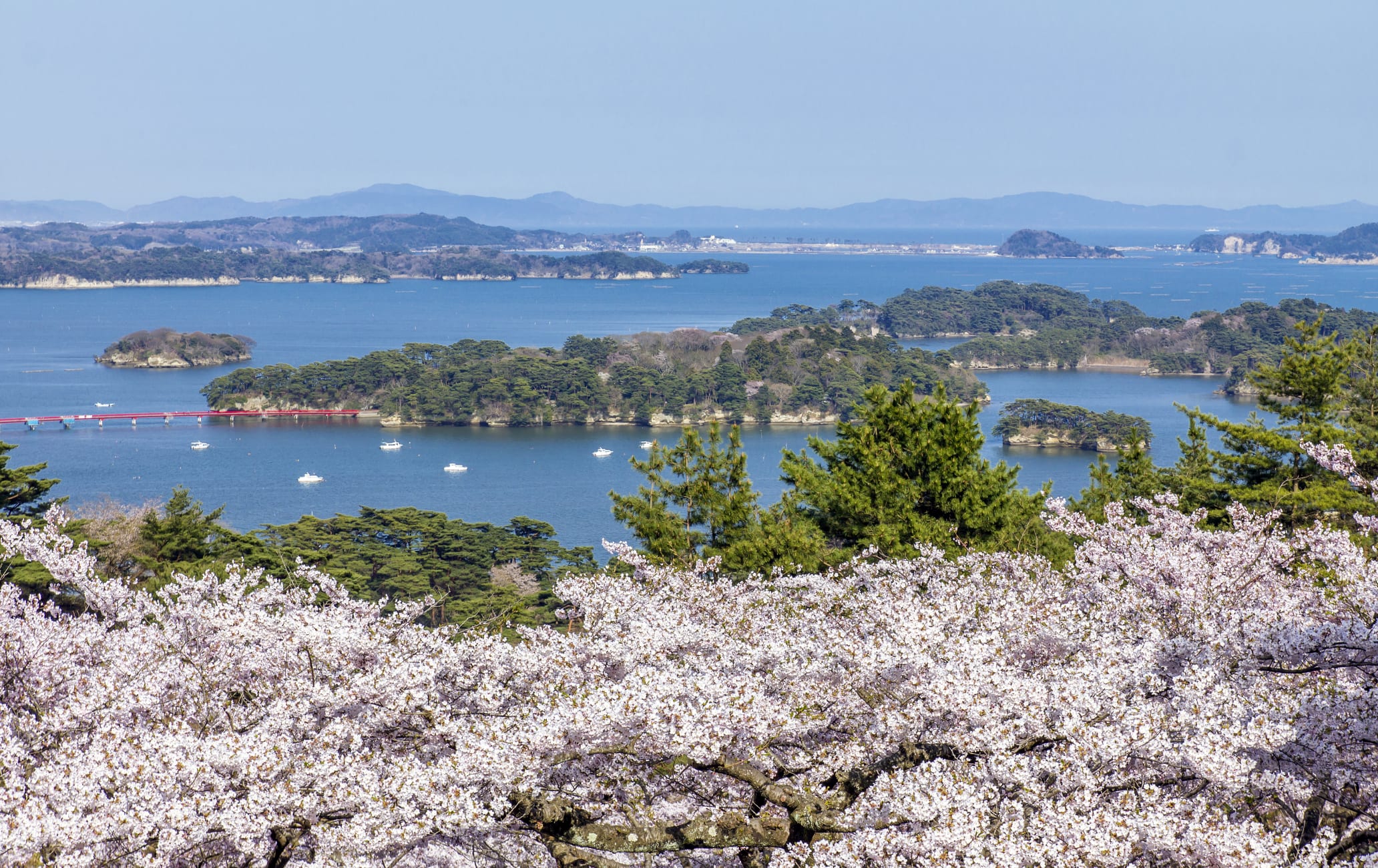
Matsushima Bay stands as one of Japan's Three Most Scenic Views (Nihon Sankei), a designation bestowed in 1643 by Confucian scholar Hayashi Gaho in his book "Observations About the Remains of Japan's Civil Affairs." The bay features approximately 260 small islands and rock formations covered with Japanese black pine trees, creating a landscape so breathtaking it reportedly left the famous haiku poet Matsuo Basho speechless during his 1689 visit. 🔗 🔗
The bay's allure dates back to the Heian Period (794-1185), offering visitors the opportunity to experience the same stirring emotions that Basho felt centuries ago. Featured prominently in Basho's travel journal "Oku no Hosomichi" (The Narrow Road to the Deep North), Matsushima Bay holds profound artistic and cultural importance in Japanese literature and aesthetics. 🔗
The 2011 Tohoku earthquake and tsunami dramatically demonstrated the protective power of these islands, with the archipelago providing natural protection that significantly reduced damage to the coastal town. 🔗
Cultural & Scenic Significance
Three Scenic Views Tradition
The "Nihon Sankei" designation dates to 1643, placing Matsushima alongside Amanohashidate (Kyoto Prefecture) and Miyajima (Hiroshima Prefecture) as Japan's golden standard of scenic beauty. 🔗 This tradition reflects the deep Japanese aesthetic appreciation for natural landscapes and their role in shaping cultural identity through art, poetry, and literature. 🔗
Matsuo Basho's Legacy
During his 1689 journey, Matsuo Basho found Matsushima's beauty so overwhelming that he composed no haiku worthy of inclusion in his final work, though he did write "Shimajima ya chiji ni kudakete natsu no umi" (All those islands! Broken into thousands of places, The summer sea). 🔗 While legend attributes the famous haiku "Matsushima ya / Aa Matsushima ya / Matsushima ya" to Basho, scholarly research indicates he found the beauty so overwhelming he was at a loss for words. 🔗
Island Formations
The islands bear poetic names reflecting their shapes and characteristics. Notable formations include:
- Senganjima: Shaped like a camel with one tree, which impressed Lord Date Masamune
- Isejima and Komachijima: Considered the most feminine and lovely islands in the bay
- Nioujima: The island most associated with Matsushima Bay 🔗
Four Great Views (Shidaikan)
Beyond the cruise itself, four renowned land-based viewing spots called Shidaikan offer distinct perspectives:
- Sokan (The Grand View): From Mount Otakamori
- Reikan (The Beautiful View): From Mount Tomiyama
- Ikan (The Dynamic View): From Cliffs of Yogasaki
- Yukan (The Mysterious View): From Peak of Ogitani 🔗
Visiting Information
Access & Boarding Locations
From Tokyo: Take the JR Tohoku Shinkansen from Tokyo Station to Sendai Station (approximately 1.5-2 hours), then transfer to the JR Senseki Line to Matsushima Kaigan Station (approximately 40 minutes). The cruise pier is a 5-10 minute walk from the station. 🔗
Alternative Shiogama Route (Recommended): Take the JR Tohoku Shinkansen to Sendai, then the JR Senseki Line to Hon-Shiogama Station. The Marine Gate Shiogama departure point is a short walk from the station. This route follows the same path haiku poet Matsuo Basho used and is considered superior because Marine Gate is a spacious new building with shops, dining options, restrooms, and covered waiting areas. 🔗
Boarding Locations:
- Matsushima: Main ticket counter at Matsushima Kaigan Rest House, 98-1 Matsushima-chouchi, approximately 10-minute walk from JR Matsushimakaigan Station 🔗
- Shiogama: Marine Gate Shiogama, accessed from Hon-Shiogama Station 🔗
Schedule & Pricing
Operating Hours: Standard cruises depart hourly at 10:00, 11:00, 12:00, 13:00, 14:00, and 15:00 (subject to availability and weather conditions). Cruises may be cancelled due to bad weather, strong winds, or rough seas. 🔗
Admission:
- Adults (Junior high school students and older): ¥1,500
- Children (Elementary School Students): ¥750
- Pre-schoolers: Free
- First-class upper deck access (outdoor observation deck): Additional ¥600
- Seagull food (if feeding is permitted): ¥100 🔗
Best Time to Visit: November offers peak autumn foliage colors (mid-October to late November), the beginning of oyster season (late October-March), and generally favorable weather with temperatures ranging from 7-15°C. Morning departures (10:00-11:00) provide optimal lighting for photography and fewer crowds. 🔗
Duration: 50 minutes for both the loop route (departing and returning to Matsushima) and the one-way route (between Matsushima and Shiogama). 🔗
Current Status: Operating with regular schedules. Reservations available by phone and online, though tickets can also be purchased directly at the dock without reservation. Two main operators serve the bay: Matsushima Shimameguri Kankousen Kigyou Kumiai and Marubun Matsushima Kisen. 🔗 🔗
The Cruise Experience
What to Expect
The 50-minute cruise offers intimate views of Matsushima Bay's approximately 260 rock formations and islets covered with Japanese black pine trees. The boats operate in calm bay waters with little chance of seasickness, providing comfortable viewing conditions. Bilingual commentary (Japanese and English) explains the names, shapes, and cultural significance of individual islands throughout the journey. 🔗
Upper Deck Experience
The first-class observation deck (additional ¥600) provides outdoor, unobstructed views ideal for photography without window reflections. The added sense of liberating openness on the upper level makes for magnificent views compared to the lower enclosed decks. Securing seats close to the outdoor deck is advantageous for the best experience. 🔗
Bird Feeding Tradition
Historically, passengers could feed seagulls (black-tailed gulls) during the cruise, creating dramatic photo opportunities with birds flying alongside the boat. However, visitor experiences vary significantly—some encountered large swarms that interfered with photography, while others saw minimal bird activity. Seagull food is still sold onboard for ¥100, suggesting the practice continues in some form. 🔗
Notable Island Formations
Throughout the cruise, passengers view distinctively shaped islands including Senganjima (camel-shaped with single tree), Isejima and Komachijima (feminine, lovely formations), and Nioujima (the most iconic island associated with Matsushima Bay). The cruise route showcases the diversity of rock formations and the artistic arrangement of pine trees that has captivated viewers for centuries. 🔗
November Visit Specifics
Autumn Foliage
Matsushima's foliage peaks from mid-October to late November, with maple, oak, and ginkgo trees displaying vibrant red and yellow colors. Ougidani inlet offers particularly stunning views where crimson maple leaves frame the islands floating in the bay "like a painting." Nearby Entsuin Temple features illuminated autumn leaves at night during this period. 🔗 🔗
Weather Conditions
November temperatures range from 7-15°C with good probability of clear weather for photography. However, strong winds can occasionally cancel cruises, particularly during winter weather patterns. Dress warmly for outdoor observation deck access. 🔗
Oyster Season
Late October marks the beginning of Matsushima's famous oyster season (extending through mid-March), with special oyster lunch cruises available during winter months. 🔗
Crowd Levels
November falls outside peak Japanese holiday seasons, offering moderate crowd levels. Morning departures (10:00-11:00) typically have fewer passengers than afternoon cruises.
Photography Conditions
November offers excellent photography opportunities with autumn colors, clear skies, and good visibility. Morning light (10:00-11:00 departures) provides optimal conditions for capturing the islands without harsh shadows. The upper deck observation area eliminates window reflection issues entirely. Using a polarizing filter can reduce water reflections and enhance blues of sea and sky. 🔗
Practical Visiting Tips
Cruise Route Selection
The Shiogama-to-Matsushima one-way route is strongly recommended over the loop route from Matsushima. Marine Gate Shiogama offers superior facilities (spacious building, shops, dining, covered waiting areas) compared to the Matsushima departure point. This route also follows Matsuo Basho's historical journey and avoids the large crowds at Matsushima-Kaigan. After the cruise, visitors can explore Matsushima's temples and attractions before returning to Sendai by train. 🔗
Upper Deck Investment
The ¥600 upgrade for first-class upper deck access is highly worthwhile for serious photographers and those wanting the full scenic experience. The outdoor observation deck eliminates window reflections and provides 360-degree unobstructed views. The sense of openness significantly enhances the experience compared to viewing through enclosed cabin windows. 🔗
Timing Strategy
Book the 10:00 or 11:00 departure for optimal lighting conditions and smaller crowds. Morning departures offer the best photography light without harsh midday glare. Weather can change throughout the day, so earlier departures reduce cancellation risk.
Weather Preparation
November weather can be cool, especially on the open upper deck with wind chill from boat movement. Bring layers, a windbreaker, and consider gloves for comfort during the 50-minute cruise. Check weather forecasts before departure as strong winds can cancel cruises. 🔗
Ticket Booking
While walk-up tickets are available, advance online or phone reservations are recommended for preferred departure times, especially on weekends. Reservations guarantee boarding on your chosen cruise and eliminate waiting time at the ticket counter. 🔗
Photography Equipment
Bring a wide-angle lens for panoramic island formations, a polarizing filter to reduce water reflections and enhance colors, and extra batteries (cold November weather drains battery life faster). Be prepared for potential seagull interference if bird feeding is active during your cruise. 🔗
Local Customs
The bay operates in calm waters, but respect for the natural environment and cultural significance is expected. Listen attentively to the bilingual commentary to appreciate the historical and cultural context of individual islands. If seagull feeding is offered, participate respectfully without excessive feeding that might disturb wildlife or other passengers.
Money-Saving Options
The standard cruise ticket (¥1,500) provides excellent value for experiencing one of Japan's Three Scenic Views. Skip the upper deck upgrade only if budget is extremely tight or weather conditions are poor. Pre-schoolers ride free, making this an economical family activity.
Integration with Other Matsushima Attractions
Nearby Attractions
- Zuigan-ji Temple: Historic Zen temple founded in 828 CE, designated National Treasure, five-minute walk from Matsushima pier 🔗
- Entsuin Temple: Famous autumn foliage spot with four Japanese gardens, night illuminations during November 🔗
- Fukuurabashi Bridge: Scenic vermillion bridge connecting to nearby attractions, short walk from cruise pier 🔗
- Four Panoramic Views (Shidaikan): Land-based viewing spots offering complementary perspectives 🔗
- Matsushima Fish Market: Fresh seafood and oyster dining near the pier area
Day Trip Itinerary from Tokyo
Matsushima serves as an ideal day trip from Tokyo during November. The journey via Tohoku Shinkansen to Sendai (1.5-2 hours) plus local train to Shiogama (40 minutes total) creates a comfortable day excursion:
- Depart Tokyo morning
- Arrive Shiogama late morning
- Take 50-minute cruise to Matsushima
- Explore temples and attractions
- Return to Tokyo by late afternoon/evening
The Shiogama-to-Matsushima one-way route enables efficient exploration while maximizing the experience with reasonable travel times.
Important Notes
Weather Cancellations
Cruise operators may cancel departures due to bad weather conditions, strong winds, or rough seas. This is particularly relevant for November when winter weather patterns can bring sudden wind changes. Build flexibility into your day trip plans and check weather forecasts before departure. Have backup activities in Sendai or Tokyo if cruises are cancelled. 🔗
Seagull Feeding Uncertainty
Information about bird feeding varies significantly across sources. Some indicate the practice was discontinued over 10 years ago, while others report recent experiences with large seagull swarms and continued sale of bird food onboard. Set expectations accordingly—the primary attraction is the scenic islands, with bird interaction as a potential bonus rather than guaranteed feature. 🔗
Photography Interference
If seagull feeding is active, be prepared for birds potentially interfering with photographs. Some visitors found this enhanced the experience while others found it frustrating. The upper outdoor deck provides more space to adjust positioning for optimal shots.
Train Connections
Confirm JR Senseki Line schedules for return journey, particularly for last trains back to Tokyo. November daylight ends earlier (around 4:30-5:00 PM), so plan afternoon return travel accordingly.
Temple Closures
Zuigan-ji and Entsuin temples have closing times around 3:30-4:00 PM in November. If planning to visit temples after the cruise, take the 10:00 or 11:00 cruise departure to ensure adequate exploration time before temple closures.
Location: View on Google Maps
Source: attractions/matsushima/matsushima-bay-cruise.md