
About
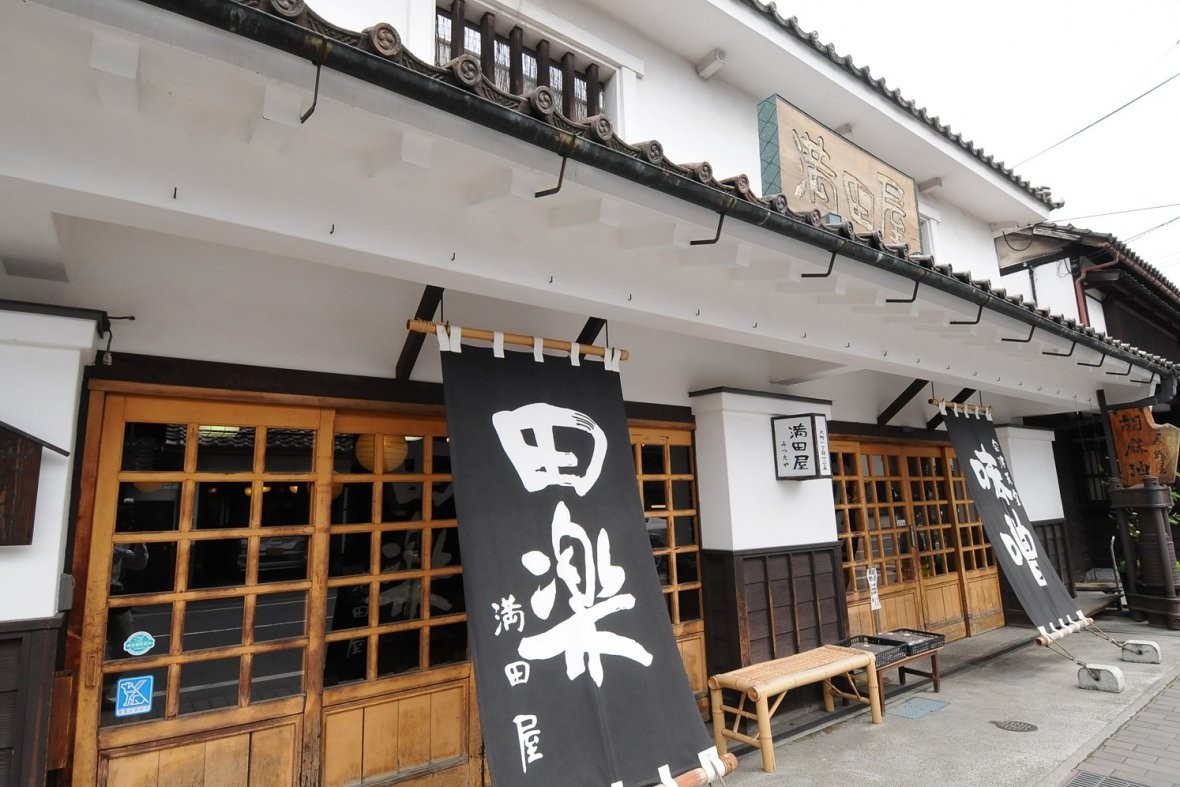 Historic Mitsutaya restaurant in Aizuwakamatsu, founded 1834, serving traditional dengaku grilled over charcoal irori hearth. Source: Fukushima Travel
Mitsutaya is a specialty dengaku restaurant housed in a renovated miso storehouse with nearly 200 years of history. Founded in 1834 as a handmade miso shop beloved by locals, it became famous for dengaku during the previous owner's generation. The building itself is designated as historic landscape architecture of Aizuwakamatsu, representing authentic Edo-period merchant architecture. 🔗
The seventh-generation proprietress personally grills each dengaku skewer over the traditional irori (charcoal hearth) right before diners' eyes, carefully controlling angle and timing to prevent burning while achieving perfect caramelization of the miso glaze. The restaurant embodies Aizu's culinary heritage through its continuation of traditional grilling methods, handmade miso production, and preservation of samurai-era dining customs. 🔗
Cultural & Historical Significance
Dengaku Tradition in Aizu
Dengaku's name derives from a ritualistic rice-planting dance performed from the Heian to Muromachi period. The skewered tofu resembled dancers balanced on single stilts, inspiring the dish's name. 🔗 The dish evolved from simple snack to refined samurai cuisine during the Edo period, when Aizu samurai gathered in tea houses to enjoy this rustic yet elegant specialty. 🔗
In Aizuwakamatsu, dengaku reflects the samurai spirit of "wabi-sabi" - finding beauty in simplicity and imperfection. The communal experience of gathering around an irori hearth embodies Aizu hospitality traditions that continue today in historic establishments operating for centuries. The dish's refined simplicity was appreciated by the samurai class who valued both substance and restraint.
Mitsutaya's 190-Year Legacy
Founded in 1834 during the late Edo period, Mitsutaya began as a handmade miso shop serving the local community. The establishment gained fame for dengaku during the previous generation's leadership, transforming from a miso producer into a celebrated dining destination while maintaining its miso-making heritage. 🔗
The designation of the building as historic landscape architecture recognizes its preservation of authentic Edo-period storehouse design. The thick earthen walls, traditional roof construction, and interior layout remain largely unchanged, creating an immersive historical atmosphere. Visitors experience not just traditional cuisine but authentic architectural heritage representing Aizuwakamatsu's merchant class history.
Mountain Cuisine Heritage
Aizuwakamatsu's landlocked, mountainous location profoundly shaped its culinary identity. Dengaku exemplifies the region's "mountain cuisine" characterized by seasonal ingredients, preservation techniques, and resourcefulness developed through harsh winters. 🔗
Traditional dengaku ingredients reflect this mountain heritage:
- Tofu: Firm variety that holds up to grilling
- Konnyaku: Jelly-like konjac yam, prized for texture
- Satoimo: Taro root that becomes soft and creamy
- Mochi: Glutinous rice cakes, delightfully chewy when grilled
- Nishin: Dried herring - a preserved protein reflecting the region's distance from the sea 🔗
The rotation of ingredients based on season is particularly pronounced in mountain regions where connection to the land remains strong. October-November features harvest vegetables, new buckwheat, and autumn specialties like persimmons and apples.
Visiting Information
Operating Hours & Access
Hours:
- Dining area: 10:30-16:30 (Last orders 16:20)
- Shop: 10:00-17:00 🔗
Closed:
- January-March: Every Wednesday
- April-December: 1st, 2nd, and 3rd Wednesdays 🔗
Access:
- 20-minute walk from Aizuwakamatsu Station
- 8 minutes by taxi from Aizuwakamatsu Station
- 4 minutes by bus from Aizuwakamatsu Station (Tadami Line and Ban-etsusai Line) 🔗
Reservations: Not explicitly required but recommended due to popularity, especially on weekends when long lines form.
Phone: 0242-27-1345
Official Website: https://www.mitsutaya.jp/
Menu & Pricing
Dengaku Course (6 skewers): Includes bean curd, konnyaku, rice cake, taro, shingoro (mashed rice), and herring. Allows tasting all four miso varieties (sweet, yuzu, sansho, junen). 🔗
Four Miso Varieties:
- Sweet miso (ama miso) - Classic sweet-savory balance
- Yuzu miso - Citrus-infused brightness
- Sansho miso - Japanese pepper heat
- Junen miso - Crushed perilla with distinctive grainy texture and fragrant flavor 🔗
Individual Items Available: Deep-fried tofu, round mochi, taro, herring fillets - each with choice of miso coating
Pricing: Moderate range, typical set courses around ¥1,500-2,500 based on visitor reviews
Specialty Miso Products: The shop sells their handmade miso, pickles, and umeboshi plums for purchase 🔗
The Dining Experience
Historic Miso Storehouse Atmosphere
The historic miso storehouse interior features traditional irori hearth as centerpiece. Guests sit around the charcoal fire, watching the proprietress grill each skewer with meticulous care. The rustic country cuisine served over the charcoal hearth creates an intimate, authentic connection to Aizu's culinary heritage. 🔗
The thick earthen walls maintain stable temperature and humidity, creating the ideal environment for both miso aging and comfortable dining. Natural light filters through traditional windows, while the aroma of charcoal smoke and caramelizing miso fills the space. The preserved architectural elements - exposed wooden beams, traditional flooring, and storehouse construction - transport diners to the Edo period.
Interactive Irori Grilling
The grilling process becomes part of the experience - observing the careful application of different miso varieties, the precise timing to prevent burning, and the aromatic charcoal smoke enhancing each ingredient. The seventh-generation proprietress demonstrates mastery of the irori technique, constantly adjusting skewer positions to achieve even cooking and perfect miso caramelization.
Each skewer is prepared to order, ensuring optimal temperature and texture. The mistress explains the characteristics of each miso variety and the traditional preparation methods as she grills. This interactive element creates connection between diner, chef, and centuries-old culinary tradition.
Traditional Irori Method
Dengaku is prepared using a traditional sunken charcoal hearth called an irori. This method requires constant attention - ingredients are skewered on bamboo, coated with miso glaze, and grilled slowly over charcoal. The chef must carefully turn each skewer to prevent the miso from burning while ensuring thorough cooking. The smoky aroma from the charcoal fire is essential to the authentic experience. 🔗
The key to Aizu dengaku's distinctive flavor is local red miso, which develops deep, complex umami through long fermentation. The miso glaze is mixed with sugar, mirin, and sake, creating a sweet-savory coating that caramelizes beautifully when grilled. 🔗
Practical Visiting Tips
Timing Strategy
Avoid Weekend Lines: Arrive early or during off-peak hours to avoid weekend lines. The restaurant closes relatively early (16:30 last order), making it ideal for late lunch. 🔗
Optimal Visit Windows:
- Weekday lunch (11:00-12:30): Moderate crowds, fresh preparation
- Late lunch (2:00-4:00 PM): Quieter period before closing
- Avoid: Weekend lunch peak (12:00-2:00 PM) when long lines form
Seasonal Experience: October-November visits offer harvest-season freshness with new soba and autumn vegetables incorporated into traditional preparations. The warm irori hearth provides cozy comfort as autumn temperatures cool.
Cultural Preparation
Try the Specialty: Don't miss the junen miso (perilla-infused) - its grainy texture and fragrant flavor is unique to this establishment. 🔗 The perilla seeds are crushed to release their aromatic oils, creating a distinctly nutty, herbaceous flavor profile not found in other miso preparations.
Irori Dining Etiquette:
- The irori is the traditional heart of the Japanese home - a sacred communal space
- Say "itadakimasu" before eating ("I humbly receive")
- Say "gochisousama deshita" after finishing ("Thank you for the meal")
- The communal hearth is sacred space; treat it with respect
- Avoid touching the charcoal or adjusting skewers unless invited to participate
Photography: The irori grilling process makes excellent photos. Always ask permission before photographing ("Shashin o totte mo ii desu ka?"). Avoid flash and be respectful of other diners. The proprietress is usually welcoming to photography of the cooking process.
Visit-Specific Recommendations
October 21-23 Visit:
- Harvest season begins; fresh autumn vegetables featured
- Comfortable temperatures make walking to restaurant pleasant
- Thick jacket recommended for morning/evening
November 9-18 Visit:
- Peak harvest season; ingredients at optimal freshness
- Warm irori hearth particularly comforting in cooler weather
- Rain jacket essential; umbrella recommended
Day Trip Integration: Mitsutaya's location on Nanokamachi-dori Street makes it ideal centerpiece for day trip itinerary:
- Morning: Tsuruga Castle and park exploration
- Lunch: Mitsutaya dengaku experience (11:30 AM - 2:00 PM)
- Afternoon: Nanokamachi-dori Street shopping, craft workshops
- Evening: Return to Tokyo or continue to Higashiyama Onsen
Money-Saving Tips
- Set courses (¥1,500-2,500) provide best value compared to ordering individual items
- Six-skewer dengaku course allows tasting all four miso varieties without ordering separately
- Purchase miso and pickles in the shop (10:00-17:00) for authentic souvenirs at reasonable prices
- Combine with other Nanokamachi-dori Street attractions on foot to save transportation costs
Cultural Etiquette
Chopstick Rules
- Never stick upright in rice (resembles funeral incense)
- Never pass food chopstick-to-chopstick (funeral ritual)
- Never point with chopsticks
- Rest chopsticks on provided holder, not across bowl
General Dining Customs
- Greetings: Acknowledge staff with slight bow and "Konnichiwa" (hello) or "Konbanwa" (good evening)
- Seating: On tatami mats if applicable, formal seiza position is ideal, but men may sit cross-legged and women may fold legs to one side
- Oshibori: Use wet towel for hands only, not face
- Avoid loud conversation in the intimate storehouse setting
- Respect other diners' experience of the traditional atmosphere
Seasonal Considerations (October-November)
Harvest Season Specialties:
- Mishirazu Persimmons: Local autumn specialty fruit
- Shin-soba: Freshly harvested buckwheat noodles with superior flavor
- Aizu Apples: Peak season
- Autumn Vegetables: Pumpkin, mushrooms, taro featured in dengaku
Weather Preparation:
- October: Average daytime 15-18°C; layers with thick jacket
- November: Daytime around 12°C, nighttime cooling to 4°C; warm layers essential
- November rainfall: 95mm monthly average - rain jacket required
Foliage Context: Early-to-mid November offers beautiful autumn colors throughout Aizuwakamatsu, enhancing the walk to Mitsutaya and the overall cultural experience.
Integration with Aizuwakamatsu Visit
Nearby Attractions (Nanokamachi-dori Street)
Walking Distance:
- Traditional craft shops and lacquerware stores
- Aizu Brand-Kan - Official souvenir center
- Historic merchant architecture
20 Minutes Walk:
- Tsuruga Castle and park
- Fukushima Prefectural Museum
Loop Bus Accessible:
- All major Aizuwakamatsu attractions via Haikara-san and Akabe routes
Complementary Experiences
Cultural Immersion:
- Morning: Tsuruga Castle and Byakkotai memorial sites
- Lunch: Mitsutaya dengaku experience
- Afternoon: Aizu lacquerware workshop or sake brewery tour
- Evening: Traditional tea ceremony at Rinkaku Teahouse
Mountain Cuisine Context: Dengaku at Mitsutaya represents one pillar of Aizu's distinctive food culture, alongside kozuyu ceremonial soup, Kitakata ramen, and premium sake. Experiencing dengaku provides insight into how geographic constraints (landlocked, mountainous terrain) transformed into culinary innovation through preservation techniques and seasonal adaptation.
Contemporary Cultural Significance
Dengaku at Mitsutaya represents more than historical curiosity - it's living heritage demonstrating how traditional food culture continues in modern Japan. The continuation of dengaku tradition in this 190-year-old establishment allows both locals and visitors to experience tangible connection to Aizu's samurai past and mountain cuisine identity.
The communal irori experience embodies Aizu hospitality spirit, while the careful preservation of traditional miso-making and grilling techniques ensures authentic flavors persist across generations. For visitors, dengaku offers accessible entry point to understanding Japanese cultural values of seasonality, simplicity, craftsmanship, and respect for tradition.
Location: View on Google Maps
Source: attractions/aizuwakamatsu/mitsutaya.md