
About
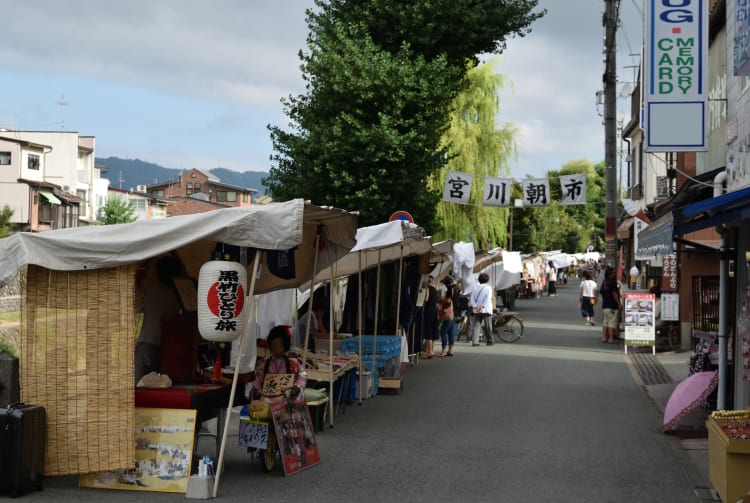 Traditional riverside market stalls along the Miyagawa River showcasing local produce and crafts - Source: Japan National Tourism Organization
The Miyagawa Morning Market represents over two centuries of continuous trading tradition along Takayama's scenic riverfront. Originally emerging from Edo period agricultural exchanges, the market evolved when farmers' wives began displaying vegetables during the Meiji era, creating what locals call the "morning market" culture. This authentic cultural institution stretches 350 meters between two historic bridges, hosting approximately 60 stalls that embody the agricultural heritage of the Hida region. 🔗
Unlike commercial tourist markets, Miyagawa Morning Market maintains its authentic character through vendor restrictions - only local farmers and producers can operate stalls, ensuring genuine regional products and cultural interactions. The market serves as a living museum of mountain village life, where traditional Hida dialect mingles with the business of daily trade, and centuries-old preservation techniques meet modern visitors' curiosity. 🔗
Cultural & Religious Significance
The market's cultural significance extends beyond commerce - it represents one of Japan's three major morning markets alongside Wajima (Ishikawa) and Katsuura (Chiba), maintaining traditions that connect contemporary Takayama with its rural roots. The riverside location provides a picturesque backdrop for this cultural exchange, where the clear mountain water of Miyagawa River reflects the wooden stalls and traditional work clothing of vendors who have often inherited their market positions through generations. 🔗
Visiting Information
Operating Hours: October: 7:00 AM - 12:00 PM (daily operation, all days of the week)
Access:
- From JR Takayama Station: 10-minute walk through historic downtown streets
- From Ryokan Murayama: Approximately 8-minute walk south along Miyagawa River
- Walking directions: Head south from station toward river, follow Miyagawa River between bridges
Current Status: Open year-round with full autumn season operations (approximately 60 stalls expected in October weather permitting)
Weather Contingency: Stall numbers may decrease to approximately 10 during heavy rain - monitor weather forecasts for optimal experience planning. 🔗
The Experience
October Seasonal Highlights:
- Autumn Mountain Vegetables: Fresh alpine produce including red turnips (traditional Hida specialty)
- Seasonal Fruits: Local autumn apples, late-season mountain grapes when available
- Traditional Preserves: Homemade pickles using centuries-old mountain preservation techniques
- Cultural Crafts: Sarubobo dolls (red good-luck charms), Ichii Itto-bori yew wood carvings
Vendor Interactions: Experience authentic cultural exchange with elderly local farmers wearing traditional work clothes and Japanese cooking aprons with sleeves. Vendors speak the distinctive Hida dialect and eagerly share stories about their produce, offering preparation tips for traditional mountain dishes. This represents genuine cultural immersion unavailable in commercial tourist venues. 🔗
Culinary Experiences:
- Gohei Mochi: Grilled rice cakes glazed with sweet-savory miso sauce (regional specialty)
- Hida Beef Croquettes: Premium local beef in crispy croquettes and steamed buns
- Coffee in Cookie Cups: Unique Koma Coffee served in edible cookie cups with latte art (3-5 minute consumption window)
- Traditional Pickles: Sample regional preservation methods using mountain vegetables
Practical Visiting Tips
Traditional Shopping Customs and Cultural Etiquette:
- Direct Farmer Interaction: Engage with vendors who share stories about their products for deeper cultural understanding; market vendors exclusively stock products conceived and grown by locals running them
- Language and Communication: Enjoy friendly "Takayama dialect" conversations; elderly locals appreciate chatting about rare vegetables' tastes and cooking methods; vendors speak mix of Japanese and local Hida dialect
- Traditional Purchasing Experience: Arrive around 6:00 AM to see energetic setup with traditional work clothes and cooking aprons; vendors offer free tastings of pickles, miso, sweets, mushroom soup, and dried fruits
- Authentic Market Atmosphere: Only farmers allowed to open stalls (300+ year tradition); many vendors cash-only especially for small items; freshest produce and street snacks sell out by mid-morning
- Cultural Respect: Ask permission before photographing vendors directly; show genuine interest in products through questions; handle money exchanges with both hands; express appreciation for local traditions 🔗
Optimal Visit Strategy:
- Arrive 7:00-7:30 AM for authentic local atmosphere and best product selection
- Peak Times: 9:00-10:00 AM sees heaviest visitor concentration
- Cash Requirements: Most vendors operate cash-only systems - bring sufficient yen for purchases
Cultural Preparation:
- Basic Japanese Greetings: "Ohayo gozaimasu" (good morning) appreciated by vendors
- Product Interest: Learn names of seasonal items like "momiji" (autumn leaves) vegetables
- Payment Etiquette: Handle money exchanges with both hands showing respect
Photography Opportunities:
- Bridge Views: Kajibashi and Yayoibashi bridges provide elevated perspectives of market stretch
- Riverside Angles: Capture traditional white tents against mountain backdrop
- Vendor Portraits: With permission, traditional work clothing and authentic expressions
Location: View on Google Maps
Source: attractions/takayama/miyagawa-morning-market.md