
About
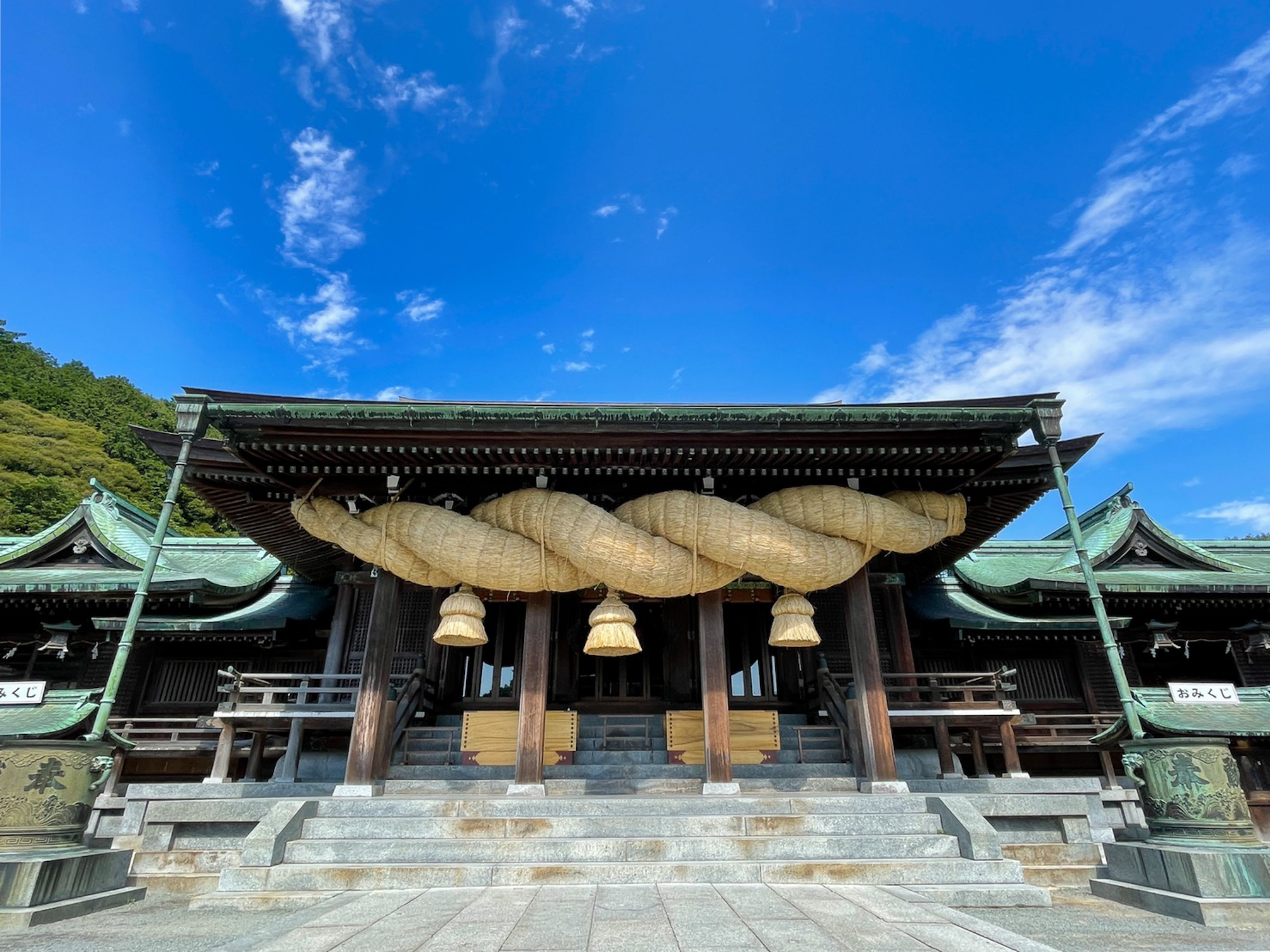 Miyajidake Shrine showing the massive shimenawa rope and shrine buildings
Miyajidake Shrine (宮地嶽神社) is a Shinto shrine with over 1,700 years of history, founded when Empress Jingu established an altar at the summit of Mount Miyaji to pray for safe travels before her expedition to Korea. After her triumphant return, she was enshrined here, making this the head shrine of all Miyajidake Shrines across Japan. 🔗
The shrine is renowned for two spectacular features: its massive sacred rope (shimenawa) - one of Japan's largest at 2.6 meters in diameter, 11 meters in length, and weighing 3 tons - and the famous "Path of Light" (Hikari no Michi) phenomenon. This mystical alignment occurs twice yearly when the sunset aligns perfectly with the shrine's approach road, creating a golden path stretching from the shrine steps to the Genkai Sea and tiny Ainoshima Island beyond. 🔗
Cultural & Religious Significance
The shrine honors three deities known as the "Three Deities of Miyajidake Shrine": Empress Jingu as the main deity, along with Katsumura Ōkami and Katsuyori Ōkami, collectively considered gods of good fortune who can overcome anything. This makes Miyajidake especially popular among those engaged in commercial endeavors. 🔗
Archaeological significance adds another layer to the shrine's importance - behind the main shrine lies Miyajidake Kofun, a large stone burial mound from the late 6th century containing over 300 artifacts, including 20 designated as national treasures. The shrine's foundation story represents the ancient Japanese practice of establishing sacred sites for imperial expeditions and military success. 🔗
The "Path of Light" phenomenon holds deep spiritual significance as a divine alignment between the terrestrial shrine and celestial forces, representing the connection between earthly worship and heavenly blessing. The twice-yearly occurrence marks important seasonal transitions in the agricultural and spiritual calendar. 🔗
Visiting Information
Hours: Prayer Reception 9:00-17:00, Awarding Office 7:00-19:00 🔗
Transportation:
- From Fukuoka/Hakata: JR Kagoshima Line to Fukuma Station (20-25 minutes, covered by Japan Rail Pass), then bus routes #1-1, 1-2, or #5 to "Miyajidake-jinja-mae" stop (6-10 minutes)
- From Itoshima: Driving recommended for sunset viewing flexibility (30-40 minutes)
- By car: 7.5km from Koga Interchange on Kyushu Expressway, with parking for 700 cars 🔗
Path of Light Schedule (October timing):
- Free numbered tickets distributed from 2:00 PM
- Access restrictions begin at 3:00 PM
- Sunset viewing from 4:30-5:30 PM
- Weather-dependent phenomenon requiring clear western skies 🔗
The Experience
The shrine offers multiple remarkable experiences centered around its "Three Bests of Japan": the massive shimenawa rope (remade annually by 1,500 volunteers), Japan's largest taiko drum (2.2 meters diameter), and a 450-kilogram copper bell. 🔗
The Path of Light Experience: This spectacular phenomenon occurs when the sunset aligns perfectly with the shrine's approach road, creating a golden path stretching to the sea. From the shrine's elevated position, visitors can see this alignment through the torii gates, connecting the shrine, the approach path, Miyajihama Beach, and Ainoshima Island in a straight line. 🔗
Shrine Architecture: The approach features a massive flight of stone steps leading to the main shrine buildings. From the top, visitors enjoy panoramic views down the stairs, along the straight road to the sea, and toward tiny Ainoshima Island. A labyrinth of pathways lined with vermillion torii leads to eight smaller shrines dotting the hillside, part of the traditional "Oku no Miya Hachisha Mairi" pilgrimage. 🔗
October 31-November 1 Timing: Perfect for experiencing the Path of Light phenomenon, which occurs around October 20th with optimal viewing extending through late October. Late October provides optimal sunset timing around 5:56 PM early in the month. 🔗
Practical Visiting Tips
Path of Light Preparation: Arrive before 2:00 PM during Path of Light periods to secure viewing tickets. The road closes at 3:00 PM, requiring early planning for optimal positioning. Weather conditions are crucial - even sunny days may not produce the effect if clouds obstruct the sunset. 🔗
Photography Guidelines: Tripods prohibited on main approach stairs during Path of Light events. Portrait orientation recommended for capturing full path length. Camera settings: f/5-f/10, ISO 500-1000, enhanced color temperature for golden tones. No photography inside shrine buildings or of priests/ceremonies.
Cultural Etiquette: Perform purification ritual at temizuya before approaching main shrine. Follow "two bows, two claps, one bow" prayer sequence. Avoid walking in center of paths (reserved for deities). Remove hats and maintain respectful silence during prayers.
Crowd Management: Visit early morning (6:00-8:00 AM) for peaceful shrine experience. Weekday visits typically less crowded than weekends. During Path of Light events, shrine approaches become viewing areas with restricted access from 3:00 PM. 🔗
Seasonal Preparation: October weather is generally mild but bring layers for evening sunset viewing. Clear western sky visibility is essential for the Path of Light phenomenon. The phenomenon is weather-dependent and occurs only during specific windows in late October. 🔗
Location: View on Google Maps
Source: attractions/fukuoka/miyajidake-shrine.md