
About
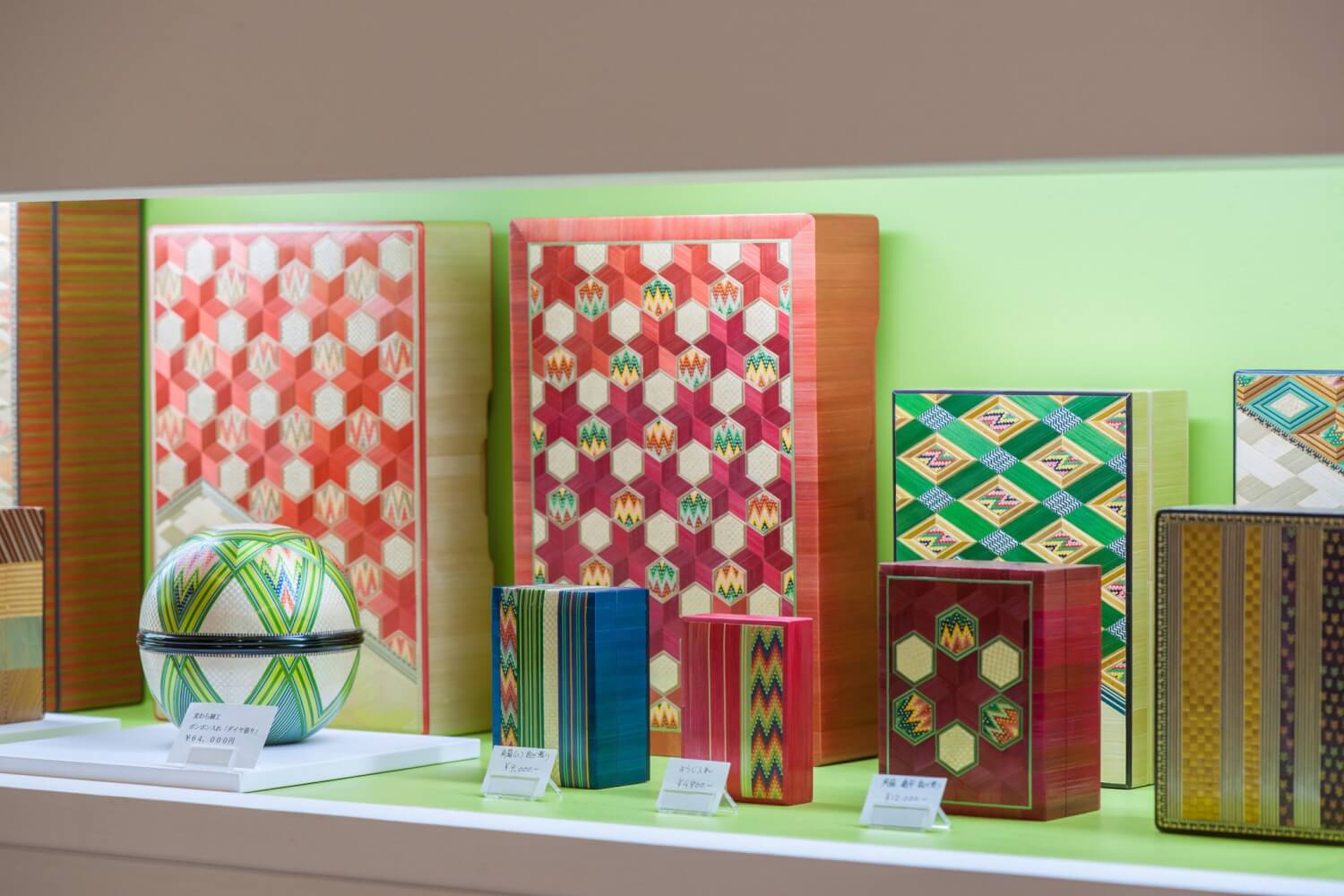 Traditional Mugiwara zaiku straw craft examples showcasing intricate geometric patterns and vibrant colors
Mugiwara zaiku represents a unique 300-year-old traditional art form found exclusively in Kinosaki Onsen—nowhere else in Japan practices this distinctive craft. The tradition began around 1720 when craftsman Hanhichi from Inshuu area (modern Tottori Prefecture) stayed in Kinosaki, selling decorated bamboo flutes and spinning tops to pay lodging expenses, establishing a craft heritage that has continued unbroken for three centuries. 🔗
Cultural & Religious Significance
Historical Exclusivity: This craft exists only in Kinosaki, making it one of Japan's most geographically unique traditional arts. The technique gained international recognition when German physician Philipp Franz von Siebold introduced examples to Europe in the 1830s, though production remained centered exclusively in this single mountain town. 🔗
Cultural Heritage Status: Designated as Traditional Craft of Hyogo Prefecture and Intangible Cultural Asset of Toyooka, representing the community's deep commitment to cultural preservation. The craft demonstrates Japanese principles of transforming humble agricultural materials into artistic excellence through patience and precision. 🔗
Artisan Lineage: Master craftsman families have maintained techniques through generations, with current practitioners representing centuries of accumulated knowledge passed through apprenticeship systems that preserve both technical methods and cultural philosophy behind the art form.
Visiting Information
Kamiya Mingei Workshop: Master craftsman with over three decades of experience continues family tradition spanning generations, offering comprehensive cultural immersion experiences:
- Morning Course: 9:30 AM - 12:00 PM with English-speaking guides
- Afternoon Course: 1:30 PM - 4:00 PM with cultural context explanation
- Workshop Components: History demonstration, live straw-affixing displays, hands-on decorating activities
- Private Tours: Detailed workshop access revealing complex production methods 🔗
Kinosaki Straw Craft Museum: Two-floor facility showcasing over 200 historical and contemporary items including antique boxes, framed artworks, and traditional dolls. Features multilingual instructional videos and hands-on workshop opportunities for creating fans, keychains, and decorative boxes. 🔗
The Experience
Traditional Process Education: Witness the meticulous creation involving harvesting barley straw, dyeing in vibrant colors, then cutting and flattening into precise pieces. Artisans arrange and paste elements onto surfaces using rice glue, wooden spatulas, and precision blades to create intricate geometric patterns resembling marquetry work.
Materials Understanding: Learn about transformation of colorless raw barley husks through boiling in dye mixtures to create rainbow colors, then crafting using only straw, natural dyes, rice glue, and traditional tools—no modern synthetic materials.
Hands-On Creation: Participate in box decorating activities using pre-cut straw pieces, learning proper placement techniques and adhesion methods while creating personal keepsakes. Experience requires patience and precision, teaching meditative concentration principles central to Japanese craft traditions.
Cultural Context Integration: Understand how this unique art form developed within hot spring culture, serving as entertainment and economic support for visitors while preserving agricultural traditions in mountain settings.
Practical Visiting Tips
Seasonal Design Opportunities: While specific autumn-themed designs aren't documented, Japanese craft traditions typically incorporate seasonal motifs. October timing may include:
- Maple leaves (momiji) representing classic autumn symbolism
- Chrysanthemums (kiku) as national flower blooming in autumn
- Full moon (meigetsu) associated with autumn moon viewing traditions
- Pampas grass (susuki) as common autumn landscape element
Workshop Preparation: Comfortable seating for extended periods of detailed work; good lighting for precision activities; patient approach for learning traditional techniques that require practice for mastery.
Cultural Etiquette: Show respect for artisan knowledge and centuries of tradition; ask questions about techniques and cultural significance; appreciate the meditative aspects of detailed handwork as part of Japanese aesthetic philosophy.
Skill Level Expectations: Beginner-friendly activities designed for cultural exposure rather than technical mastery; focus on understanding cultural significance and experiencing traditional methods rather than achieving professional results.
Integration with Hot Spring Culture: Workshop timing allows combination with onsen visits, representing complete cultural immersion day combining craft education with therapeutic relaxation experiences traditional to Kinosaki.
Souvenir and Cultural Continuity: Created items serve as authentic cultural mementos while supporting continuation of this unique three-century tradition exclusive to Kinosaki Onsen.
Location: View on Google Maps
Source: attractions/kinosaki/mugiwara-zaiku-workshops.md