
About
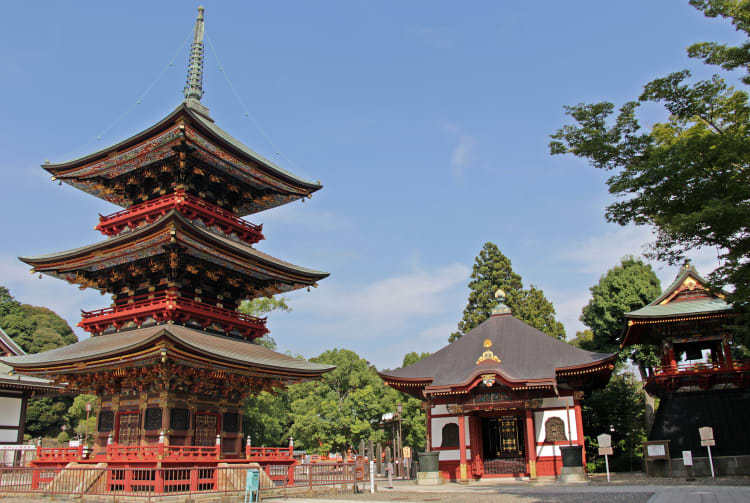 Historic Naritasan temple approach with traditional architecture - Source: Japan National Tourism Organization 🔗
Naritasan Omotesando is an 800-meter historic shopping street that has flourished as a temple town since the Edo period (1603-1868). The street serves as the main approach to Naritasan Shinshoji Temple, one of the most significant Buddhist temples in the Kanto region. 🔗
During the Edo period, this was the final kilometer of a 64-kilometer pilgrimage route from Edo (Tokyo) to Narita. Weary pilgrims found rest and nourishment here at numerous inns and restaurants. To provide sustenance for fatigued travelers, many unagi (grilled eel) shops opened along the street - a tradition that continues today with over 60 unagi restaurants among the 150+ shops that remain. 🔗
Cultural & Religious Significance
The cultural significance of omotesando (temple approach streets) in Japanese Buddhism extends beyond mere pathways - they represent a transition from the profane, everyday world to the sacred space of the temple. These streets historically served as hubs of activity, with shops and restaurants catering to pilgrims' needs. Naritasan Omotesando exemplifies this tradition, preserving its Edo-period atmosphere with restaurants, sweet shops, medicine vendors, and souvenir stores. 🔗
The street features statues of Chinese zodiac animals and famous poets, along with important historical buildings. The proximity of Lake Inbanuma provided a plentiful supply of fresh eels, establishing unagi as Narita's signature delicacy - so famous that the city's official mascot is an eel named Unari-kun. 🔗
Unagi Cultural Significance:
The tradition of eating unagi at pilgrimage sites stems from its nutritional value - the eel is high in protein and fat, making it ideal for restoring pilgrims' strength after long journeys. The practice became particularly popular during the Edo period when it was considered both a luxurious treat and a practical recovery meal. 🔗
Unagi holds deep cultural significance in Japanese cuisine as a symbol of vitality and endurance. The kabayaki preparation method - where eel is grilled and basted multiple times with a sweet-savory sauce of soy sauce, mirin, sugar, and sake - dates back to the Edo period (1688-1704). 🔗
The kabayaki preparation in this region follows the Edo style: eel is split along the back (avoiding samurai connotations of "belly-cutting"), steamed to remove excess fat, then grilled multiple times while being basted with the signature sauce. This creates a softer, fluffier texture compared to the Kansai style. 🔗
Visiting Information
Access from Tokyo/Shibuya:
Getting There:
- Take JR Sobu Line Rapid Service or JR Narita Express to JR Narita Station
- Alternatively, take Keisei Line to Keisei Narita Station
- Both stations are approximately 200 meters apart
- JR Narita Station is one stop from Narita Airport Terminal 2 Station 🔗
Walking Route:
- Exit JR Narita Station and turn left
- Look for the stone sign labeled "Omotesando" with a Kabuki actor statue monument marking the entrance
- Follow the 800-meter street directly to Naritasan Shinshoji Temple
- Walking time: 15-20 minutes one way 🔗
Operating Hours:
- Street is accessible 24/7; individual restaurant hours vary
- Kawatoyo Honten: 10:00 AM - 5:00 PM daily
- Most restaurants open from 10:00 AM
- Early morning visits (6:30 AM) offer fewer crowds 🔗
Admission: Free to walk the street; dining costs vary by restaurant
Best Time to Visit:
- Early morning (6:30-10:00 AM) for fewer crowds and peaceful atmosphere
- November offers perfect strolling weather, autumn foliage, and moderate crowds
- Weekdays are less crowded than weekends 🔗
Current Status: Open and operational with full restaurant service available
The Street Experience
Traditional Unagi Dining
The street's signature experience is dining at one of the historic unagi restaurants.
Notable Restaurants:
Kawatoyo Honten (川豊本店)
- Founded in 1910, the oldest and most popular unagi restaurant in Narita
- Ranked #2 of 660 restaurants in Narita
- Located halfway between the station and temple along Omotesando
- Features open-air preparation where visitors can watch chefs grill fresh eel over charcoal
- Price range: ¥3,200-4,300 for una-ju (eel rice box) depending on portion size
- English menu available at http://www.unagi-kawatoyo.com/foreign/
- Often has queues; arriving at 10:00 AM on weekdays minimizes wait times 🔗
Unagi Shinkawa Honten
- Highly-rated alternative (4.6/5 on Tripadvisor)
- Accepts reservations (confirm "Hon-ten" location when booking)
- Similar price range starting from ¥2,900 🔗
Surugaya
- Relaxed atmosphere with street-side preparation
- Serves various eel dishes including skewered eel fillets
- All eels cooked on charcoal for authentic flavor 🔗
Street Atmosphere & Shopping
The cobblestone path features wooden shopfronts and lantern-lined streets creating an authentic Edo-period atmosphere. Over 150 shops sell traditional crafts, sweets, souvenirs, and specialty foods. Notable shops include Shimoda Koseido Pan Chaya, which sells unique Unagi Pan - soft bread filled with locally sourced grilled eel and fragrant sansho pepper. 🔗
Cultural Landmarks
Along the street, visitors encounter statues of Chinese zodiac animals, monuments to famous poets, and important historical buildings. The entrance features a Kabuki actor statue monument. The street exemplifies how traditional pilgrimage culture has been preserved, allowing modern visitors to experience the atmosphere that greeted travelers centuries ago. 🔗
Practical Visiting Tips
November Weather & Conditions:
- Temperature range: 50-66°F (10-19°C) - ideal for walking
- Dry and mild conditions, described as "perfect strolling weather"
- Autumn foliage visible along the street and at the temple
- Autumn Leaves Festival and String Festival typically held at Naritasan Temple 🔗
Crowd Management:
- Far less crowded than Tokyo attractions
- Early morning (6:30 AM) offers near-empty streets
- Numbers increase after lunchtime but remain manageable
- November weekdays offer the best balance of good weather and fewer visitors 🔗
Photography:
- The street is exceptionally photogenic - "any photo you take is a postcard"
- Best lighting in morning hours for street photography
- Respectful photography allowed on the street and at restaurant exteriors
- Inside restaurants, ask permission before photographing 🔗
Dining Etiquette for Unagi Restaurants:
General Japanese Restaurant Etiquette:
- Say "Itadakimasu" before eating ("I gratefully receive")
- Say "Gochisousama deshita" after finishing ("Thank you for the meal")
- Use provided hand towels (oshibori) for hands only, not face or neck
- No tipping required in Japanese restaurants 🔗
How to Eat Unagi:
- Traditional unaju/unadon: Sprinkle sansho pepper (Japanese pepper) on top to balance the sweet-savory sauce with a tingling spicy note
- The eel is already seasoned with kabayaki sauce - no additional soy sauce needed
- Eat while hot for the best texture (plump and fluffy inside) 🔗
Best Visit Strategy:
- Combine with Naritasan Shinshoji Temple visit (already researched as separate attraction)
- Walk slowly from station to temple, stopping for lunch halfway
- Allow 2-3 hours total for street exploration, dining, and temple visit
- Visit before or after temple to maximize the pilgrimage experience 🔗
Luggage & Storage:
- Luggage storage available at Narita Station
- Ideal stop if visiting before departure from Narita Airport
- Can coordinate with Naritasan Temple day trip from Tokyo 🔗
Budget Considerations:
- Street walking: Free
- Temple admission: Separate (covered in temple research)
- Unagi dining: ¥2,900-4,300 per person for quality restaurant meal
- Street snacks: ¥300-800 for specialty items like unagi pan
- Cash preferred at many traditional shops
Food Allergies:
- Most restaurants serve primarily eel; vegetarian options limited
- English menus available at major restaurants like Kawatoyo
- Staff may have limited English; pointing at menu items works well
Cultural Insights:
Wild eel populations face significant decline due to overfishing and habitat loss. Restaurants along Omotesando primarily serve farmed eel, but visitors should be aware of the sustainability concerns surrounding this traditional dish. 🔗
Restaurant Timing:
Popular restaurants like Kawatoyo fill quickly after 11:00 AM. Arriving at opening time (10:00 AM) or making reservations at places that accept them ensures minimal wait times during November's autumn tourism season.
Cash Recommendations:
While major restaurants may accept cards, many smaller shops and some traditional establishments remain cash-only. ATMs available at Narita Station.
Integration with Other Locations:
This street serves as the natural approach to Naritasan Shinshoji Temple (already researched). The two attractions form a cohesive half-day or full-day experience from Tokyo, particularly suitable for:
- Day trip from Tokyo/Shibuya base accommodation
- Pre-flight visit if departing from Narita Airport
- Cultural dining experience showcasing regional culinary traditions
- Introduction to temple town (monzenmachi) culture
The combination of pilgrimage culture, Edo-period atmosphere, and authentic regional cuisine makes this an accessible yet deeply traditional Japanese experience within easy reach of Tokyo.
Nearby Attractions:
- Naritasan Shinshoji Temple - Major Buddhist temple at the end of Omotesando (separate research file)
- Naritasan Park - Temple grounds with seasonal gardens
- JR Narita Station area - Additional shopping and dining options
- Narita International Airport - 10 minutes by train for departure-day visits
Location: View on Google Maps
Source: attractions/chiba/naritasan-omotesando-street.md