About
The Numazu Deep Sea Aquarium (沼津港深海水族館 シーラカンス・ミュージアム) opened in December 2011 as the world's first museum centered exclusively on deep-sea species living more than 200 meters below the ocean surface. 🔗 Located at Numazu Port adjacent to Suruga Bay—Japan's deepest bay with a maximum depth of 2,500 meters—the aquarium's location provides unique access to one of the richest deep-sea ecosystems on Earth. 🔗
Cultural & Scientific Significance
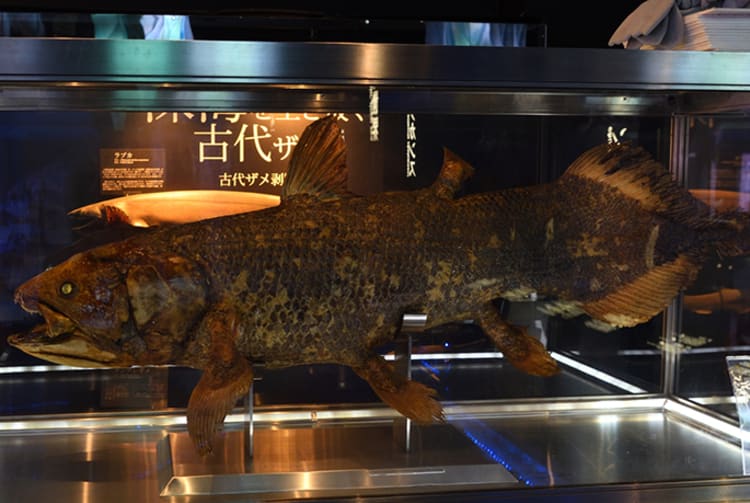
The aquarium is globally renowned for its Coelacanth Museum on the second floor, which houses the world's only frozen coelacanth specimens. The collection includes two frozen and three taxidermied specimens of this "living fossil" fish, which was thought to have gone extinct 66 million years ago until its rediscovery in 1938. The frozen specimens, kept at -20°C, were caught in 1981 by a Japanese research team and are classified as Class I under the Washington Convention, making them exceptionally rare scientific treasures. 🔗
Beyond the coelacanths, the aquarium showcases over 100 species of deep-sea creatures, with exhibits constantly changing based on what has been collected from Suruga Bay. The unique geographical conditions of the bay allow researchers to access deep-sea life that would be impossible to obtain elsewhere, creating a perpetually fresh and rare collection. 🔗
The Deep Sea Planetarium on the first floor offers a mesmerizing experience, featuring 150 bioluminescent lanterneye fish (Anomalopidae) glowing in a darkened, planetarium-like environment. This exhibit uses light and mirrors to showcase the natural bioluminescence of deep-sea creatures, creating an otherworldly atmosphere. 🔗
Visiting Information
Location: 83 Senbonminatocho, Numazu, Shizuoka 410-0845
Hours:
- Standard: 10:00 AM - 6:00 PM (last admission 5:30 PM)
- Extended summer hours (July-August): until 7:00 PM
- Subject to change during peak seasons and winter
- Closed in January for maintenance 🔗
Admission:
- Adults (High school and above): ¥2,200
- Children (Elementary/Junior High): ¥1,200
- Infants (4 years and older): ¥600
- Senior discount (65+): ¥200 off with valid ID
- Disabled visitors: reduced rates available
- Recommendation: Purchase tickets online in advance to skip queues, especially on weekends 🔗
Access:
From Tokyo:
- Take the Tokaido Shinkansen to Mishima Station (50 minutes from Tokyo)
- Transfer to JR Tokaido Line to Numazu Station (5 minutes)
- From JR Numazu Station South Exit:
- Bus: 15-minute ride on Numazu City Bus (Line 10) to "Numazu Port" stop (approximately ¥210)
- Taxi: 5-10 minutes (approximately ¥1,500-¥2,000)
- Walking: 30-minute walk to the port area 🔗
By Car: From Tomei Numazu IC or Shin-Tomei Nagaizumi Numazu IC: 20-30 minutes. No dedicated parking; use nearby paid lots at Port 83 with museum visitor discounts. 🔗
Best Time to Visit:
- November offers pleasant autumn weather (10-18°C) ideal for indoor exploration
- Weekday mornings (10:00 AM opening) or late afternoons (after 3:00 PM) to avoid crowds
- Autumn is prime deep-sea fishing season, increasing chances of seeing newly caught rare specimens
Typical Duration: 1.5-2 hours for complete visit
Contact: 055-954-0606
The Aquarium Experience
First Floor - The Deep Sea Journey:
The journey begins with a descent into the depths of Suruga Bay. The Suruga Bay Large Tank showcases local deep-sea inhabitants including the impressive Japanese spider crab with its massive leg span. The exhibit design mimics the progression from shallow to deep waters, introducing visitors to creatures adapted to extreme pressure and minimal light. 🔗
The Deep Sea Planetarium creates an immersive experience where 150 bioluminescent lanterneye fish create natural light shows in complete darkness. This exhibit demonstrates how deep-sea creatures produce their own light for communication, hunting, and defense. 🔗
Don't miss the "Strange Creatures" corner, which houses some of the most bizarre organisms from the deep sea, including giant isopods and other rarely exhibited species. The live deep-sea creature exhibits change frequently based on recent catches from Suruga Bay, offering unique viewing opportunities with each visit.
Second Floor - Coelacanth Museum:
The centerpiece of the museum, this floor is dedicated entirely to the coelacanth, a prehistoric fish thought extinct for 66 million years. The frozen specimens, visible through climate-controlled windows at -20°C, preserve every detail of scales, fins, eyes, and mouth—a sight available nowhere else on Earth. 🔗
Three additional taxidermied specimens provide different perspectives on this "living fossil," while educational displays detail the 1981 Japanese research expedition that obtained these specimens and the ongoing scientific significance of coelacanth research.
Museum Shop: Features deep-sea themed souvenirs, including toys, accessories, and confectionery unique to this aquarium. Perfect for educational gifts and unique mementos. 🔗
Practical Visiting Tips
November Seasonal Considerations:
- Weather: Cool and pleasant autumn temperatures (10-18°C); bring a light jacket for the port area
- Indoor comfort: Entire aquarium is climate-controlled, perfect for any weather
- Specimen variety: Autumn is prime deep-sea fishing season in Suruga Bay, increasing likelihood of seeing rare, newly caught specimens
- Crowd patterns: Popular domestic travel season; weekdays are manageable, expect larger crowds on weekends and national holidays
- Photography conditions: Dimly lit exhibits designed to protect light-sensitive creatures; no flash photography allowed
Photography and Cultural Etiquette:
- Flash strictly prohibited throughout the aquarium to protect sensitive deep-sea creatures
- Tripods and large photography equipment not permitted in narrow corridors
- Personal photography welcome; commercial photography requires permission
- Maintain quiet atmosphere—speak in low tones and avoid tapping on glass
- Follow designated route and move with general visitor flow
- Use available coin lockers near entrance to store bags for easier navigation 🔗
Optimal Viewing Strategy:
- Start on First Floor and follow the natural progression from shallow to deep-sea exhibits
- Prioritize the Coelacanth Museum on the second floor—the world's only frozen specimens
- Time the Deep Sea Planetarium for the bioluminescent display
- Watch for educational talks (often at 1:00 PM)—excellent English visuals even with Japanese narration
- Explore individual small tanks carefully—they often house the rarest specimens that rushed visitors miss
Best Photo Spots:
- Coelacanth frozen specimen viewing windows (no flash)
- Deep Sea Planetarium during bioluminescent displays
- Japanese spider crab in Suruga Bay tank
- Educational displays on second floor for scientific context shots
Money-Saving Tips:
- Senior discount (65+) with valid ID saves ¥200
- Online advance tickets may offer discounts and save queuing time
- Combined visit with Numazu Port dining provides better value
Accessibility:
- Wheelchair accessible throughout
- Limited wheelchairs available to borrow (reservation recommended: 055-954-0606)
- Stroller-friendly routes
- Limited English signage, but English pamphlets available at entrance 🔗
Integration with Numazu Port Area
The aquarium is part of the Minato 83 Banchi complex, a vibrant port district offering a full day of experiences:
Within Walking Distance:
- Numazu Port Large Lock "Byuo": Impressive water gate with observation deck offering panoramic views of the port and Mount Fuji on clear days 🔗
- Numazu Fish Market INO: Witness morning auctions or explore shops with fresh and processed seafood
- Senbonhama Park: Coastal park perfect for post-aquarium strolls
- Multiple seafood restaurants featuring local specialties and deep-sea fish unique to Suruga Bay
Seafood Dining: Immediate access to numerous restaurants serving ultra-fresh Suruga Bay seafood, including unique deep-sea fish dishes that complement the aquarium visit:
- Numazu Minato Shinsenkan: Market building with kaisen-don (seafood rice bowls) and fresh catches
- Hamayaki Shokudo: Grill-your-own fresh seafood at your table
- Hamayaki Shin-chan: 100-year-old fishery company restaurant
- Try deep-sea fish burgers and "Shinkaigyo-don" (deep-sea fish rice bowl) unique to Numazu 🔗
The entire port district operates on the concept of "A Taste of Suruga Bay," offering Japanese and Western dishes featuring the deepest bay's bounty. After exploring deep-sea life in the aquarium, visitors can taste it in nearby restaurants. 🔗
Integration with Izu Peninsula Journey
Perfect Complement to Izu Peninsula Exploration:
- Natural starting point for Izu Peninsula journey as Numazu serves as the northern gateway
- Connects educational deep-sea experience with natural beauty of coastal Izu destinations
- Provides cultural and scientific context for understanding Suruga Bay's significance to the entire region
- Indoor attraction balances outdoor activities planned elsewhere in Izu
Timing Within Itinerary:
- Morning visit (10:00 AM opening) allows afternoon exploration of Izu Peninsula
- Alternatively, afternoon visit (after 3:00 PM) following morning activities in other Izu locations
- Easy 15-minute bus connection from Numazu Station enables flexible integration
Important Notes
Before Your Visit:
- Verify current admission prices on official website (pricing may vary)
- Purchase tickets online to avoid queues, especially on weekends and November holidays
- January closure for maintenance—confirm operating status for specific dates
- No dedicated parking—plan to use Port 83 paid lots with museum discounts
- Limited English but pamphlets available; staff helpful despite language barriers
- Contact: 055-954-0606 for questions about accessibility, wheelchairs, or current exhibits
What Makes This Special: The Numazu Deep Sea Aquarium offers something truly unique in the world—the only opportunity to see frozen coelacanth specimens and constantly changing exhibits of deep-sea life from one of Earth's deepest bays. Combined with excellent accessibility from Tokyo and integration with Numazu Port's seafood culture, it provides both educational value and authentic local experience. The small size (1.5-2 hours) makes it perfect for incorporating into a larger Izu Peninsula journey without dominating the schedule. 🔗
Location: View on Google Maps
Source: attractions/izu-peninsula/numazu-deep-sea-aquarium.md