About
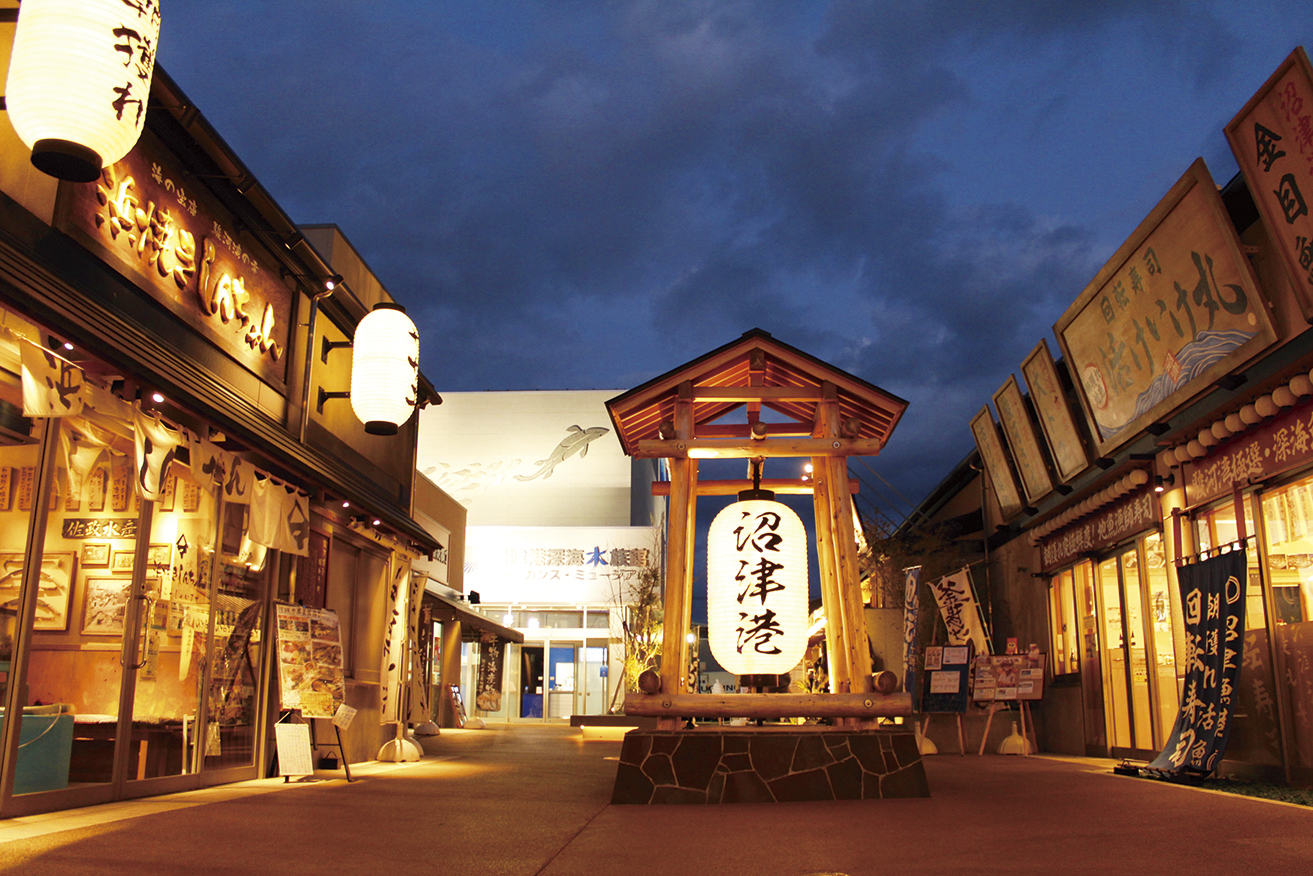 The bustling Numazu Port fish market area facing Suruga Bay, where fresh seafood and deep-sea fish are landed daily. Source: Explore Shizuoka
Numazu Port is a thriving fishing port and culinary destination facing Suruga Bay, the deepest bay in Japan (2,500 meters deep). 🔗 The port handles the second-largest volume of mackerel, horse mackerel, sardines, and bonito in Japan, second only to Yaizu Port in Shizuoka Prefecture. 🔗 This unique geographical position at the mouth of Suruga Bay makes Numazu Port a premier destination for experiencing both conventional seafood and rare deep-sea fish species.
The port area has evolved into a comprehensive dining and entertainment district with over 70 restaurants and shops, 🔗 centered around three main complexes: Numazu Fish Market INO (opened 2007), Numazu Minato Shinsenkan market mall, and Minato 83 Banchi restaurant district. 🔗
November is an excellent time to visit Numazu Port, with autumn bringing cooler temperatures and increased visibility of Mount Fuji. 🔗 Seasonal specialties available in November include sakura shrimp (autumn fishing season runs late October to late December), whitebait (shirasu), deep-water shrimp, and spear squid. 🔗
Cultural & Fishing Heritage
Numazu's culture is deeply intertwined with the sea. The extreme depth of Suruga Bay has created a unique ecosystem that supports both conventional fishing and specialized deep-sea fishing operations. The port lands fresh fish throughout the year, with commercial vessels unloading their catches daily at the wholesale market. 🔗
The fishing industry's historical significance was recognized as early as 1899 when a dedicated spur rail line to Numazu Port was established. 🔗 This infrastructure enabled efficient distribution of the port's catches throughout Japan, cementing Numazu's reputation as a major seafood center.
The port is renowned as Japan's largest producer of himono (dried fish), especially dried horse mackerel, accounting for approximately half of Japan's total production. 🔗 This centuries-old preservation technique has roots in Japan's Jomon period, with modern methods established in the Taisho and Showa eras. 🔗
Deep-Sea Fish Specialties
Suruga Bay's depth provides access to rare deep-sea species that form the basis of Numazu's most distinctive culinary offerings. Key species include:
- Arame ginme (Beardfish): Known for its surprisingly sweet taste when served as sashimi 🔗
- Mehikari (Japanese Barramundi): Locally called "torobotchi," a popular delicacy 🔗
- Nigisu (Deep-Sea Smelt): Locally known as "megisu," often served as tempura 🔗
- Japanese Grenadier (Toujin): A bottom-dwelling species found at 300-1,000 meter depths 🔗
- Giant Spider Crab: Symbol of the Heda district with legspans reaching three meters 🔗
- Sakura ebi (Cherry Shrimp): Translucent pink "jewels of Suruga Bay" found in only two places worldwide - Suruga Bay and Taiwan 🔗
The signature dish featuring these species is the Shinkaigyo-don (deep-sea fish bowl), a variety of fresh, raw deep-sea fish served over rice, unique to Numazu Port. 🔗
Visiting Information
Getting There
From Numazu Station:
- Bus (Recommended): Take Izu Hakone Bus or Tokai Bus from Numazu Station South Exit
By Car:
- Free parking available at Numazu Fish Market INO 🔗
- Important: Arrive early on weekends and holidays as parking fills quickly, especially around noon 🔗
- Many restaurants offer parking fee service coupons 🔗
Operating Hours & Costs
Operating Hours:
- Fish Market Viewing: 5:00 AM - 5:00 PM daily 🔗
- Morning Auction: 5:45 AM - 7:00 AM (free viewing from observation corridor) 🔗
- Restaurant District (Gyoshokukan): 10:00 AM - 9:00 PM 🔗
Admission:
- Free admission to market area and auction viewing corridor 🔗
Dining Costs:
- Budget-friendly daily specials: ¥1,000-2,500 🔗
- Conveyor belt sushi: Individual plates vary by item
- Set meals (teishoku): ¥1,500-3,000 🔗
- Kaisendon (seafood rice bowls): ¥1,500-2,500 🔗
Best Time to Visit
- Early Morning (5:45-7:00 AM): Experience the fish auction and enjoy breakfast sushi with the freshest catches 🔗
- Weekday Mornings: Avoid weekend crowds while securing parking easily 🔗
- November Optimal: Clear autumn weather increases chances of viewing Mount Fuji from the port 🔗
The Dining Experience
Main Dining Complexes
1. Numazu Fish Market INO (沼津魚市場INO)
Ground Floor:
- Wholesale fish market with daily auctions
- Observation passageway for viewing auctions (free admission)
- Marine unloading dock for coastal fishing vessels
- Fresh fish market with daily catches from Izu and Suruga Bay
Second Floor:
- Conveyor belt sushi restaurant featuring fresh daily catches 🔗
- Seafood dining hall with "local produce for local consumption" concept
- All restaurants source fish purchased at same-day auction 🔗
Rooftop:
- "Byuo" observation deck with panoramic views of Suruga Bay and Mount Fuji 🔗
2. Numazu Minato Shinsenkan (沼津港新鮮館)
- Fresh seafood market stalls
- Local Shizuoka specialties (vegetables, wasabi, tea)
- Multiple sushi restaurants
- Souvenir shops with dried fish and processed marine products 🔗
3. Minato 83 Banchi (港83番地)
- Signature Shinkaigyo-don (deep-sea fish bowl) 🔗
- Deep-sea fish burger (unique to this location) 🔗
- Seafood BBQ (hamayaki) stations
- Adjacent to Numazu Deep Sea Aquarium 🔗
Recommended Restaurants
For Deep-Sea Fish Specialties:
Kaisendon Masamasa (まさまさ)
- Direct outlet of Samasu Suisan fish company
- Best place to try authentic Shinkai-don 🔗
- Daily menu based on morning auction catches
Hamayaki Shin-chan (浜焼きしんちゃん)
For Classic Seafood Bowls:
Senbon Ichi (千本一)
- Window seats with views of Suruga Bay and Mount Fuji 🔗
- Signature "Numazu don" with fine-cut fresh fish over sushi rice
- Price range: ¥1,000-2,500 for daily specials 🔗
For Best Value:
Numazu Uoichiba Shokudo (沼津魚市場食堂)
- Market workers' cafeteria open to public
- Most affordable prices at the port
- View of Suruga Bay while dining
- Set meal example: "Uoichiba Teishoku" combining multiple local specialties 🔗
What to Order
Signature Dishes:
- Shinkaigyo-don - Deep-sea fish bowl with rare species unique to Numazu 🔗
- Aji Teishoku - Fried horse mackerel set meal (Numazu is Japan's #1 producer) 🔗
- Sakura Ebi Don - Cherry shrimp bowl (in season November) 🔗
- Shirasu Don - Fresh whitebait bowl (autumn specialty) 🔗
- Deep-Sea Fish Burger - Unique creation only at Minato 83 Banchi 🔗
November Seasonal Specialties:
- Sakura shrimp (autumn fishing season: late Oct - late Dec) 🔗
- Whitebait (shirasu) - fresh daily catches
- Deep-water shrimp (season: Sept - May)
- Spear squid (yari-ika) (season: Oct - March)
Practical Visiting Tips
Dining Strategy
Money-Saving Tips:
- Eat at Numazu Uoichiba Shokudo (market cafeteria) for best value 🔗
- Look for lunch specials (teishoku) - more affordable than dinner pricing
- Daily specials offer freshest fish at good prices
- Collect parking fee coupons from restaurants where you dine 🔗
Best Photo Spots:
- Byuo observation deck on INO building rooftop (Mount Fuji views) 🔗
- Auction viewing corridor (early morning market activity)
- Restaurant windows at Senbon Ichi (sea and mountain views) 🔗
Crowd Avoidance Strategies
Timing:
- Arrive before 10:00 AM on weekends to secure parking easily 🔗
- Eat lunch before 11:30 AM or after 1:30 PM to avoid peak crowds
- Weekday visits significantly less crowded than weekends
- Avoid Japanese national holidays when crowds are heaviest
Japanese Dining Etiquette at Fish Markets
Before Your Meal:
- Use provided oshibori (wet towel) to clean hands
- Say "itadakimasu" (I gratefully receive) before eating 🔗
Sushi & Sashimi Etiquette:
- Sushi may be eaten with hands; sashimi requires chopsticks 🔗
- For sashimi: place wasabi directly on fish, then dip lightly in soy sauce
- For sushi: chef has already added wasabi - avoid adding more to soy sauce
- Dip fish side (not rice side) into soy sauce 🔗
Finishing Your Meal:
- Finish everything on your plate (shows respect)
- Say "gochisousama deshita" (thank you for the meal) when leaving
- Drink miso soup directly from bowl like a cup
Fish Market Customs:
- Don't walk while eating (common Japanese custom) 🔗
- Bargaining not customary at Japanese fish markets 🔗
Special Recommendations
Don't Miss:
- Morning fish auction viewing from 5:45-7:00 AM 🔗
- Try at least one deep-sea fish specialty unique to Numazu
- Visit observation deck for Mount Fuji views (best morning light)
- Sample sakura shrimp dishes (peak November season)
- Purchase himono (dried fish) as authentic local souvenir
Unique Experiences:
- Green tea ice cream from MARUNI TEA FARM 🔗
- Deep-sea fish burger (only at Minato 83 Banchi) 🔗
- Grill-your-own seafood at Hamayaki Shin-chan
November Visit Considerations
Weather & Viewing Conditions:
- November offers optimal conditions with cooler temperatures and increased Mount Fuji visibility 🔗
- Clear autumn skies provide best photo opportunities from observation deck
Crowd Management:
- Early November is outside major holiday periods - moderate crowds expected
- Weekend visit requires early arrival for parking (before 10:00 AM recommended) 🔗
Recommended Timing:
- Option A (Early Experience): Arrive 5:30 AM for auction viewing + breakfast sushi (2-3 hours)
- Option B (Lunch Visit): Arrive 10:00 AM for pre-lunch shopping + 11:00 AM early lunch (2-3 hours)
- Option C (Combined Experience): Arrive 9:30 AM for market exploration + lunch + Deep Sea Aquarium (4-5 hours)
Nearby Attractions
Adjacent to Dining Area:
- Numazu Deep Sea Aquarium Coelacanth Museum - 380 meters from restaurant district, complements the deep-sea fish dining experience 🔗
Connection to Izu Peninsula:
- Numazu Port serves as natural gateway between Tokyo area and Izu Peninsula
- Seafood experience complements inland Izu attractions
- Last major seafood market before heading into Izu's mountainous regions
Location: View on Google Maps
Source: attractions/izu-peninsula/numazu-port-sushi-seafood.md