About
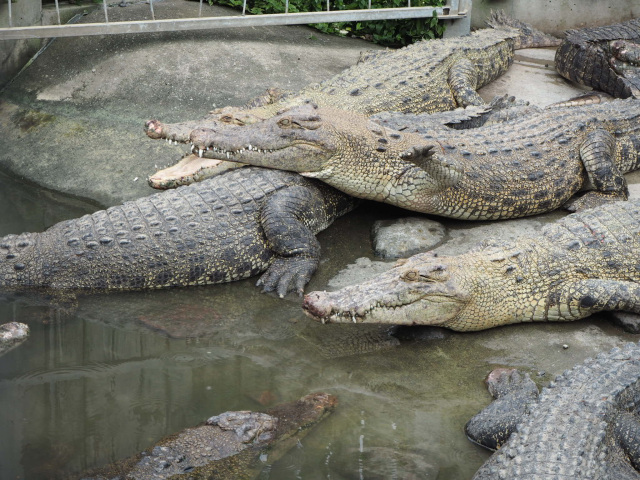 Oniyama Jigoku featuring crocodiles in geothermal habitat. Source: Visit Oita Official Tourism Website
Oniyama Jigoku, also known as "Crocodile Hell" or "Demon Mountain Hell," is one of Beppu's Seven Hells and stands out as the most unique, combining geological phenomena with a remarkable zoological achievement. 🔗 The facility holds historical significance as Japan's first crocodile breeding facility to utilize hot spring heat, established in 1923 during the Taisho period. 🔗
The springs bubble at a scorching 99.1°C (210°F), creating dramatic scenes of steam and vibrant green waters that provide ideal habitat for approximately 80 crocodiles and alligators. The breeding program originally began around 1918 when reptiles were first raised using the intense heat and high humidity created by the 98°C spring water. 🔗 The crocodiles, originally brought from Malaysia, thrive in this geothermal environment despite Beppu's four-season climate, growing faster than they would in the wild. 🔗
Cultural & Religious Significance
While hot springs have been used for centuries for bathing and healing in Japan, Oniyama Jigoku represents a creative 20th-century innovation—a modern adaptation of natural resources for conservation and tourism purposes. The name "Oniyama" translates to "Demon Mountain," aligning with the general theme of Beppu's "hells," which historically were viewed with fear and reverence as powerful, otherworldly geothermal sites. 🔗
The facility presents itself as a place of conservation and education, with breeding programs aimed at protecting endangered crocodile species. Educational exhibits include crocodile skeletons, taxidermy specimens, and displays about the history of crocodile breeding in Beppu and reptile biology. Notable specimens include stuffed specimens of the first crocodile "Ichiro" and Indian gharials designated as endangered species. 🔗
The monument of a seated demon (oni) at the entrance has become a popular photo spot. 🔗
Visiting Information
Hours: 8:00 AM - 5:00 PM daily, open year-round 🔗
Admission:
- Individual entrance: ¥450 per person (some sources indicate ¥400)
- Combined 7 Hells Ticket: ¥2,400 adults / ¥1,200 children (valid two consecutive days)
- Where to buy combined ticket: Only at Umi Jigoku or Chinoike Jigoku 🔗
- My Beppu Pass holders receive 10% discount 🔗
Access:
- From Beppu Station: Bus #2, #5, #24, or #41 (20 min) to "Oniyama Jigoku" or "Kannawa" stop
- Bus fare: Approximately ¥460 🔗
- Located within Kannawa district cluster—all five hells within walking distance
- Approximately 1-minute walk from Kamado Jigoku 🔗
Parking: Available on-site (may incur fee) 🔗
Location: 625 Kannawa, Beppu, Oita 874-0041
The Oniyama Jigoku Experience
Crocodile Observation
Approximately 80 crocodiles and alligators housed in specially designed enclosures heated by natural hot springs. Large enclosures allow visitors to observe these reptiles up close as they bask in the geothermal warmth. 🔗
Feeding Shows
Schedule: Wednesdays and weekends at 10:00 AM; weekends only at 2:30 PM. Shows provide thrilling views of crocodiles in action and are a popular attraction that draws crowds. 🔗
Educational Exhibits
- Taxidermy display of "Ichiro," the facility's first crocodile
- Indian gharial specimens (endangered species)
- Information about crocodile anatomy and biology
- History of crocodile breeding in Japan
- Conservation education displays 🔗
Geothermal Features
Steaming hot spring pools at 99.1°C creating dramatic atmosphere, vibrant green-colored waters, and observation of natural geothermal power in action. 🔗
Photo Opportunities
- Monument of seated demon (oni) at entrance—popular photo spot
- Steaming crocodile enclosures with volcanic backdrop
- Close-up views of crocodiles (through safe barriers) 🔗
Practical Visiting Tips
November Seasonal Advantages:
- Cooler temperatures (10-16°C) make exploring outdoor geothermal sites more pleasant
- Steam effects particularly dramatic in cooler November air
- Comfortable weather for walking between hells in Kannawa district
- Peak autumn foliage season in Beppu area 🔗
Optimal Timing:
- 9:00 AM arrival—catch first feeding show (10:00 AM on weekends), avoid crowds
- Early morning visits provide excellent light for photography
- Weekdays typically less crowded than weekends 🔗
Strategic Route: Visit as part of Kannawa district hell circuit walking downhill: Umi Jigoku → Oniishibozu Jigoku → Shiraike Jigoku → Kamado Jigoku → Oniyama Jigoku 🔗
Tickets & Savings:
- Purchase combined 7 Hells ticket (¥2,400) for significant savings over individual admission
- Ticket valid for two consecutive days—allows flexible pacing
- Consider My Beppu Pass for bus transport + 10% attraction discount 🔗
Photography Guidelines:
- No specific photography restrictions mentioned
- Do NOT throw anything into enclosures to provoke crocodile movement—explicitly prohibited and disrespectful 🔗
Cultural Etiquette:
- Respect the conservation and educational mission
- Follow all posted rules and staff instructions
- Be mindful of other visitors, especially during feeding shows
- Do not disturb the animals—no throwing objects or excessive noise 🔗
November Visit Preparation:
- Dress in layers—cool morning air, comfortable midday temperatures
- Light jacket recommended for early/late visits
- Comfortable walking shoes for hell circuit
- Cool weather enhances hot spring steam visibility 🔗
Animal Welfare Awareness: Multiple visitor reviews express serious concerns about enclosure size and animal living conditions. Prospective visitors should be aware of these concerns before visiting and make informed personal ethical decisions. 🔗
Location: View on Google Maps
Source: attractions/beppu/oniyama-jigoku.md