
About
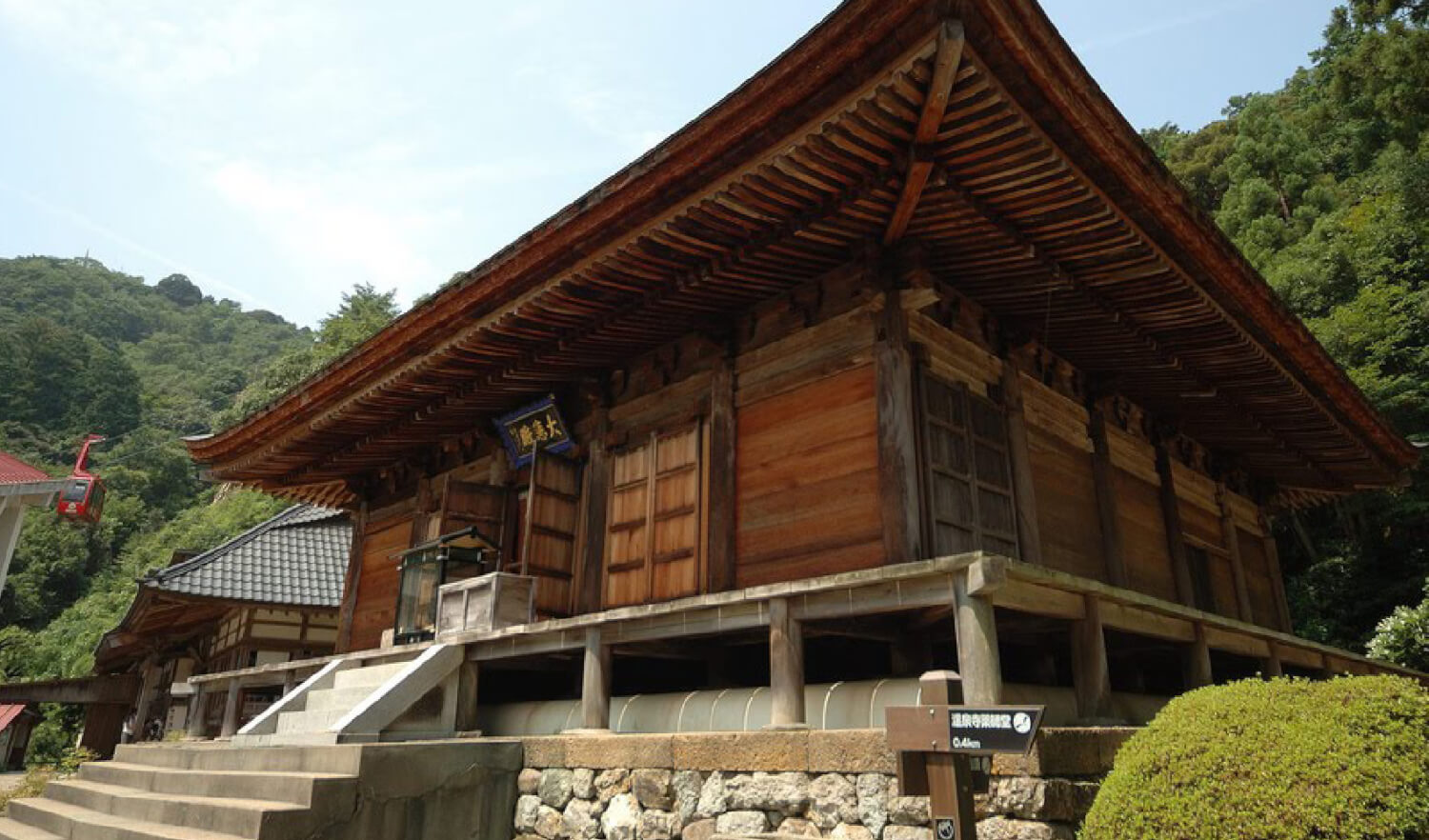 Caption: The historic main hall of Onsenji Temple, designated as an Important Cultural Property, overlooks Kinosaki Onsen from its mountainside location
Onsenji Temple (温泉寺), formally known as Bekkaku Motoyama Matsudaisan Onsenji, stands as the guardian Buddhist temple of Kinosaki Onsen, founded in 738 CE by Buddhist priest Dochi Shonin who also established the hot springs themselves. According to legend, Dochi Shonin prayed for 1,000 days to bring forth spring water to the region, and on his 1,000th day of prayer, Kinosaki's miraculous hot spring waters sprang forth from beneath the earth at Mandara-Yu bathhouse. 🔗
The temple's main hall, built in the early Muromachi Period (1384-87), represents the oldest wooden structure in the entire Tajima region and is designated as an Important National Cultural Property. This architectural masterpiece blends Japanese, Chinese, and Buddhist styles in its five-room hall design, facing south on a hillside with commanding views over Kinosaki Onsen.
Cultural & Religious Significance
Emperor Shomu himself honored the temple by choosing both the mountain and temple names, cementing its imperial significance. The temple serves not only as a spiritual center but as the keeper of Kinosaki's founding legend and the traditional guardian that blessed visitors before they entered the sacred hot springs. The temple houses two extraordinary Buddhist treasures: the Eleven-Faced Kannon Bodhisattva (a designated national treasure displayed fully only every 33 years, next viewing: 2054) and the Thousand-Armed Bodhisattva of Mercy (originally carved with 1,000 individual arms, now retaining 834 arms after centuries of wear). 🔗
Visiting Information
- Hours: 9:00 AM - 5:00 PM daily (museum until 4:30 PM)
- Admission: ¥300 (temple only), ¥400 (temple + Kinosaki Art Museum)
- Ropeway fees: ¥750 round trip to temple, ¥1,200 to summit
- Access: 15-minute walk from Kinosaki Onsen Station to ropeway base, then 7-minute ropeway ride OR 15-20 minute steep hiking path
- Current status: Open year-round except when ropeway closes (2nd and 4th Thursdays monthly)
- Phone: Contact via ropeway station 🔗
The Experience
The centerpiece main hall houses the temple's magnificent Buddhist treasures, with the Eleven-Faced Kannon Bodhisattva offering partial glimpses during Onsen Matsuri (April 23-24). The architectural heritage includes the magnificent two-story Niomon Gate (rebuilt 1764-1772) featuring traditional eight-legged double gate construction that marks the temple precinct entrance. The Onsenji Treasure Museum (Kinosaki Museum of Art) exhibits temple collections alongside archaeological artifacts from the Kinosaki region, providing deeper cultural context. 🔗
Follow the traditional pilgrimage ritual by praying for hot spring blessings before visiting the town's seven public baths, connecting with 1,300 years of spiritual tradition. The temple maintains its spiritual atmosphere year-round with daily prayer services and meditation opportunities.
Practical Visiting Tips
Autumn Foliage (Oct 28-30, 2025): Peak viewing season for Mount Daishi's surrounding forests with enhanced photographic opportunities combining traditional architecture against colorful maple backdrop. Morning visits recommended for optimal lighting and potential "sea of clouds" phenomenon around 5:30 AM. 🔗
Cultural Etiquette: Bow respectfully at temple gates, remove hats inside main hall, no clapping (unlike Shinto shrines), place monetary offerings before prayers. Photography restrictions apply to Buddhist statues inside main hall, but exterior photography permitted.
Photography Strategy: Best exterior shots from hillside viewing areas, autumn foliage shots optimal from ropeway during ascent. Main hall exterior photography permitted with interior restrictions.
Historical Context: Leave time to appreciate the collection of walking canes and mobility aids left by visitors who believed the hot springs healed them, representing centuries of faith in the temple's spiritual power. 🔗
Location: View on Google Maps
Source: attractions/kinosaki/onsenji-temple.md