
About
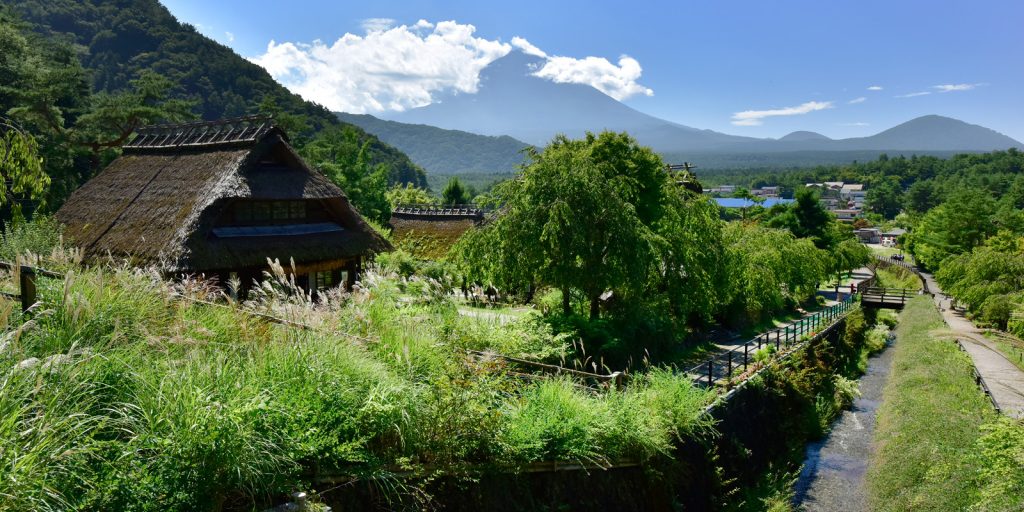 Traditional thatched-roof houses with Mount Fuji backdrop - Source: Official Saiko Iyashi-no-Sato Nenba website
Saiko Iyashi-no-Sato Nenba stands as a poignant testament to Japanese cultural preservation and resilience. The original village of Nenba, once reverently known as "the most beautiful village in Japan," thrived for centuries as a farming community famous for its picturesque Kabuto-zukuri thatched-roof houses. In September 1966, Typhoon Ida brought devastating landslides that completely destroyed the village, wiping out 37 of its 41 traditional houses and claiming lives.
Four decades later, in 2006, the village was meticulously reconstructed with 20 authentic thatched-roof houses using traditional local techniques. The reconstruction aimed to revive the beautiful scenery lost to disaster while creating a living tourism exchange center highlighting local history, culture, and natural environment. 🔗
Cultural & Historical Significance
Each building serves specific purposes as workshops, museums, galleries, restaurants, or souvenir shops, creating an immersive cultural experience rather than a static museum. The Kabuto-zukuri architectural style, characterized by roofs shaped like samurai helmets, was historically used for sericulture (silk farming), with upper floors providing well-ventilated spaces for raising silkworms.
The village represents both cultural preservation and memorial significance, honoring the memory of the original community while maintaining traditional Japanese village life for future generations. UNESCO recognition of Mount Fuji includes cultural landscapes like this, demonstrating the interconnection between human culture and sacred natural environments. 🔗
Visiting Information
Operating Hours:
- March-November: 9:00 AM - 5:00 PM
- December-February: 9:30 AM - 4:30 PM
- Last Entry: 30 minutes before closing (4:30 PM in October)
Access from Kawaguchiko Station:
- Saiko Sightseeing Bus (Green Line): 40-45 minute ride from Bus Terminal 1
- Cost: 710 yen one-way
- Bus Stop: "Saiko Iyashi-no-Sato Nemba (Guesthouse)" - Stop #48
- Alternative: Taxi (25 minutes, approximately 3,000-4,000 yen)
Admission Fees:
- Adults: 500 yen
- Elementary/Junior High Students: 250 yen
- Workshops: 600-1,100 yen each 🔗
The Experience
Traditional Craft Workshops:
- Pottery Workshop: Create and paint owl figurines
- Indigo Dyeing: Learn traditional Japanese textile techniques
- Incense Making: Craft traditional incense bags
- Weaving: Hand-weaving of Yamanashi's traditional Oishi-tumugi
- Japanese Fabric Crafts: Create trinkets using cocoons and traditional cloths
Cultural Activities:
- Costume Rental (1,000 yen): Over 100 options including kimonos, samurai armor, ninja costumes
- Traditional Dining: Houtou noodles, stone-ground soba, hand-rolled udon
- Cultural Exhibitions: Historical displays in authentic traditional house settings
October Autumn Experience:
- Vibrant maple leaves in red and yellow surrounding thatched houses
- Clear autumn air providing optimal Mount Fuji visibility
- Traditional harvest atmosphere with seasonal decorations
- Comfortable temperatures for extended outdoor exploration 🔗
Visit-Specific Information for October 23-24, 2025
Seasonal Highlights:
- Peak Autumn Colors: Maple trees displaying vibrant red and yellow leaves creating stunning contrast with traditional architecture
- Optimal Weather: Cool, comfortable temperatures ideal for extended outdoor exploration
- Enhanced Photography: Excellent lighting conditions with clear autumn air enhancing Mount Fuji visibility
- Traditional Atmosphere: Harvest season decorations and autumn cultural activities
Crowd Management: Moderate autumn tourist season - arrive at opening (9:00 AM) for optimal experience with fewer visitors and best lighting conditions. 🔗
Practical Visiting Tips
Photography Strategy:
- Central viewing area with canal, thatched houses, and Mount Fuji alignment provides iconic shots
- Individual house exteriors showcase traditional architectural details
- Elevated pathways offer village overview perspectives
- Costume photography locations provide authentic historical backdrops
Optimal Experience Approach:
- Arrive at opening (9:00 AM) for smallest crowds and best lighting
- Use village map to plan efficient route through all 20 buildings
- Participate in free activities like house exploration before paid workshops
- Remove shoes when entering traditional houses (slippers provided)
Cultural Sensitivity:
- Maintain respectful behavior in memorial areas acknowledging 1966 disaster
- Handle traditional costume rentals with care and respect
- Follow photography guidelines - restrictions may apply in certain areas
- Appreciate the village as living cultural heritage, not just tourist attraction 🔗
Location: View on Google Maps
Source: attractions/fujikawaguchiko/saiko-iyashi-no-sato-nenba.md