About
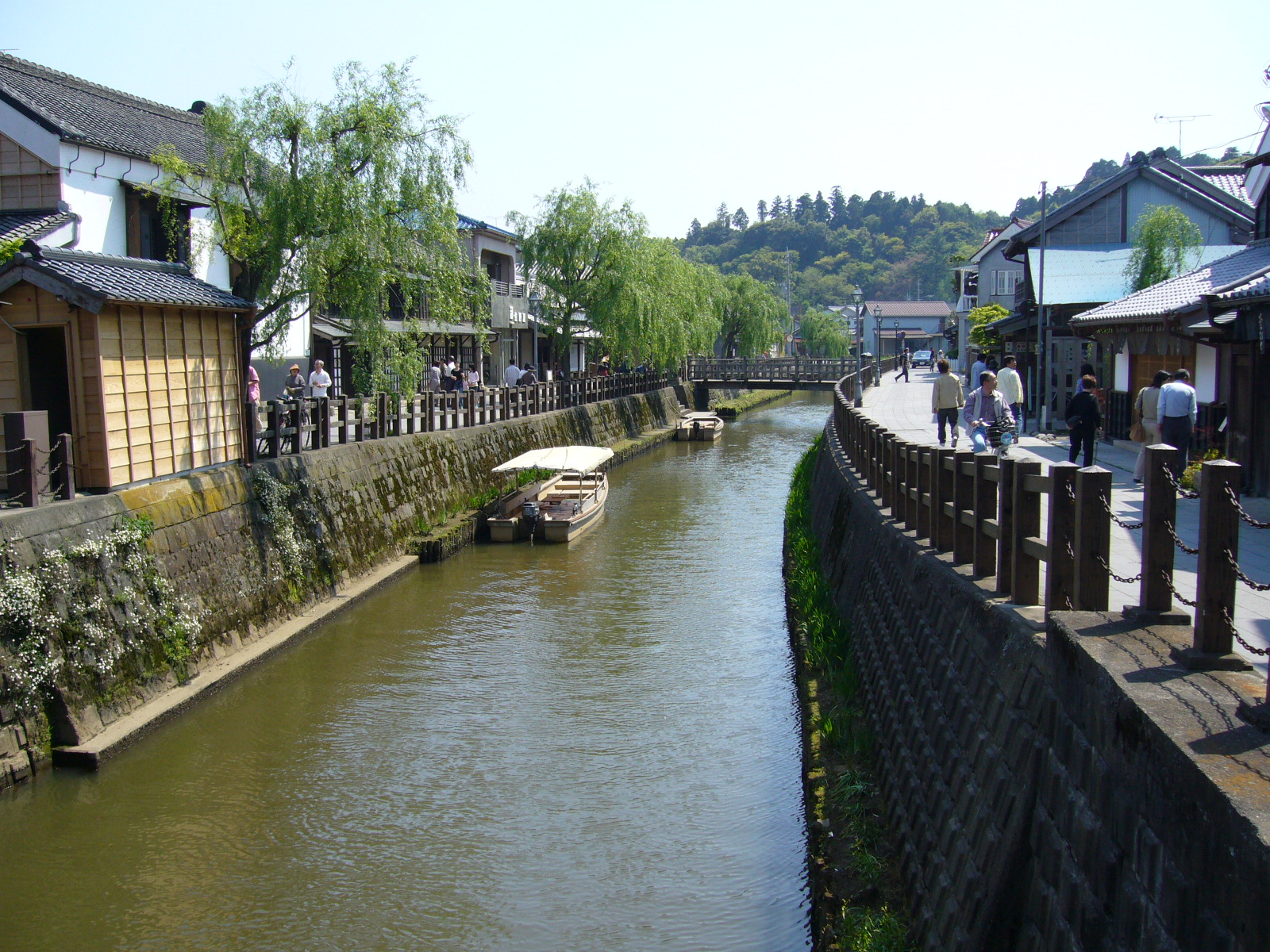 The Ono River flows through Sawara's historic district, lined with traditional merchant houses and restaurants. Wikimedia Commons / Public Domain
Sawara's traditional dining scene is inseparable from its history as a prosperous Edo-period transport hub along the Ono River. Nicknamed "Little Edo" (Koedo), the town flourished from 1603-1868 as a strategic waterway connecting to the capital, Edo (modern Tokyo). The wealth from trading rice, sake, and soy sauce created a sophisticated merchant class that fostered a refined culinary culture still thriving today. 🔗 🔗
The dining experience in Sawara is remarkable for its authenticity - restaurants occupy beautifully preserved or renovated Edo-era merchant residences, earthen-walled storehouses (kura), and former sake breweries, many over 150-200 years old. These dark-wooded, plaster-walled buildings provide an immersive historical backdrop where you dine surrounded by the same architectural elements merchants enjoyed centuries ago. 🔗 🔗
Sawara achieved national recognition in 1996 as the first district in the Kanto region designated as an Important Preservation District for Groups of Traditional Buildings. Beautiful wooden buildings with traditional roofs stand along the canal for about 500 meters, and behind their facades, authentic Japanese houses now house restaurants, cafes, and craft shops. 🔗 🔗
Culinary Heritage & Specialties
Unagi (Freshwater Eel) - The Signature Specialty
Grilled unagi became Sawara's most famous culinary specialty during the Edo period when numerous unagi restaurants opened along the bustling merchant streets. The abundance of eel in local waterways made it a staple, and freshly grilled eel was regularly shipped to Tokyo, establishing Sawara as the go-to destination for this delicacy. The tradition continues today with multi-generational family restaurants serving eel prepared using centuries-old techniques. 🔗 🔗
Traditional preparation methods include:
- Unaju - eel grilled over high-grade charcoal, glazed with sweet soy-based sauce, caramelized to golden-brown perfection, served over steaming rice in a lacquered rectangular box
- Shirayaki - plain grilled eel with minimal seasoning, served with wasabi and soy sauce on the side, highlighting the natural flavor
Fermented Food Heritage
Sawara's identity was built on fermentation industries - in the mid-Edo period, the town was home to 35 sake breweries and was known as "Kanto's Nada," comparing it to Japan's most famous sake region. This legacy influences the local palate even today. Restaurants incorporate locally-made artisanal fermented products like miso, koji, mirin, and soy sauce into dishes, creating unique regional flavors. The nearby Michi no Eki Hakko-no-Sato Kozaki roadside station is entirely dedicated to fermented foods from the region. 🔗
November Seasonal Specialties
- Sweet Potatoes (Satsuma-imo) - Chiba's famous sweet potatoes are at peak season in November; look for sweet potato potage and the renowned "Kin Mitsu Imo" sweet potato parfait at Kinmitsudo
- Sanma (Pacific Saury) - Classic autumn fish, fatty and flavorful, typically grilled whole with salt
- Autumn Mushrooms - Local varieties incorporated into seasonal dishes
- Fresh Seafood - Sawara's proximity to Choshi, one of Japan's largest fishing ports, ensures fresh autumn catches daily
- Freshwater Clams - Historical specialty from the Tone River, served cooked with onion and egg over rice
Recommended Restaurants
Traditional Unagi Restaurants
Hasegawa 🔗
- Address: 584 Sawara I, Katori City, Chiba Prefecture
- Phone: +81 478-54-3011
- Access: 7-minute walk from Sawara Station
- History: Founded in 1831 (nearly 200 years), favorite among locals for seven generations
- Specialty: Traditional Edo-style unagi with time-honored family sauce recipe
- Atmosphere: Interior decor revives Edo-period charm with rustic wooden aesthetics
- Price Range: ¥3,000-4,000 (mid-range)
- Signature dishes: Unaju (eel over rice in lacquered box), Shirayaki (plain grilled eel)
- Notable: The sauce achieves a perfect balance between sweet and savory, lending umami without overpowering the rich eel flavor
- Tabelog listing: View details
Yamada Unagi (Multiple Locations) 🔗 🔗
- History: 300-year-old establishment with traditional eel preparation methods
- Access: 0.38 km from Sawara Station
- Price: Unagi lunch set approximately ¥3,700
- Style: Sweet and fragrant sauce, crispy eel texture
- Tripadvisor: Rated 4.2/5, ranked #1 of 138 restaurants in Katori
- Important: Extremely popular - queues form up to an hour before lunch; expect 20-minute wait for table + 30 minutes for food preparation
- Payment: Cash only (some reports mention VISA and PayPay accepted)
- Branches: Main branch (Unagi Kappou Yamada), Bekkan Yamada (annex offering unagi and tempura), and Shinkan Yamada Unagi
- Menu: Japanese only, though some locations may have English menus
- Tabelog listings: Main branch | Bekkan | Shinkan
French-Japanese Fusion
LE UN (NIPPONIA Sawara Merchant Town Hotel) 🔗 🔗
- Address: Housed in renovated sake warehouse at NIPPONIA Sawara
- Chef: Hidemi Amau, winner of first place in Zagat Survey for four consecutive years
- Cuisine: French techniques with locally-produced mirin and soy sauce, seasonal ingredients from local producers
- Atmosphere: High ceilings, thick beams, sake barrel-shaped washi paper lanterns
- Sample menu: Crab and celery root tartlet, Katori turnip potage with yuzu, vapoured fresh fish from Choshi, roasted Kazusa Wagyu beef, desserts from Sawara Berry Farm
- Hours: Dinner 17:30-20:00 (last order), closing 22:00
- Price: Dinner courses from ¥6,050 per person
- Reservations: Required via TableCheck - limited seats, advance notice needed
- Philosophy: Creates dishes that can only be experienced in Sawara, using the town's fermented food heritage
- Address: i-789-2, Sawara, Katori City, Chiba Prefecture 287-0003
- Setting: 150-year-old traditional house with stunning 2,640-square-meter (800-tsubo) Japanese garden
- Cuisine: Japanese-French fusion with seasonal menu featuring fresh catches from Choshi fishing port
- Facilities: Private rooms for anniversaries and business meetings, luxurious on-site accommodation
- Atmosphere: Garden views that change with the seasons, elegant traditional architecture
- Specialties: Creative French cuisine with locally sourced ingredients
- Reservations: Available via TableCheck
Traditional Cafes
- Location: 10-minute walk from Sawara Station in historic district
- Setting: Renovated quaint old building with warm traditional wooden interiors, tea space, gallery, and souvenir store
- Specialty: Traditional Japanese sweets, particularly famous for fluffy shaved ice (kakigori)
- Seasonal menu:
- Shaved ice flavors: Brown sugar miruku walnut, Wasanbon-sudachi (traditional Japanese sugar with citrus)
- Sweets: Anmitsu (available late spring to autumn)
- Light meals: Udon and rice bowls during lunch
- Atmosphere: Traditional kura storehouse gallery and Western-style building hosting art exhibits, music performances, and tea gatherings
- Best for: Afternoon break while exploring the historic district
Visiting Information
Getting to Sawara
- From Tokyo: JR Sobu Line (rapid) to Narita Station, transfer to JR Narita Line to Sawara Station (total ~90 minutes from Tokyo Station)
- From Narita Airport: JR Narita Line to Sawara Station (30 minutes, ¥510, 1-2 trains per hour)
- From Shibuya: Train to Tokyo Station, then Sobu Line/Narita Line as above (approximately 2 hours total)
Within Sawara
- Historic district is 10-15 minute walk from Sawara Station
- Most restaurants are within the 500-meter canal-side historic area
- Walking is the best way to explore the district and choose dining options
Typical Dining Duration
- Unagi restaurants: 1-2 hours (including wait time during peak hours)
- French restaurants: 2-3 hours for dinner course
- Cafes: 30 minutes - 1 hour
Operating Hours (General)
- Most traditional restaurants: 11:00-14:30 (lunch), 17:00-20:00 (dinner)
- Some restaurants closed on Mondays and/or Tuesdays (check specific venue)
- Cafes: Generally 10:00-17:00
- LE UN dinner: 17:30-22:00
Pricing Guide
- Traditional unagi lunch: ¥3,000-4,000
- French fusion dinner: ¥6,000-15,000+ per person
- Cafe sweets/light meals: ¥1,000-2,000
- Cash preferred at traditional establishments; French restaurants typically accept cards
Reservations
- Traditional unagi: Walk-in only for most; arrive early or expect queues
- French restaurants (LE UN, Kittei): Reservations required, use TableCheck
- Cafes: Walk-in
The Dining Experience
Atmosphere & Ambiance
Dining in Sawara is as much about atmosphere as cuisine. You'll be seated in buildings where the same wooden beams, plaster walls, and traditional layouts have existed for centuries. Many restaurants overlook the Ono River, where willow branches sway over the water and traditional wooden bridges connect both sides of the historic district. The waterfall bridge (Ja Ja Bridge) releases water twice hourly, creating a scenic backdrop. 🔗 🔗
November Dining Atmosphere
November brings cooler weather perfect for exploring the historic district on foot before settling into a warm restaurant. The autumn colors complement the dark wood architecture, and hearty dishes like unagi and seasonal sweet potato desserts are especially satisfying. The tourist crowds of summer festivals have passed, creating a more intimate, local dining experience. 🔗
Cultural Dining Experience
At traditional unagi restaurants, you'll witness skilled chefs grilling eel over high-grade charcoal using techniques passed through generations. The preparation can take 30-40 minutes as the eel is carefully grilled, basted with secret family sauce recipes, and caramelized to perfection. This waiting period is considered part of the authentic experience - time to appreciate the setting and anticipate the meal. 🔗
At French fusion restaurants like LE UN and Kittei, you'll experience how contemporary chefs honor Sawara's fermentation heritage by incorporating local mirin, soy sauce, and sake into modern French techniques, creating a unique culinary fusion found nowhere else. 🔗
Practical Dining Considerations
- Peak times: Lunch rush 12:00-13:00 can mean 30-60 minute waits at popular unagi restaurants
- Strategy: Arrive before 11:30 for lunch or after 13:30 to avoid longest queues
- Seating: Many traditional restaurants offer tatami-style floor seating (shoes removed) as well as Western-style chairs
- Language: Menus at traditional restaurants primarily in Japanese; staff may have limited English, but photos and pointing work well
- Photography: Generally acceptable in restaurants; ask permission for kitchen or chef photos
Practical Visiting Tips
Best Times to Visit
- Weekday lunch (11:00-11:30): Arrive early to avoid peak crowds at unagi restaurants
- Late lunch (13:30-14:00): Shorter waits but verify restaurant still serving
- Dinner: More relaxed atmosphere, especially at French fusion venues; sunset views along canal
Money-Saving Tips
- Lunch sets at traditional restaurants offer better value than dinner
- Cafe sweets provide an affordable way to experience traditional atmosphere
- Combined JR passes cover train access from Tokyo/Narita
Photography Opportunities
- Canal-side views with traditional buildings reflected in water
- Ja Ja Bridge waterfall (twice hourly water release)
- Interior architecture of historic restaurant buildings (ask permission)
- Artfully presented unagi dishes
Local Dining Customs & Etiquette
Sawara follows standard Japanese dining customs:
- Gratitude: Say "Itadakimasu" before eating to express thanks, and "Gochisōsama deshita" after finishing
- Chopsticks: Never stick vertically into rice, pass food chopstick-to-chopstick, or point with them; use chopstick rest (hashioki) when not in use
- Eating: Lift small bowls (rice, miso soup) closer to mouth; slurping noodles is acceptable and shows enjoyment
- Drinking: Pour for others before filling your own glass; toast with "Kampai!"
- Tipping: Not customary in Japan; service charge included in bill
- Payment: Typically pay at register near entrance, not at table
Weather & Seasonal Preparation
- November temperatures: 8-17°C (46-63°F)
- Bring layers for walking between restaurants and exploring the canal
- Some outdoor seating may be closed; indoor dining preferred
- Cooler weather ideal for hearty unagi dishes
Crowd Levels
- November is quieter than summer festival season (July) and autumn festival season (October)
- Weekdays generally less crowded than weekends
- Popular unagi restaurants always busy during lunch regardless of season
Combining Dining with Sightseeing
Canal Boat Tours
Flat-bottomed boat tours depart from the historic district, offering 30-minute rides along the Ono River through willow trees - the same view merchants enjoyed during the Edo period. This makes an excellent pre-meal or post-meal activity to appreciate the district from the water. 🔗 🔗
Historic Architecture Walk
The 500-meter canal-side street features traditional merchant houses, craft shops, and sake breweries open for touring. The Sawara Merchant Museum and Ino Tadataka Museum (famous Edo-period cartographer) are nearby. Plan to explore these before or after dining. 🔗
Nearby Attractions
- Sawara Mitsubishi-kan - Former bank building, now museum
- Suwa Shrine - Historic shrine overlooking the town
- Tokun Shuzo - Sake brewery established in 1825, tours available
- Various craft shops - Traditional Japanese general stores, local product shops
What Makes Sawara Unique
Unlike other historic districts that merely preserve buildings, Sawara's culinary identity remains actively shaped by the same industries that built the town. You taste the legacy of sake and soy sauce brewers in modern dishes, dine in the actual homes of merchants who profited from that trade, and enjoy unagi that has been served continuously at the same locations for centuries. The experience transcends eating in a historic setting - you're tasting the history itself. The unbroken connection to its river-based merchant and brewing heritage makes Sawara's dining scene distinct from any other "Little Edo" district in Japan. 🔗
Connection with Tokyo Day Trip
Sawara makes an ideal full-day excursion from Tokyo, particularly from Shibuya. The historic district can be thoroughly explored in 4-5 hours, allowing time for canal-side lunch at a traditional unagi restaurant, afternoon exploration of merchant houses and museums, and perhaps a cafe break before returning to Tokyo. The authentic Edo-period atmosphere and exceptional dining create a complete cultural experience distinct from Tokyo's urban energy. 🔗 🔗
Location: View on Google Maps
Source: attractions/chiba/sawara-traditional-dining.md