
About
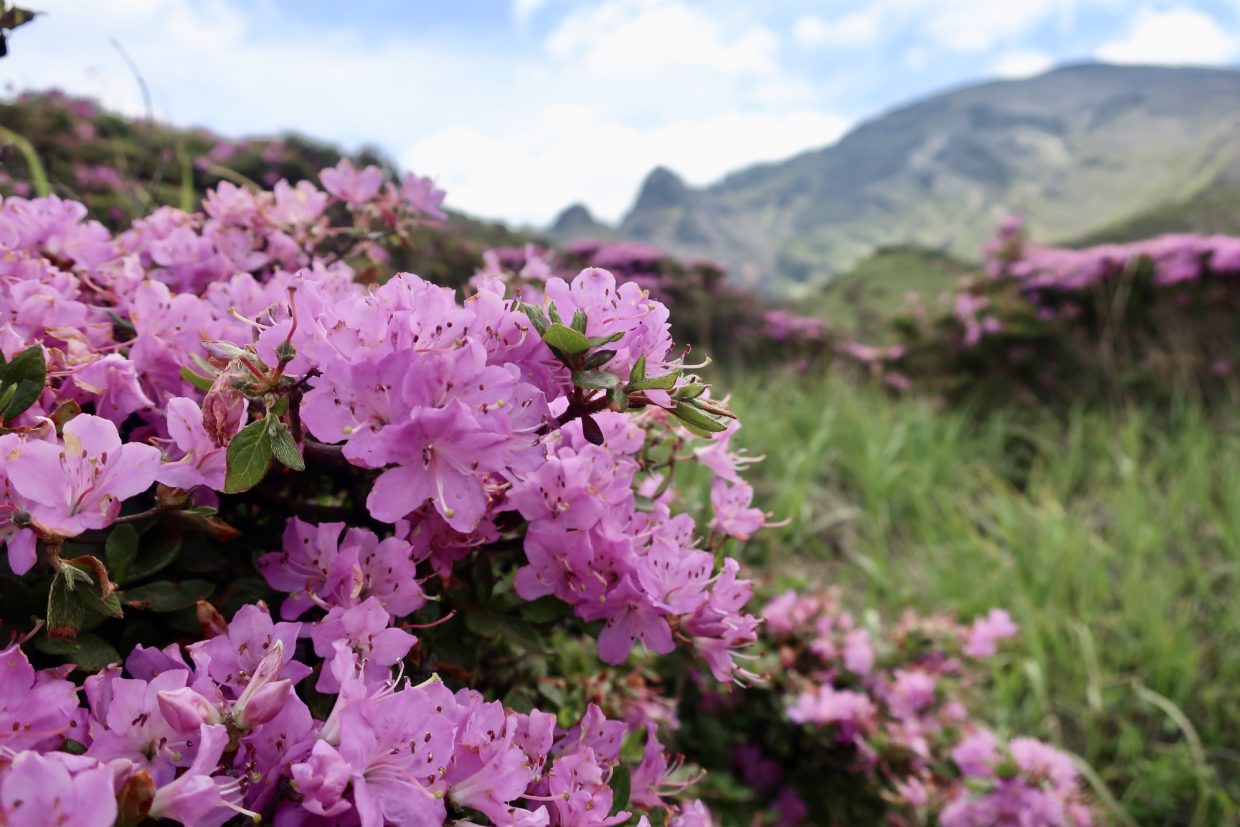 Sensuikyo Gorge showing the dramatic volcanic rock formations and azalea-covered slopes. Source: Untapped Kumamoto
Sensuikyo Gorge (仙酔峡, meaning "a gorge so beautiful it would make even a mountain hermit intoxicated") is a dramatic volcanic canyon located at 900 meters elevation on the northern slope of Mount Takadake in the Aso caldera. The gorge is renowned for its 50,000 Miyama-kirishima azaleas that bloom in May-June, but equally spectacular for autumn foliage viewing in November. 🔗 🔗
The site stands as one of Aso's most dramatic natural landmarks, where ancient lava flows from Mount Aso's volcanic eruptions have solidified into towering vertical walls and striking stone patterns. 🔗 The gorge sometimes receives gusts of volcanic ash from nearby Mount Nakadake, which falls like snow, creating a peaceful, almost otherworldly atmosphere. 🔗
Cultural & Geological Significance
The gorge's poetic name derives from the deep cultural appreciation in Japanese aesthetics for landscapes so beautiful they can alter one's state of mind—in this case, even intoxicating a reclusive mountain hermit who has renounced worldly pleasures. 🔗
Buddhist statues overlooking the gorge tap into Japan's tradition of mountain worship (Shugendo), a syncretic faith blending Buddhism, Shinto, and mountain reverence. These sacred Jizo Bosatsu statues are positioned as guardians for travelers and hikers, creating powerful photographic compositions against volcanic cliffs. 🔗
The Miyama-kirishima (Kyushu azalea) that defines Sensuikyo's spring character is more than ornamental—it represents resilience and regional identity, thriving in harsh acidic volcanic soil where few plants survive. Its spring bloom is celebrated in songs and poetry with the phrase "making the mountain blush," personifying the intimate connection between people and this volcanic landscape. 🔗
While the gorge was once a bustling tourist destination featuring a ropeway to Mount Nakadake's crater (operational from 1964 until 2011), it has transformed into a more serene destination, cherished by locals and hiking enthusiasts as a quieter alternative to Aso's more crowded attractions. 🔗
Visiting Information
Hours: Open 24 hours (outdoor natural site with no gates) 🔗
Admission: Free 🔗
Access:
- By Car (Recommended): Approximately 1 hour 30 minutes from Kumamoto IC on the Kyushu Expressway 🔗
- About 15 minutes drive from Michi-no-Eki Aso (Aso Roadside Station) 🔗
- By Public Transportation: Take JR Hohi Main Line to Miyaji Station, then 13-minute taxi ride (approximately ¥1,500-2,000) 🔗
- Note: There is no public bus service to Sensuikyo 🔗
Parking: Large free parking lot available (capacity: 150 cars); overnight parking permitted 🔗 🔗
Facilities:
- Restroom facilities at parking area (running water, not drinkable) 🔗
- Vending machines for beverages 🔗
- No shops, restaurants, or visitor center
- Remnants of abandoned ropeway station (closed 2011) 🔗
Current Status: Open and accessible. However, always check Mount Aso volcanic alert levels before visiting, as volcanic gas from nearby Mount Nakadake can affect air quality and trail access. 🔗
The Experience
Lower Gorge Walking Paths (Easy): The main attraction for casual visitors is a series of well-maintained walking paths through the lower gorge, described as "more like a relaxed scenic walk than a strenuous hike." 🔗 These paths are approachable for all fitness levels, with many elderly visitors enjoying the scenery at their own pace. Highlights include:
- Buddhist Statues: Sacred Jizo Bosatsu statues creating powerful photographic compositions against volcanic cliffs 🔗
- Observatory Points: Multiple viewpoints offering panoramic views of the Aso caldera and northern outer rim mountains 🔗
- Scenic Bridge: Architectural feature with rocky platform below, perfect for capturing the gorge's scale 🔗
- Abandoned Ropeway Station: Melancholic ruins adding unique character to landscape photography 🔗
Challenging Mountain Trail (Difficult): For experienced hikers, Sensuikyo serves as the trailhead for one of Mount Aso's most rewarding climbs—a direct and dramatic ascent to the central volcanic peaks via Mount Takadake (1,592m). 🔗
- Sensuikyo to Mount Aso Loop: 5.7-mile (9.2 km) challenging circuit 🔗
- "Baka-one" (Idiot Ridge): Steep, rocky section requiring proper hiking gear and experience 🔗
- Elevation Gain: Approximately 600 meters vertical from the gorge to peaks 🔗
- Alternative Access: When volcanic gas restrictions close other Mount Nakadake crater access points, Sensuikyo trails may remain open 🔗
November Autumn Foliage: In November, the gorge transforms as the dark volcanic rock provides dramatic contrast to vibrant autumn colors. Peak autumn colors occur in the second half of October, with excellent colors continuing into early November. 🔗 Morning light best illuminates the gorge, with clear autumn days offering exceptional visibility of the caldera landscape.
Practical Visiting Tips
Best Photo Spots:
- Observatory viewpoints for panoramic caldera views
- Buddhist statues against volcanic cliff backdrop
- Scenic bridge with rocky gorge below
- Abandoned ropeway station for atmospheric shots
- Forest trails during autumn foliage season
Photography Conditions:
- Best Light: Morning light (7:00-10:00 AM) illuminates the gorge and enhances autumn colors
- Equipment Recommendations: Polarizing filter to deepen sky blue and cut rock glare, making fall colors pop
- Key Subjects: Contrast between dark volcanic rock and bright autumn leaves; Buddhist statues as foreground elements; abandoned ropeway ruins for unique compositions
Seasonal Considerations for November:
- Weather: Cool and crisp conditions ideal for hiking; temperatures typically 10-15°C during the day
- Foliage: Peak autumn colors occur in the second half of October, with excellent colors continuing into early November 🔗
- Crowds: Significantly fewer visitors than May azalea season, offering a more contemplative experience
- Visibility: Clear autumn days provide exceptional views of Mount Aso's volcanic peaks and caldera
Safety Considerations:
- Volcanic Activity: Check Japan Meteorological Agency (JMA) website for current Mount Aso alert level before visiting 🔗
- Alert Levels: Level 1 (normal) vs. Level 2 (crater restrictions) affects trail access and volcanic gas exposure
- Recent Activity: Mount Aso experienced alert level increases in May and July 2024; the crater reopened July 25, 2025 🔗
- Weather Changes: Mountain weather can shift rapidly; bring layers and rain gear
- Trail Difficulty: Easy walks in lower gorge; challenging mountain trails require experience and proper equipment
Local Etiquette:
- Greet fellow hikers with "Konnichiwa" (courtesy and safety measure)
- Pack out all trash—no bins available; practice Leave No Trace principles
- Stay on marked trails to protect volcanic ecosystem and azalea roots
- Yield to uphill hikers; step to mountain side of trail when passing
- Do not pick plants, take stones, or disturb natural features
- Show reverence around Buddhist statues and shrines—do not touch or move them
Crowd Avoidance:
- Visit during November rather than May azalea peak for solitude
- Arrive early morning (before 8:00 AM) for best light and fewest visitors
- Weekdays preferable to weekends
Weather and Seasonal Preparation:
- November essentials: Layered clothing, windproof jacket, sturdy hiking boots
- Trail conditions: Well-maintained lower paths; rocky, challenging upper trails
- Water: Bring sufficient water—none available beyond parking area
- First aid: Basic hiking first aid kit for mountain trails
Nearby Attractions:
- Mount Aso Crater (Mount Nakadake): Active volcanic crater with viewing platforms (subject to volcanic alert levels) 🔗
- Kusasenri Grasslands: Vast meadow with grazing horses and Mount Aso views, approximately 20 minutes by car 🔗
- Aso Shrine: Historic shrine damaged in 2016 earthquake, undergoing restoration 🔗
- Michi-no-Eki Aso: Local products, restaurants, and information center, 15 minutes from Sensuikyo 🔗
- Daikanbo Observatory: Panoramic viewpoint of entire Aso caldera, especially dramatic at sunrise
Location: View on Google Maps
Source: attractions/kumamoto/sensuikyo-gorge.md