About
 Interior of the 600-meter WWII cave where 100,000 bottles of premium sake age at constant 10°C temperature. Source: Visit Tochigi Official Tourism
Shimazaki Sake Brewery (島崎酒造), established in 1849 during the late Edo period, has been producing traditional sake for over 170 years in the peaceful countryside of Nasukarasuyama, near the Nakagawa River. 🔗 The brewery is renowned throughout Japan as "The Cave Brewery" (洞窟酒蔵) due to its unique use of a WWII-era underground tunnel system for aging premium sake. 🔗
The 600-meter cave was originally excavated by hand during the final months of World War II as a planned underground factory for manufacturing military tanks, but the war ended before the facility could be used for its intended purpose. 🔗 In 1970, the declassified cave (originally 800 meters deep) was procured by Shimazaki Shuzo for sake storage, transforming what was once a symbol of war into a sanctuary for Japan's traditional brewing culture. 🔗
The cave's natural conditions create an ideal environment for aging sake: a constant temperature of approximately 10°C (50°F) year-round, complete darkness untouched by sunlight, and slight temperature variations that cause gentle fluctuation in the sake, allowing for superior maturation. 🔗 Around 100,000 bottles of primarily daiginjo sake rest in the jet-black cave, with the oldest vintages dating back to 1970. 🔗
Cultural & Religious Significance
Pioneer of Aged Sake (Koshu) Production
Shimazaki Shuzo pioneered aged sake (koshu) production in Japan, focusing on daiginjo varieties and accumulating over 50 years of experience as one of the country's first dedicated aged sake breweries. 🔗 While most sake is consumed within a year of production, Shimazaki challenged conventional wisdom by demonstrating that premium daiginjo sake could develop exceptional complexity through long-term cave aging.
IWC Trophy and International Recognition
Their flagship aged sake brand "Uroko" (熟露枯) won the coveted IWC (International Wine Challenge) Trophy in 2018 for their Daiginjo Uroko 10 Years Aged (2007 vintage), selected from among 1,639 challengers. 🔗 The golden-brown sake exhibits elegant complexity created by decade-long maturation in the cool cave environment, earning international recognition for Japanese aged sake traditions.
Transformation from War to Cultural Preservation
The juxtaposition of wartime history and traditional brewing culture creates a unique narrative—what was intended as a military production facility became a temple for preserving and perfecting Japan's national drink. The hand-excavated tunnels serve as a tangible reminder of Japan's transformation from wartime destruction to cultural preservation and refinement. This symbolic transformation resonates deeply with Japanese concepts of regeneration and peaceful purpose.
Azuma Rikishi Brand Heritage
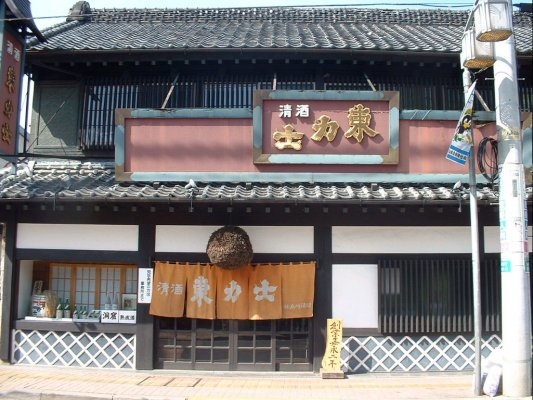
The brewery produces sake under the brand name "Azuma Rikishi" (東力士), using local Tochigi rice and pure mountain spring water. 🔗 "Azuma" refers to the eastern regions of Japan, while "Rikishi" means sumo wrestler, conveying strength and tradition. Beyond their award-winning aged daiginjo, they craft various sake types and specialty products including yuzu, strawberry, and ume plum liqueurs, as well as sake ice cream.
Visiting Information
Access from Tokyo
Total Journey Time: 2-2.5 hours from Tokyo
Route:
-
Tokyo to Utsunomiya (50 minutes)
- Take the Tohoku-Hokkaido Shinkansen from Tokyo to Utsunomiya Station
- Covered by Japan Rail Pass
-
Utsunomiya to Taki/Karasuyama Station (approximately 1 hour)
- Transfer to the JR Karasuyama Line at Utsunomiya
- For the cave: Exit at Taki Station + 3-5 minute walk 🔗
- For the main brewery: Continue to Karasuyama Station + short walk to 1-11-18 Chuo
Local Transportation:
- The brewery operates two separate locations: the main brewery building near Karasuyama Station (for tastings and shopping) and the cave storehouse near Taki Station (one stop away)
- Free bicycle rentals available between the two locations 🔗
- Parking: 10 regular spaces at each location; 2 large bus spaces at both sites 🔗
Operating Hours & Admission
Cave Tour Hours:
- Weekends, holidays, Golden Week, and Obon: 10:00 AM - 4:00 PM (walk-ins welcome, no reservation needed) 🔗
- Weekdays: Reservation required 2 days in advance, minimum 2 visitors, two time slots (10:30 AM or 2:00 PM) 🔗
Admission:
- Adults (20+): ¥300
- Under 20: Free 🔗
VIP Tasting Tour:
- Advanced booking required
- Cost: ¥3,550 per person (includes tasting of 3 aged sake varieties in VIP tasting room)
- Book via English website or phone: +81-287-83-1221 🔗
Contact Information:
- Phone: +81-287-83-1221 (9:00 AM - 5:00 PM)
- Japanese website: https://azumarikishi.co.jp/ 🔗
- Online reservation form available on Japanese site
Best Time to Visit:
- Late October/early November is excellent - cave maintains consistent conditions year-round
- Weekends offer walk-in access without advance booking
- Avoid major Japanese holidays for smaller crowds
Typical Duration:
- Cave self-guided tour: 15 minutes
- Complete visit with transportation between locations and shopping: 1 hour
- VIP tasting tour: 1-1.5 hours total 🔗
Current Status: Fully operational as of 2025; both cave and main brewery open for tours
Accessibility: Wheelchair accessible interior 🔗
The Cave & Brewery Experience
Cave Exploration
Visitors receive a tablet featuring multilingual automated audio guidance for self-guided tours through the 600-meter tunnel system. 🔗 The experience immerses you in complete darkness where 100,000 bottles rest in rows along the cave walls, creating an atmospheric journey through Japan's sake aging tradition. The constant 10°C temperature makes bringing a light jacket advisable year-round. 🔗
The cave's interior reveals:
- Hand-excavated tunnel walls showcasing WWII-era construction
- Rows of aging bottles organized by vintage and sake type
- Temperature and humidity monitoring equipment
- Historical displays about cave origins and sake aging science
- Atmospheric lighting highlighting key aging sections
The complete darkness and consistent temperature create an almost meditative atmosphere, allowing visitors to appreciate the patience required for decade-long aging processes.
VIP Tasting Room Experience
The brewery offers guided tasting sessions in their VIP room featuring premium aged sake varieties. The ¥3,550 tasting includes three aged sake selections, often featuring different vintages of their award-winning Uroko daiginjo. 🔗 Expert staff provide insights into:
- The cave aging process and environmental benefits
- Unique characteristics developed through long-term maturation
- Differences between 5-year, 10-year, and 10+ year aged varieties
- Color evolution from clear to golden-brown
- Flavor profile development (umami depth, complexity, smoothness)
- Pairing recommendations with Japanese cuisine
Tastings typically include comparative sampling to highlight how aging transforms sake character, helping visitors understand the brewery's pioneering approach to koshu production.
Brewery Shop
The main brewery location stocks exclusive products unavailable elsewhere, including:
- Aged Sake Collection: Limited-edition seasonal offerings like fresh nama sake, various Uroko aged vintages (5-year, 10-year, and 10+ year varieties)
- Specialty Liqueurs: Made from local yuzu, Tochigi strawberries, and ume plums
- Unique Products: Sake ice cream, New Year's Bottles, Owner's Bottles for special occasions
- Standard Line: Azuma Rikishi brand sake in various types (junmai, ginjo, daiginjo)
- Souvenirs: Sake cups, bottles, and branded merchandise 🔗
Brewery-exclusive bottles may cost more than retail sake but offer rare aged varieties unavailable elsewhere in Japan or internationally.
Historical Context
The transformation narrative creates educational value beyond simple brewery tourism. Understanding the cave's military origins and its peaceful repurposing provides context for post-war Japan's cultural priorities and the role of traditional crafts in national healing and identity reconstruction.
The hand-excavation required extraordinary labor during wartime - imagining this effort being redirected to sake preservation highlights the contrast between destruction and cultural refinement.
Practical Visiting Tips
Seasonal Considerations (October-November)
For Late October/Early November Visits:
- Cave temperature remains constant at 10°C (50°F) regardless of external weather - bring a light jacket or cardigan 🔗
- Late autumn offers comfortable temperatures for walking between locations
- Fall foliage season may make the Karasuyama area scenic for combining with Ryumon Falls visit
- Weekend visits allow walk-in cave tours without advance booking
Recommended Itinerary
Suggested Visit Order:
- Start at Taki Station (cave location) for the atmospheric cave experience
- Walk 3-5 minutes to cave entrance, complete self-guided tour (15 minutes)
- Travel to Karasuyama Station (one stop, or use free bicycle)
- Visit main brewery for VIP tasting and shopping
- Optional: Combine with Ryumon Falls (same Taki Station area)
Timing Strategy:
- Morning arrival (10:00 AM opening) provides quieter experience
- Weekday visits require advance booking but offer more personalized attention
- Weekend visits allow spontaneous walk-ins for cave tours
- VIP tasting: Book morning or early afternoon slot to maintain energy for other activities
Cultural Preparation & Etiquette
Sake Tasting Protocol:
- Under-20 visitors cannot taste sake but can tour the cave for free
- Designated driver should abstain from tasting if visiting by car
- Cleanse palate with water between samples during tastings
- Express gratitude ("arigatou gozaimasu") to staff for tastings
- Purchase at least one bottle if participating in VIP tasting as courtesy
Cave Etiquette:
- Speak quietly in the cave to respect the serene aging environment
- Don't touch sake bottles or aging racks
- Follow audio guide instructions and marked paths
- Photography generally permitted but verify specific restrictions
- Cave floors may be uneven - wear comfortable, stable footwear
Cultural Understanding:
- Basic sake knowledge enhances the experience - research daiginjo vs. junmai styles beforehand
- Cave aging is extremely rare in sake production, making this a unique educational opportunity
- Aged sake (koshu) represents only 1-2% of total Japanese sake production
Photography Conditions
Cave Interior:
- Complete darkness with artificial lighting for displays
- No specific photography restrictions mentioned in official sources, though flash photography may be discouraged to preserve the aging environment
- Low-light photography skills helpful
- Recommend confirming photography policies upon arrival
Best Photo Spots:
- Cave entrance with historical signage
- Rows of aging bottles along tunnel walls (if photography permitted)
- Main brewery traditional architecture
- Award displays and trophy showcase (IWC Trophy replica)
Money-Saving Options
- Cave admission is only ¥300, making it highly affordable
- Free self-guided audio tablets eliminate need for paid guided tours
- Free bicycle rental between locations saves taxi costs
- Brewery-exclusive bottles may cost more than retail sake but offer rare aged varieties unavailable elsewhere
- Under-20 visitors can experience the cave for free (though no tasting)
Weather and Physical Considerations
Year-Round Cave Conditions:
- Cave is always 10°C - layer clothing for easy temperature adjustment
- Humidity in cave may feel different from outside conditions
- Comfortable walking shoes for moving between brewery locations
Late October Weather in Tochigi:
- Typically mild (15-20°C daytime)
- Bring rain gear as precaution
- Temperature differential between cave and outside can be significant
Physical Requirements:
- Cave involves walking on potentially uneven surfaces
- No significant climbing or strenuous activity
- Wheelchair accessible 🔗
- Restrooms available on-site
Nearby Attractions
Ryumon Falls (龍門の滝): Located just 3-5 minutes walk from Taki Station (same station as the cave), this 20-meter waterfall features unique underwater viewing chamber and autumn foliage viewing. Perfect complement to brewery visit. 🔗
Nasukarasuyama Historic Castle Town: The town center near Karasuyama Station preserves traditional architecture and historical sites from its castle town heritage. Easily explored while visiting the main brewery.
Karasuyama Washi Workshop (Washi-no-Sato): Experience 1,200-year-old papermaking traditions with hands-on workshops. The washi paper connection to Yamaage Festival harikayama provides thematic link to regional culture.
Utsunomiya (Transfer Point): Tochigi's capital city famous for gyoza (dumplings) - excellent lunch stop during transfer from Tokyo. Multiple sake breweries in the area for "sake voyage" experiences. 🔗
Regional Integration
Tokyo Day Trip Circuit
Suggested Full-Day Itinerary:
- Morning: Depart Tokyo (Ueno or Tokyo Station) via Shinkansen to Utsunomiya
- Mid-morning: Transfer to Karasuyama Line
- Late morning: Ryumon Falls at Taki Station
- Afternoon: Shimazaki Cave tour and brewery tasting
- Late afternoon: Return via Utsunomiya (optional gyoza dinner)
- Evening: Arrive back Tokyo
Tochigi Brewery Trail
Combine with other Tochigi sake breweries along the Karasuyama Line or in Utsunomiya for comprehensive regional sake experience. Several breweries offer tours and tastings. 🔗 The "Sake Voyage" initiative promotes sake tourism across the region.
Themed Itineraries
Castle Town Sake Culture: Both Nasukarasuyama and Aizu-Wakamatsu are historic castle towns with rich sake brewing traditions. Could coordinate themed visits if exploring northern Tochigi and Fukushima regions.
Traditional Crafts Circuit: Combine brewery visit with washi papermaking workshop for comprehensive traditional crafts experience representing both consumable (sake) and durable (paper) cultural products.
Important Notes
Reservation Requirements
- Weekend/holiday cave visits: Walk-in welcome, no advance booking
- Weekday cave visits: Minimum 2 people, must book 2 days ahead
- VIP tasting tours: Always require advance booking via website or phone
- Groups of 15-45 people: Book 7 days in advance 🔗
Language Support
- Multilingual audio tablets for cave self-guided tours 🔗
- English website for advance booking
- Staff English proficiency may vary - basic Japanese phrases helpful
- Translation apps recommended for detailed technical sake discussions
Shopping and Shipping
- Brewery-exclusive bottles available only at on-site shop
- Aged sake varieties (Uroko 5-year, 10-year, 10+ year vintages) are rare and expensive
- Specialty liqueurs and sake ice cream make unique gifts
- Shipping services likely available for larger purchases - inquire at shop
- International shipping restrictions may apply to alcohol
Safety Considerations
- Cave access: Well-maintained but natural environment
- Pets prohibited 🔗
- Alcohol consumption: Be mindful of train schedules and travel plans after tasting
- Temperature shock: Dress in layers to manage 10°C cave vs. outdoor temperature differential
Additional Facilities
- Restrooms available on-site
- Vending machines at both locations
- Limited food options nearby - consider bringing snacks or dining in Karasuyama town center
Location: View on Google Maps
Source: attractions/nasukarasuyama/shimazaki-sake-brewery-cave.md