
About
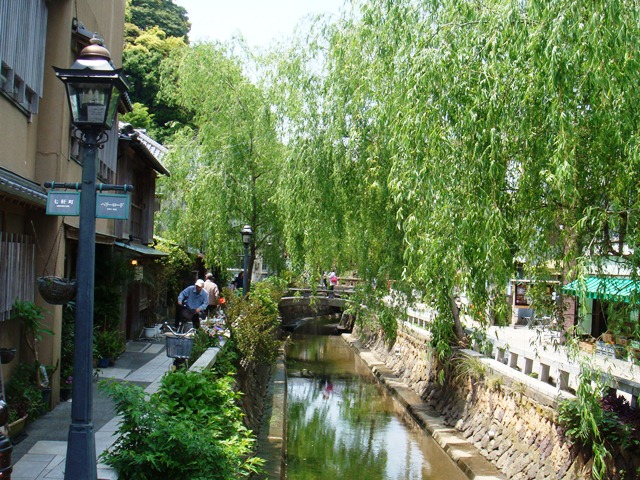 Perry Road in Shimoda, featuring the traditional namako wall architecture also seen at the Shimoda History Museum. Photo: Wikimedia Commons
The Shimoda History Museum (下田開国博物館, Shimoda Kaikoku Hakubutsukan), also known as the Museum of the Black Ship or MoBS, stands as a pivotal institution for understanding one of the most transformative periods in Japanese history. The museum chronicles the dramatic events of the 1850s when Commodore Matthew Perry of the U.S. Navy arrived in Shimoda with his "Black Ships," a display of naval power that effectively pressured the Tokugawa shogunate to sign the Convention of Kanagawa in 1854, ending Japan's 200-year period of self-imposed isolation (sakoku). 🔗
The museum building itself is an architectural treasure, featuring distinctive namako walls (Namako-kabe) characterized by a white grid pattern on black slate or charcoal-gray tiles with thick, white plaster joints that resemble sea cucumbers (namako in Japanese). Originally developed for storehouses (kura) during the Edo period, these walls provided excellent fire and moisture resistance as well as insulation. 🔗 The presence of these walls on the museum is both functional and decorative, serving as a visual reminder of Shimoda's architectural heritage and its past as a prosperous seaport. 🔗
The museum houses an impressive collection of approximately 2,000 artifacts, with over 1,000 on regular display. This collection provides a rich, tangible connection to the "opening of the country" (Kaikoku) period and includes personal belongings of Commodore Perry, early photographs offering a rare visual record of the era, extensive woodblock prints (ukiyo-e) illustrating the "Black Ships" and the Americans, detailed models of the "Black Ships" providing a sense of their imposing presence, and exhibits on key historical figures such as Yoshida Shoin (a samurai who attempted to stow away on one of Perry's ships) and Tojin Okichi (who served Townsend Harris). 🔗
Cultural & Historical Significance
The Opening of Japan
The museum commemorates the opening of Japan to the West following Commodore Perry's arrival with the Black Ships in 1854, marking the end of over 200 years of Japanese isolation (sakoku). Perry's expedition and the subsequent Convention of Kanagawa fundamentally altered Japanese society, leading directly to the Meiji Restoration and Japan's rapid modernization. 🔗
Key Historical Figures
The museum dedicates significant space to two key American figures:
Commodore Matthew Perry: His expedition and "Black Ships" are documented through intricate models, portraits, and personal items, showcasing his role in forcing Japan's opening to Western trade and diplomacy. 🔗
Townsend Harris: The first American Consul in Japan who resided at Gyokusenji Temple and negotiated the Treaty of Amity and Commerce in 1858. The exhibits showcase artifacts related to Harris and his role in transforming Japan's relationship with the Western world. 🔗
Architectural Heritage
The museum's namako wall facade exemplifies Edo-period architectural techniques, demonstrating the prosperity of Shimoda's merchant class and the town's historical importance as a seaport. These walls were originally developed for fire and moisture resistance, making them ideal for coastal storage buildings. 🔗
Japanese Perspectives
The extensive collection of woodblock prints (ukiyo-e) provides invaluable documentation of how the Japanese population viewed the Black Ships and American visitors. These prints reveal the cultural shock, fascination, and apprehension surrounding the arrival of Western technology and customs. 🔗
Visiting Information
Getting There
- From Izukyu-Shimoda Station: Approximately 8-minute walk (650 meters)
- By Car: Located in central Shimoda with parking available in the area
- From Tokyo: Take JR Shinkansen Tokaido Line to Atami Station (1 hour), transfer to JR Line to Ito Station, then Izu Kyuko Line to Shimoda Station (approximately 2 hours total)
- Location Context: A short distance from Perry Road, making it easy to combine visits to multiple historic sites 🔗
Hours and Admission
- Hours: 9:00 AM - 5:00 PM (last admission 4:30 PM), open year-round with occasional temporary closures
- Admission: Adults ¥1,000 / High school/college students ¥1,000 / Elementary/junior high ¥500
- Contact: Phone 0558-23-2500
- Website: shimoda-museum.jp 🔗
Practical Details
- Best time to visit: Weekday mornings for quieter experience; museum rarely crowded
- Typical duration: 30-45 minutes for a thorough visit
- Current status: Operational and open; no reported closures or renovations for 2025
- Language Support: Plenty of English signage, especially in areas dedicated to Perry's visits and the U.S. Consulate establishment. English brochures available. Russian language information also available for sections on Russian visits to Shimoda. Note that some exhibits have limited English captions. 🔗
The Experience
Main Exhibits
Black Ships Gallery
The centerpiece features detailed scale models of Commodore Perry's fleet, showcasing the imposing steam-powered warships that "black ships" (kurofune) became known for due to their black paint and coal-smoke emissions. Interactive displays and portraits of Perry provide context for his expedition and the diplomatic pressure that led to Japan's opening. 🔗
Perry and Harris Artifacts
The museum's most significant holdings include personal possessions of Commodore Matthew Perry and items associated with Townsend Harris, the first American Consul to Japan. These artifacts offer intimate glimpses into the daily lives and diplomatic work of these key historical figures. 🔗
Woodblock Prints Collection
An extensive collection of ukiyo-e prints depicts the arrival of the American fleet from the Japanese perspective, revealing how the local population viewed these foreign visitors and their unprecedented technology. These prints are invaluable historical documents showing the cultural shock and fascination surrounding the Black Ships. 🔗
Photography Archive
Early photographs from the 1850s-1860s provide a rare visual record of Japan during this transitional period, documenting the immediate aftermath of the country's opening to the West. 🔗
Historical Figures Section
Dedicated exhibits on Yoshida Shoin (the samurai intellectual who attempted to board Perry's ship to learn about the West) and Tojin Okichi (who served Harris and became a tragic figure in Japanese-American relations) add human dimension to the historical narrative. 🔗
Russian Relations Display
The museum also features special exhibits on Japan's interactions with Russia, including the current "170 Years Since the Japan-Russia Friendship Treaty" exhibition, broadening the context beyond just American-Japanese relations. 🔗
Visitor Amenities
Gift Shop: The museum features Zushu-an, a gift shop selling local sake, regional products, and historical souvenirs related to the Perry expedition and Shimoda's opening to the West. 🔗
Architectural Tour: The building's traditional namako wall exterior is itself an attraction, representing Edo-period construction techniques and the architectural heritage of Shimoda's merchant district. 🔗
Practical Visiting Tips
November 8-9 Considerations
Weather and Comfort: Early November in Shimoda features mild temperatures (typically 15-20°C/59-68°F) and generally sunny weather, making the walk from the station pleasant. Shimoda experiences lower rainfall compared to summer months, with typhoon season ending in November. 🔗
Crowd Levels: November falls outside peak tourist season (summer beaches and New Year/Golden Week holidays), meaning the museum will likely be quiet with minimal crowds. This allows for leisurely viewing of exhibits without rushing. 🔗
Photography Conditions: Morning visits (9:00-11:00 AM) offer the best natural light for exterior photographs of the namako wall architecture. Photography policies inside the exhibits are not clearly documented; visitors should inquire at the entrance or assume flash photography is prohibited as per standard Japanese museum practice.
Day Trip Integration: The museum's 30-45 minute visit duration makes it easy to combine with nearby Ryosenji Temple (Treaty signing location, 5-minute walk), Perry Road (historic pathway, adjacent), and other Shimoda historical sites for a comprehensive "opening of Japan" historical tour. 🔗
Special Exhibitions: The museum regularly rotates special exhibitions and monthly featured artifacts. Check their official website or inquire upon arrival to learn about current special displays during your November visit. 🔗
Cultural Etiquette
When visiting the Shimoda History Museum, observe standard Japanese museum etiquette:
- Maintain a quiet and respectful atmosphere; speak softly
- Refrain from touching exhibits or display cases
- Follow rules regarding photography; flash photography is almost always prohibited
- Do not eat or drink inside exhibition halls
- Turn off your mobile phone or set it to silent mode
- Store large bags or umbrellas in provided lockers or stands 🔗
Visitor Strategy
Optimal Visit Timing: Arrive in the morning (9:00-10:00 AM) for the quietest experience and best photography light. The museum is rarely crowded, but early visits ensure you have exhibits to yourself. 🔗
Pre-Visit Preparation: Read about Commodore Perry's expedition and the Convention of Kanagawa (1854) before visiting to better appreciate the context. Understanding the sakoku isolation policy and its impact on Japanese society enhances the museum experience.
Language Tip: While English signage is available in key areas, bringing a translation app can help with Japanese-only displays. The museum provides English brochures that offer additional context. 🔗
Money-Saving Options: At ¥1,000 for adults, the admission is reasonable for the collection and historical significance. Consider purchasing combo tickets if available for multiple Shimoda historic sites. Web coupons are sometimes available on the museum's official website. 🔗
Accessibility: Specific wheelchair accessibility information is not documented in available sources. Contact the museum directly at 0558-23-2500 to inquire about accessibility accommodations before visiting.
Photography Recommendations
Exterior Shots: The namako wall facade is most photogenic in morning light (before 11:00 AM). Capture the distinctive white-on-black diamond pattern that exemplifies Edo-period architecture. 🔗
Interior Photography: Policies are not clearly stated in available documentation. Assume flash photography is prohibited and inquire at the entrance about general photography rules. Many Japanese museums allow non-flash photography in certain areas but prohibit it entirely in others.
Perry Road Context: After visiting the museum, photograph the historic pathway along Perry Road to show the broader architectural context of Shimoda's namako wall buildings. 🔗
Integration with Other Locations
Ryosenji Temple (5-minute walk): Where the Treaty of Amity and Commerce was signed in 1858; also features the Museum of Black Ships (MoBS) with over 3,000 artifacts. A natural pairing with the Shimoda History Museum for a complete understanding of the treaty negotiations. 🔗
Perry Road (adjacent): Historic pedestrian pathway lined with namako wall buildings, cafes, boutiques, and galleries. The route that Perry and his men likely walked from the harbor to Ryosenji Temple. 🔗
Gyokusenji Temple (10-minute walk): Townsend Harris's residence and location of the first American consulate in Japan; features a small museum dedicated to Harris. 🔗
Perry Monument (15-minute walk): Memorial marking the location where Commodore Perry first landed in Shimoda. 🔗
Michi-no-Eki Kaikoku Shimoda Minato (5-minute drive): Roadside station featuring local products, souvenirs, and regional specialties including citrus jelly, jam, and wasabi. 🔗
Suggested Walking Route: Museum (30-45 minutes) → Perry Road walk (15 minutes) → Ryosenji Temple and MoBS (45-60 minutes) → lunch along Perry Road → Gyokusenji Temple (30 minutes). This creates a half-day historical walking tour covering all major Black Ships sites. 🔗
Thematic Connections
The Shimoda History Museum serves as the educational anchor for Shimoda's "opening of Japan" historic trail. It provides comprehensive background that enhances visits to:
-
Ryosenji Temple: After learning about Perry and Harris at the museum, visiting the actual treaty signing location brings the history to life. The temple's MoBS museum complements the History Museum's collection with additional artifacts and perspectives. 🔗
-
Perry Road: Walking this historic pathway after visiting the museum allows you to retrace Perry's steps and appreciate the namako wall architecture in its original merchant district context. 🔗
-
Gyokusenji Temple: Understanding Harris's role through the museum exhibits makes visiting his actual residence more meaningful, showing the progression from Perry's initial opening to the establishment of formal diplomatic relations. 🔗
Important Notes
Language Limitations: While English signage is available in key areas, some exhibits have limited English captions. Visitors with limited Japanese language skills should download a translation app or obtain the English brochure at the entrance for maximum comprehension. 🔗
Admission Value: Some visitors note the ¥1,000 admission is "a bit pricey" for the museum's size, but most agree it provides excellent historical context that significantly enhances understanding of Shimoda's pivotal role in Japanese history. The museum is essential for anyone interested in the Perry expedition and Japan's opening to the West. 🔗
Combined Visit: A visit to the Shimoda History Museum is "not complete" without also exploring Ryosenji Temple, where the treaty was actually signed. Plan to visit both sites to get the full historical picture. 🔗
Seasonal Festivals: Mid-May features Shimoda's annual Kurofune (Black Ship) Festival with parades, historical reenactments, and participation from the U.S. Navy. While outside your November visit window, this demonstrates the ongoing cultural significance of Perry's arrival in local consciousness. 🔗
Photography Clarification: Due to unclear documentation, confirm photography policies at the entrance. Assume standard Japanese museum rules apply: no flash photography, no touching exhibits, and respect any signage indicating photography restrictions in specific galleries.
Contact for Current Information: For the most up-to-date information on special exhibitions, hours, and accessibility, contact the museum directly at 0558-23-2500 or visit their official website at shimoda-museum.jp. 🔗
Location: View on Google Maps
Source: attractions/izu-peninsula/shimoda-history-museum.md