
About
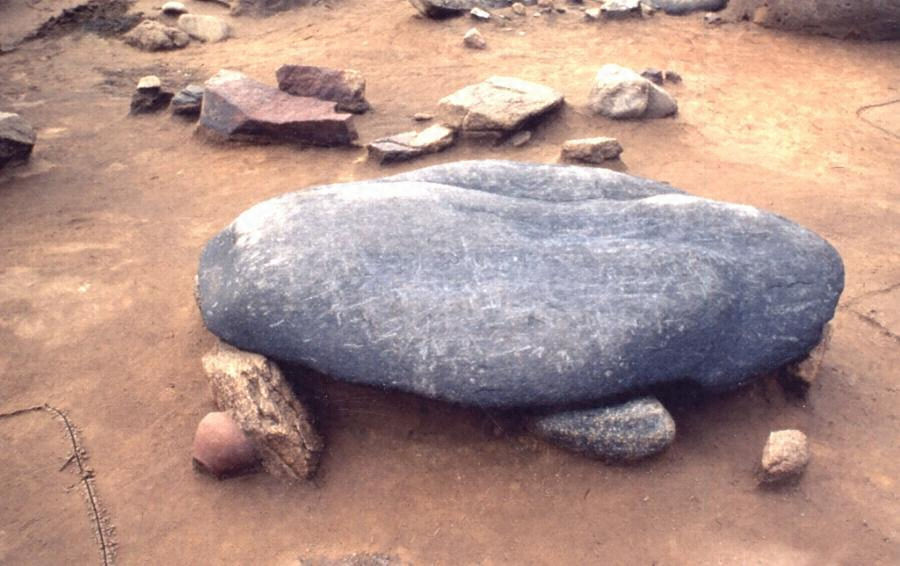 Shinmachi Dolmen Cluster showing the preserved burial structure with protective roof covering. Source: Cultural Heritage Online Database
The Shinmachi Dolmen Cluster (新町支石墓群, Shinmachi Shisekibo-gun) is a National Historic Site containing 57 burial graves from the early Yayoi period (approximately 2nd century BCE), representing one of the most significant archaeological sites in northern Kyushu. The site provides crucial evidence of cultural exchange between the Korean Peninsula and Japan during the adoption of rice cultivation and burial practices. 🔗
Located on a sand dune facing Hikizu Bay on the southwest side of the Itoshima Peninsula, this archaeological site has been known since the early 20th century when Professor Heijiro Nakayama first introduced it to academic circles. The site gained national attention following its first full-scale excavation in 1986 by the Shima Town Board of Education. 🔗
The excavation of approximately 300 square meters revealed 57 burial graves, including seven dolmen-style tombs (支石墓, shisekibo) with their massive upper capstones still in their original positions. These dolmens - stone burial structures featuring large flat stones supported by smaller standing stones - represent a burial practice widely used in Manchuria and Korea, demonstrating clear continental cultural influence during the Yayoi period. 🔗 🔗
Cultural & Religious Significance
Archaeological Significance
The Shinmachi site is particularly valuable for several groundbreaking discoveries:
Evidence of Early Warfare: Tomb No. 24 contained the skeletal remains of a middle-aged man with a Korean willow leaf-shaped polished stone arrowhead embedded in his left femur. This discovery, widely described as revealing "the first casualty of war in the Japanese archipelago," provides direct physical evidence of violent conflict during the early Yayoi period. 🔗
Cultural Transition Period: The 14 sets of human bones excavated from the site show characteristics typical of Jomon people, including evidence of tooth extraction practices (a Jomon cultural tradition). However, recent 2023 analysis by Kyushu University suggests these remains fall within the range of "immigrant Yayoi people," challenging earlier interpretations and highlighting the complex nature of population transition during this period. 🔗
Burial Practices: The site demonstrates diverse burial methods including wooden coffin burials for adults (inferred from burial postures and coffin stand stones) and jar coffin burials (甕棺墓, kamekan-bo) for infants, revealing social and age-based burial distinctions in early agricultural society. 🔗
Connection to Itokoku Kingdom
The Shinmachi site is part of the broader archaeological landscape of ancient Itokoku (伊都国), one of the countries in Wa-koku mentioned in Chinese historical records such as the Wajinden. Itokoku is believed to have been located in what is now Itoshima City and surrounding areas during the Yayoi period (3rd century BCE - 3rd century CE). The presence of Korean-style dolmens, continental-style pottery, and evidence of rice cultivation at Shinmachi demonstrates Itokoku's role as a gateway for cultural transmission from the Korean Peninsula to the Japanese islands. 🔗 🔗
Korean Peninsula Cultural Connections
The dolmen burial practice represents significant cultural exchange during the early Yayoi period. The Korean Peninsula is home to over 35,000 dolmens (approximately 40% of the world's total), constructed during the first millennium BCE as grave markers for the ruling elite. The presence of similar dolmens in Itoshima, along with Korean-style stone arrowheads and pottery similarities with southern Korea, indicates that Bronze Age culture from Manchuria and Korea crossed to the Japanese islands, bringing not only burial practices but also rice cultivation and bronze metallurgy. 🔗 🔗
Visiting Information
Operating Hours:
- 9:00 AM - 4:00 PM (Last entry at 4:00 PM) 🔗
Closed Days:
- Every Monday (if Monday is a national holiday, closed the following weekday)
- Year-end and New Year holidays (December 29 - January 3) 🔗
Admission: FREE 🔗
Access from Itoshima Retreat House:
- By car: Approximately 15-20 minutes (8 km) via Route 54 and local roads toward Shima Peninsula
- By public transit: Not practical - the site is in a rural coastal area with infrequent bus service
From JR Chikuzen-Maebaru Station:
- By bus: Approximately 20 minutes on local bus routes toward Shima area
- By car: Approximately 25 minutes via West Kyushu Expressway and local roads
From West Kyushu Expressway:
- Exit at Maebaru IC, then approximately 25 minutes by car 🔗
Note on Transportation: Itoshima's public transportation is very infrequent, and a car is strongly recommended for visiting archaeological sites in the Shima Peninsula area. The site is located in a quiet coastal residential area with limited transit options. 🔗
Contact Information: Itoshima City Cultural Affairs Department: 092-332-2093 🔗
Current Status: Open and accessible as of 2025. Tomb No. 9 has a protective roof covering and is preserved in situ. Adjacent Shinmachi Ruins Exhibition Hall displays opened graves and artifacts. 🔗
The Experience
Exhibition Hall Experience
The Shinmachi Ruins Exhibition Hall (新町遺跡展示館) is a small, free museum that recreates and displays the Yayoi period burial structures discovered during the 1986 excavation. 🔗
Main Exhibits:
- Dolmen Reconstruction: Full-scale reproduction of support-stone tombs (支石墓) typical of China and the Korean Peninsula, showing the massive granite capstones supported by smaller standing stones
- Pottery Coffin Graves (甕棺墓): 57 jar coffin burial reproductions demonstrating how infants and children were buried in ceramic vessels
- Archaeological Artifacts: Excavated items including pottery, stone tools, and the famous Korean willow leaf-shaped stone arrowhead
- Human Remains Display: Information about the 14 sets of human skeletal remains and what they reveal about Jomon-Yayoi population characteristics
- Excavation Photography: Historical photos from the 1986 dig showing the discovery process and original burial contexts 🔗
Video Presentation: Itoshima City produced a 5-minute 20-second video titled "未来へ伝えよう 新町支石墓群" (Let's Pass On to the Future: Shinmachi Dolmen Cluster) featuring excavation footage and aerial views of the site. 🔗
Protected Burial Site
Tomb No. 9 features the most impressive in-situ preservation:
- Granite upper stone weighing approximately one ton
- Four dolmen stones supporting the capstone
- Rectangular grave shaft (180 cm length × 65 cm width × 60 cm depth)
- Protective roof structure preserving the burial in its original location 🔗
Educational Experience
The site offers insight into:
- Early agricultural society: How rice cultivation arrival from Korea changed burial practices and social structure
- Cultural exchange: Direct evidence of Korean Peninsula influence on early Japanese civilization
- Ancient warfare: Physical evidence of violent conflict in prehistoric Japan
- Population dynamics: The complex transition from Jomon to Yayoi peoples
Visitor Ratings (4travel.jp):
- Overall satisfaction: 3.24/5
- Access: 3.00/5
- Cost performance: 3.75/5 (free admission rated positively)
- Crowds: 4.00/5 (rarely crowded)
- Exhibition content: 3.50/5 🔗
Practical Visiting Tips
November 1-2, 2025 Considerations
Seasonal Advantages:
- Weather: Early November offers mild temperatures (15-20°C), comfortable for walking and exploration
- Lighting: Autumn sun angle provides excellent natural lighting for photography, especially morning hours
- Crowds: Off-peak season with minimal tourist traffic; likely to have the site to yourself
- Foliage: Coastal landscape retains green vegetation with some autumn color
Photography Conditions:
- Indoor exhibition hall has controlled lighting suitable for photography year-round
- Outdoor dolmen site benefits from soft autumn light
- Best photo times: 9:00-10:30 AM for soft morning light on the protected dolmen
Practical Preparation:
- Bring layers - indoor exhibition is climate-controlled, outdoor viewing may be breezy near coast
- Comfortable walking shoes for exploring the site grounds
- Camera suitable for indoor museum displays and outdoor archaeological structures
Best Photography Spots
- Protected Dolmen (Tomb No. 9): The roofed burial structure from multiple angles showing the massive capstone and supporting stones
- Exhibition Hall Displays: Wide shots of the pottery coffin arrangement and dolmen reconstruction
- Interpretive Signage: Bilingual information boards with historical photos for context
- Coastal Setting: Wide shots showing the sand dune location facing Hikizu Bay
Visitor Strategies
Timing Recommendations:
- Visit on Tuesday-Sunday to ensure exhibition hall is open
- Arrive early (9:00-9:30 AM) for solitude and best lighting
- Allow 45-60 minutes for a thorough visit
- Combine with nearby Itokoku History Museum (15 minutes by car) for comprehensive archaeological understanding
Cultural Etiquette:
- This is an ancient burial site - maintain respectful behavior and quiet voices
- Photography is generally permitted but avoid flash near delicate artifacts
- Do not touch preserved archaeological structures
- Follow all signage and staff instructions
Facilities:
- Basic facilities only - small exhibition building
- Limited parking available on-site
- No restaurant/cafe - plan meals elsewhere
- Bring water, especially for summer visits
Language Considerations:
- Exhibition primarily in Japanese with some English signage
- Cultural Heritage Online provides detailed English information that can be reviewed before visiting
- Archaeological terminology may require translation app for deeper understanding
Nearby Attractions:
- Itokoku History Museum (15 minutes by car): Comprehensive museum dedicated to Itokoku Kingdom archaeology, houses National Treasure bronze mirrors 🔗
- Hirabaru Site: Major Yayoi period burial mounds of Itokoku ruling elite 🔗
- Shito Dolmen Cluster: Another National Historic Site in Itoshima with similar Yayoi period dolmen cemetery 🔗
Location: View on Google Maps
Source: attractions/itoshima/shinmachi-dolmen-cluster.md