About
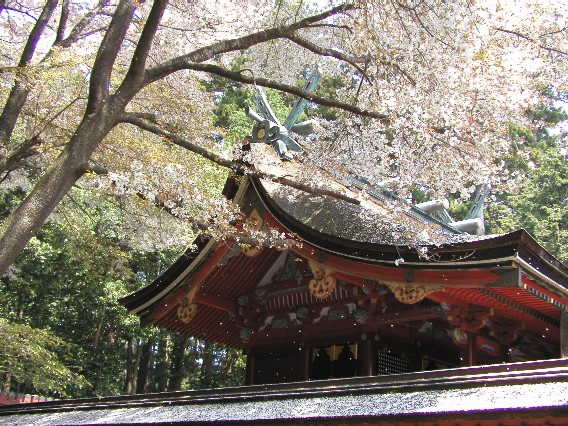 Shiogama Shrine's main buildings showcasing traditional Edo Period architecture. Photo: Wikimedia Commons (Public Domain)
Shiogama is a historic port town located between Sendai and Matsushima in Miyagi Prefecture, serving as an essential maritime gateway to Matsushima Bay, one of Japan's Three Scenic Views. 🔗 The city centers around Shiogama Shrine (Shiogama Jinja), a large Shinto shrine complex believed to be over 1200 years old and historically one of the most important shrines in the Tohoku region. 🔗
The shrine serves as the head shrine of several hundred Shiogama shrines located throughout Japan and is dedicated to the guardian deities of fishermen and safe childbirth. 🔗 Fifteen of its buildings, constructed during the Edo Period, have been declared Important Cultural Properties. 🔗
As a thriving fishing port, Shiogama processes a significant portion of Japan's tuna and swordfish catch and boasts the highest number of sushi restaurants per capita in Japan. 🔗 The town's exceptional seafood culture is exemplified by the Shiogama Seafood Wholesale Market, featuring around 140 stalls selling fresh catches from Shiogama Port. 🔗
The port town also serves as the departure point for scenic ferry cruises to Matsushima Bay, offering a 50-minute journey past iconic islands that have been celebrated for centuries as one of Japan's most spectacular coastal landscapes. 🔗
Cultural & Historical Significance
Shiogama Shrine: 1200+ Years of Spiritual Heritage
Shiogama Shrine (塩竈神社) stands as one of the most historically significant shrines in the Tohoku region, with origins believed to date back over 1200 years. The shrine serves as the head shrine of several hundred Shiogama shrines located throughout Japan, demonstrating its central importance in Japanese Shinto tradition. 🔗
According to shrine legend, the Sun Goddess Amaterasu-Omikami commanded Takemikazuchi-no-Kami and Futsunushi-no-Kami to develop the Tohoku area. A third kami, Shiotsuchi-Oji-no-Kami, guided them to this region, where he taught the local people how to make salt from sea water - an essential skill for survival and food preservation in ancient coastal communities. The shrine's name "Shiogama" (塩竈) literally means "salt釜 (kettle)," referencing this foundational myth. 🔗
The shrine is dedicated to the guardian deities of fishermen and safe childbirth, reflecting the maritime culture and family-oriented values of coastal Tohoku communities. Fifteen of its buildings, constructed during the Edo Period (1603-1868), have been declared Important Cultural Properties, preserving exceptional examples of Edo Period shrine architecture. 🔗
Maritime Gateway to Matsushima Bay
Shiogama has served as the primary maritime gateway to Matsushima Bay for centuries. The town's strategic location allowed it to develop as a critical port for both commercial fishing and tourist ferry services. The 50-minute ferry cruise from Shiogama to Matsushima offers a traditional approach to experiencing one of Japan's Three Scenic Views, providing perspectives of the bay's 260+ pine-covered islands that cannot be appreciated from land. 🔗
Fishing Port Cultural Heritage
As a thriving fishing port, Shiogama processes a significant portion of Japan's tuna and swordfish catch. The town's seafood expertise has created a remarkable culinary culture - Shiogama boasts the highest number of sushi restaurants per capita in Japan. 🔗 This concentration of sushi establishments reflects generations of fishing expertise, seafood processing skills, and culinary refinement.
The Shiogama Seafood Wholesale Market, featuring around 140 stalls, represents the town's living maritime heritage. Unlike purely tourist-oriented fish markets, this is a working wholesale market where professional buyers shop alongside visitors, maintaining authentic commercial fishing traditions. 🔗
"Sanriku Shiogama Higashimono" Premium Tuna Certification
The town has developed the "Sanriku Shiogama Higashimono" brand certification for premium bigeye tuna. This certification runs from mid-September to December, with tuna that passes strict quality conditions during this period certified as "Higashimono." 🔗 This branding reflects Shiogama's commitment to maintaining the highest seafood quality standards and represents a modern continuation of centuries-old fishing expertise.
Visiting Information
Access
From Sendai (25 minutes):
- Take the JR Senseki Line from Sendai to Hon-Shiogama Station
- Frequent local or rapid trains: 3-5 trains per hour during non-peak times, departing every 30 minutes
- Cost: ¥330 one-way
- Hon-Shiogama Station is most convenient for tourists, within walking distance of both the shrine (10 minutes) and the cruise ferry terminal (5 minutes) 🔗
From Tokyo (Total 2.5 hours):
- Tohoku Shinkansen from Tokyo to Sendai (approximately 2 hours)
- Transfer to JR Senseki Line to Hon-Shiogama Station (25 minutes)
Local Transportation:
- Shionavi loop bus connects stations with all main tourist spots including the fish market
- Walking is the primary means of getting between attractions within Shiogama 🔗
Operating Details
Shiogama Shrine Hours:
- March-October: 5:00 AM - 6:00 PM
- November-February: 5:00 AM - 5:00 PM
- Hours may vary by month 🔗
Admission:
- Shrine grounds: Free
- Shrine museum: ¥200 adults, ¥150 junior/senior high school students, ¥80 elementary school students 🔗
Ferry Schedule (Shiogama to Matsushima):
- Departures: 9:00 AM - 3:00 PM (extended hours on selected days)
- Duration: 50 minutes
- Cost: ¥1,500 standard class, first class seats available for additional few hundred yen
- Tickets can be purchased just prior to departure
- Operators: Matsushima Shimameguri Kankousen (022-354-2233) and Marubun Matsushima Kisen (022-354-3453) 🔗
Fish Market Hours:
- Opens: 6:30 AM for My Kaisendon (build-your-own rice bowls)
- Best selection: Early morning arrival recommended 🔗
Current Status:
- Open and operational; ferry services run year-round with roughly one ship per hour
- All facilities accessible as of 2025
November-Specific Information
Premium Seafood Season: The Sanriku Shiogama Higashimono brand certification runs from mid-September to December, with bigeye tuna that passes strict conditions during this period certified as "Higashimono." 🔗 November represents prime season for experiencing this premium tuna at wholesale prices in the market and local sushi restaurants. 🔗
Weather Preparation: November temperatures in Miyagi region require warm layers. Ferry cruises across Matsushima Bay can be particularly cold with sea breezes - bring windproof outerwear.
Shrine Hours: Shrine closes at 5:00 PM in November (not the 6:00 PM summer closing), so plan afternoon shrine visits accordingly.
Crowd Levels: November falls outside peak tourist season (cherry blossom and peak autumn foliage periods). Early morning market visits and late afternoon shrine visits help avoid tour groups.
Cultural Events: Shichi-go-san children's holiday celebrations may be visible at Shiogama Shrine on weekends through November 15. 🔗
The Shiogama Experience
Shiogama Shrine Complex
The Omotesando Approach: The main approach features the Omotesando, a steep stone staircase with 202 steps that parishioners climb during festivals while carrying a one-ton portable shrine. 🔗 This dramatic ascent creates a sense of spiritual transition from the mundane world below to the sacred space above.
Less strenuous alternative routes are available via a second, less steep flight on the eastern side, making the shrine accessible to visitors with varying physical capabilities. 🔗
Shrine Buildings and Architecture: The shrine stands on a steep hill overlooking Matsushima Bay, offering panoramic coastal views. Visitors can explore the splendid torii gate, stately Romon Gate and Karamon Gate along the lush approach. The Edo Period architecture of the fifteen Important Cultural Property buildings represents some of the finest shrine construction of that era. 🔗
Best Visiting Time: The shrine typically sees fewer crowds just before closing time when tour groups have departed, creating a more contemplative atmosphere for individual visitors. 🔗
Matsushima Bay Ferry Cruise
The 50-minute scenic journey from Marine Gate Shiogama (15-minute walk from Hon-Shiogama Station) to Matsushima showcases the iconic islands of Matsushima Bay. 🔗 First class areas offer incredible views, though standard class provides excellent sightseeing opportunities. English leaflets are provided to learn about the islands during the journey. 🔗
Special ticket packages include oyster roasting experiences and food discounts. The ferry provides a traditional approach to Matsushima that has been used for centuries, offering perspectives of the bay's geography and island formations that cannot be appreciated from land-based viewpoints. 🔗
Shiogama Seafood Wholesale Market
Around 140 stalls sell all kinds of fresh seafood including dried and prepared items offloaded at neighboring Shiogama Port. 🔗 The market features a food court with five restaurants where visitors can purchase fresh seafood and have it cooked on-site.
My Kaisendon Service: The most popular option is the My Kaisendon service - purchase a set of rice and miso soup, then select favorite pieces of seafood to create a custom meal. This allows visitors to build personalized rice bowls featuring the freshest catches at wholesale prices. 🔗
Public DIY Grill: A public DIY grill outside the market hall allows visitors to cook fish, oysters, and scallops bought fresh from the market. This interactive experience provides an authentic taste of Shiogama's maritime food culture. 🔗
November Premium Tuna: During November, the market offers Higashimono-certified premium bigeye tuna at wholesale prices, providing exceptional value for one of Japan's finest seafood products.
Sushi Dining
With the highest concentration of sushi restaurants per capita in Japan, Shiogama offers exceptional dining options. Local sushi is served "Shiogama style" with seaweed salt instead of traditional soy sauce, reflecting the town's salt-making heritage referenced in the shrine's founding legend. 🔗
Notable restaurants include:
- Shiogamako Kaisenzushi Restaurant (near Shiogama Station)
- Shiogama Sushitetsu Honten
- Uoryotei Japanese restaurant 🔗
Practical Visiting Tips
Optimal Itinerary Strategy
Recommended Sequence: Early morning fish market dining (6:30 AM arrival) → Mid-morning Shiogama Shrine visit → Ferry departure to Matsushima for afternoon exploration → Return to Tokyo evening. 🔗
This sequence maximizes the market's best selection, avoids shrine crowds, and provides optimal ferry timing for Matsushima exploration.
Photography Opportunities
Best Photo Spots:
- Top of the 202 stone steps looking back over Matsushima Bay
- Shiogama Shrine's Romon Gate and Karamon Gate with traditional architecture
- Ferry cruise deck viewing the iconic islands of Matsushima Bay
- Fish market's colorful seafood displays and DIY grilling area
November Photography: Shorter daylight hours (shrine closes at 5:00 PM) require earlier timing for optimal lighting. Autumn atmosphere provides excellent photography opportunities with fewer crowds than peak seasons.
Crowd Avoidance Strategies
- Visit fish market at opening (6:30 AM) for best seafood selection and fewer crowds
- Tour Shiogama Shrine in late afternoon when tour groups have departed
- Book ferry cruises for mid-morning departures to avoid weekend peak times
- Use Shionavi loop bus to maximize time efficiency between attractions 🔗
Money-Saving Options
- Shiogama Seafood Wholesale Market offers wholesale prices for both eating and purchasing seafood 🔗
- Free admission to shrine grounds (museum is optional ¥200)
- My Kaisendon at market allows budget control by selecting desired seafood quantities
- Standard ferry class provides excellent views at ¥1,500 vs. first class premium
Cultural Etiquette
Shrine Visiting:
- Photography generally permitted at shrine grounds but watch for prohibition signs
- Avoid photographing deity figures and Buddha images directly 🔗
- Maintain calm, quiet demeanor throughout shrine visit
- Respect that shrines are religious places, not just sightseeing spots 🔗
Market Behavior:
- Though a wholesale market where professionals shop, general public welcome to purchase at wholesale prices 🔗
- Early arrival shows respect for vendors and ensures best selection
- Ask permission before photographing vendors: "Sumimasen, shashin o totte mo ii desu ka?" 🔗
Weather and Seasonal Preparation
- Bring windproof jacket for ferry cruise exposure to sea breezes
- Comfortable walking shoes essential for 202-step shrine approach (or use alternative route)
- Layer clothing for temperature variations between morning market visit and midday ferry
- November averages cool temperatures transitioning toward winter
Integration with Matsushima
Comprehensive Day Trip from Tokyo
Shiogama serves as the optimal starting point for a comprehensive Matsushima Bay experience. The recommended itinerary begins with early morning fish market dining (6:30 AM arrival), mid-morning Shiogama Shrine visit, then ferry departure to Matsushima for afternoon exploration before returning to Tokyo. 🔗
Full Itinerary:
- 6:30 AM: Arrive Shiogama Seafood Wholesale Market for My Kaisendon breakfast
- 8:30 AM: Walk to Shiogama Shrine, explore grounds and museum
- 10:30 AM: Walk to Marine Gate Shiogama for ferry departure
- 11:20 AM: Arrive Matsushima, explore temples and bay viewpoints
- 3:00 PM: Complete Matsushima exploration
- Evening: Return train to Tokyo via Sendai
Nearby Attractions
Matsushima (50-minute ferry): One of Japan's Three Scenic Views, accessible via scenic ferry cruise from Marine Gate Shiogama. The historic town offers temple complexes, bay viewpoints, and complementary coastal experiences. 🔗
Sendai (25 minutes by train): Tohoku region's largest city with additional dining, cultural attractions, and transportation hub for broader regional exploration. 🔗
Urato Islands: Remote islands off Shiogama accessible via ferry from Marine Gate Shiogama, offering additional maritime exploration options. 🔗
Regional Context
Position between Sendai and Matsushima makes Shiogama an essential stop for comprehensive Miyagi Prefecture coastal exploration, particularly for visitors interested in maritime culture and seafood experiences. Direct Tohoku Shinkansen from Tokyo to Sendai (2 hours) plus JR Senseki Line to Hon-Shiogama Station (25 minutes) makes this feasible as a long day trip from Tokyo, though overnight stay in Sendai area allows more relaxed exploration. 🔗
Important Notes
Physical Accessibility: The main shrine approach involves 202 steep stone steps. While alternative, less strenuous routes exist on the eastern side, visitors with mobility concerns should plan accordingly. 🔗
Ferry Service Reliability: Year-round operation with roughly one ship per hour ensures reliable service, though schedules may vary on holidays and special occasions. Tickets can be purchased just prior to departure, but arriving early during peak times recommended. 🔗
November Seafood Season Priority: The Higashimono premium tuna certification (September-December) makes November particularly exceptional for seafood experiences. Visit during this window to access the highest quality bigeye tuna at market and restaurant locations. 🔗
Market Timing Critical: Shiogama Seafood Wholesale Market offers best selection and freshness at opening (6:30 AM). Late arrivals may find reduced seafood variety, particularly for popular items like Higashimono tuna and fresh oysters. 🔗
Combined Duration Planning: A comprehensive Shiogama visit including market breakfast, shrine exploration, and Matsushima ferry cruise requires full day allocation (6-8 hours minimum). Plan Tokyo departure/return accordingly for comfortable day trip timing.
Shiogama Fish Market Connection: The previously researched Shiogama Fish Market (research/attractions/matsushima/shiogama-fish-market.md) provides additional detailed information about the wholesale market experience, complementing this broader town overview.
Location: View on Google Maps
Source: attractions/matsushima/shiogama.md