About
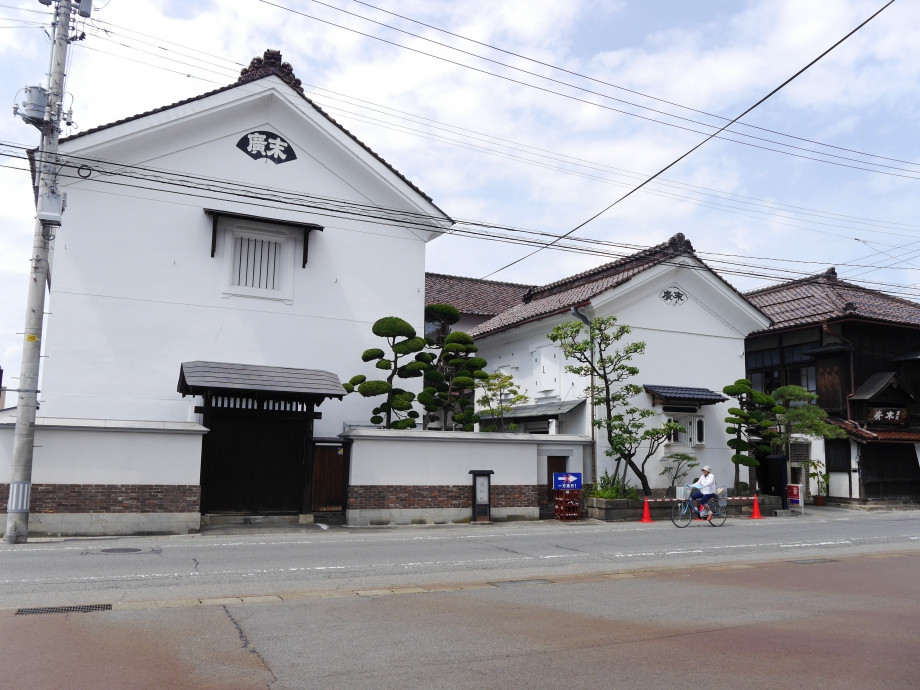 The historic Kaeigura brewing building at Suehiro Sake Brewery, designated as an important cultural property by Aizu-Wakamatsu City. Source: Fukushima Travel
Suehiro Sake Brewery stands as one of Fukushima Prefecture's most historically significant cultural attractions, founded in 1850 during the final years of the Edo Period. The brewery has been operated by seven to eight generations of the Suehiro family and holds the distinction of being the birthplace of the revolutionary yamahai brewing method that transformed sake production across Japan. 🔗
The brewery's cultural importance extends beyond its innovative brewing techniques. In collaboration with brewing engineer Kinichiro Kagi around 1910, the fourth president developed the yamahai brewing method, which eliminated the exhausting pole-ramming (yama-oroshi) process used in traditional kimoto brewing. This innovation marked "the end of stirring work" and represented a revolution for brewers throughout Japan while maintaining the traditional use of naturally occurring lactic bacteria for fermentation. 🔗 🔗
The Kaeigura, the historic building where sake is still brewed using traditional methods, has been designated as an important historical building by Aizu-Wakamatsu City and is registered as a Tangible Cultural Property. Built between the Meiji (1868-1912) and Taisho (1912-1926) eras, the imposing hall features a high atrium rarely seen in old Japanese architecture. 🔗
Cultural & Historical Significance
Today, Suehiro's prizewinning sake is exported worldwide and serves as the official sake supplier to the revered Toshogu Shrine in Nikko. The brewery has won numerous national and international awards, contributing to Fukushima Prefecture's remarkable achievement of winning more gold medals than any other prefecture at the Annual Japan Sake Awards eight consecutive times. 🔗 🔗
The brewery also maintains a connection to Dr. Hideyo Noguchi, the renowned bacteriologist featured on Japan's 1,000 yen bill, with his letters and photographs on display for visitors. 🔗
Fukushima sake tends to be light and intricate with mellow aroma and natural umami from rice. Blessed with high-quality rice and pure water from Mount Bandai, the Aizu region is one of Japan's premier sake-producing areas. 🔗 🔗
Visiting Information
Hours:
- Main facility: 10:00 AM - 5:00 PM
- Tours: Every 30 minutes from 9:00 AM - 4:30 PM (tours conducted in Japanese)
- Kissa Ann Café: 10:00 AM - 5:30 PM 🔗 🔗
Closed: December 31 and January 1 🔗
Admission: Free entry, free tours, and free sake tastings 🔗
Access:
- Walking: 15-20 minute walk from JR Aizuwakamatsu Station (Ban-etsu West Line)
- By Bus: Take city loop bus "Haikara-san" to "Yamato-machi" bus stop, then 1-minute walk
- By Taxi: 10-minute taxi ride from station
- By Car: 15 minutes from Aizu-Wakamatsu Interchange on the Banetsu Expressway; free parking available 🔗 🔗
Contact: Phone: 0242-27-0002 | Website: https://www.sake-suehiro.jp/ (Japanese only) 🔗
Best Time to Visit:
- Brewing Season (October-March): Active production visible, can observe fermentation tanks in operation - ideal for October-November visits
- Morning visits: Less crowded, ideal for photography and unhurried tasting
- Year-round: Tastings available all year with 6-10 varieties 🔗
Language: Tours are conducted in Japanese, though English tours may be available upon request. Limited English support based on recent visitor reviews. 🔗 🔗
The Experience
Guided Brewery Tour (30 minutes, free)
The comprehensive tour includes walks through the brewing areas with explanations of the traditional sake-making process, focusing on the yamahai slow open-fermentation method that uses naturally occurring lactic acid and microorganisms in the air. Tours start every 30 minutes throughout the day. 🔗 🔗
Special October-November Experience: During the brewing season (October-March), visitors can observe the active brewing process and see inside the fermentation tanks, witnessing traditional sake production in real-time. This provides an authentic, behind-the-scenes look at centuries-old techniques still practiced today. Early brewing season offers the warm, comforting scent of steaming rice and inviting nutty notes from the koji room. 🔗 🔗
Sake Museum & Historical Exhibits
A small museum displays the brewery's 175-year history and comprehensive exhibits on sake-making traditions. The museum houses letters and photographs of Dr. Hideyo Noguchi, the bacteriologist featured on the 1,000 yen bill, who had connections to the region. 🔗
Free Sake Tasting
The factory store features a tasting bar where visitors can sample between 6-10 different varieties of Suehiro sake year-round, all complimentary. The entire product line is available for tasting and purchase. 🔗 🔗
Featured Varieties:
- Suehiro Yamahai Junmai Ginjo: Made with Gohyakumangoku rice from Aizu (55% seimaibuai, 15.5% alcohol), featuring floral and fruity notes with green apple, pineapple, and lactic characteristics. Can be enjoyed cold for finesse or heated for round, powerful flavor. 🔗
- Suehiro Densho Yamahai Junmai: Named after the legacy ("Densho") of being taught yamahai secrets by Kinichiro Kagi. Features creamy texture with ample umami and superbly balanced acidity. A famous sake with multiple gold medals from Japanese and international competitions. 🔗
Additional Attractions
- Historic Meiji-Era Rooms: Beautifully preserved Japanese-style rooms built during the Meiji Period (1868-1912) showcasing traditional architecture
- Film Camera Collection: Japan's largest private collection of film cameras, with over 500 cameras on display ranging from vintage to modern models
- Kissa Ann Café: Located in the brewery's oldest renovated storehouse, serving original desserts incorporating sake (sake jelly, sake-infused cakes) and coffee made with the same pure brewing water used in sake production
- Shop & Brewery Store: On-site shop sells Suehiro sake and regional Fukushima products 🔗 🔗 🔗
Practical Visiting Tips
Sake Tasting Etiquette
Proper Tasting Technique:
- Take small sips and swirl sake in your mouth
- Breathe through your nose to experience fukumi-ka aromas
- Observe color (clear or pale yellow), smell (fruity, floral, earthy notes), taste (sweetness, acidity, umami balance), and finish (clean/crisp vs. rich/lingering)
- Taste slowly to appreciate nuanced flavors 🔗 🔗
Cultural Customs:
- Say "Kanpai" ("Cheers") before drinking with others
- In group settings, pour for companions rather than yourself
- When receiving sake from others, support cup with both hands
- Take at least one sip before placing cup down
- Be open-minded, ask questions, and experiment with different temperature settings 🔗 🔗
Brewery Visit Etiquette
Required Preparation:
- Wear socks (special indoor shoes required inside brewery)
- Avoid strong perfumes or scents that interfere with sake aromas
- Do not consume alcohol before the tour (safety policy)
- Dress warmly in layers for temperature-controlled brewing areas (below 10°C in some rooms) 🔗
During Tour:
- Do not touch machinery, equipment, or raw materials
- Watch for slippery floors and steps throughout brewery
- Be cautious not to disturb other visitors or brewery workers
- Confirm photography policies with staff before taking pictures (some areas may prohibit photos during active production) 🔗 🔗
Recommended Timing & Photography
Timing:
- Arrive at opening (10:00 AM) for first tours, less crowded tastings, and fresh morning light for exterior photography
- Allow 1.5-2 hours total for comprehensive experience including tour, tasting, museum, camera collection, and café visit
- Morning light (10:00-11:30 AM) provides excellent natural lighting for photographing the historic Kaeigura building exterior
Best Photo Spots:
- Kaeigura Exterior: Historic building facade with traditional architecture (morning light ideal)
- High Atrium Hall: Rare architectural feature inside the storehouse
- Meiji-Era Rooms: Traditional Japanese interiors from 1868-1912 period
- Camera Collection: Over 500 vintage cameras on display
- Kissa Ann Café: Beautifully renovated oldest storehouse building
Weather and Seasonal Preparation
October Visit (Oct 21-23):
- Average temperatures: 10-18°C (50-64°F)
- Comfortable autumn weather, light jacket recommended
- Ideal conditions for walking from station
November Visit (Nov 9-18):
- Average temperatures: 5-13°C (41-55°F)
- Cooler conditions, warm layers recommended
- Inside brewery areas even cooler (below 10°C in some rooms)
Both periods offer excellent conditions for brewery visits with active production visible.
Important Notes
- Language Barriers: Tours primarily in Japanese with limited English support; international visitors can still enjoy the visual experience, tastings, museum displays, and camera collection
- Mixed Visitor Reviews: Some visitors praise the imposing architecture and atmospheric building, while others report staff may not be particularly accommodating to foreign visitors. Demonstrating respectful brewery etiquette can help ensure a positive experience. 🔗
- No Reservation Required: Tours operate on a walk-in basis every 30 minutes; arriving at opening ensures less crowded first tours
- Cultural Property Status: The Kaeigura building is a Registered Tangible Cultural Property - treat with appropriate respect
Location: View on Google Maps
Source: attractions/aizuwakamatsu/suehiro-sake-brewery.md