
About
 Feeding area at Takasakiyama Natural Zoological Garden where wild Japanese macaques gather. Source: Wikimedia Commons
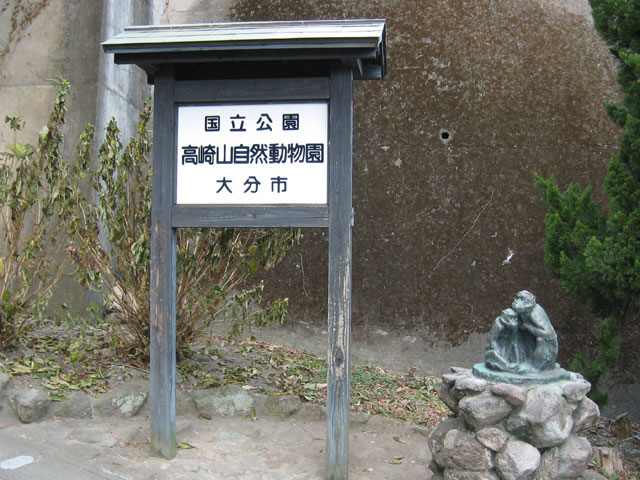
Takasakiyama Natural Zoological Garden (高崎山自然動物園), commonly known as Takasakiyama Monkey Park, is a wild Japanese macaque habitat located at the base of Mount Takasaki (628 meters high) in Oita City, between Beppu and Oita along the Beppu Bay coast. 🔗 Established on March 15, 1953, the park was founded by Oita City Mayor Tamotsu Ueda to address agricultural damage caused by wild monkeys while creating a unique wildlife viewing opportunity. 🔗
Home to over 1,200 wild Japanese macaques that roam freely across the forested slopes of Mount Takasaki, this is not an enclosure but rather a natural habitat where monkeys choose to visit feeding areas while maintaining their wild behaviors and social structures. 🔗 The park offers astonishingly close access with no barriers separating visitors from the wild macaques, allowing observation mere meters away. 🔗
Cultural & Religious Significance
Japanese macaques hold deep cultural significance in Japan, where they have coexisted with humans for thousands of years. In Shinto belief, monkeys were traditionally seen as sacred mediators between gods and humans. 🔗 Beginning with 8th-century historical records, monkeys held sacred status; around the 13th century, they also became metaphors in folklore and art. 🔗
During the Edo period (1603-1867), monkeys were frequently depicted in paintings, and numerous netsuke (kimono clasps) and other artifacts were carved or decorated with monkey imagery. 🔗 The Japanese primatologist Junichiro Itani noted that "Japanese culture does not emphasize the difference between people and animals," reflecting a traditional worldview that places humans within nature rather than separate from it. 🔗
Takasakiyama has also contributed significantly to scientific understanding. The park was the site where researchers first documented cultural transmission in non-human primates - the famous observation of a young female monkey named Imo who began washing sweet potatoes in seawater, a behavior that spread throughout her troop. 🔗
The park gained international recognition in 2021 when Yakei, a female Japanese macaque, became the first female to achieve the position of troop leader in the park's 68-year history. 🔗 This historic event challenged traditional understanding of macaque social structures and demonstrated the evolving dynamics of wild primate societies.
Visiting Information
Access & Transportation
From Beppu Station (Central Beppu):
- Bus: Take Oita Kotsu bus AS60, AS61, AS70, or AS71 bound for Oita Station
- Get off at: Takasakiyama bus stop
- Duration: 10-12 minutes
- Cost: ¥280 per trip
- Frequency: Approximately one bus per hour
- Walk: 3-6 minutes from bus stop to park entrance
- 🔗 🔗
From Kannawa Onsen District:
- Distance: Approximately 8-9 miles (requires travel through central Beppu)
- Route: Travel from Kannawa to Beppu Station area, then take bus to Takasakiyama
- Total travel time: 45-60 minutes
- 🔗
From Oita Station:
- Bus: Oita Kotsu buses heading towards Sekinoe, Kannawa, or Kunisaki
- Duration: 15-20 minutes
- Cost: ¥410
- Frequency: Approximately every 20 minutes
- 🔗
By Car:
- Located along Japan National Route 10 between Oita City and Beppu
- Parking available at the facility
Operating Hours & Admission
Operating Hours:
- Daily: 9:00 AM - 5:00 PM (last admission 4:30 PM)
- Sarukko Rail (monorail) operates: 9:00 AM - 4:30 PM (last departure down at 4:50 PM)
- Irregular closing days (no fixed schedule)
- Hours may change during Golden Week and Obon holidays
- 🔗
Admission Fees (as of 2025):
- Adults and high school students: ¥520
- Elementary and junior high school students: ¥260
- Children under elementary school age: Free
- Sarukko Rail (monorail) round trip: ¥110 (free for children under elementary age)
- Note: Fees may be revised in fiscal year 2025
- 🔗
Best Time to Visit:
- Season: November is ideal - early winter brings reliable monkey viewing as cold temperatures and food scarcity make the monkeys' behavior more predictable. They tend to remain in the park all day from opening to closing. 🔗
- Time of Day: Both morning (Troop C) and afternoon (Troop B) offer excellent viewing. Late afternoon before closing provides spectacular scenes with maximum monkey activity during final feeding. 🔗
- Crowd Levels: Significantly less crowded than Kyoto's Arashiyama or Nagano's Jigokudani monkey parks, allowing peaceful observation. 🔗
Typical Duration: 1-2 hours allows time to observe feeding, interactive demonstrations, explore the walking paths, and enjoy close encounters with the monkeys. 🔗
Current Status: Open and operating. Monkeys are wild animals and occasionally may not visit the park, though this is rare, especially in November when food scarcity drives consistent visits. 🔗
The Experience
Monkey Observation Areas
The main observation takes place at designated feeding areas where visitors can stand mere meters from the wild macaques with no barriers or fencing separating humans from animals. 🔗 This astonishingly close access allows for detailed observation of natural behaviors including grooming, playing, social interactions, and hierarchical displays.
The park's monkey population is organized into distinct social groups called "troops." Originally three troops (A, B, and C) inhabited the mountain, but Troop A has not been seen since 2002. 🔗 Currently, Troops B and C alternate their visits to the feeding areas, with Troop C typically appearing in the morning and Troop B in the afternoon. 🔗 Each troop maintains its own complex social hierarchy and behavioral patterns.
Transportation Options
Visitors can either walk up the forested slope to the main feeding areas (approximately 15-20 minutes) or take the Sarukko Rail monorail for a scenic 5-minute ride. 🔗 The walking route offers opportunities to encounter monkeys in the forest, running, chasing, and grooming each other in their natural habitat. 🔗
Feeding Schedule & Special Events
- Regular Feeding: Wheat is distributed every 30 minutes throughout the day, drawing the monkeys to gathering areas where they can be observed en masse. 🔗
- Sweet Potato Feeding: Twice daily (once for each troop), featuring the famous potato catching race - a must-see spectacle. 🔗
- Challenge Time: Held once daily, this demonstration showcases the monkeys' learning abilities and intelligence through interactive activities. 🔗
Additional Facilities
- Small museum documenting the park's history and monkey behavior research
- Indoor children's play area
- Souvenir shops offering monkey-themed merchandise
- Cafe for refreshments
- 🔗
November Seasonal Characteristics
In November, Japanese macaques enter their early winter behavioral patterns. From autumn to early winter, macaques feed intermittently between various activities. 🔗 During winter, they typically have two to four major feeding bouts each day and huddle together for warmth on sleeping grounds. 🔗
The colder temperatures and absence of wild food in the mountains make November through February the most reliable time for consistent monkey viewing. 🔗 Visitors can expect the monkeys to arrive at the park when it opens at 9 AM and remain throughout the day until closing at 5 PM.
Practical Visiting Tips
Safety Guidelines and Monkey Etiquette
CRITICAL RULES - Strictly Enforced:
-
No Direct Eye Contact: Japanese macaques perceive sustained eye contact as threatening behavior. Even when photographing, direct your gaze away from the monkey to avoid appearing aggressive. 🔗
-
No Feeding: Under no circumstances may visitors feed the monkeys. Feeding is managed by park staff only to maintain health and natural behaviors. 🔗
-
No Touching: Despite the monkeys' habituation to humans and their tendency to brush past visitors, you must never touch them. They remain wild animals with unpredictable behaviors. 🔗
-
Maintain 2-Meter Distance: Actively maintain at least 2 meters distance from monkeys. If they approach you, remain calm and still; do not retreat suddenly. 🔗
-
Stay Calm and Quiet: Sudden movements or loud noises can trigger defensive behaviors. Remain calm and speak in quiet tones. 🔗
-
Secure Belongings: Monkeys may investigate or tug on bags, cameras, and clothing. Keep belongings secure and don't react aggressively if a monkey approaches. 🔗
-
Equipment Restrictions: No selfie sticks, tripods, or extendable equipment allowed as these can be perceived as weapons or threats. 🔗
Photography Tips
The park allows photography, but visitors must avoid using selfie sticks or tripods as these can be perceived as threats by the monkeys. 🔗 Direct eye contact should be minimized even when taking pictures - direct your gaze away from monkeys while composing shots to avoid appearing threatening. 🔗
Best Photo Spots:
- Feeding Areas: During the 30-minute wheat feeding sessions, monkeys gather en masse creating spectacular group shots
- Potato Catching Race: Twice-daily event offers dynamic action photography opportunities
- Forest Walking Path: Natural setting shots of monkeys in trees and on slopes
- Late Afternoon: Final feeding before closing draws maximum monkey activity with excellent golden-hour lighting
November lighting offers excellent photography opportunities with autumn colors still visible and lower sun angles creating dramatic lighting, particularly during late afternoon feeding sessions.
Crowd Avoidance Strategies
Takasakiyama is significantly less touristy than other famous monkey parks in Japan. 🔗 However, for the most peaceful experience:
- Weekday mornings typically have fewer visitors
- Late afternoon (after 3 PM) sees reduced crowds while monkey activity increases before closing
- November is outside major Japanese holiday periods, ensuring quieter visits
Money-Saving Options
- Walking instead of taking the monorail saves ¥110 and offers better monkey encounters in the forest
- Combine with nearby Umitamago Aquarium across National Route 10 for a full morning experience
- No need for expensive camera equipment - the monkeys come very close allowing excellent photos with smartphones
- 🔗
Weather Considerations
- Early November in Beppu typically features mild temperatures (15-20°C/59-68°F)
- Occasional rain possible - bring rain gear
- Comfortable walking shoes recommended for forest paths
- Layers advised as temperature varies between sun and shade
Cultural Preparation
Understanding the cultural significance of Japanese macaques enhances the experience. These monkeys represent a sacred connection between nature and spirituality in Shinto belief. 🔗 Observing them with quiet respect honors this traditional relationship. The Japanese approach to wildlife emphasizes coexistence rather than domination - visitors should adopt this mindset.
Practical Logistics
- Timing from Kannawa: Allow 45-60 minutes total travel time from Kannawa Onsen district (bus/taxi to Beppu Station, then bus to Takasakiyama)
- Best Departure: Morning departure (9-10 AM) allows witnessing Troop C and potentially staying for early Troop B sightings
- Facilities: Restrooms available, but limited dining options - consider eating before/after in Beppu
- Weather Backup: The park operates in light rain; monkeys continue their normal behaviors making it an excellent rainy-day activity
Important Notes
Wild Animal Considerations: These are genuinely wild animals, not domesticated or trained performers. While they are habituated to human presence, they maintain wild instincts and behaviors. Occasional days occur when troops choose not to visit the feeding areas, though this is rare in November when food scarcity drives consistent visits. 🔗
Physical Requirements: The walking path to the main feeding area involves moderate uphill hiking on paved and natural surfaces. The monorail provides accessible alternative transportation for those with mobility limitations. 🔗
Language: Park staff have limited English capability. Signage includes some English, but Japanese language skills or translation apps helpful for detailed information about feeding times and special events.
Bag Security: Monkeys are curious and may approach bags or investigate pockets. Keep valuables secured in closed bags and remain calm if monkeys show interest in belongings.
Nearby Attractions & Integration
Umitamago Aquarium (Oita Marine Palace Aquarium): Located directly across Japan National Route 10 from Takasakiyama, this modern aquarium can be combined with the monkey park for a full morning or afternoon. 🔗
Beppu Bay Waterfront: The coastal location offers scenic views of Beppu Bay and opportunities for seaside walks after visiting the monkeys.
Day Trip Logistics: Located between Beppu and Oita City, Takasakiyama can be combined with:
- Morning: Monkey park visit (2 hours)
- Afternoon: Return to Beppu for Hell Tour (Jigoku Meguri) or onsen bathing
- Alternative: Explore Oita City's shopping and dining after the monkey park
Cultural Context: The park complements understanding of Japan's relationship with nature - just as Beppu's hells demonstrate geological power and human adaptation, Takasakiyama illustrates the traditional Japanese view of humans and animals as interconnected rather than separate.
Location: View on Google Maps
Source: attractions/beppu/takasakiyama-monkey-park.md