
About
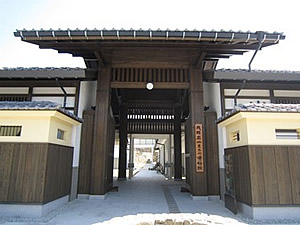 Exterior view of the Takayama Museum of History and Art housed in historic merchant storehouses
The Takayama Museum of History and Art provides comprehensive introduction to Takayama's evolution from castle town to merchant center through 14 themed exhibition rooms housed in remarkably preserved 17th-century earthen warehouses. Originally belonging to the prosperous Yajima timber family and Nagata sake brewing family, these historic storehouses demonstrate sophisticated fireproof construction techniques while serving as living exhibits of merchant architectural mastery. 🔗
The museum's collection comprises approximately 75,000 items with 900 pieces on permanent display, covering everything from Takayama's 1585 establishment by Kanamori Nagachika to the development of merchant districts that define modern Takayama. The facility reopened in 2011 after extensive renovation preserving architectural integrity while creating modern exhibition spaces that honor both historical artifacts and building heritage. 🔗
Cultural & Religious Significance
The Yajima family served as "town elders" throughout the Edo period, contributing significantly to Takayama's commercial governance and maintaining the autonomy that preserved local traditions. The Nagata family, operating under "Osakaya," owned extensive rice fields and prestigious sake breweries, representing the merchant prosperity that sustained cultural development. Following the devastating 1875 fire destroying over 1,300 homes, the Nagata family constructed six thick-walled storehouses creating comprehensive firewall protection that saved these architectural treasures for modern visitors. 🔗
The museum preserves rare Buddhist sculptures by monk Enku (1632-1695), showcasing the spiritual culture that developed alongside merchant prosperity in the isolated Hida region. These artifacts demonstrate how geographical isolation fostered unique cultural synthesis between commercial and religious traditions.
Visiting Information
Operating Hours: Exhibition Rooms: 9:00 AM - 7:00 PM | Educational Room: 9:00 AM - 9:00 PM | Garden: 7:00 AM - 9:00 PM Admission: Free (confirmed - no entry fees required) Access: 15-minute walk from JR Takayama Station; 11-minute ride on Machinami Bus to "Machino Hakubutsukan-mae" stop; 10-minute walk from Ryokan Murayama Current Status: Open year-round with potential temporary maintenance closures; fully operational during October 2025 visit period 🔗
The Experience
The museum offers systematic journey through Takayama's cultural development across 14 specialized exhibition rooms focusing on castle town formation, merchant culture, traditional architecture, and festival traditions. Ground floor exhibitions chronicle Takayama's establishment with samurai artifacts and merchant tools, while upper floor collections feature Hida carpentry techniques, religious heritage, and local literature. 🔗
Historic gardens provide contemplative spaces with spring water features and seasonal plantings accessible from early morning. Educational facilities remain open until 9:00 PM for extended cultural exploration, while traditional museum stamp collecting points satisfy Japanese cultural customs. Elevator and ramp systems ensure accessibility despite the historic building's multi-level layout.
October 2025 visits perfectly follow the Takayama Autumn Festival (October 9-10), providing excellent educational context about festival traditions. Traditional gardens showcase beautiful fall foliage during late October, while volunteer guides typically offer enhanced interpretation on weekends during October.
Practical Visiting Tips
Photography Restrictions: Interior photography completely prohibited throughout all exhibition areas; garden areas allow personal photography only. Restrictions protect artifacts and maintain contemplative atmosphere appropriate for cultural study. 🔗
Cultural Preparation: Understanding basic Edo period merchant culture enhances exhibit appreciation; museum serves as excellent introduction before exploring Sanmachi Suji. While some exhibits include English translations, many displays remain Japanese-only requiring volunteer guide assistance or translation support.
Optimal Strategy: Visit morning before exploring Sanmachi Suji district for essential historical context. Follow suggested chronological route through 14 rooms for maximum educational benefit. Take advantage of garden's early opening (7:00 AM) for peaceful morning contemplation. Free admission allows leisurely exploration without financial pressure. 🔗
Location: View on Google Maps
Source: attractions/takayama/takayama-museum-of-history-art.md