
About
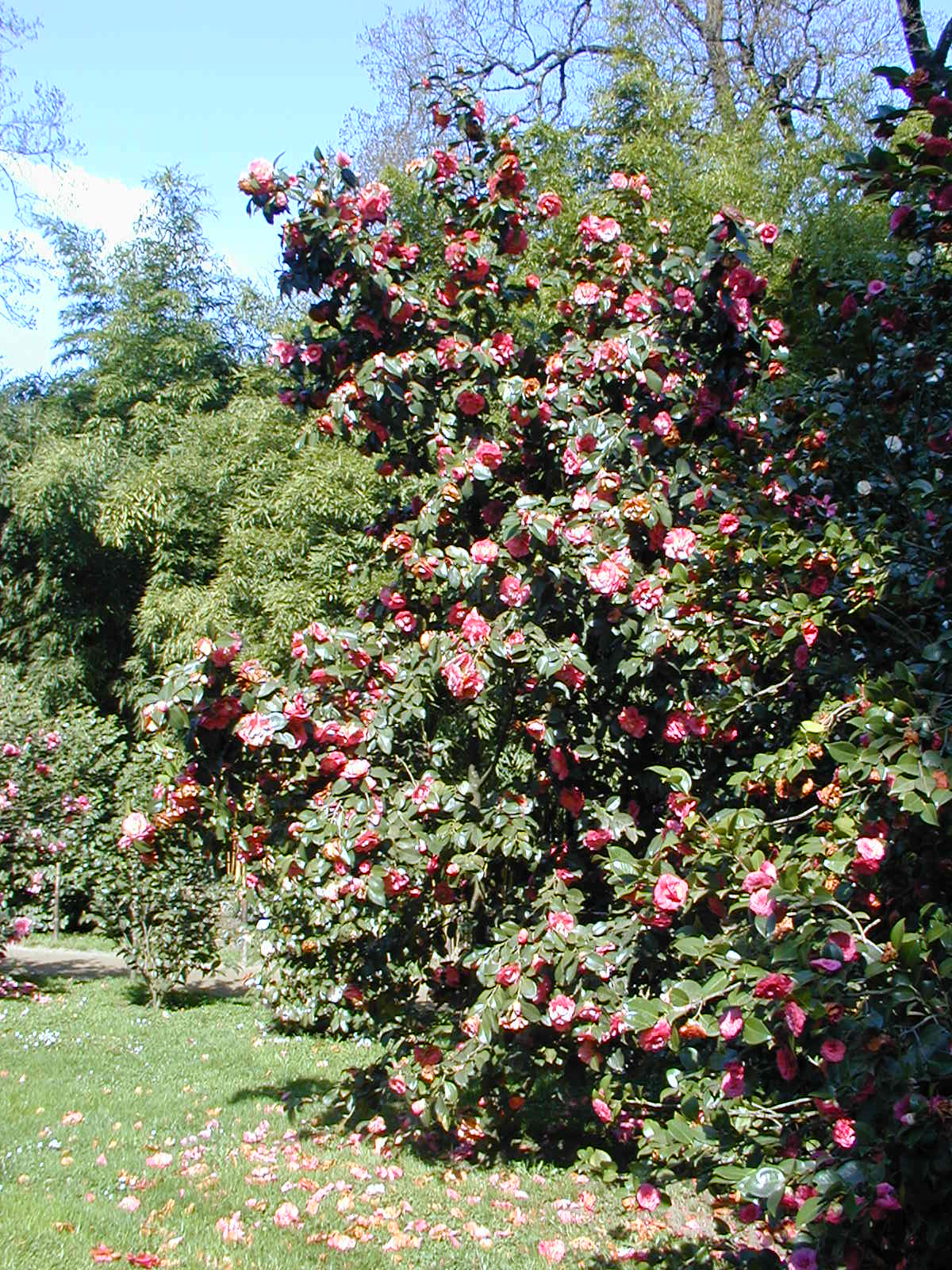 Camellia japonica flowers at Tokyo Metropolitan Oshima Park
Tokyo Metropolitan Oshima Park is a multifaceted natural park established in 1938 on Izu Oshima Island, located approximately 120 kilometers from Tokyo in the Fuji-Hakone-Izu National Park. 🔗 The park encompasses 3.27 square kilometers divided into two main areas: the Oshima Park area (featuring a zoo, camellia garden, and museum) and the Goze River area (Umi no Furusato Mura) for extended stays. 🔗
The park was designated as an International Camellia Garden of Excellence in 2016 by the International Camellia Society, housing one of Japan's largest camellia collections with approximately 3,200 cultivated trees representing around 1,000 species and cultivars, plus 5,000 wild Camellia japonica trees. 🔗
Cultural & Historical Significance
Comprehensive Park History and Cultural Context
Tokyo Metropolitan Oshima Park was established in 1938 during the pre-war Showa period, with its camellia collection beginning around 1940. 🔗 The park leverages Oshima Island's unique natural environment, including volcanic landscapes, coastlines, and evergreen forests shaped by centuries of camellia cultivation heritage. 🔗
The park's cultural significance extends far beyond ornamental gardens. Izu Oshima Island is home to approximately three million camellia trees that have sustained island communities for generations through camellia oil production, windbreak forestry for crop protection, and traditional cultural practices. 🔗 The camellia oil industry, epitomized by the famous Oshima Tsubaki brand founded in 1927 by Shunichi Okada, represents a profound connection between islanders and their natural environment—it takes 20-30 years before camellia plants produce harvestable seeds, and one tablespoon of oil requires 45 camellia seeds extracted through time-honored pressed expression methods. 🔗
In 1989, the park enhanced its educational mission by opening the Camellia Pavilion with a dedicated Camellia Museum, providing comprehensive information on camellia cultivation, industrial use, traditional Japanese cultural significance, and scientific knowledge. 🔗 The 2016 International Camellia Garden of Excellence designation recognizes the park's role in camellia conservation, education, and cultural preservation.
The Collection: World-Class Camellia Diversity
The camellia garden houses approximately 3,200 cultivated specimens representing around 1,000 species and cultivars, complemented by about 5,000 wild Camellia japonica (yabu-tsubaki) trees throughout the surrounding forests. 🔗 This collection ranks among Japan's largest and most diverse camellia gardens.
The garden is thoughtfully organized into 9 specialized zones: 🔗
- Foreign Cultivars Zone: Western cultivars from Europe and America
- Color-Sorted Zones: Dedicated areas for red, white, yellow (rare kinkacha), purple, black, and pink varieties
- Exhibition Greenhouse: Open during Camellia Festival (late January-late March), featuring fragrant camellias, foreign species, and European cultivars
- Cultural Heritage Zones: Displaying traditional Japanese varieties and tea ceremony camellias
- Wild Yabu-tsubaki Zones: Native Oshima Island camellias demonstrating natural diversity
Among the vast collection, two symbolic cultivars welcome visitors at the entrance during the Camellia Festival: 'Akashigata' and 'Oniji', both known for their large, spectacular flowers. 🔗
Visiting Information
Operating Hours:
- Zoo: 9:00 AM - 5:00 PM daily 🔗
- Camellia Exhibition Hall (Museum): 8:30 AM - 4:30 PM daily 🔗
- Camellia Exhibition Greenhouse: 9:00 AM - 4:00 PM (during Camellia Festival: late January-late March) 🔗
- Park Grounds: Open 365 days a year 🔗
Admission: FREE (zoo, camellia garden, museum, hiking trails) 🔗
Access:
- From Motomachi Port: Oshima Park Line Bus approximately once per hour, under 20 minutes travel time 🔗
- Bus Stop: "Oshima Park (大島公園)" - Located directly in front of the Tsubaki Garden and across from the museum 🔗
- From Okata Port: Approximately 12 minutes driving time 🔗
- From Oshima Airport: 15 minutes by car/taxi 🔗
- Bus Fares: Range from 130 to 940 yen depending on distance, with half-price fares for disabled persons and caregivers 🔗
Accessibility: Non-step accessible buses available, wheelchair-accessible restrooms in both the Camellia Garden and parking lot 🔗
Current Status: Open year-round with no reported closures or renovations. November 2025 falls outside the Camellia Festival period (late January-late March), meaning the exhibition greenhouse may have limited hours, but all other facilities operate normally. 🔗
The Park Experience
Camellia Garden (November-Specific Features)
While camellias primarily bloom January-April with peak in late February-March, 🔗 November visitors can experience:
Early-Blooming Varieties:
- Traditional tea ceremony camellias (wabisuke and wabi-shin cultivars) begin flowering around November 🔗
- Rare yellow camellias (kinkacha) can be studied in the off-season 🔗
- Symbolic cultivars 'Akashigata' and 'Oniji' entrance displays showcase the diversity of camellia forms 🔗

Garden Architecture & Design:
- Walk the meticulously maintained paths through 9 specialized zones
- Appreciate the garden's layout and structure in preparation for the upcoming blooming season
- Educational signage and interpretive areas throughout the garden explain camellia varieties visible year-round 🔗
Camellia Culture Deep-Dive (November Seed Harvesting Season)
November is actually the seed harvesting season (September-November) for camellia oil production, 🔗 offering unique insights into:
- Seed Collection Process: Observe or learn about traditional seed harvesting methods
- Oil Production Heritage: Understanding the 20-30 year cultivation cycle and the intensive labor required to produce camellia oil (45 seeds per tablespoon) 🔗
- Museum Seed Display: Interactive exhibit allowing visitors to handle and take home camellia seeds 🔗
- Cultural Significance: Learn how camellia oil production has sustained island communities since at least 1927 through the famous Oshima Tsubaki brand 🔗
The Camellia Museum: Cultural Education Center
The Tsubaki Museum, located at Fukuju Senzu, Oshima-machi 100-0103, Tokyo, serves as the educational heart of the park. 🔗 The museum provides comprehensive exhibits covering:
- Botanical Science: Easy-to-understand explanations of camellia varieties, flower shapes, and color genetics 🔗
- Cultural History: The camellia's significance in Japanese art, tea ceremony, and cultural traditions
- Industrial Heritage: Traditional camellia oil production methods and their modern applications
- Dried Specimen Collection: All varieties grown on the island preserved in dried form for year-round study 🔗
- Seed Display: Interactive corner where visitors can examine and take home camellia seeds to understand oil production heritage 🔗
The museum is particularly valuable for November visitors as it provides deep cultural context and appreciation for camellia culture even outside the peak blooming season.
Oshima Park Zoo (Free Admission)
The park's free zoo features approximately 50 species in naturalistic settings that blend seamlessly with the surrounding environment: 🔗
Featured Animals:
- Giant African tortoises
- Barbary sheep
- Ocean-view camel 🔗
- Red pandas
- Walk-through Flying Cage housing 15 bird species among native camellias and Oshima Cherry trees 🔗
Visitor Experience:
- Weekend Interactivity: Every Saturday and Sunday, 11:00 AM-12:00 PM, small animal interaction events 🔗
- Dining: Ramen shop within zoo grounds 🔗
- Animal Welfare: Reviews consistently note that animals are well-cared for 🔗
- Family-Friendly: Free admission makes this an excellent value for families visiting the island
5.5km Coastal Hiking Trail
The seaside nature trail offers spectacular coastal scenery and botanical diversity: 🔗
Trail Characteristics:
- Total Distance: 5.5 kilometers
- Duration: Approximately 3 hours to complete full trail 🔗
- Difficulty: Easy to moderate (coastal path with some elevation changes to pine forest area)
- Route: Follows coastline before heading into pine forest areas with splendid views 🔗
Trail Features:
- White Sandy Beaches with Green Pines: The pine forest section was rated in Japan's top 100 "white sandy beaches with green pine trees" 🔗
- National Natural Monument: Part of the seaside plant community has been designated a national natural monument 🔗
- Marine Views: Blue sea vistas and wild reef observations throughout the coastal sections 🔗
- Botanical Diversity: Seaside plant communities including Juniperus lutchuensis, Japanese cheesewood, and Rhaphiolepis umbellata 🔗
- Wildlife Observation: Various plant communities and animals along the trail
- Historic Landmarks: Remains of historic sites encountered during the walk 🔗
November Hiking Advantages:
- Optimal Weather: Clear autumn conditions with temperatures of 15-22°C (59-72°F) 🔗
- Excellent Visibility: Autumn clarity provides stunning coastal and mountain views
- Comfortable Temperatures: Ideal for extended hiking without summer heat or winter cold
- Fall Colors: Potential autumn foliage in forested sections
Practical Visiting Tips
November Seasonal Considerations
Weather & Conditions:
- Temperature Range: 15-22°C (59-72°F) - comfortable for outdoor activities 🔗
- Visibility: Autumn season offers clear views with minimal haze, excellent for coastal trail photography
- Crowds: Significantly fewer visitors than peak camellia season (February-March), allowing peaceful garden exploration
- Rain: November in the Izu Islands can have occasional rain; bring weather-appropriate gear
November-Specific Activities:
- Camellia Seed Harvesting Season: September-November is when camellia seeds are collected for oil production 🔗
- Educational Focus: Without peak blooming crowds, more intimate museum and garden educational experiences
- Early Blooming Observation: Wabisuke tea ceremony camellias begin flowering 🔗
- Wildlife Observation: Zoo and coastal trail wildlife viewing in comfortable autumn temperatures
- Photography: Clear autumn light ideal for landscape and botanical photography
Recommended Visit Schedule
Suggested Visit Schedule:
- Early Morning: Take first ferry/flight to Oshima Island
- Mid-Morning (9:00-11:00 AM): Museum and camellia garden exploration (focus on early bloomers and educational exhibits)
- Midday (11:00 AM-12:30 PM): Zoo visit, possibly catching weekend animal interaction event (Sat/Sun 11:00 AM-12:00 PM)
- Lunch (12:30-1:30 PM): Ramen shop in zoo or pack picnic for coastal trail
- Afternoon (1:30-4:30 PM): Coastal hiking trail (full 5.5km for 3 hours, or partial trail if time limited)
- Late Afternoon: Return ferry/flight to Tokyo
Day Trip Feasibility:
- Ferry Option: 2-hour high-speed ferry from Tokyo 🔗
- Flight Option: 25-minute flight for quicker access 🔗
- Day Trip Possible: Requires early departure and late return for full park exploration
- Overnight Recommendation: Consider staying one night to fully experience park, coastal trail, and other island attractions without rushed schedule
Best Photo Spots
- Camellia Garden Entrance: Symbolic 'Akashigata' and 'Oniji' cultivar displays 🔗
- Yellow Camellia Zone: Rare kinkacha (yellow camellias) unique to the collection 🔗
- Coastal Trail Pine Forest: Top 100 rated "white sandy beaches with green pines" section 🔗
- Ocean-View Camel Enclosure: Unique zoo photo opportunity with coastal backdrop 🔗
- Museum Interior: Dried camellia specimen displays and cultural exhibits
- Coastal Viewpoints: Blue sea and wild reef vistas along the trail 🔗
Optimal Photography Times:
- Morning (8:30-10:30 AM): Soft light on coastal trail, museum opens at 8:30 AM for early access
- Late Afternoon (3:00-4:30 PM): Golden hour light on pine forests and coastal landscapes
- Overcast Days: Ideal for close-up botanical photography without harsh shadows
Money-Saving Options
- All Park Facilities FREE: Zoo, camellia garden, museum, hiking trails require no admission 🔗
- Pack Lunch: Bring picnic to enjoy in park rather than relying on zoo ramen shop
- Bus Transport: Use Oshima Park Line bus (130-940 yen) instead of taxi 🔗
- Picnic Areas: "Plenty of places to relax and eat a picnic" throughout park grounds 🔗
- Museum Souvenirs: Camellia seeds available free at museum seed display corner 🔗
Local Etiquette
- Camellia Appreciation: While flowers won't be blooming, treat garden with respect as this is a Garden of Excellence with international recognition
- Museum Protocol: Photography may be restricted in certain museum exhibits; check signage
- Zoo Interactions: Participate in weekend animal interaction events (Sat/Sun 11:00 AM-12:00 PM) only if comfortable with crowds 🔗
- Trail Conservation: Stay on marked coastal trail to protect national natural monument plant communities 🔗
- Seed Collection: While museum offers seeds, do not collect seeds from garden plants without permission
Weather and Seasonal Preparation
November Packing Essentials:
- Layered Clothing: Temperatures range 15-22°C; bring light jacket for morning/evening 🔗
- Rain Gear: November can have occasional showers; pack compact rain jacket or umbrella
- Comfortable Walking Shoes: Essential for 5.5km coastal trail with varied terrain
- Sun Protection: Clear autumn weather means strong sun; bring sunscreen and hat
- Water Bottle: 3-hour coastal trail requires hydration
- Camera Equipment: Clear visibility ideal for landscape photography
Physical Preparation:
- Coastal Trail Fitness: 5.5km, 3-hour trail with some elevation changes; moderate fitness sufficient
- Alternative: Partial trail exploration possible if full 5.5km seems challenging
- Zoo Walking: Extensive grounds require comfortable footwear
- Garden Accessibility: Paved paths through camellia garden suitable for most mobility levels
Connections with Other Locations
Tokyo Day Trip Context: As a day trip from Shibuya (House YOYOGI Park accommodation), Oshima Park represents a unique escape from Tokyo urban environment to experience volcanic island ecology, camellia cultural heritage, free attractions, and November educational focus during off-peak season.
Other Oshima Island Gardens of Excellence: Oshima Island is home to three International Camellia Gardens of Excellence: 🔗
- Tokyo Metropolitan Oshima Park
- Tokyo Metropolitan Oshima High School Camellia Garden
- Tsubaki-Hana Garden
Complementary Oshima Experiences:
- Mt. Mihara (758m): Active volcano with hiking trails and observatory
- Ura-Sabaku (Black Desert): Japan's only designated desert, volcanic landscape
- Seaside Onsen: Hama-no-Yu and Oshima Onsen Hotel for post-hiking relaxation
- Bekko-zushi: Traditional island culinary specialty featuring pickled vegetables
Multi-Destination Integration:
- Izu Peninsula Connection: Oshima Island is 25km from Izu Peninsula, potential connection if exploring that region
- Island-Hopping: Part of Izu Islands chain accessible from Tokyo
- Ferry as Experience: 2-hour high-speed ferry journey itself offers ocean scenery 🔗
Location: View on Google Maps
Source: attractions/ooshima/tokyo-metropolitan-oshima-park.md