
About
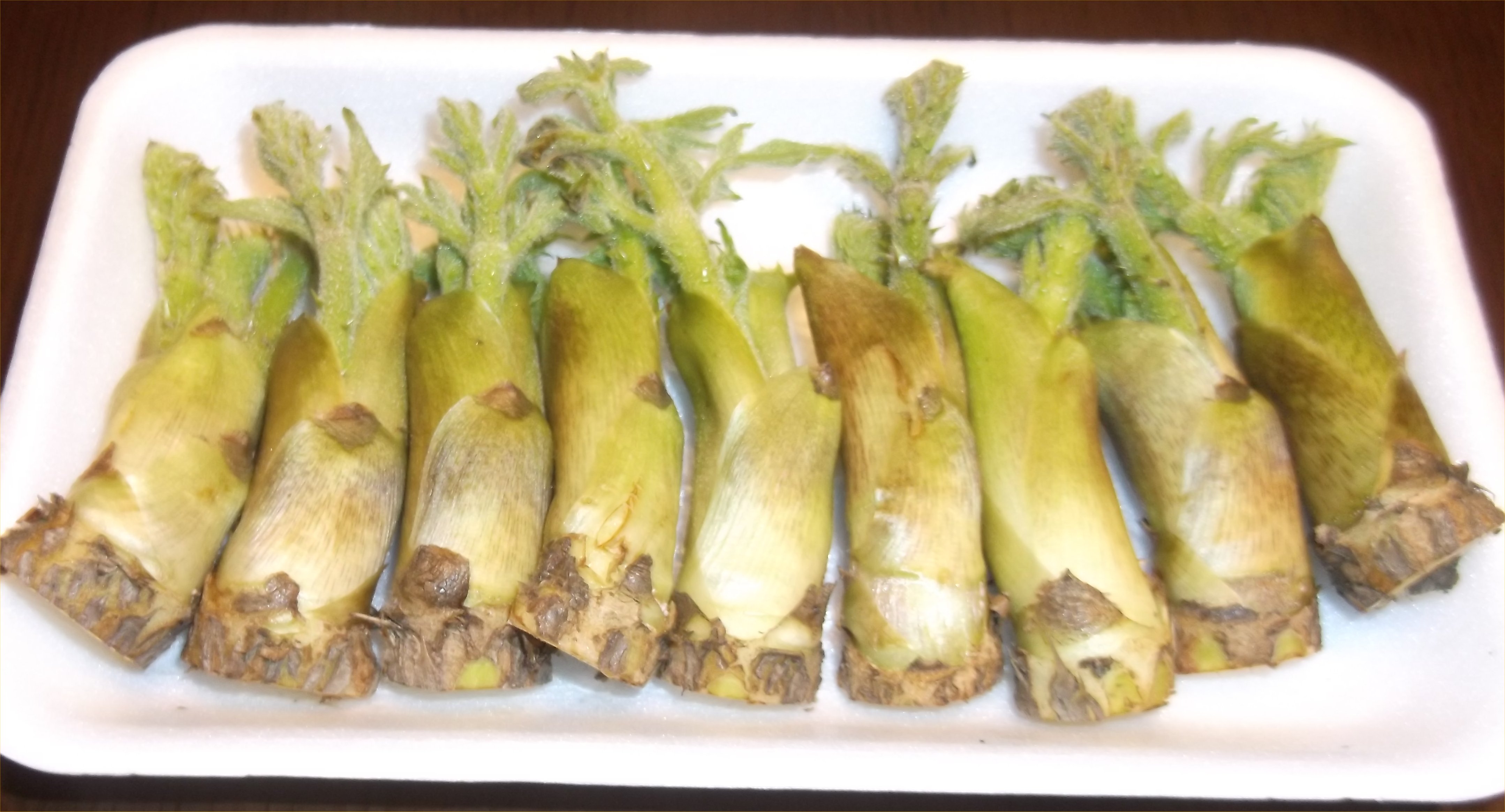 Traditional Japanese mountain vegetable preparation showing seasonal sansai cuisine
Traditional Mountain Vegetable Cuisine, known as sansai ryori (山菜料理), represents one of Japan's most profound culinary traditions, born from the necessity of mountain survival and elevated through Buddhist spiritual practices. This cuisine is deeply intertwined with Shojin Ryori (精進料理), Japanese Buddhist vegetarian cuisine that transforms wild foraged ingredients into mindful, spiritually significant meals. 🔗
While traditionally associated with spring's bitter shoots and buds, autumn mountain vegetable cuisine focuses on different treasures: wild mushrooms (kinoko), chestnuts (kuri), and mountain yams (jinenjo). In Takayama, this tradition has been preserved for over 250 years through establishments like Kakusho restaurant, housed in cultural heritage buildings that maintain the authentic practices passed down through generations. 🔗
Cultural & Religious Significance
The cuisine embodies the Buddhist philosophy of ahimsa (non-violence), utilizing only plant-based ingredients while following the "Rule of Five" - balancing five colors, five flavors, and five cooking methods in each meal. This creates nutritionally complete and harmoniously balanced dishes that reflect deep respect for nature's bounty and the seasonal cycle of life. 🔗
Traditional preparation methods represent centuries of cultural preservation, with ichimotsu zentai principle of using whole ingredients to minimize waste. The practice bridges cultural understanding between spiritual traditions, seasonal awareness, and sustainable mountain living practices that define Hida region identity. 🔗
Visiting Information
Kakusho Restaurant:
- Historic building designated as cultural property
- Location: 5-minute walk from Takayama old town
- Features: Multi-course vegetarian meals in 250-year-old cultural heritage building with designated gardens
- Specialties: Locally grown Hida-Takayama vegetables combined with preserved mountain foods like walnuts and dried ferns 🔗
Suzuya Restaurant:
- Location: Takayamashi Hanakawamachi 24, traditional building in historic district since 1961
- Specialties: Mountain vegetable hot pot combining edible wild plants, mushrooms, vegetables, and konnyaku with traditional miso preparation 🔗
Sumikyu Restaurant:
- Location: 45 Uramachi, Takayama, tucked in alley near main old town
- Specialties: Michelin-recommended sansai zaru soba served cold on magnolia leaves, topped with traditional mountain vegetables
- Operating notes: Closes when daily-made soba is sold out 🔗
The Experience
Traditional Kaiseki Experience at Kakusho features multi-course vegetarian meals in 250-year-old cultural heritage building with designated gardens, featuring locally grown Hida-Takayama vegetables combined with preserved mountain foods like walnuts and dried ferns. The experience emphasizes seasonal significance and connection to nature's cycles through Buddhist dining principles. 🔗
Seasonal Soba Experience at Sumikyu offers Michelin-recommended sansai zaru soba served cold on magnolia leaves, topped with traditional mountain vegetables including ferns, wild mushrooms, bamboo shoots, greens, radish puree, and quail egg. The presentation demonstrates traditional preservation methods and seasonal awareness. 🔗
October Seasonal Highlights:
- Peak harvest season for Hida apples (famous for concentrated sweetness due to cold mountain temperatures)
- Wild mushroom foraging season featuring various kinoko varieties with deep umami flavors
- Chestnut (kuri) preparations including Kuriyose (red bean jelly with chestnut) and Kurikindo (mashed chestnut confection)
- Sukuna pumpkin specialties in puddings and cheesecakes 🔗
Practical Visiting Tips
Cultural Preparation:
- Learn basic Buddhist dining etiquette - express gratitude before and after meals
- Understand ichimotsu zentai principle of using whole ingredients to minimize waste
- Appreciate the seasonal significance and connection to nature's cycles
- Buddhist vegetarian cuisine carries spiritual significance beyond mere dietary preference 🔗
Practical Dining Advice:
- Reservations essential for fine dining establishments like Kakusho
- Cash preferred at traditional venues
- No English menus common - rely on helpful staff explanations
- Experience the natural bitterness and astringency as intended cultural elements 🔗
Seasonal Optimization:
- Focus on autumn-specific preparations: Kinoko Gohan (mushroom rice), Kurigohan (chestnut rice)
- Sample traditional preservation methods: pickled mountain vegetables demonstrating winter survival techniques
- Try tempura preparations that soften natural astringency of wild plants
- Morning markets (8 AM - noon daily) showcase seasonal autumn produce including Hida apples, chestnuts, wild mushrooms, and traditional pickled mountain vegetables 🔗
Location: View on Google Maps
Source: attractions/takayama/traditional-mountain-vegetable-cuisine.md