
About
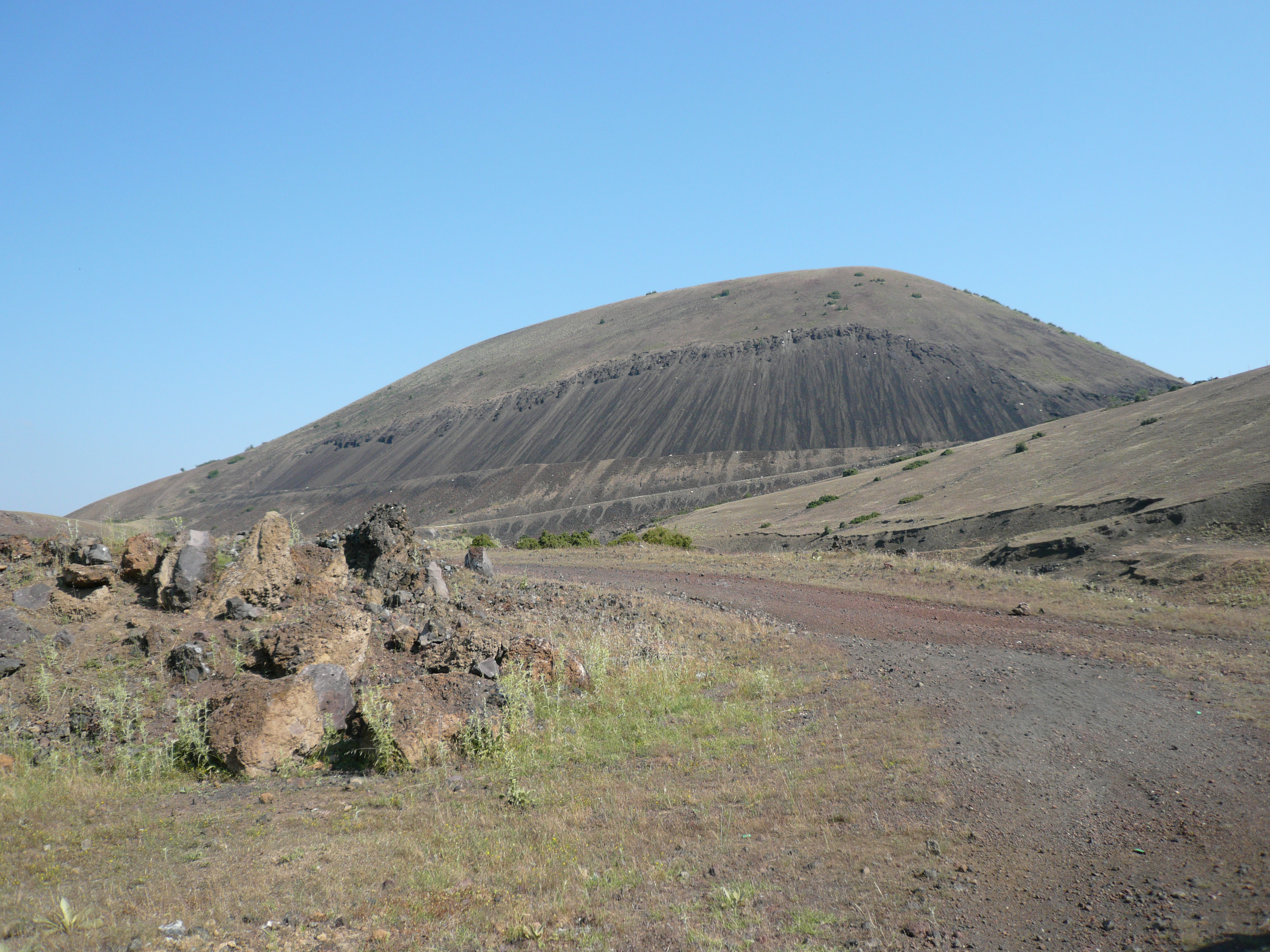 Representative black volcanic scoria landscape similar to Ura-Sabaku's moon-like desert terrain
Ura-Sabaku (裏砂漠) is Japan's only officially designated desert, located on the northeast side of Mt. Mihara on Izu Oshima Island. This extraordinary lunar-like landscape covers the volcanic slopes in a blanket of black scoria and volcanic ash, creating an otherworldly environment unique in Japan. The desert holds the distinction of being the only place marked as "desert" on maps prepared by the Geospatial Information Authority of Japan. 🔗
November offers excellent conditions for desert exploration with mild temperatures (17°C daytime), lower humidity than summer months, and potential for clear views of Mt. Fuji from the volcanic landscape. The typhoon season concludes in November, providing more stable weather patterns for hiking. 🔗
Cultural & Geological Significance
Ura-Sabaku is an extraordinary volcanic desert formed by the accumulation of fine lava, scoria, and volcanic ash from Mt. Mihara's repeated eruptions over centuries. The desert's formation is driven by Izu Oshima's persistent southwest winds, which carry volcanic material to the northeast side of the crater with each eruption, depositing thick layers of ash. 🔗
Even during non-eruptive periods, strong winds and rainwater constantly reshape the surface, preventing plant seeds and shoots from establishing themselves, thus preserving the stark black desert landscape indefinitely. 🔗
The ground is covered in scoria—small, porous black volcanic rocks that create a granular "black sand" surface. Tephra layers (volcanic ash-based sediments) from individual eruptions spanning 100 to 150 years are stacked in the landscape, forming beautiful striped patterns visible in exposed areas around the desert. 🔗
Geopark Status and Educational Value
Ura-Sabaku is a key geological site within the Izu Oshima Geopark, which has been certified as a Japan Geopark—part of a UNESCO-supported initiative for places where visitors can learn about the relationship between Earth and life. 🔗 The desert serves as an outdoor classroom for understanding volcanic processes, wind erosion, and the extreme conditions that prevent vegetation establishment.
The area is designated as a special protected area within Fuji-Hakone-Izu National Park, ensuring its preservation for future generations. This protection status reflects both its geological uniqueness and its cultural significance to Japan's natural heritage. 🔗
Visiting Information
Access:
- By Car: Approximately 45 minutes drive from Motomachi Port to the Ura-Sabaku parking area via the "Moon and Desert Line" scenic road 🔗
- From Parking: 10-minute walk through a wooded area to the "First Observatory" viewing point 🔗
- Vehicle Restrictions: The desert area itself is a special protected area—vehicles (cars, motorcycles, bicycles) are not allowed within the desert zone 🔗
Integration with Mt. Mihara Summit Hike: The desert can be explored as part of the Mt. Mihara Ohachi-meguri Course (summit trail loop), which is a moderate 3.9 mi (6.3 km) hike with 823 ft (251 m) elevation gain, taking approximately 2-2.5 hours to complete. Most visitors combine the desert exploration with the summit hike for a comprehensive volcanic experience lasting 3-4 hours total. 🔗
Operating Hours: No specific opening/closing hours—accessible during daylight hours as part of the national park 🔗
Admission: Free access to the desert area 🔗
Guided Tours Available:
- Ura-Sabaku Desert Half-Day Tour: 4 hours, ¥8,800 (tax included) 🔗
- Mt. Mihara and Ura-Sabaku Desert Full-Day Tour: 6 hours, ¥13,200 (tax included) 🔗
Best Time to Visit:
- Season: November offers ideal conditions with mild temperatures, lower humidity, and reduced typhoon risk
- Time of Day: Morning visits provide the best lighting for photography and clearer visibility for Mt. Fuji views. The black volcanic sand "glistens in the sun" during midday. 🔗
- Weather Dependency: Visit on clear days for best visibility and views—heavy fog can compress vision significantly 🔗
Current Status: Open and accessible. Mt. Mihara is an active volcano with ongoing monitoring, but the desert area remains safe for visitors during normal volcanic activity levels. 🔗
The Otherworldly Landscape Experience
Visitors consistently describe Ura-Sabaku as feeling "like being on the moon" or "stepping on extraterrestrial land." One visitor recounted initially thinking this comparison was marketing hyperbole, but upon arrival found "the landscape was black and there was almost no sound. It was so quiet and the color so unnatural that indeed seemed like stepping on extraterrestrial land." 🔗
The desert is described as "as close to a moonscape that I can imagine" with "black volcanic sand really glistens in the sun and the water in the distance is a stark azure shade." 🔗 The stark contrast between the lifeless black terrain and the vibrant blue ocean visible in the distance creates a surreal visual experience.
Sensory Experience
Sound: The desert offers an almost complete absence of sound—an eerie silence broken only by the crunch of volcanic sand beneath your feet. When walking on Ura-Sabaku, "the ground crunches and squeaks beneath your feet, like walking across the surface of a distant moon." 🔗
Visual: The black scoria creates patterns and textures across the landscape, with exposed tephra layers showing beautiful striped patterns from successive volcanic eruptions. Volcanic gases occasionally drift across the terrain, adding to the otherworldly atmosphere. 🔗
Tactile: The volcanic sand is notably slippery—visitors must be careful when walking uphill through the scoria. The granular lava shifts underfoot, creating a unique hiking experience unlike traditional mountain trails. 🔗
Mt. Fuji Views
On clear days, Mt. Fuji is visible from the desert and Mt. Mihara summit, providing a spectacular backdrop to the volcanic landscape. 🔗 November weather patterns often provide excellent visibility for this iconic view, especially during morning hours.
Trail Options
Oshima Onsen Hotel Trail: A recommended model course that takes visitors on a walk around the Mt. Mihara summit, stopping by Ura-Sabaku Desert, and ending at Oshima Onsen Hotel. 🔗
Texas Trail: An alternative route through the desert area. 🔗
Ohachi-meguri Course: The summit trail loop that incorporates desert views with the volcanic crater rim walk. 🔗
Practical Visiting Tips
November Weather Conditions:
- Temperature: Average high of 65°F (19°C), average low of 60°F (15°C) 🔗
- Wind Conditions: "Mildly cool and slightly windy" conditions typical for November. The desert is particularly windy due to its exposed volcanic slope location—bring warm layers even if temperatures seem mild. 🔗
- Clothing Recommendations: "On an early November day, you might even be comfortable in a T-shirt—but there's a good chance you'll want a sweater with a jacket over it." Layering is essential for adapting to changing conditions during the hike. 🔗
Photography Best Practices:
- Lighting: November sun angle provides excellent lighting for capturing the textured volcanic landscape, especially during morning "golden hour" (6:30-8:30 AM) and late afternoon (3:30-5:00 PM)
- Contrast: The black desert against blue skies creates dramatic photographic opportunities. The stark color contrast is most pronounced on clear, sunny days
- Mt. Fuji Backdrop: Clear November days offer some of the best opportunities for capturing Mt. Fuji in the background of desert landscape photos
Physical Requirements and Safety:
- Difficulty Level: Moderate hiking with some challenges. Mt. Mihara summit hike is "not steep and can be easily climbed without strenuous effort," but desert terrain volcanic sand is "quite slippery"—careful footing required, especially on slopes 🔗
- Footwear: Sturdy hiking boots with good ankle support recommended due to slippery scoria and uneven volcanic terrain
- Sun Protection: Limited shade in the desert area—bring sunscreen, hat, and sunglasses even in November. The black volcanic surface can intensify sun reflection
- Hydration: Bring sufficient water for your intended hiking duration. No water sources available in the desert area
Cultural Etiquette and Environmental Preservation:
- Ura-Sabaku is designated as a special protected area within Fuji-Hakone-Izu National Park 🔗
- Stay on designated trails
- Do not remove volcanic rocks or materials as souvenirs
- Pack out all trash
- No vehicles beyond parking area boundaries
- Practice strict leave-no-trace principles to preserve this unique landscape
Location: View on Google Maps
Source: attractions/ooshima/ura-sabaku-black-desert.md