
About
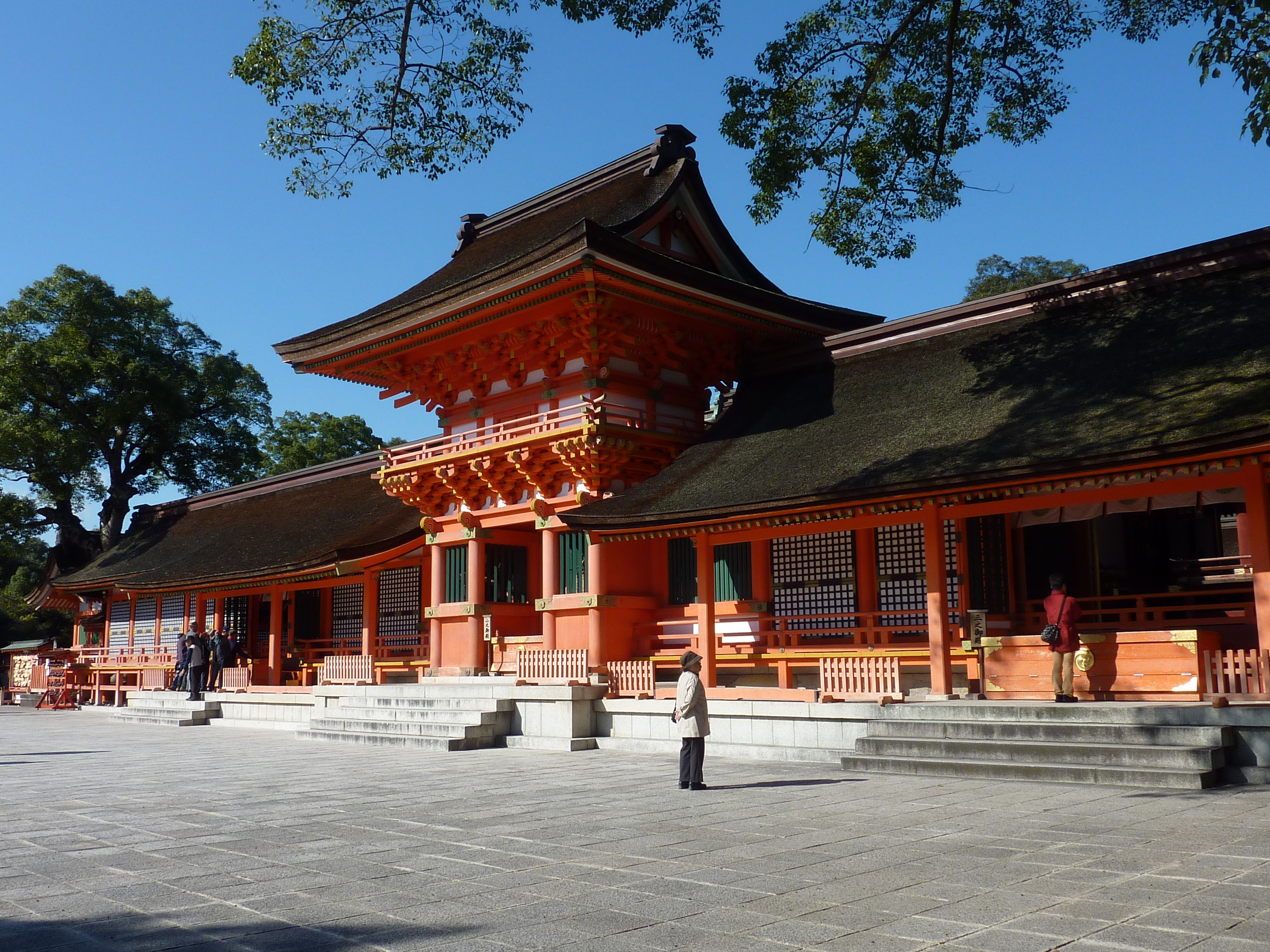 The vermillion southern rōmon (gate) at Usa Jingu, one of Japan's most prestigious shrines
Usa Jingu (宇佐神宮), also known as Usa Hachimangū, is one of Japan's most prestigious Shinto shrines, serving as the head shrine for over 40,000 Hachiman shrines throughout the country. Founded in 725 CE during the Jinki era, this 1,300-year-old shrine is second in prestige only to Ise Grand Shrine and has maintained deep connections with the Imperial family throughout its history. 🔗
As the birthplace of Hachiman worship—the deification of Emperor Ojin as the tutelary god of warriors—this shrine established the prototype for over 40,000 branch shrines across Japan, making Hachiman shrines the most numerous category of Shinto shrines in the country. 🔗
Cultural & Religious Significance
Usa Jingu represents a unique confluence of religious and cultural significance in Japanese history. In 779 CE, a Buddhist temple called Miroku-ji was built adjacent to the shrine, creating what is believed to be Japan's first shrine-temple (jingū-ji) complex. This pioneering synthesis of Shinto and Buddhism, known as shinbutsu-shūgō, lasted over a millennium until the Meiji Restoration of 1868. 🔗
The architectural highlight is the main hall (honden), designated a National Treasure and built in the distinctive Hachiman-zukuri style. This architectural approach features two parallel structures with gabled roofs connected to form a single building, essentially creating the prototype for Hachiman shrine architecture throughout Japan. 🔗
The expansive shrine complex consists of upper and lower shrine areas, each containing three main halls dedicated to Hachiman (Emperor Ojin), his mother (Empress Jingū), and his wife (Hime Ōkami). The grounds are enriched with sacred ponds, auxiliary buildings, stone lanterns lining the approach paths, and ancient forest groves that create a deeply spiritual atmosphere. 🔗
The vermillion-painted Kurehashi Bridge stands as one of the shrine's most remarkable features. Designated as an Important Tangible Cultural Property by Ōita Prefecture, this covered bridge was built in 1622 by Hosokawa Tadatoshi and remains closed except once every decade during the Rinji Hobeisai, when an imperial messenger (chokushi) makes a pilgrimage to the shrine. 🔗
Visiting Information
Access from Beppu
Train Access:
- JR Limited Express trains depart hourly from Beppu Station to Usa Station
- Journey time: 29 minutes
- Cost: ¥1,200-2,000 (covered by JR Pass) 🔗
From Usa Station to Usa Jingu:
- Bus: Hourly buses (7 minutes, ¥240 one way)
- Taxi: Approximately ¥1,600 one way
- Note: Bus schedules may not align with train arrivals; taxi more convenient 🔗
Total Journey Time from Beppu: Approximately 1 hour including connections
Practical Details
Hours: 6:00 AM-6:00 PM daily (some sources indicate 5:30 AM-9:00 PM) 🔗
Admission:
- Shrine grounds: Free
- Treasure Hall (Homotsukan): ¥300
- Treasure Hall hours: 9:00 AM-4:00 PM, closed Mondays and Tuesdays 🔗
Best Time to Visit:
- Season: Spring and autumn offer ideal weather
- November: Excellent with pleasant temperatures, comfortable walking, minimal crowds
- Time of Day: Early morning (6:00-8:00 AM) for peaceful atmosphere 🔗
Current Status: Shrine undergoing renovations for imperial envoy visit, but all facilities and grounds fully accessible 🔗
Parking:
- Omotesando Parking: 200 spaces (¥400 for 12 hours)
- Outer Garden Parking: 150 spaces (¥300 for 12 hours) 🔗
What to See and Do
Upper Shrine Complex (Jōgū)
The upper shrine area sits atop a hill accessed by stone steps lined with imposing stone lanterns. Three main halls (Ichino-goden, Nino-goden, Sanno-goden) enshrine Hachiman, Empress Jingū, and Hime Ōkami respectively. The National Treasure main hall showcases the distinctive Hachiman-zukuri architectural style with its unique double-structure design. 🔗
Lower Shrine Complex (Gegū)
At the base of the hill, three additional main halls mirror the upper shrine's dedication to the same three deities, creating a symmetrical sacred geography unique to Usa Jingu. This dual-shrine structure emphasizes the shrine's architectural and spiritual significance. 🔗
Kurehashi Bridge
This magnificent vermillion-lacquered covered bridge represents one of the shrine's most photographed features. Built in 1622, it crosses a sacred pond and remains closed to visitors except during the once-per-decade Rinji Hobeisai festival when imperial envoys cross it. The bridge exemplifies traditional Japanese craftsmanship and the shrine's imperial connections. 🔗
Sacred Camphor Tree
A massive ancient camphor tree stands near the main shrine hall, revered for its spiritual power. Local tradition holds that walking around the tree and touching it while making a wish will bring fulfillment. This practice reflects the enduring folk beliefs intertwined with formal Shinto practice. 🔗
Treasure Hall (Homotsukan)
The museum houses important cultural artifacts, religious objects, and historical documents that illuminate the shrine's 1,300-year history and its role in Japanese religious and political life. The collection includes items related to imperial visits and the shrine's relationship with the samurai class. 🔗
Omotesando Shopping District
The approach to the shrine features traditional shops selling local products, religious items, crafts, and souvenirs. This shopping street maintains an authentic atmosphere and offers insight into local commerce and pilgrimage culture. 🔗
Practical Visiting Tips
Unique Worship Custom
Usa Jingu follows a distinctive worship ritual different from standard Shinto practice. Instead of the typical "two bows, two claps, one bow" (ni-rei, ni-hakushu, ichi-rei), visitors at Usa Jingu perform "two bows, four claps, one bow" (ni-rei, shi-hakushu, ichi-rei). This unique custom reflects the shrine's special status and ancient traditions. 🔗
November Seasonal Considerations
Weather: November in Usa offers comfortable autumn temperatures ideal for exploring the extensive shrine grounds 🔗
Crowds: November falls outside major festival periods and peak pilgrimage seasons (New Year's is extremely crowded), ensuring a more contemplative visit 🔗
Autumn Colors: The forested setting displays subtle seasonal changes that enhance natural beauty 🔗
Photography Recommendations
Best Spots:
- Vermillion torii gate at main entrance with forest backdrop
- Kurehashi Bridge reflection in pond (exterior views only)
- Stone lantern-lined approach paths in morning or late afternoon light
- Upper shrine buildings from forecourt
- Forest paths around Hishigataike Pond 🔗
Lighting: Early morning (6:00-8:00 AM) and late afternoon (4:00-5:30 PM) provide best natural light
Restrictions: Photography generally permitted on grounds but prohibited inside shrine halls. The main sanctuary should not be photographed during prayers. 🔗
Crowd Avoidance
- Visit early morning (6:00-7:00 AM) for most peaceful experience
- Avoid New Year's period (Dec 31-Jan 3) when extremely crowded
- Weekdays in November quieter than weekends 🔗
Entry Routes
The shrine has two main entrances:
- North entrance: Main approach with shopping street
- West entrance: Features the famous Kurehashi Bridge viewpoint
Both routes offer different perspectives; consider entering one and exiting the other for complete experience. 🔗
Local Etiquette
- Walk on sides of approach paths, not center (reserved for kami/deities)
- Purify hands and mouth at temizuya (water pavilion) before approaching main shrines
- Bow when passing through torii gates
- Remove hats when praying at shrine halls
- Keep voices low and maintain respectful atmosphere
- Remember the unique four-clap worship method 🔗
Timing Within Itinerary
As a day trip from Beppu: Budget 3-4 hours total including:
- 1 hour round-trip train travel (Beppu ↔ Usa Station)
- 30 minutes local transport/waiting
- 1.5-2 hours at shrine
- 30 minutes buffer for connections
Optimal schedule:
- Depart Beppu: 8:00-9:00 AM
- Arrive Usa Jingu: 9:30-10:30 AM
- Explore shrine: 9:30 AM-12:00 PM
- Return to Beppu: Early afternoon (12:30-2:00 PM)
This timing allows for afternoon onsen relaxation in Beppu. 🔗
Integration with Beppu Visit
Usa Jingu complements the Beppu onsen experience by providing cultural and spiritual depth to a trip focused on natural hot springs. The shrine represents traditional Japanese religious architecture and practices, contrasting with Beppu's geothermal attractions and creating a well-rounded cultural itinerary. 🔗
Understanding Usa Jingu as the origin point of Hachiman worship enriches visits to other Hachiman shrines throughout Japan, including Tsurugaoka Hachimangū in Kamakura. Recognizing this shrine as the "headquarters" provides context for the widespread Hachiman shrine network. 🔗
Suitable for: Travelers interested in:
- Traditional Shinto architecture and religious sites
- Japanese cultural and spiritual heritage
- Imperial Japanese history
- Escaping purely touristy areas
- Comprehensive Kyushu cultural exploration
Best integrated as:
- Half-day morning excursion (depart Beppu 8:00 AM, return by 1:00 PM)
- Allows afternoon for Beppu onsen experiences
- Provides cultural variety to balance hot spring focus
- Accessible without car rental via JR Pass
Verdict for November 2-3 Beppu stay: Usa Jingu makes an excellent optional half-day excursion for culturally-minded travelers who want to explore beyond Beppu's famous hot springs. The convenient JR access, reasonable travel time (under 1 hour each way), and the shrine's exceptional cultural significance make it a worthwhile addition for those with interest in traditional Japanese religious architecture and history.
Location: View on Google Maps
Source: attractions/beppu/usa-shrine.md