
About
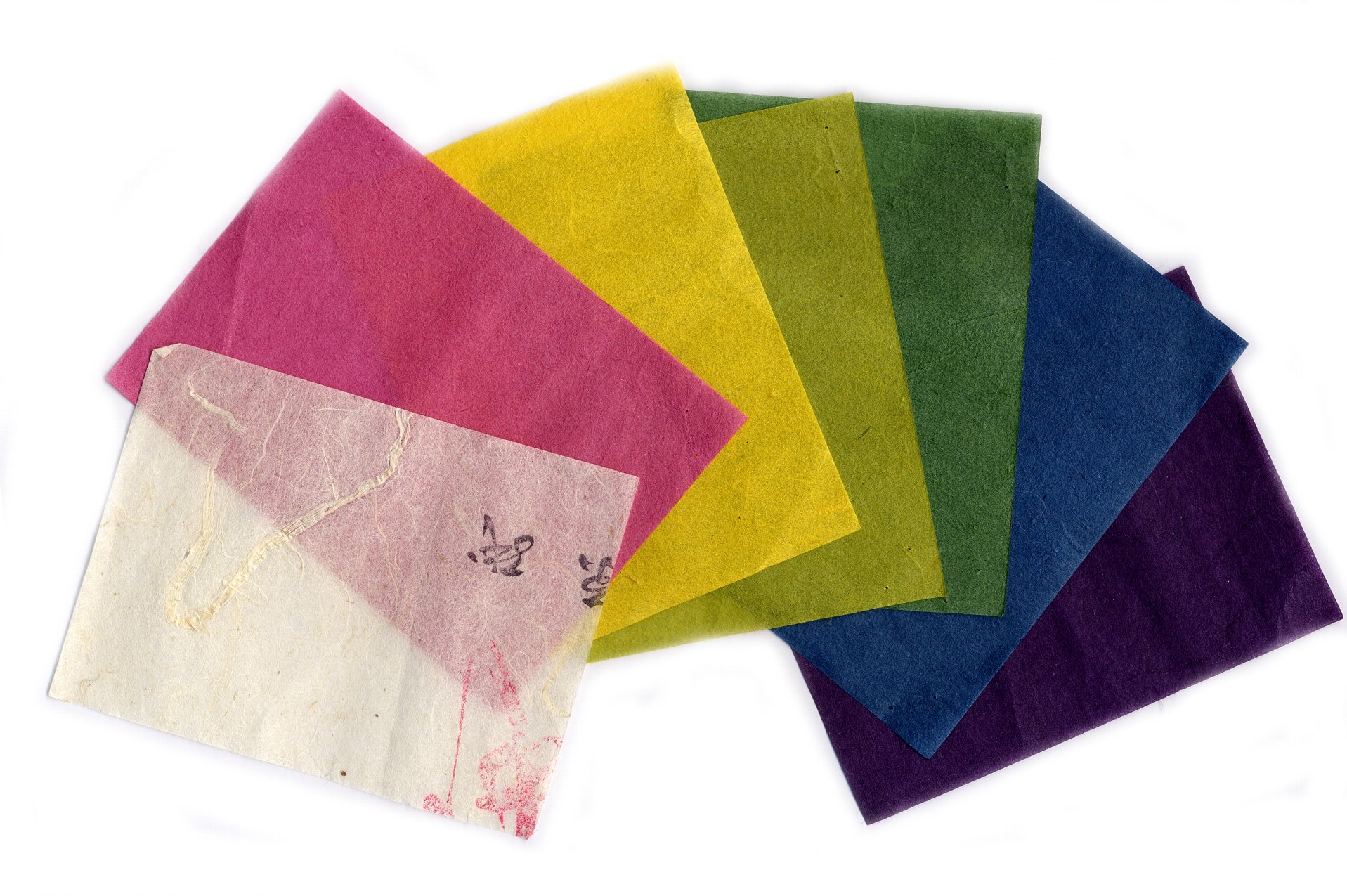 Traditional handmade washi paper showing the fine texture and quality characteristic of Japanese papermaking craftsmanship. Photo: Tomomarusan, CC BY-SA 3.0, via Wikimedia Commons 🔗
.JPG)
ShuzenjiGami is a traditional washi paper-making workshop in Shuzenji, Izu Peninsula, where visitors can experience the 1,000-year-old craft of handmade Japanese paper production. The workshop is led by Takuto Masuda, a modern craftsman working to revive the ancient art of Shuzenji paper-making that once served as the official paper of the Tokugawa shogunate. 🔗
Shuzenji has maintained an art of paper-making passed down through generations for 1,000 years, with washi production deeply rooted in the region's history. Once the official paper of the Tokugawa shogunate, Shuzenji's washi became nearly obsolete by the 20th century with the arrival of Western paper production. Recently, local communities have begun fighting to revive the craft of Shuzenji-gami, making this workshop a rare opportunity to experience and support a living cultural tradition. 🔗
Cultural & Historical Significance
The Mitsumata Tradition
ShuzenjiGami preserves the legacy of using the three-branched mitsumata tree (Edgeworthia chrysantha) as the primary raw material for paper-making. 🔗 Takuto Masuda, the proprietor, not only makes the paper but also grows his own mitsumata plants, ensuring complete control over the quality and authenticity of the traditional process. 🔗
Mitsumata produces fibers that are soft, absorbent, and insect resistant, forming a sponge-like network that creates exceptional paper. The highest quality mitsumata fibers are used in making the paper that Japanese bank notes are printed on. 🔗 The first mitsumata paper in Japanese history was a black-sealed document dated March 4, 1598 from Ieyasu Tokugawa to the Misu family, establishing the material's historical significance. 🔗
Historical Connection to Tokugawa Shogunate
Mitsumata paper-making (mitsumata-gami) began to be manufactured in Shuzenji (now the east side of Shizuoka Prefecture) and then spread to Suruga and Koshu regions. 🔗 The elevation of Shuzenji washi to become the official paper of the Tokugawa shogunate demonstrates the exceptional quality and cultural importance of this regional craft tradition.
UNESCO Cultural Heritage Context
Washi papermaking was inscribed on UNESCO's list of Intangible Cultural Heritage of Humanity in 2014. 🔗 The craft is transmitted through three levels: among families of washi craftspeople (working under master craftsmen who inherited techniques from parents), through preservation associations, and by local municipalities. 🔗
By participating in this workshop, visitors directly support the preservation and transmission of this 1,300-year-old craft tradition, making it more than just a tourist activity—it's active cultural preservation. Washi is used to repair historically valuable cultural properties, paintings, and books at museums and libraries around the world, including the Louvre and the Vatican Museums. 🔗 Some documents written on washi 1,000 years ago are still preserved today, demonstrating the exceptional durability of this traditional paper. 🔗
Visiting Information
Address: 937-9 Shuzenji, Izu-city, Shizuoka Prefecture (Shuzenji Washi Laboratory) Phone: 050-3699-4284 🔗 Hours: Requires advance booking; specific hours vary by season 🔗 Admission: ¥7,500 per person for English program 🔗 Payment: Cash or credit card accepted 🔗 Group Size: 2-15 people per workshop 🔗 Booking: Reservations must be made through booking form by the day before your visit 🔗
Cancellation Policy: 🔗
- 2-7 days before: 20% of total fee
- Previous day: 50% of total fee
- Same day: 100% of total fee (no cancellation available)
Getting There:
- From Shuzenji Station: Take bus to Shuzenji Onsen Station
- 5-minute walk from Shuzenji Onsen Station to the Washi Laboratory
- Total journey approximately 13 minutes, cost ¥260 🔗
- Alternative: Kamitani Washi Studio is located 5 minutes by car upstream from Shuzenji Onsen town 🔗
- Important: There is no designated parking lot at the location 🔗
Summer Special Program (July-September): During summer months, the hands-on washi workshop moves to SHUZENJI WASHI LABORATORY, and the regular program at Shuzenji Kamiya Washi Studio is suspended. During this period, you cannot take home the washi paper you make on the day, but receive a finished sheet of Shuzenji washi as a gift instead. 🔗
The Workshop Experience
The comprehensive workshop includes four main components: 🔗
- History of Shuzenji-Gami - Learn about the 1,000-year tradition and its connection to the Tokugawa shogunate
- Material Field Tour - See the mitsumata plants and understand the raw materials
- Making Process of Washi - Observe the complete traditional production process
- Hands-on Papermaking Experience - Create your own washi paper using traditional methods
The Nagashi-Zuki Method
Participants learn the nagashi-zuki method, the traditional Japanese papermaking technique developed around 805-809 CE. 🔗 This method involves drawing paper pulp into its solution in quick succession until it spreads evenly over a bamboo screen sieve. 🔗
The nagashi-zuki technique adds mucilage (neri) to suspend the fibers during sheet formation, allowing for stronger interlocking of long paper fibers and producing thinner, stronger paper than other methods. 🔗
What You'll Create
During the workshop, participants create their own handmade postcards (typically 4 pieces), which can be decorated with pressed flowers or leaves. 🔗 A few weeks after the experience, participants receive their handmade postcards in the mail, creating a lasting memento they can send to loved ones. 🔗
Note: During the summer special program, finished paper is provided as a gift rather than mailing the workshop creation. 🔗
November Visit Considerations
Weather: Comfortable indoor workshop environment, ideal for November when outdoor activities may be affected by cooler temperatures. Washi-making is traditionally the winter work of farmers, a task that supplemented agricultural income during colder months. 🔗 Visiting in November connects with this historical seasonal pattern, making the experience particularly authentic to the craft's traditional calendar.
Crowds: Moderate visitor levels; advance booking essential
Photography: Photos and filming are welcome in the workshop studio 🔗
Practical Visiting Tips
Cultural Etiquette
Workshop Behavior:
- Maintain focus during the hands-on experience; even slight mistakes can affect the quality of your paper 🔗
- Keep voice low and avoid interrupting others or the instructor 🔗
- Be respectful of the traditional craft; approach the experience with patience and care
Photography Guidelines:
- Photos and filming welcome in the workshop studio
- Always ask instructor before photographing specific techniques or proprietary processes
- Be mindful not to interrupt the workflow when taking photos
Booking Strategy
- Reserve at least one day in advance (required)
- Contact early if you need to cancel to avoid fees and allow others to book 🔗
- Confirm seasonal schedule variations, especially for summer program
What to Bring
- Camera for photos (permitted in workshop)
- Cash or credit card for payment
- Comfortable clothing suitable for hands-on craft work
- Curiosity about traditional Japanese craftsmanship
Time Management
- Allow 2 hours total (60-90 minutes workshop + buffer time)
- Plan arrival time accounting for 13-minute journey from Shuzenji Station
- No parking available; rely on public transportation or taxi
Visitor Experience Quality
Highly Positive Reviews: Visitors describe the workshop as "a highly educational and fun experience," particularly suitable for families with children. 🔗 Reviewers note that "it's incredible how much craftsmanship goes into this process and extremely rewarding to do it yourself." 🔗
Meeting the Craftsman: Takuto is described as "a young man attempting to bring back the ancient art," making it "a rare experience to be able to work hand in hand with" a modern craftsman preserving traditional techniques. 🔗 The workshop takes visitors through the laborious and fascinating process in Takuto's own workshop/factory. 🔗
Recommended For: "Absolutely anyone, but especially those that are interested in learning about Japan's history and many craftsman." 🔗
Last Workshop in Shuzenji Area
Shuzenji Gami Washi Workshop is the only shop left from what was once a thriving papermaking tradition on the Izu Peninsula. 🔗 This makes the experience particularly significant as you're witnessing and supporting the last active preservation of this local craft heritage.
Nearby Attractions
Shuzenji Temple - Founded in 807 CE by Kobo Daishi (same historical period when nagashi-zuki method was developed), this Zen Buddhist temple offers meditation classes and is the namesake of the town. 🔗
Shuzenji Onsen - One of the oldest and most famous hot spring resort towns on the Izu Peninsula, located within walking distance of the workshop. 🔗
Bamboo Forest & Bamboo Crafts - Traditional bamboo craftworks are a Shuzenji specialty, complementing the washi experience. 🔗
Tokko-no-yu - Historic public footbath in the center of Shuzenji Onsen, perfect for relaxing after the workshop.
Shuzenji Cultural Triangle
The washi workshop integrates beautifully with Shuzenji's other traditional crafts and historical sites:
- Morning: Shuzenji Temple visit and history orientation
- Midday: Washi-making workshop experience
- Afternoon: Explore bamboo forest and craft shops
- Evening: Relax in Shuzenji Onsen hot springs
Regional Craft Tourism
ShuzenjiGami represents one of several traditional crafts being revived in the Izu Peninsula, including bamboo crafts (takezaiku) and straw craft (mugiwara zaiku). 🔗 Visitors interested in traditional Japanese craftsmanship can create a comprehensive cultural itinerary throughout the region.
Location: View on Google Maps
Source: attractions/izu-peninsula/washi-paper-making-shuzenji.md