
About
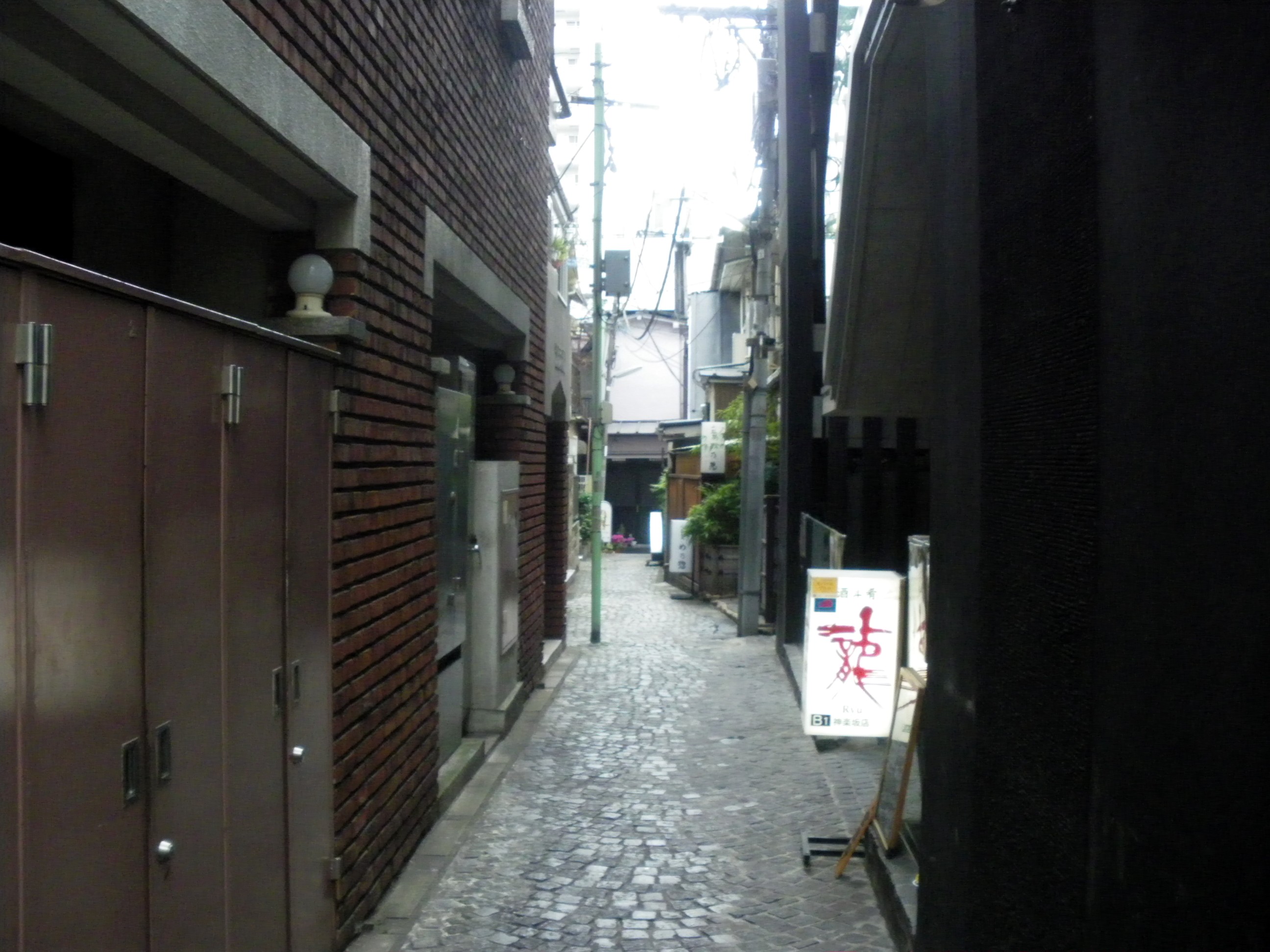 The historic 300-year-old cobblestone street of Yunohira Onsen lined with traditional ryokan and red lanterns
Yunohira Onsen is a tiny mountain village hidden in a narrow valley alongside the tumbling Kagono-gawa River, offering visitors a step back into an older time. 🔗 Located in Yufu City, Oita Prefecture, this authentic hot spring village has remained remarkably preserved for over 800 years since its founding in 1260 during the Kamakura period. 🔗
The village's defining feature is its historic stone-paved slope, built in 1727 during the Edo period by villagers under the direction of Sansuke Kudou, known as a "benefactor of irrigation." 🔗 This 500-meter cobblestone path spreads through the center of town, lined with traditional hot spring inns, souvenir shops, and five public bathhouses. 🔗 The cobblestone slopes are now recognized as part of Oita Heritage, highlighting their cultural and historical significance.
The village gained renewed attention for its atmospheric charm - so authentic that it's often used as a backdrop for film and TV productions. 🔗 In recent years, Yunohira is said to be the model for scenes in the animation "Suzume no Tojimari," and at night the red lanterns create a fantastic atmosphere reminiscent of "Spirited Away." 🔗
Cultural & Historical Significance
Yunohira Onsen represents one of Kyushu's most authentic hot spring villages, with 800 years of continuous operation since the Kamakura period. 🔗 The village's 300-year-old cobblestone slope, designated as Oita Heritage, was constructed using traditional engineering methods to create a durable pedestrian path through the mountain settlement. 🔗
In the 1920s and 1930s, Yunohira was a highly praised resort town for the very wealthy, coinciding with nearby Beppu's prime, when cruise ship guests would make stops here. 🔗 Today, with only about 21 traditional inns and a population focused solely on providing sanctuary for those seeking the healing properties of its onsen waters, Yunohira remains one of Kyushu's most atmospheric and undervisited hot spring destinations. 🔗
The village's two main public baths preserve therapeutic traditions dating back to the Heian period. Kin-no-yu (Gold Hot Spring) was originally opened by regional lord Fujiwara no Hidekatsu for treating stomach ailments, while Gin-no-yu (Silver Hot Spring) has been used traditionally for gastrointestinal disorders. 🔗
Visiting Information
Access
From Beppu/Kannawa District:
- Important: Yunohira Onsen has no direct bus service 🔗
- By Train + Taxi: Train from Beppu to Yunohira Station, then taxi (10 min) or walk (1 hour) - station is 4 km from village 🔗
- By Rental Car: Approximately 40-50 minutes from Kannawa district - most practical option
- By Taxi: Direct taxi from Kannawa (30-40 minutes, significant cost)
Operating Hours:
- Gin-no-yu (Silver Bath): April-Nov: 6:00 AM-10:00 PM; Dec-March: 6:00 AM-9:30 PM 🔗
- Kin-no-yu (Gold Bath): Currently closed for disaster recovery (as of Nov 2024) 🔗
Admission:
- Public bath entry: ¥200 (self-service payment box) 🔗
- Santoka Taneda Museum: ¥100
Best Time to Visit:
- November marks the beginning of winter onsen season with therapeutic warmth
- Morning (6:00-9:00 AM) for most peaceful atmosphere
- Evening (after 5:00 PM) for magical lantern-lit atmosphere
- Weekdays significantly quieter than weekends 🔗
The Village Experience
Public Bath Experience:
The two main public facilities offer remarkably authentic bathing:
-
Gin-no-yu (Silver Hot Spring): Simple thermal spring water, traditionally believed to help treat gastrointestinal disorders. Features simple, clean dressing rooms and cement bathtubs in an authentic, no-frills setting. 🔗
-
Kin-no-yu (Gold Hot Spring): Chloride spring water, historically believed effective for stomach ailments. The oldest public bathhouse in Yunohira Onsen, existing since the Heian period. 🔗 (Currently closed)
The bathing experience preserves traditional onsen culture - visitors simply throw ¥200 into a box and enter, with minimal modern amenities. 🔗
Cobblestone Street Exploration:
The 500-meter stone-paved slope spreads with a gentle incline, lined with hot spring inns, souvenir shops, and traditional craft stores. 🔗 Features include:
- Red lanterns creating atmospheric charm
- Mini art galleries from the village's glorious past 🔗
- Traditional manju (sweet) stores
- Small craft shops with local artisan work
- Constant sound of the Kagonogawa River
Santoka Taneda Museum:
A small, unmanned museum dedicated to Santoka Taneda (1882-1940), an itinerant haiku poet and Zen priest who stayed in Yunohira during his journeys through Japan in the 1930s. 🔗 The museum houses exhibitions of poetry and art, and visitors can try calligraphy and poetry writing. 🔗
Dining Experiences:
- Ureshino Shokudo: Located at the foot of the cobblestone slope, specializes in local river fish including eel and carp. The koi arai (carp sashimi on ice) is particularly recommended. 🔗
- Winter Specialty: Between November and February (rabbit hunting season), several restaurants offer wild rabbit stew, a traditional winter dish. 🔗
- Restaurant hours: Most close by 9:00 PM 🔗
Practical Visiting Tips
November Seasonal Considerations:
- Weather: Early November temperatures cool to chilly, making hot springs particularly therapeutic. Mountain temperatures 5-10 degrees cooler than Beppu. 🔗
- Seasonal Food: November begins rabbit hunting season, with traditional rabbit stew available 🔗
- Crowds: November is outside peak autumn foliage season, resulting in fewer tourists
- Operating Hours: November falls in extended hours period (6:00 AM-10:00 PM) 🔗
Photography Opportunities:
- Morning Light: Soft morning light (7:00-10:00 AM) with mist rising from river
- Evening Lanterns: After 5:00 PM, red lanterns create magical Ghibli-esque atmosphere
- Best Photo Spots: Cobblestone street looking uphill, riverside views, detail shots of lanterns and stone pavement 🔗
Cultural Etiquette:
- Onsen Bathing: Traditional self-service payment boxes - visitors trusted to pay ¥200 honestly 🔗
- Slow Pace: Yunohira is "all about the slow life, and nobody hurries there" 🔗
- Quiet Respect: Maintain peaceful, contemplative atmosphere
- Photography: Generally welcomed, but respect ryokan guests' privacy
Practical Tips:
- Bring cash - village operates cash-only 🔗
- Contact information: 0977-86-2367 🔗
- No convenience stores or ATMs - prepare in advance
- Limited English signage
- Pack towel and bathing essentials
- Evening visits require warm jacket
Integration with Beppu Visit
Transportation Challenges:
The lack of public transportation makes Yunohira challenging as a day trip from Beppu without:
- Rental car (most practical solution)
- Private taxi service (expensive but convenient)
- Complex train journey with taxi transfers (time-consuming)
Itinerary Considerations:
For November 2-3 Beppu visit (1 night):
- Time commitment: Minimum 5-6 hours including travel from Kannawa
- Trade-offs: Visiting Yunohira likely means skipping other Beppu attractions
- Alternative approach: Consider as part of longer Oita region exploration
- Best combined with: Yufuin Onsen visit (15 km, 20 minutes by car) 🔗
Recommendation: Yunohira Onsen is better suited as:
- A destination for travelers with rental cars
- Part of a multi-day Oita region exploration
- An overnight ryokan experience rather than rushed day trip
- A future visit when more time available
For the current November 2-3 itinerary, focusing on Beppu's more accessible attractions (Kannawa district, Jigoku hells, Takegawara Onsen, Hyotan Onsen, Myoban district) would provide a more satisfying experience without transportation challenges.
Location: View on Google Maps
Source: attractions/beppu/yunohira-onsen.md