
About
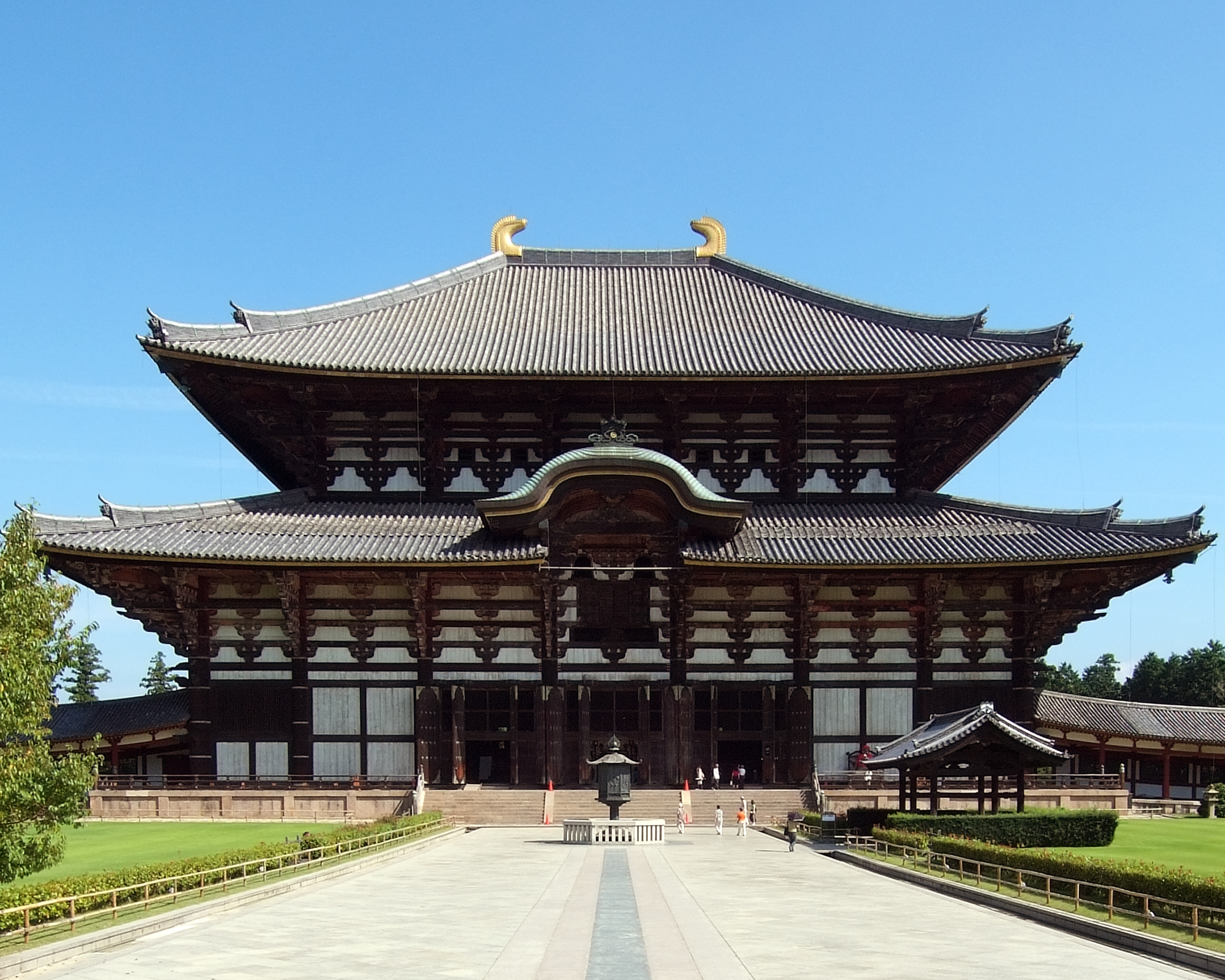 Representative Buddhist temple architecture in Japan
Zennen-ji Temple (善念寺, Kakazan Shintaiin Zennen-ji) is a historic Jodo sect (Pure Land Buddhism) temple established in 1593 in the heart of Nasukarasuyama's former castle town. 🔗 The temple serves as an important cultural repository, housing a Kamakura-period wooden Amida Buddha statue designated as a municipal cultural property, and preserving the graves of notable historical figures including Edo-period haiku poet Tokiwa Tanboku. 🔗
The temple belongs to the Jodo sect (Pure Land Buddhism) with Chion-in Temple in Kyoto serving as its head temple, and practices centered on devotion to Amida Buddha (Amitabha). 🔗
Cultural & Religious Significance
Zennen-ji Temple stands as a testament to Nasukarasuyama's rich castle town heritage, having preserved its Buddhist tradition for over 430 years since its founding in Bunroku 2 (1593). 🔗
Founding and Historical Significance
The founding abbot, Ryoshin Jukkan Shojin, descended from the Satake clan (born as the third son of Tamatsukuri Ise no Kami) and received instruction from Ryojo Taino, an abbot of the Meicho school at Osawa Entsu-ji Temple. 🔗 The temple was established during a pivotal period in Karasuyama's history, when the area flourished as a castle town under the Nasu clan's patronage. 🔗
Cultural Properties and Treasures
The temple's most significant treasure is a wooden standing statue of Amida Nyorai (Amitabha Buddha) dating to the mid-Kamakura period (approximately 13th century), designated as Nasukarasuyama City Tangible Cultural Property (Sculpture) on June 19, 1994. 🔗 This 68-centimeter statue exhibits exceptional craftsmanship with hinoki wood construction using the joined-wood technique (yosegi-zukuri), inlaid crystal eyes (gyokugan), and lacquer-gold leaf finish. 🔗
The statue displays "well-balanced proportions with a sturdy head and body, refined cheek definition, and graceful drapery lines without stagnation," characteristic of Kamakura-period Buddhist sculpture at its finest. 🔗 The statue underwent professional conservation work in 1994, restoring it to a form approximating its original creation.
The main hall also enshrines twenty-five bodhisattvas, a statue of Zendo Daishi (founder of Chinese Pure Land Buddhism), and a statue of Honen Shonin (founder of Japanese Jodo sect). 🔗 Upon entering the temple grounds, visitors encounter six Jizo statues along the approach path and a Kannon statue erected in 2006. 🔗
Notable Historical Figures
The temple grounds preserve the grave of Tokiwa Tanboku (常盤潭北, 1677-1744, also known as Watanabe Tanboku), an accomplished Edo-period haiku poet and shingaku (heart-learning) scholar who made significant contributions to Japanese popular education. 🔗 🔗 Tanboku was a disciple of Enomoto Kikaku and was close to the renowned poet Yosa Buson. While practicing medicine, he emphasized education for common people, traveling throughout the Kanto region giving lectures, and wrote works including the haiku collection "Shiokoshi." 🔗
The grounds also contain the Makino family tombs, connected to the Noh play "Hokasho" (The Wandering Monk), representing an important link to traditional Japanese performing arts. 🔗 🔗
Visiting Information
Address: 1-5-11 Kanai, Nasukarasuyama City, Tochigi Prefecture 321-0628 Hours: Typical temple visiting hours (dawn to dusk) Admission: Free entry (donations appreciated) 🔗 Contact: +81-287-82-2515 🔗 Official website: https://zennenji.jp/ 🔗 Parking: Available on-site 🔗
From Karasuyama Station (JR Karasuyama Line terminus):
- Walking distance: Approximately 8-10 minutes (650 meters) 🔗
- Direction: Head toward the central Kanai district where the temple is located adjacent to Karasuyama Midori Kindergarten 🔗
From Tokyo:
- JR Tohoku Shinkansen from Tokyo Station to Utsunomiya Station (approximately 50 minutes)
- Transfer to JR Karasuyama Line to Karasuyama Station (terminus, approximately 50 minutes) 🔗
- Total journey time: Approximately 2 hours
Castle Town Walking Route: The temple is part of the Karasuyama castle town walking trail, which features many temples and shrines built to protect the castle during the Edo period. 🔗 A downloadable "Karasuyama Town Walking Map" is available from the Nasukarasuyama City Tourism Association showing the complete route. 🔗 The walking route from the Nanamagari entrance takes approximately 1.5 to 2 hours round trip. 🔗
Bicycle Rental: Bicycles are available for hire at the Yamaage Kaikan (山あげ会館) near JR Karasuyama Station (5-minute walk from station) for exploring the temple area and other attractions. 🔗
The Temple Experience
Temple Grounds Exploration
Approach Path and Entrance: As you enter the temple grounds, observe six Jizo statues lining the approach path—these protective bodhisattvas are traditionally associated with travelers and children. 🔗 A Kannon statue (Avalokiteshvara) erected in 2006 stands near the entrance, representing compassion and mercy. 🔗 🔗
Main Hall (Hondo): The impressive main hall features a distinctive karahafu (curved gable), a characteristic element of traditional Japanese religious architecture. 🔗 Inside, the principal image of Amida Nyorai (Amitabha Buddha) takes center stage—this is the temple's prized Kamakura-period wooden statue, though viewing access may be limited to special occasions or by appointment. The main hall also houses twenty-five bodhisattvas (representing Amida Buddha's celestial retinue), a statue of Zendo Daishi (the Chinese Pure Land patriarch), and Honen Shonin (founder of Japanese Jodo Buddhism). 🔗
Jizo Hall: The temple grounds include a dedicated Jizo hall focused on "safe childbirth and child-rearing," reflecting the community role Buddhist temples have traditionally played in Japanese family life. 🔗 🔗
Historical Graves: Pay respects at the grave of Tokiwa Tanboku (Watanabe Tanboku), the Edo-period haiku poet whose educational work influenced rural communities across the Kanto region. 🔗 🔗 The Makino family burial ground, connected to the "Hokasho" (放下僧) folk performance tradition, represents another layer of the temple's cultural significance. 🔗 🔗
Pure Land Buddhist Experience
The temple follows Pure Land (Jodo) Buddhist practices centered on devotion to Amida Buddha and the aspiration to be reborn in the Pure Land (Western Paradise). Visitors may observe or participate in the chanting of the Nembutsu—"Namu Amida Butsu" (I take refuge in Amida Buddha)—which is the central practice of this sect. 🔗
Practical Visiting Tips
Temple Etiquette and Cultural Preparation
Basic Temple Visiting Customs:
- Remove shoes if entering the main hall (most temples require this) 🔗
- Pass through the temple gate (sanmon) after bowing once; avoid stepping on the threshold 🔗
- If a water basin (chozuya) is present, purify hands and mouth before approaching the main hall 🔗
- Do NOT clap hands when praying (this is a shrine custom, not a temple custom) 🔗
Gassho (Prayer Gesture): When praying at a Jodo sect temple, practice gassho: join both hands together in front of your chest with fingers touching and no space between them, tilting hands slightly diagonally at mid-chest level with elbows close to the body. 🔗 While in this posture, the Nembutsu—"Namu Amida Butsu"—may be quietly repeated to demonstrate gratitude for Amida Buddha's compassion. 🔗
Prayer Beads (Juzu/Nenju): If you have prayer beads (juzu), hold them encircling both hands with the beads held lightly between the thumbs and fingers when making gassho. 🔗 These are optional for visitors but appreciated as a sign of respect.
Offering Incense: If an incense burner is accessible to visitors, you may make an offering: sit or stand before the burner, join hands in gassho and bow, pinch incense with right thumb, index, and middle finger, raise to forehead level, place into the burner, then join hands again in gassho. 🔗
Quiet and Reverent Behavior: Maintain quiet, respectful behavior throughout the temple grounds. Speak softly, move slowly, and be mindful of any ongoing religious services or rituals. 🔗
Temple Photography
Standard temple etiquette applies:
- Exterior photography of temple buildings and grounds is generally acceptable 🔗
- Interior photography, especially of Buddhist statues and altars, typically requires permission—always ask before photographing inside the main hall
- The Kamakura-period Amida Buddha statue is a designated cultural property and may have photography restrictions
- Historical graves and memorial areas should be photographed respectfully
- Avoid flash photography inside temple buildings
Recommended Photo Spots:
- Main hall exterior with distinctive karahafu (curved gable) architecture
- Approach path with six Jizo statues
- Kannon statue near entrance
- Temple grounds showing overall layout and traditional atmosphere
Timing Within Itinerary
Castle Town Walking Route: Zennen-ji Temple is best experienced as part of a comprehensive Karasuyama castle town walking tour. The full walking route takes 1.5-2 hours and includes multiple temples (Zennen-ji, Tensho-ji, Senkei-ji, Taiheiji), the Karasuyama Castle ruins, and traditional merchant streets. 🔗 🔗
Suggested Itinerary:
- Morning: Arrive at Karasuyama Station, rent bicycle or begin walking tour
- Late morning: Visit Zennen-ji and other nearby temples
- Midday: Explore Karasuyama Castle ruins with castle town views
- Afternoon: Visit Ryumon Falls (from Taki Station, one stop before Karasuyama) or explore other attractions
- Duration in Nasukarasuyama: Half-day to full-day trip from Tokyo
Crowd Avoidance Strategies
Zennen-ji is not a major tourist destination and typically experiences low visitor numbers. Weekday mornings offer the most peaceful atmosphere for contemplative visits. The temple may see increased local visitors during:
- O-Bon (mid-August): Festival honoring ancestors
- O-Higan (spring and autumn equinoxes): Buddhist memorial days
- New Year (Shogatsu): First temple visit of the year
Money-Saving Options
- Free Entry: Temple grounds and main hall accessible without admission fees 🔗
- Bicycle Rental: Rent bicycles at Yamaage Kaikan to efficiently explore multiple temples and save on time 🔗
- Walking Map: Download free Karasuyama Town Walking Map from tourism association website to self-guide your temple tour 🔗
- Combined Visit: Maximize value by visiting multiple temples, castle ruins, and attractions within the walking route (all free or minimal cost)
Local Insights
Castle Town Context: Zennen-ji Temple was established during the Nasu clan's rule and forms part of the temple network built to protect the castle spiritually. Understanding this context enriches appreciation of the temple's location and role within the historical town layout. 🔗
Tokiwa Tanboku's Legacy: The presence of Tokiwa Tanboku's grave reflects the temple's importance as a cultural center where educated figures of the Edo period found patronage and support. Tanboku's work bringing education to common people throughout the Kanto region represents an important aspect of Edo-period intellectual history. 🔗
Local Customs: As an active temple serving the local community, you may encounter local residents making visits, especially in the early morning or at memorial times. Observe quietly and respectfully, giving priority to those conducting private devotions.
Important Notes:
- The Kamakura-period wooden Amida Buddha statue (cultural property) may not be on public display at all times—contact the temple in advance if viewing this specific treasure is a priority (+81-287-82-2515)
- As an active religious site, certain areas or times may be reserved for religious services or private ceremonies
- Photography restrictions may apply to cultural properties and interior spaces—always ask permission
- Temple staff may have limited English proficiency; translation app or Japanese phrasebook helpful
- This is a working religious site, not a tourist attraction—maintain respectful behavior at all times
Location: View on Google Maps
Source: attractions/nasukarasuyama/zennen-ji-temple.md