About
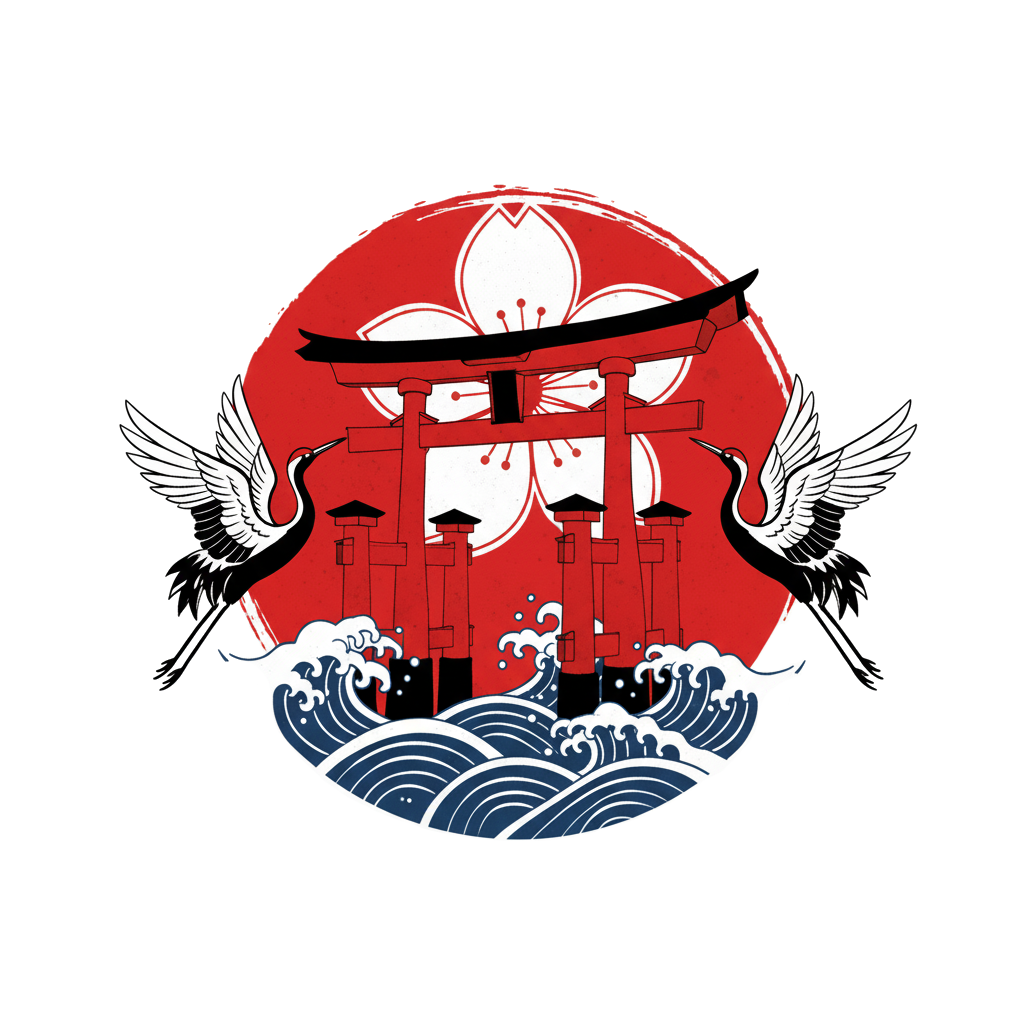
 The iconic floating torii gate of Itsukushima Shrine at high tide
Miyajima, officially known as Itsukushima, is a sacred island in Hiroshima Bay that has been revered for centuries as a place where gods and humans coexist. The island achieved UNESCO World Heritage Site designation in 1996 for its "outstanding universal value" - representing a supreme example of a religious center that masterfully blends architecture of great artistic merit with a dramatic natural landscape. 🔗
The island's spiritual heart is Itsukushima Shrine, whose origins trace back to the 6th century. The present grand form was established in the 12th century by Taira no Kiyomori, the most powerful figure in Japan during the late Heian Period, who transformed it into the Taira clan's spiritual base. 🔗
The shrine's most captivating architectural feature is its construction over tidal flats, creating the illusion of floating on water during high tide. This unique design arose from the island's sanctity - the entire island was considered a deity (kami), and to preserve its purity, commoners were historically forbidden from setting foot on it. The shrine was built on piers over the bay so pilgrims could visit by boat, passing through the torii gate without desecrating the sacred land. 🔗
The iconic vermilion O-Torii (Grand Torii Gate) stands as the symbolic entrance to the sacred shrine grounds. The current gate, the eighth iteration since the Heian period, is made of camphor wood and remarkably stands under its own weight without being buried in the seabed - a testament to traditional Japanese engineering. At high tide, it appears to float majestically; at low tide, visitors can walk out to its base. 🔗
Beyond the shrine, Momijidani ("Maple Valley") Park at the foot of Mount Misen is one of Japan's most famous maple-viewing spots. The tradition of momijigari (maple leaf hunting) is a cherished cultural activity in Japan, and Momijidani Park's over 700 maple trees become a vibrant tapestry of red, orange, and yellow in mid-to-late November. The park's maple beauty inspired the creation of Momiji Manju, the island's famous maple-leaf-shaped cake souvenir. 🔗
Cultural & Religious Significance
Itsukushima Shrine's UNESCO designation recognizes it as a supreme example of a religious center that masterfully blends architecture of great artistic merit with a dramatic natural landscape. The shrine complex includes 17 shrine buildings and 3 structures designated as National Treasures and Important Cultural Properties. 🔗
The main hall, worship hall, and prayer hall exemplify the shinden-zukuri architectural style of Heian-period aristocratic residences, with interconnected buildings linked by covered corridors creating a harmonious complex. The corridors have small spaces between floorboards to alleviate pressure from the sea at high tide. 🔗
Over 500 sika deer roam freely across Miyajima, considered sacred messengers of the gods in Shinto tradition. However, feeding the deer has been officially prohibited since 2008 - they are wild animals and teasing or getting too close can result in injury. 🔗
Visiting Information
Access from Sanyo Expressway
Expressway Exit: Exit at Hatsukaichi IC (from Kansai/east) or Ono IC (from Kyushu/west), then follow National Route 2 to Miyajimaguchi. 🔗
Driving Distance: Approximately 23 km (14 miles) from Hiroshima city center along coastal Route 2 🔗
Driving Time: 21-40 minutes depending on traffic conditions 🔗
Parking: Multiple paid lots near ferry terminal at Miyajimaguchi, approximately ¥1,000 per day. Parking on mainland more economical than bringing car to island. 🔗
Ferry Service
Two ferry operators run between Miyajimaguchi and Miyajima with frequent departures:
- JR West Miyajima Ferry
- Miyajima Matsudai Kisen Tourist Ship
Schedule: First departure 6:25 AM from Miyajimaguchi, last departure 10:14 PM from Miyajima 🔗
Duration: 10 minutes 🔗
Cost: ¥200 + ¥100 visitor tax = ¥300 total one-way (Japan Rail Pass valid on JR ferries, but must purchase separate ¥100 visitor tax ticket) 🔗
Special Route: Between 9:10 AM-4:10 PM, JR ferries take special route closer to the Great Torii Gate for optimal viewing from water 🔗
Payment: IC cards (ICOCA, Suica) accepted 🔗
Operating Hours & Admission
Itsukushima Shrine Hours:
- March - October 14: 6:30 AM - 6:00 PM
- October 15 - November: 6:30 AM - 5:30 PM
- December: 6:30 AM - 5:00 PM 🔗
Shrine Admission:
- Adults: ¥300
- High school students: ¥200
- Elementary/middle school: ¥100
- Treasure Hall: ¥500 (separate) 🔗
Momijidani Park: Free admission, open 24 hours 🔗
Typical Visit Duration:
- Half-day (5-6 hours): Shrine, torii, Momijidani Park, shopping street 🔗
- Full day: Add Mount Misen ropeway/hike (additional 3-4 hours) 🔗
Navigation & Timing
From Ferry to Shrine: 10-15 minute walk along shore 🔗
From Shrine to Momijidani Park: 15 minute walk through traditional streets 🔗
Best Visiting Times:
- Crowd avoidance: Arrive before 9 AM or after 3 PM 🔗
- Autumn foliage peak: Mid-to-late November 🔗
- Tide considerations: Check tide schedules - high tide (over 250cm) for floating effect, low tide (below 100cm) to walk to torii 🔗
Check November 2025 tide schedules at: 🔗
The Island Experience
Itsukushima Shrine Complex
The shrine complex features 17 buildings with interconnected corridors creating a harmonious layout. Visitors experience the unique floorboards with gaps that alleviate water pressure at high tide - wear comfortable flat shoes as heels may get stuck. 🔗
Before entering, perform ritual purification at the temizuya (water pavilion): wash left hand, then right hand, then rinse mouth (do not drink). 🔗
The Great Torii Gate
Tide Viewing Strategy:
- High tide (over 250cm): Gate appears to float with base hidden underwater - most iconic photo opportunity
- Low tide (below 100cm): Walk out to gate's base and appreciate massive scale from below
- Timing: Approximately 6-7 hours between high and low tides 🔗
Momijidani Park Autumn Foliage
Over 700 maple trees create spectacular display of red, orange, and yellow foliage from mid-to-late November. The park sits at Mount Misen's foot, following the Mitarai-gawa River through the valley. Peak viewing for November 3 visit highly likely. 🔗
Omotesando Shopping Street
A 350-meter bustling street with about 60 stores between ferry terminal and shrine. Sample local foods, buy souvenirs, watch artisans at work. 🔗
Optional: Mount Misen
At 500 meters elevation, Mount Misen offers spectacular Seto Inland Sea views. Near summit, the Reikado (Hall of Spiritual Flame) protects a flame that Kobo Daishi lit over 1,200 years ago - still burning today and used to light Hiroshima's Flame of Peace. 🔗
Miyajima Ropeway: 20-minute walk from shrine, operates 9 AM-4 PM in November, 20-minute ride (requires transfer), then 30-minute steep hike from upper station to summit 🔗
Practical Visiting Tips
November 3 Culture Day Considerations
Holiday Crowds: November 3 is national holiday - expect significantly increased crowds, particularly domestic tourists. Overnight-stay strategy (evening/next morning visit) most effective for peaceful experience during holidays. 🔗
Weather: Average November temperature 12-13°C (53-55°F). Pack light jacket. 🔗
Autumn Foliage: Peak viewing period - mid-November optimal for Momijidani Park's 700 maples. November 3 timing excellent. 🔗
Photography Tips
Best Opportunities:
- Torii gate at high tide during golden hour (sunrise/sunset) for magical lighting 🔗
- Momijidani Park in autumn for vibrant foliage
- Shrine corridors reflecting on water at high tide
Photography Etiquette:
- Forbidden inside main shrine building - always check for "No Photography" signs
- Respect worshippers: Never photograph people praying or priests performing ceremonies
- Be unobtrusive: No flash photography, avoid tripods blocking pathways 🔗
Cultural Etiquette
At the Shrine:
- Speak softly and follow designated paths
- Perform ritual purification at temizuya before entering
- No photography inside main building
- Respect active worship - not just tourist site 🔗
With Deer:
- DO NOT feed (prohibited since 2008)
- Keep food hidden in bags
- Do not approach closely or tease
- Protected by Japanese law - be respectful 🔗
Visitor Tax: ¥100 visitor tax included in ferry fare helps preserve island's cultural assets 🔗
Local Food Specialties
Momiji Manju (Maple Leaf Cakes): Miyajima's signature confectionery shaped like maple leaves, traditionally filled with red bean paste. Modern varieties include custard, chocolate, matcha, apple, and chestnut. Try age-momiji manju (deep-fried version on a stick) at Momijido Nibanya. 🔗
Hiroshima Oysters: Premium-size oysters grown three years in plankton-rich Hiroshima Bay. Available raw, fried, or grilled. Best season: autumn through spring (perfect November timing). Try at Kakiya (oyster specialty on Omotesando) or Yamane (near shrine south exit). 🔗
Anago-meshi (Conger Eel Rice): Charbroiled conger eel with sweet-salty soy sauce over fluffy rice. Try at Anagomeshi Ueno (since early 1900s, near Miyajimaguchi ferry on mainland - convenient before/after island visit) or Tsuki Akari on island. 🔗
Dining Hours Note: Most island restaurants close early (around 5 PM) - limited dinner options 🔗
Crowd Management Strategy
Peak crowds: Mid-day (10 AM-3 PM), especially on Culture Day holiday 🔗
Avoidance tactics:
- Arrive before 9 AM (ferries start ~6:25 AM, shrine opens 6:30 AM)
- Visit after 3 PM when day-trippers leave
- Explore Momijidani Park first during peak hours, return to main attractions at sunset
- Overnight stay provides evening/early morning access with minimal crowds 🔗
Route Integration
Beppu to Osaka Ferry Route Context: This stop connects perfectly with the route's Setouchi maritime heritage theme. Having already crossed the Seto Inland Sea via ferry from Kyushu to Shikoku, visiting Miyajima extends the experience of the region's island culture and maritime pilgrimage traditions. The shrine's historical significance as a seaborne approach to a sacred site mirrors the route's own ferry-based journey across the inland sea. 🔗
Route Positioning: Located just south of main Sanyo Expressway corridor between Hiroshima and Osaka, accessible via Hatsukaichi IC or Ono IC exit. This represents the most significant cultural/scenic detour opportunity before final push to Osaka. 🔗
Autumn Timing Advantage: November 3 Culture Day visit coincides with peak maple foliage - maximizes cultural and natural beauty experience in single stop.
Detour Time Commitment: Factor in expressway exit (Hatsukaichi/Ono IC), drive to Miyajimaguchi (21-40 minutes depending on traffic), parking, ferry crossing (10 minutes each way), and minimum 4-5 hours on island for meaningful shrine and autumn foliage experience. Total detour: 6-7 hours minimum from Sanyo Expressway route.
For Route Travelers:
Option 1 - Morning Visit (4-5 hours):
- Arrive early (before 9 AM) to avoid peak crowds
- Ferry to island (10 min)
- Itsukushima Shrine (1.5-2 hours)
- Momijidani Park autumn viewing (1 hour)
- Quick shopping street exploration (30 min)
- Return ferry
Option 2 - Afternoon/Evening (3-4 hours):
- Arrive after 3 PM when day-trippers depart
- More peaceful shrine and torii viewing
- Evening illumination of torii (if high tide)
- Limited shopping street hours (most close by 5 PM)
Important Notes
Tide Schedule Critical: Torii gate viewing experience changes dramatically with tides. Check November 2025 tide calendar before visit. High tide (over 250cm) for floating effect; low tide (below 100cm) to walk to gate. Approximately 6-7 hours between high and low tides allows flexibility during half-day visit.
Culture Day Crowds: November 3 national holiday - expect significantly increased domestic tourist traffic. Early morning (before 9 AM) or late afternoon (after 3 PM) visits strongly recommended for crowd avoidance.
Ferry Last Departure: Final ferry from Miyajima departs 10:14 PM - provides flexibility for evening visit if arriving late afternoon.
Mount Misen Extension: If time permits (additional 3-4 hours), ropeway and summit hike offer spectacular Seto Inland Sea views, but may not be feasible given route time constraints and Culture Day crowds.
Restaurant Hours: Most island restaurants close by 5 PM - plan lunch on island or dinner after returning to mainland. Anagomeshi Ueno near Miyajimaguchi ferry offers convenient pre/post-island dining.
Source: attractions/beppu-to-osaka-ferry-route/miyajima-island.md